Why Do Frogs Die On Their Backs?

Why do frogs die upside down on their backs?

Have you ever encountered a dead frog and wondered why it was flipped over and lying upside down? This happens for a very interesting reason. Frogs do not die on their backs. Instead, often flip onto their backs due to the relaxation of their muscles. This relaxation, in addition to their rounded body shape, makes … Read more
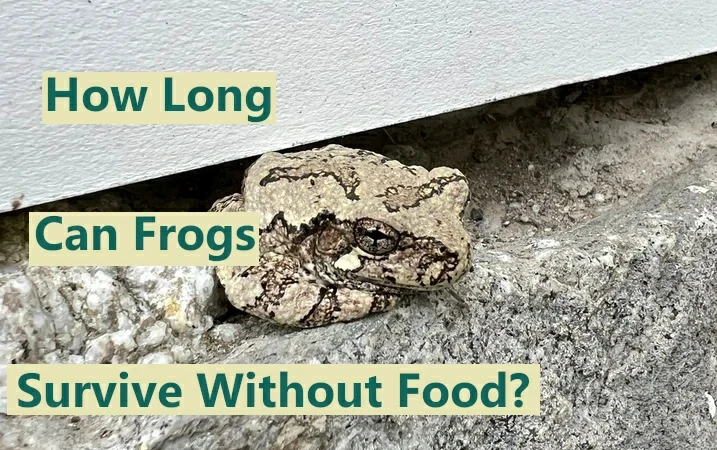
How Long Can Frogs Survive Without Food?

How long can frogs survive without food?

Adult frogs are carnivores that aren’t very picky with what they eat. Their generalist diet means frogs can find food in the variety of habitats they live in – from rainforests to mountainous areas to dry regions. However, despite their diverse diets, frogs still sometimes find themselves in environments where food sources are scarce.​ So, … Read more

5 Fascinating Reasons Why Salamanders Have Long Tails

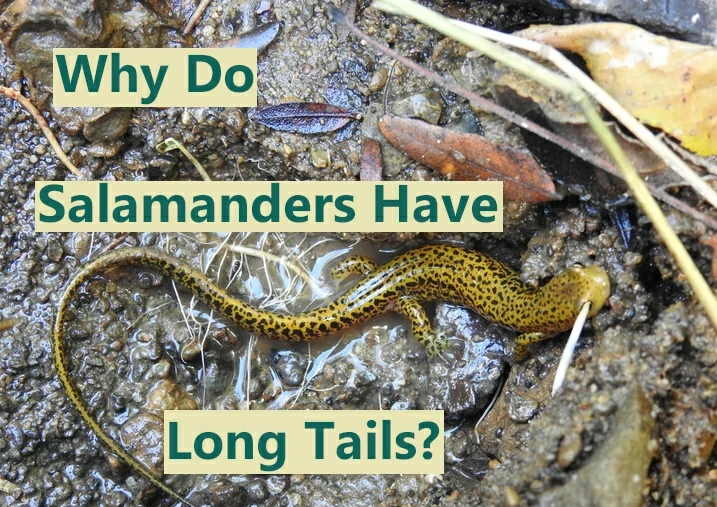
Why do salamanders have long tails?

Salamanders are the only amphibians that have tails in the adult stage of their life. Their slender bodies and four short legs, give them a somewhat lizard-like appearance. But have you ever wondered why salamanders have long tails, when other amphibians, such as frogs, don’t? Salamanders’ long tails serve many important functions. Salamanders use their … Read more

Why Do Salamanders Lose Their Tails?

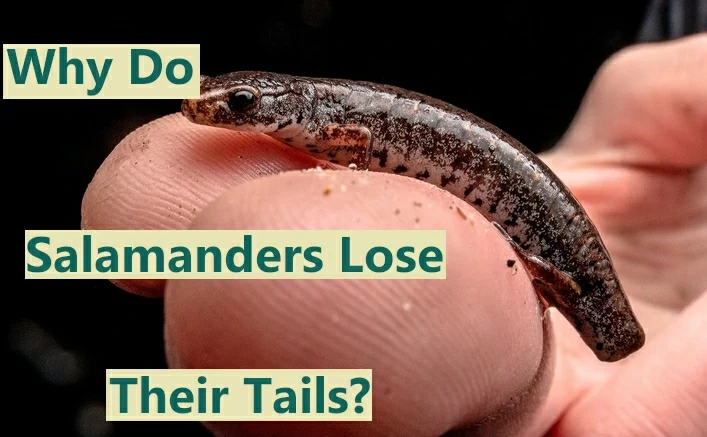
Why do salamanders lose their tails?

Salamanders are the only amphibians that have tails in the adult stage of their life. Like Lizards, salamanders can lose part of most of their tail, and subsequently regenerate it. But have you ever wondered why this happens? The main reason salamanders lose their tails is to defend themselves when they are grabbed by a … Read more

Do Garter Snakes Climb Trees?

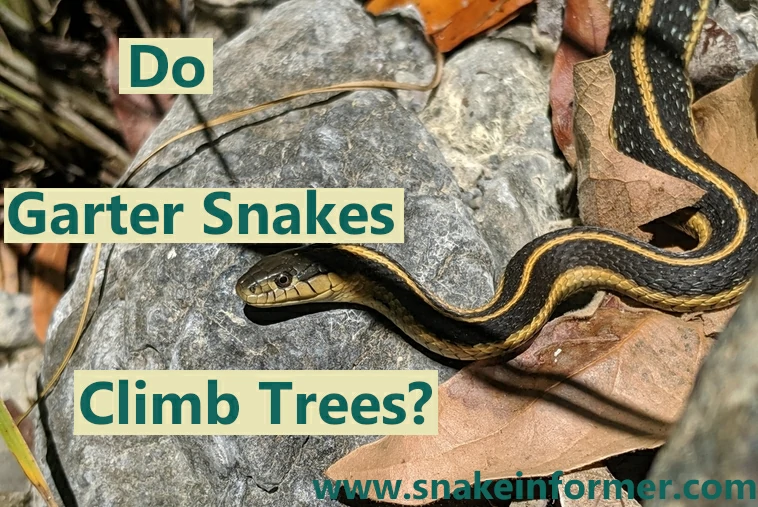
Do garter snakes climb trees?

Garter snakes are among the most common snakes in North America. They are usually found in forest areas but can exploit many habitats. Although largely terrestrial, garter snakes occasionally climb low trees or shrubs for various reasons, such as hunting, basking in the sun, escaping predators, and avoiding dangers on the ground such as flooding. … Read more

Why Do Garter Snakes Smell Bad?

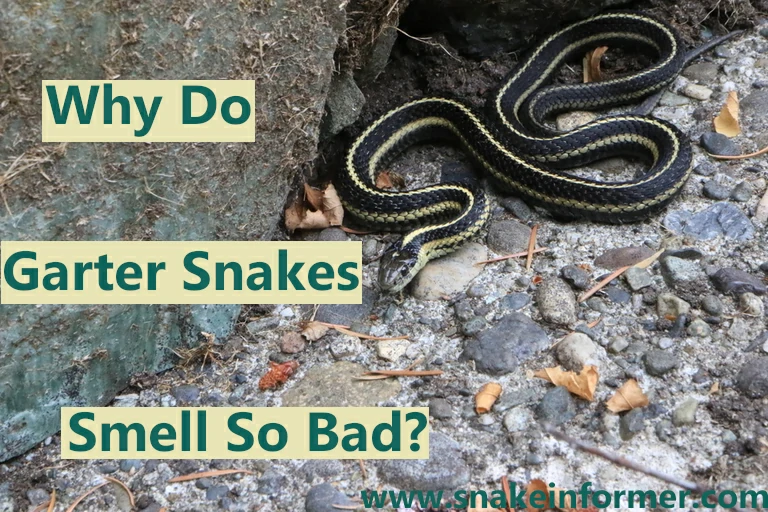
Why do Garter snakes smell and stink so bad?

Garter snakes are medium-sized snakes easily recognizable by the distinctive stripes running lengthwise along their scales. However, some individuals lack stripes. If a garter snake is threatened by a predator, it will release a foul-smelling, greasy fluid, called ‘musk’, from glands located near the base of the tail. This fluid not only smells bad but … Read more

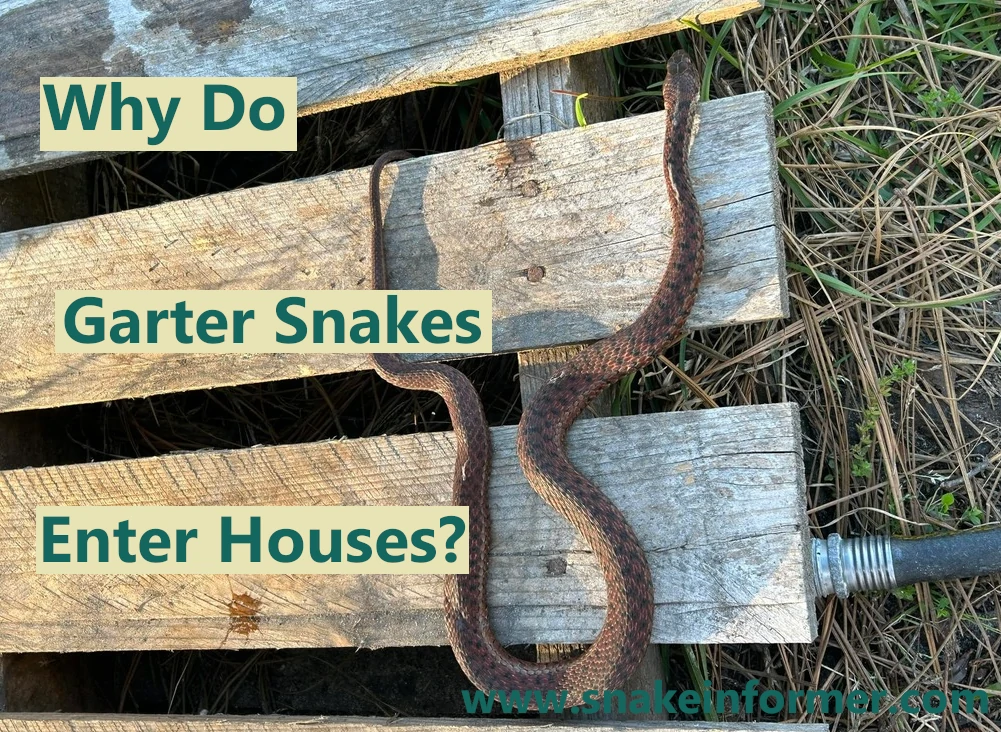
Why Do Garter Snakes Enter Houses?

Why do garter snakes enter houses?

Garter snakes are among the most common snakes in North America. They are usually found in forest areas but often wander into people’s backyards and even enter homes. Garter snakes enter houses mainly in search of food, water, or protection from the elements. Sometimes, they may enter a house purely by accident, especially if doors … Read more

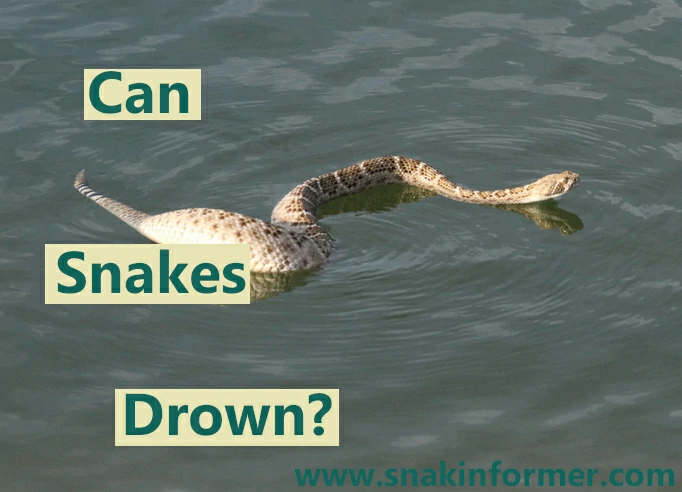
Can Snakes Drown?

Many snakes, particularly those that live close to water bodies, venture into the water for various reasons, such as to escape predators or to move across different areas of their habitat. Snakes are air-breathing reptiles, and if their lungs fill with water, they can drown. Although many snakes can hold their breath to dive underwater, … Read more

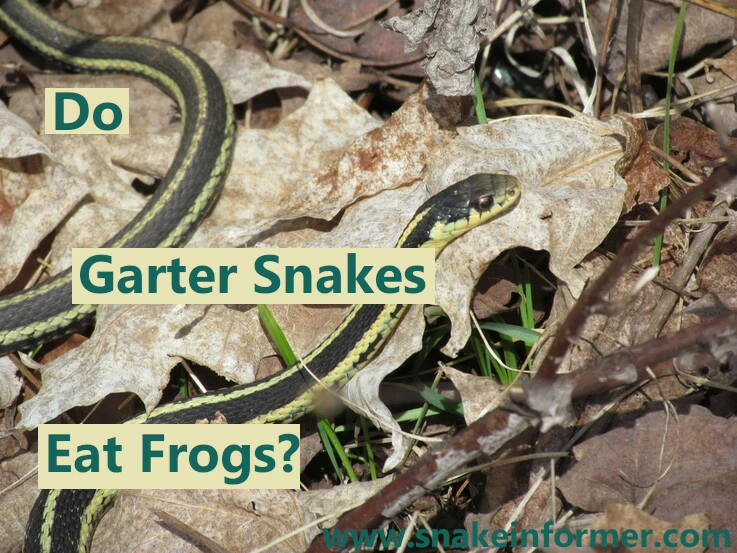
Do Garter Snakes Eat Frogs?

Do garter snakes eat frogs?

Like most snakes, garter snakes are generalist carnivores that eat a wide variety of other prey. They aren’t very picky about what they eat and will prey on almost any animal they can catch and swallow whole. Garter snakes eat frogs that are small enough to fit into their mouths. In general, amphibians tend to … Read more