
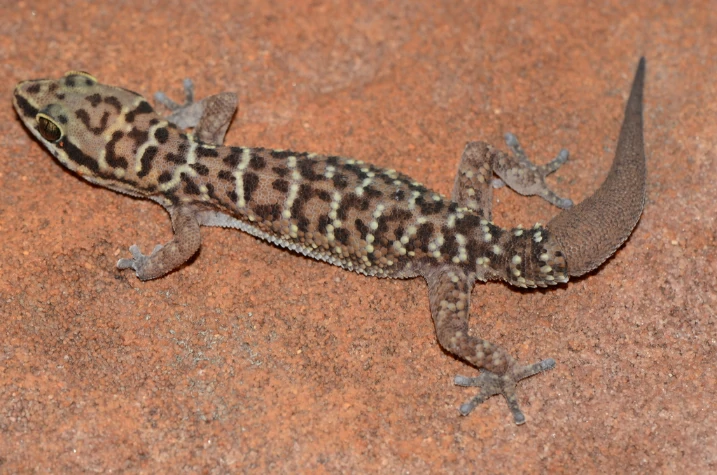
You’re misting your gecko’s tank, watching tiny droplets fall on its skin. For a moment, they sit there like little beads before rolling off. That’s when you might wonder, can geckos actually get wet? And if they do, does it bother them?
Yes, geckos can get wet, but they deal with water in a really special way. Their skin doesn’t soak up water like ours. Instead, it pushes water away, letting droplets slide right off. Some geckos even use this to drink or clean themselves after rain.
How Gecko Skin Reacts to Water
At first glance, a gecko’s skin looks soft and smooth. But up close, it’s covered in tiny ridges and hair-like structures. These make water act differently on their skin.
When a droplet lands, it doesn’t spread or soak in, it stays round, like a little bead on wax paper. That’s because their skin pushes water away. So even if your gecko stands in a light drizzle or walks across a wet leaf, the water doesn’t stick.
This is why they always look clean and dry, even after being misted. The water just rolls off.
Can Geckos Swim or Stay in Water?
Here’s the thing. Most geckos can handle a little moisture, but they aren’t made for swimming. Their tiny lungs and thin skin aren’t built for being in water for long.
If a gecko falls into water, it might float or paddle a little, but it gets tired fast. So yes, they can get wet, but they shouldn’t stay wet for long.
Some desert geckos can go their whole lives without stepping in a pool of water. They get what they need from dew, humidity in the air, and the insects they eat.
What Happens If a Gecko Gets Too Wet?
If a gecko stays wet too long, it can cause problems. Their skin can’t breathe properly, which can lead to bacterial or fungal infections.
Too much moisture can also drop their body temperature too fast, especially for geckos that like warm, dry air.
You might notice:
-
A musty smell from the tank.
-
Small white or dark patches on the skin.
-
Sluggish movement or loss of appetite.
Those are warning signs that the humidity has gone from helpful to harmful.
Do Geckos Like Rain?
Many geckos actually enjoy a light mist. In the wild, when it starts to rain, they often come out from hiding. They know rain brings moisture, and moisture brings insects.
You might see them lift their heads and lick droplets off leaves or their own skin. It’s their way of drinking and refreshing at the same time.
Still, they don’t stay out long. Once the rain gets heavy, most retreat to cracks, tree bark, or under leaves until it stops.
Why Geckos Don’t Absorb Water Through Their Skin
Some animals, like frogs, take in water directly through their skin. Geckos don’t. Their scales are more like armor, they protect them and push water away.
When your gecko drinks, it does it the old-fashioned way: through its mouth. You might see it lick condensation from the walls or tiny droplets from its own nose.
That’s normal and pretty interesting. Basically, geckos wear water on their skin but never soak it up.
Is It Safe to Bathe a Gecko?
It depends on why you’re doing it. If your gecko is having trouble shedding or has dirt stuck to its toes, a shallow warm soak can help.
But it has to be gentle and never deep.
Here’s a safe way to do it:
-
Use lukewarm water (around 30–32°C).
-
Keep the level below the gecko’s belly.
-
Let it soak for 5–10 minutes, no longer.
-
Dry it carefully with a soft paper towel afterward.
-
Never leave your gecko alone during a bath.
They can slip or panic easily, and their tiny lungs make them bad swimmers.
What About Rainwater or Misting, Is That Good for Them?
Absolutely. Misting copies their natural environment. It keeps humidity at the right level and gives tiny droplets for drinking.
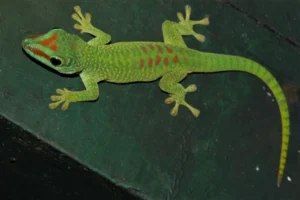
For most tropical geckos, light misting once or twice a day works perfectly. Desert geckos need less; just enough to stop the air from getting too dry.
Too much mist can make the tank damp, and that’s when mold and bacteria move in. Think of misting as a quick refresh, not a shower.
Do Geckos Get Wet When They Shed?
Yes, but in a helpful way. Before shedding, a gecko’s skin loosens a little and traps some extra moisture underneath. That helps the old layer peel off smoothly.
If humidity is too low, the skin sticks, especially around toes or the tail. That’s when you might mist lightly or offer a short soak. It’s not about soaking the gecko, it’s about giving it enough moisture to help nature do its work.
What Happens to a Gecko After Heavy Rain in the Wild?
When it pours, most geckos hide. They know they can’t handle being soaked for long, so they find safe, dry cover.
Under tree bark, inside hollow branches, or under stones; they go there first. Once the storm ends, they come out quickly. The air is full of humidity and the smell of insects.
It’s hunting time. You’ll often see them lick water droplets off leaves right before they start moving again.
It’s a rhythm they’ve learned: wet weather for rest, damp air for action.
How Geckos Clean Themselves After Getting Wet
Geckos are surprisingly tidy. When their skin gets wet or dusty, they often use their tongues to clean it. They’ll lick their eyes, snouts, even their bodies if they can reach.
That’s part of why their skin always looks smooth and clean.
Water droplets help too, they gather tiny bits of dirt, then roll off, taking the dirt with them. So a light mist isn’t just for drinking, it’s a mini shower they can handle themselves.
Can Geckos Get Wet from Handling?
Your hands can pass moisture, oils, and sweat to your gecko’s skin. While that small amount won’t hurt, it’s best to have clean, dry hands before handling.
If your hands are damp or have lotion, it can leave residue that might irritate the gecko’s scales. Always wash and dry first, it keeps both of you safe and comfortable.
What About Accidental Spills in the Tank?
It happens. Maybe the water bowl tips, or you over-mist. If your gecko’s tank gets soggy, remove any soaked substrate right away.
Standing water can raise humidity too high and invite mold, which stresses geckos fast. Add new, dry substrate and let the tank air out for a few hours.
A steady balance (slightly moist but never wet) is the goal.
Why Water Is Still Important, Even If They Don’t “Get Wet” Often
Even though geckos aren’t water-loving animals, moisture is key to their health. Humidity helps them shed, keeps their eyes clear, and prevents dehydration.
They may not soak or swim, but water still shapes their daily rhythm. Think of it this way: they don’t live in water, but they live with it. A dry tank for too long is just as bad as one that’s too damp.
Conclusion
Geckos can get wet, but they handle it on their own terms. Their skin pushes water away, their tongues collect it, and their instincts keep them safe from getting soaked.
A gentle mist, a few droplets, or the soft touch of rain. that’s enough. Too much water can upset their delicate balance. In the end, geckos don’t need to swim or bathe
. They simply live where air and water meet: dry enough to breathe, damp enough to thrive.

Hi, my name is Ezra Mushala, i have been interested animals all my life. I am the main author and editor here at snakeinformer.com.