

If you want to spot salamanders in the wild, timing is everything. You could spend hours searching in the middle of a sunny afternoon and find nothing, while a quick walk at the right time might reveal dozens of these secretive amphibians.
Understanding when salamanders are active can make the difference between a successful wildlife observation and a frustrating search. So, what time of the day are salamanders most active?
Most salamanders are most active at night and during early morning hours, especially after rain. They’re nocturnal creatures that come out to hunt and move around when it’s dark, cool, and humid. During the day, they hide under logs, rocks, and leaf litter to avoid drying out and stay safe from predators.
The exact timing can vary based on the species, weather conditions, and time of year. But if you’re looking for salamanders, your best bet is almost always to search at night or very early in the morning.
Salamander Activity Patterns by Species
| Salamander Type | Peak Activity Time | Best Conditions | Where to Look |
|---|---|---|---|
| Woodland Salamanders (Red-backed, etc.) | Night, early morning | After rain, humid nights | Under logs, leaf litter, rocks |
| Newts (Eastern, Red-spotted) | Night, dawn, dusk | Wet weather, breeding season | Ponds, streams, moist areas |
| Tiger Salamanders | Night (10 PM – 2 AM) | Rainy nights, especially spring | Near breeding ponds, grasslands |
| Spotted Salamanders | Night during breeding | Warm rainy nights in early spring | Vernal pools, forest ponds |
| Fire Salamanders | Night, especially dusk | Humid, misty evenings | Forest floors, near streams |
| Mudpuppies/Waterdogs | Night year-round | Any time when underwater | Rivers, lakes (stay in water) |
| Hellbenders | Night, early morning | Cool water temperatures | Under rocks in streams |
| Marbled Salamanders | Night in fall | Dry fall nights (unusual) | Forest floors, near dry pond beds |
| Spring Salamanders | Night, cloudy days | Cool, wet conditions | Rocky streams, seepage areas |
| Dusky Salamanders | Day and night | Overcast days, after rain | Stream edges, under rocks in water |
Why Salamanders Are Nocturnal
Salamanders are active at night for some really important reasons related to their survival. Understanding why helps explain their behavior patterns.
First and most important, salamanders breathe partly through their skin. This means they need to keep their skin moist at all times. Nighttime air is cooler and more humid than daytime air, which helps prevent their skin from drying out.

During the day, especially in direct sunlight, a salamander could dry out and die within minutes. The UV rays from the sun can also damage their sensitive skin. Staying hidden during daylight hours protects them from both dehydration and sun damage.
Nighttime also offers protection from predators. Many of the animals that eat salamanders (like birds, snakes, and some mammals) are active during the day. By coming out at night, salamanders avoid most of these threats.
Finally, the insects, worms, and other prey that salamanders hunt are often more active at night too. This makes nighttime the perfect time for salamanders to find food.
The Best Time to Find Salamanders
If you want to actually see salamanders, timing your search is critical. Here’s what you need to know about when they’re most likely to be out and active.
The absolute best time is during or right after a good rain, especially at night. Rain creates perfect conditions for salamanders. The air is humid, the ground is wet, and there’s lots of cover from darkness.

On rainy nights, you might see salamanders crossing roads, moving between habitats, or just out hunting in areas where you’d never spot them during dry weather. This is especially true during breeding season.
Early morning (around dawn) can also be good, particularly if it rained the night before. You might find salamanders that haven’t made it back to their hiding spots yet. The conditions are still humid and cool from the night.
Cloudy, overcast days can bring out some salamander species that are slightly less sensitive to daylight. You won’t see the same activity as at night, but you might spot them near streams or in really shady forest areas.
Seasonal Changes in Activity Patterns
Salamander activity isn’t just about time of day. It also changes dramatically with the seasons, and understanding this helps you know when to look for them.
Spring is the most active season for many salamanders, especially in March and April. This is breeding season for species like spotted salamanders and tiger salamanders. On warm, rainy spring nights, these salamanders come out in huge numbers to migrate to breeding ponds.
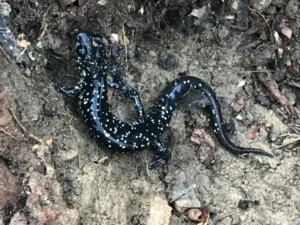
These mass migrations usually happen at night when temperatures are above 40-50°F and it’s raining. Hundreds or even thousands of salamanders might cross roads and move through forests on a single perfect night.
Summer activity tends to be lower during hot, dry periods. Salamanders stay hidden deeper under logs and rocks or move underground to find moisture. They might only come out on the wettest nights.
Fall brings another spike in activity for some species. Marbled salamanders, unusually, breed in fall rather than spring. They’re most active on cool fall nights, even without rain.
Winter activity drops way down in cold climates. Most salamanders become inactive and hide in underground burrows below the frost line. However, some aquatic species like mudpuppies stay active all winter under the ice.
How Weather Affects Activity Times
Weather has a huge impact on when salamanders are active. Understanding these patterns helps you predict the best times to look for them.
Rain is the number one trigger for salamander activity. Even species that normally only come out at night might be active during a heavy daytime rain. The moisture protects their skin and gives them freedom to move around.
Humidity levels matter almost as much as rain. On humid nights (above 80% humidity), salamanders are much more likely to be active even without actual rainfall. Foggy or misty nights are excellent for salamander watching.
Temperature plays a big role too. Most salamanders are most active when temperatures are between 45-65°F. Too cold, and they slow down or become inactive. Too hot, and they risk dehydration even at night.
Wind is actually bad for salamanders. Windy conditions dry out the air and their skin, so salamanders tend to stay hidden on windy nights even if other conditions are good.
Barometric pressure changes might also trigger activity. Many people report seeing more salamanders when the pressure is dropping before a storm.
Different Activity Patterns in Aquatic Species
Fully aquatic salamanders like mudpuppies, hellbenders, and sirens follow different rules than land-dwelling species. Since they never leave the water, they don’t have to worry about drying out.
These aquatic salamanders are still mostly nocturnal, but their reasons are different. They hunt at night because that’s when their prey is most active and when they’re less visible to predators that hunt by sight.
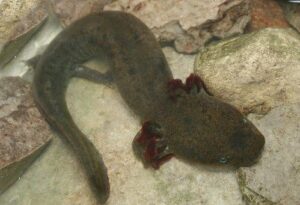
Mudpuppies are active year-round, even in winter. They actually become more active when water temperatures drop. You might spot them moving around under the ice in frozen lakes, which is pretty unusual for amphibians.
Hellbenders are most active on cloudy days and at night. During bright sunny days, they stay hidden under large flat rocks in streams. They need well-oxygenated water, so they’re more active when water temperatures are cool.
Stream-dwelling salamanders like dusky salamanders and spring salamanders might be active during the day if the stream is shaded enough. The flowing water and shade keep them moist, so they can move around more freely than forest salamanders.
Breeding Season Activity Spikes
Breeding season is when you’ll see the most dramatic change in salamander activity patterns. Species that are normally super secretive become visible in large numbers.
Spotted salamanders spend most of the year hidden underground. But on the first warm, rainy nights of early spring, they emerge by the hundreds to migrate to breeding ponds. This happens almost entirely at night.
The migration is time-sensitive. Salamanders need to reach the ponds, mate, lay eggs, and get back to the forest before the water gets too warm or dries up. This creates a narrow window of intense activity.
Tiger salamanders show similar patterns. On rainy spring nights, they move from their underground burrows to temporary ponds. The timing is so predictable that some areas have “salamander crossing” signs to protect them from cars.
Newts show a different pattern. They migrate to ponds in spring but then stay there for weeks or months. During this time, they’re active both day and night in the water, though they’re more active at dawn and dusk.
How to Observe Active Salamanders Safely
If you want to watch salamanders during their active periods, there are some important things to keep in mind to protect both you and them.
Use a red-filtered flashlight at night. Salamanders are less disturbed by red light than white light. This lets you see them without stressing them as much.

Walk slowly and carefully, especially on rainy nights. Salamanders are small and can be hard to see on dark paths. Many get stepped on accidentally by people who don’t realize they’re there.
Look, but don’t touch unless absolutely necessary. Salamanders stress easily, and the oils and chemicals on your hands can hurt their sensitive skin. If you do need to move one (like off a road), use wet hands or wear clean, wet gloves.
Be especially careful during breeding migrations. Salamanders crossing roads are completely focused on reaching their breeding ponds. They won’t move out of your way, so watch where you step.
Never use bright lights directly on breeding ponds. This can disrupt mating behaviors and cause salamanders to abandon their breeding efforts.
Daytime Salamander Searching
Even though salamanders are nocturnal, you can still find them during the day if you know where to look. They’re just hiding rather than actively moving around.
During the day, check under logs, rocks, and leaf litter in moist areas. Lift these objects carefully and always put them back exactly as you found them. That log or rock might be home to several salamanders.
Look for salamanders near streams and seeps where moisture keeps the area damp even during dry periods. Flip rocks at the water’s edge, but be careful not to damage the stream habitat.
In wet weather or on overcast days, you might find salamanders closer to the surface or in more exposed positions. They’re still not as active as at night, but they’re easier to spot.
After rain, check any temporary puddles or wet areas. Sometimes salamanders get caught out in the open when the sun comes out, and they take shelter in the nearest moist spot until night falls.
What “Most Active” Really Means
When we say salamanders are “most active” at certain times, it’s worth understanding what that actually means in terms of their behavior.
Activity doesn’t mean salamanders are running around. Even when they’re active, salamanders move slowly and deliberately. They’re not racing from place to place.
Most of their “activity” involves foraging for food. They move slowly through leaf litter or along stream edges, hunting for worms, insects, and other small prey.

During breeding season, activity includes migration to ponds, courtship behaviors, and egg-laying. These are the times when salamanders move the longest distances and are most visible.
The rest of the time, being “active” might just mean sitting at the entrance to their burrow or hiding spot, waiting for prey to come close enough to catch.
Even during their active hours, salamanders spend a lot of time sitting still. They’re ambush predators that conserve energy by not moving unless necessary.
Signs That Salamanders Are Active in Your Area
Even if you don’t see salamanders themselves, there are clues that tell you they’ve been active recently.
Small trails in wet leaves or mud can indicate salamander movement. These trails are faint and easy to miss, but if you’re looking carefully, you might spot them.
During breeding season, you might find salamander egg masses in ponds. These jelly-like clusters attached to submerged sticks or plants indicate that salamanders were active there recently.
Disturbed leaf litter with small depressions where salamanders have been sitting or hunting can be a sign of recent activity.
If you flip a log and find a nice moist depression in the soil shaped like a salamander, it means one was probably there recently, even if it’s not there now.
In areas with regular salamander activity, you might notice that certain logs or rocks always seem to have salamanders under them. These are prime hiding spots that salamanders return to regularly.
Conclusion
Salamanders are most active at night, especially during or after rain when conditions are humid and cool. This nocturnal lifestyle protects them from drying out, helps them avoid predators, and puts them out when their prey is most available.
The best time to see active salamanders is on warm, rainy nights, particularly during spring breeding season. Early morning hours right after rain can also be productive, as can overcast, humid days for some species.
If you want to find salamanders during the day, you’ll need to look under logs, rocks, and leaf litter where they hide. They’re there, just not actively moving around. Understanding these activity patterns makes salamander watching much more successful and helps you appreciate how these interesting creatures survive in their environments.

Hi, my name is Ezra Mushala, i have been interested animals all my life. I am the main author and editor here at snakeinformer.com.