
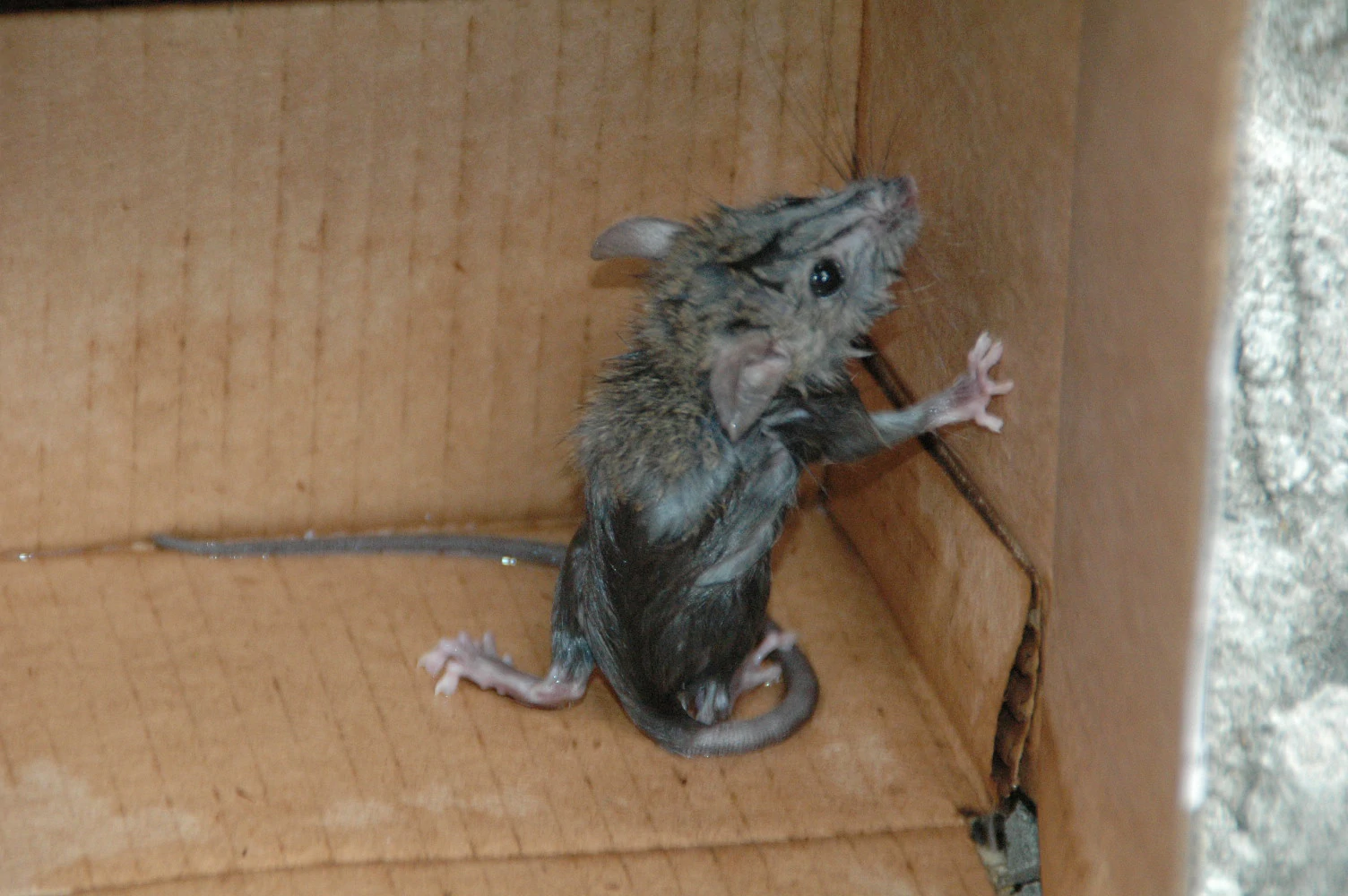
Finding a live rat stuck to a glue trap can be really distressing, especially if you hear it crying or struggling. Maybe you didn’t mean to catch it, or maybe you’ve changed your mind about how you want to deal with the rat problem in your home.
Either way, you’re probably wondering if there’s a way to safely free the animal without hurting it or yourself. Can you remove or save a rat from a glue trap?
Yes, you can remove a rat from a glue trap using vegetable oil, olive oil, or cooking spray to dissolve the adhesive. Pour the oil over the stuck areas and gently work the rat free, but wear thick gloves and be prepared for the rat to bite or scratch once it’s loose.
The key is breaking down the glue’s stickiness so the rat can be released. This takes time and patience, and you need to protect yourself because a scared, trapped rat will defend itself the moment it feels like it can escape.
Why Glue Traps Are So Hard to Escape
Glue traps use an extremely sticky adhesive that’s designed to hold animals in place the moment they step on it. The more the rat struggles, the more of its body gets stuck to the trap.
This glue is specifically made to resist moisture and movement. doesn’t dry out quickly, and it stays tacky for weeks or even months.
That’s why rats can’t just pull themselves free, no matter how hard they try.
The struggle also exhausts the rat. By the time you find it, the animal is usually tired, stressed, and sometimes injured from trying to escape.
This is why acting quickly gives you the best chance of successfully freeing it.
What You’ll Need to Free a Rat
Before you start, gather everything you’ll need so you don’t have to stop halfway through. You’ll need vegetable oil, olive oil, or cooking spray (any cooking oil works).
You’ll also need thick gloves (leather work gloves are best), a towel or cloth, and a container with air holes if you plan to relocate the rat.

A plastic bin or cardboard box works well as a container. Make sure it has a secure lid with air holes poked in it. You don’t want the rat escaping in your car or house while you’re trying to release it outside.
Have everything ready and within reach before you touch the trap. Once you start, you’ll need to work fairly quickly to minimize stress on the rat.
How to Safely Approach a Stuck Rat
Put on your thick gloves before you get close to the trap. Even a small rat can bite hard enough to break skin, and their teeth can carry bacteria that can make you sick.
Approach the trap slowly and calmly. Talk in a quiet voice if you want, but mainly just avoid sudden movements. The rat is already terrified, and you don’t want to make it panic even more.
If the rat is struggling violently, wait a moment for it to calm down a bit. You can cover the trap with a light towel to help the rat feel less exposed, which sometimes makes it stop thrashing around.
The Step-by-Step Process to Free the Rat
Start by pouring or spraying a generous amount of oil directly onto the areas where the rat is stuck. Focus on the paws and belly since these are usually the most attached parts.
Let the oil sit for a minute or two. You’ll start to see the glue getting slippery and losing its grip. Add more oil if needed, especially around the edges where the rat’s fur is stuck.
Gently start working the rat’s paws free, one at a time. Don’t pull hard or you could hurt the animal or rip out its fur. Instead, massage the oil into the glue and slowly peel the sticky areas away from the trap.
What to Do as the Rat Comes Loose
As you free each paw, the rat might start to struggle more because it realizes it can move again. Keep a firm but gentle grip on the rat’s body, being careful not to squeeze too hard.
Once most of the rat is free but still has some glue on its fur, you can either continue removing all the glue or transfer it to your container. If there’s just a little glue left, it’ll groom itself clean over the next day or two.
The moment the rat is completely free, it’s going to try to run or bite. Be ready for this. Have your container open and ready so you can quickly but carefully place the rat inside.
Dealing with a Rat That’s Injured or Weak
Sometimes rats are stuck for hours or even days before you find them. These rats might be dehydrated, exhausted, or injured from struggling.
If the rat seems really weak and can barely move, you still need to be careful because even a weak rat can bite. But you might have a little more time to work carefully.
For seriously injured rats, you might want to contact a wildlife rehabilitator or your local animal control. They have experience handling these situations and can give the rat proper medical care if needed.
Where to Release the Rat After Freeing It
If you’re releasing the rat outside, take it at least a mile away from your home. Rats have excellent navigation skills and will find their way back if you don’t take them far enough.

Look for an area with natural cover like bushes, trees, or tall grass. This gives the rat somewhere to hide right away so it’s not just sitting out in the open where predators can easily spot it.
Release it during dusk or dawn if possible. These are times when rats are naturally active, so the animal will have an easier time finding shelter and food.
Cleaning Up After the Removal
After you’ve freed the rat, you’ll need to deal with the messy glue trap. Don’t try to reuse it, just throw it away. Wrap it in newspaper or put it in a plastic bag before putting it in your outside trash.
Wash your gloves thoroughly with dish soap and hot water. If you got any glue on your skin, vegetable oil will remove it just like it removed it from the rat.
Clean the area where the trap was with a disinfectant. Rats can leave behind bacteria and parasites, so you want to make sure the spot is properly sanitized.
Why Some Rats Can’t Be Saved
Not every rat stuck to a glue trap can be successfully saved. If the rat has been stuck for several days, it might be too dehydrated or injured to survive even if you free it.
Rats can also die from stress alone. The panic of being trapped can cause their heart to give out, especially if they’re older or already weak.
If you find a rat that’s already dead or clearly dying, the most humane thing to do is not try to revive it. In these cases, you’re better off disposing of the trap and the rat together.
Preventing This Situation in the Future
If you don’t want to deal with removing rats from glue traps again, stop using glue traps. They’re considered inhumane by many animal welfare organizations because they cause prolonged suffering.
Snap traps are a better option if you need to kill rats. They work instantly when set correctly, so the rat doesn’t suffer. Live catch traps are even better if you want to remove rats without killing them.
You can also focus on prevention by sealing up holes in your home, removing food sources, and keeping your property clean. This keeps rats from getting inside in the first place.
The Legal and Ethical Considerations
In some places, glue traps are actually illegal or restricted because they’re seen as cruel. Before you use them or free a rat from one, check your local laws.
Even where they’re legal, many people argue that glue traps aren’t ethical. The animal suffers for hours or days before dying from exhaustion, dehydration, or stress.
If you’re freeing a rat because you feel bad about its suffering, that’s completely normal. Many people who use glue traps don’t realize how distressing they are until they actually see an animal stuck to one.
What If the Rat Bites You During Removal?
Rat bites can be serious because rats carry bacteria in their mouths. If a rat bites you while you’re trying to free it, wash the wound immediately with soap and water.
Apply an antibiotic ointment and cover it with a clean bandage. Watch the area for signs of infection like redness, swelling, warmth, or pus.
Contact your doctor, especially if the bite is deep or if you haven’t had a tetanus shot in the last 10 years. Rat bites can lead to infections that need medical treatment.
Alternative Options If You Can’t Free It Yourself
If you’re too scared to handle the rat yourself or you don’t feel confident you can do it safely, call animal control or a local wildlife rescue organization. Many of these groups will come remove the rat for you.
Some pest control companies will also help, though they might just dispose of the rat rather than trying to save it. Ask before they come what they plan to do.
You can also ask a friend or neighbor who’s more comfortable with animals to help you. Sometimes having two people makes the process easier and safer.
How Long Does the Whole Process Take?
Freeing a rat from a glue trap usually takes between 10 and 30 minutes, depending on how stuck it is and how cooperative the rat is.
If the rat is really stuck with lots of fur attached, it might take longer. You might need to apply oil several times and work slowly to avoid hurting the animal.
The actual release is quick once the rat is free. You just open the container in your chosen location and let it run out. The rat will usually disappear into cover within seconds.
Can You Clean and Reuse the Rat After Removing Glue
You don’t need to fully clean the rat before releasing it. A little bit of oil and remaining glue won’t hurt it, and the rat will groom itself clean over the next day or so.
If there’s a lot of glue left on the rat’s fur, you can use a damp cloth to gently wipe away the excess. But don’t stress the animal more by trying to make it perfectly clean.
The important thing is getting the rat unstuck and released quickly. The less time you handle it, the better its chances of surviving the stress of the whole experience.
Conclusion
Yes, you can successfully remove and save a rat from a glue trap using cooking oil to break down the adhesive. The process requires patience, thick gloves for protection, and a calm approach to minimize stress on both you and the rat.
While it’s possible to free trapped rats, the experience often shows people just how cruel glue traps really are. If you’re dealing with a rat problem, consider switching to more humane methods like snap traps or live catch traps that don’t cause prolonged suffering.
Remember to protect yourself during the removal process, release the rat far from your home, and clean up thoroughly afterward. And if you’re not comfortable handling a live rat, there’s no shame in calling professionals who can help.

Hi, my name is Ezra Mushala, i have been interested animals all my life. I am the main author and editor here at snakeinformer.com.