
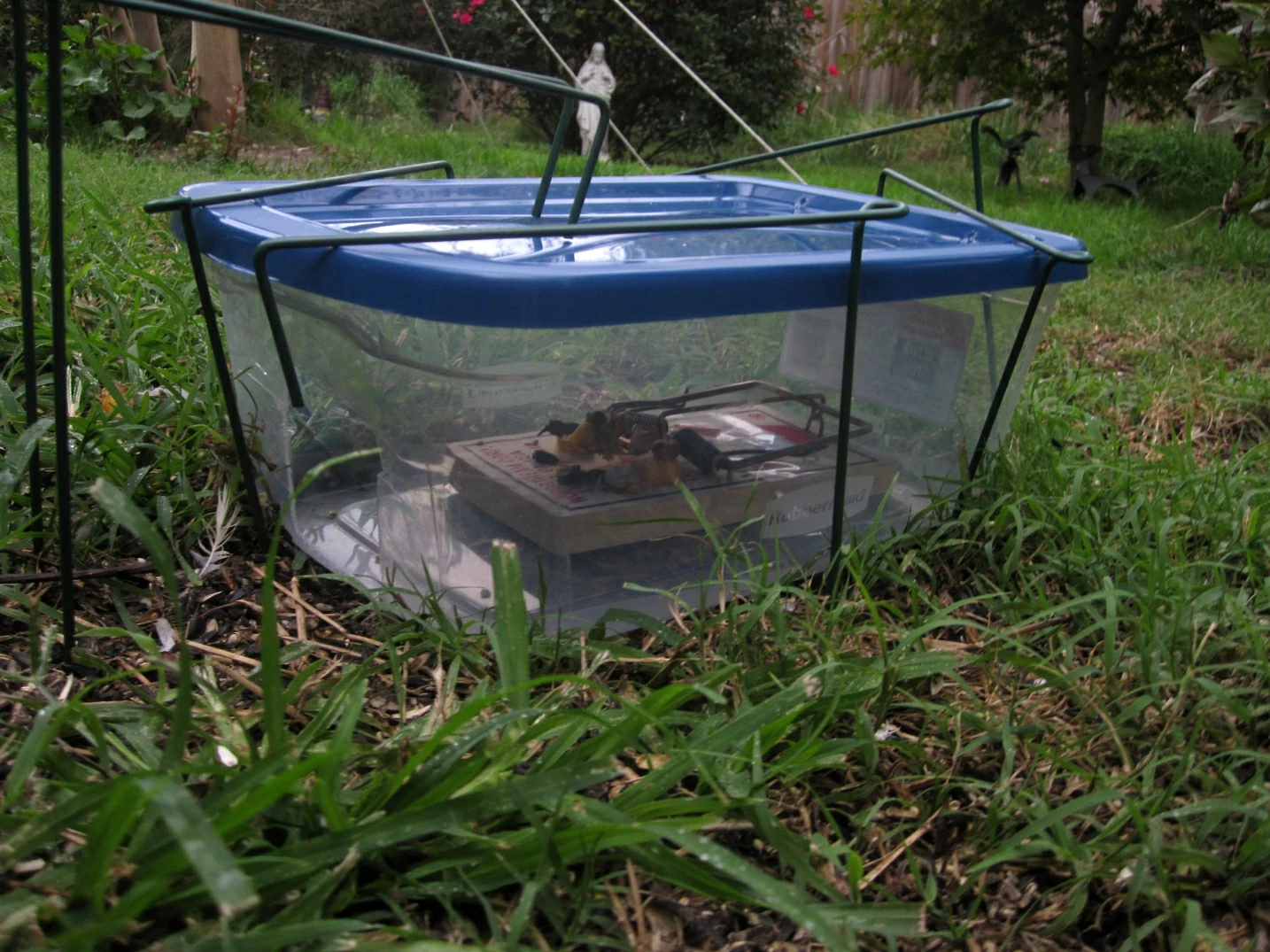
If you’re dealing with rats and wondering what to use as bait, you’ve probably heard that peanut butter works well. But you might be wondering if it’s actually safe to use or if there’s a specific way to apply it. Can you put peanut butter on a rat trap?
Yes, peanut butter is one of the best and most commonly used baits for rat traps. Its sticky texture prevents rats from stealing it without triggering the trap, it has a strong smell that attracts rats from a distance, and rats find it irresistible because of its high fat and protein content. A small dab on the trigger plate is all you need.
Peanut butter has been the preferred rat bait for decades, and there’s good reason it’s remained so popular. It’s effective, cheap, and easy to use.
Why Peanut Butter Works So Well
The sticky texture is really the main advantage. When you put peanut butter on a trap, rats can’t just grab it and run like they could with a piece of cheese or a nut.
They have to lick and pull at it, which keeps them positioned on the trigger plate. This gives the trap plenty of time to spring and catch them.
Rats have an excellent sense of smell, and peanut butter produces a strong odor that spreads through the air. They can detect it from several feet away, sometimes even from another room.

The high fat and protein content makes peanut butter very appealing to rats nutritionally. They’re always looking for calorie-dense foods that give them energy, and peanut butter fits that need perfectly.
It’s also convenient for you. Almost everyone has peanut butter in their kitchen already, so you don’t need to make a special trip to buy bait. It’s cheap and lasts a long time in storage.
How Much Peanut Butter to Use
You don’t need much peanut butter to make the trap effective. A small amount about the size of a pea or a small bean is enough.
Using too much peanut butter can actually work against you. If you pile on a big glob, smart rats might lick around the edges without putting enough weight on the trigger to set it off.
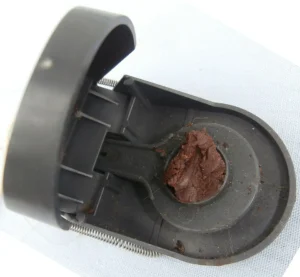
A thin smear or a small dab forces the rat to work harder and position itself directly on the trigger mechanism. This increases your chances of a successful catch.
You can always add more if the small amount isn’t working, but start small and see how it goes. Most people find that less is more when it comes to peanut butter bait.
Where Exactly to Put the Peanut Butter
On snap traps, put the peanut butter directly on the trigger plate. This is the flat metal or plastic piece that the rat steps on to release the spring mechanism.
The trigger plate is usually in the middle of the trap, and it’s designed to hold bait. Some traps have a little cup or indentation specifically for this purpose.
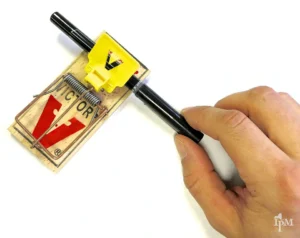
Make sure the peanut butter is centered on the trigger. If it’s off to one side, a rat might be able to reach it without putting enough weight on the sensitive part of the mechanism.
For electronic traps, there’s usually a designated bait area inside the chamber. Put the peanut butter there, not near the entrance. You want the rat to walk all the way inside before it can access the food.
On cage traps (live traps), put the bait at the back of the cage, past the trigger plate. The rat has to walk over the trigger to reach the peanut butter, which closes the door behind it.
Smooth vs. Crunchy Peanut Butter
Either type works fine for rat bait, but there are slight differences that might matter depending on your situation.
Smooth peanut butter is easier to spread evenly on the trigger plate. It creates a consistent coating that rats have to work at to remove.
Crunchy peanut butter has added texture from peanut pieces. Some people think this makes it more attractive because it adds extra scent and gives rats something to work at.
The nuts in crunchy peanut butter can make it slightly less sticky, which might allow smart rats to pick out the pieces without triggering the trap. But this is pretty rare.
Honestly, rats aren’t picky. They’ll go for either type eagerly. Use whatever you have on hand and don’t worry too much about which variety is “better.”
Adding Other Ingredients to Peanut Butter
You can enhance peanut butter by mixing in other ingredients that rats find attractive. This can make the bait even more effective.
Bird seed or sunflower seeds mixed into peanut butter create a combination that appeals to multiple senses. The seeds add extra scent and give the bait more texture.

A small amount of bacon grease stirred into peanut butter adds a meaty smell that some rats find irresistible. Just a few drops is enough.
Rolled oats mixed with peanut butter create a paste that’s still sticky but has added appeal from the grains. This mimics foods rats might find in nature.
Some people add a drop or two of vanilla extract to make the smell stronger. The sweet scent travels farther and can attract rats from greater distances.
How Long Peanut Butter Stays Fresh on a Trap
Peanut butter doesn’t spoil quickly, but it does dry out and lose its effectiveness over time. In dry conditions, it can harden and lose its smell within a few days.
Check your traps daily if possible. If the peanut butter looks dried out or crusty, replace it with fresh stuff. Fresh bait smells stronger and works better.
In humid environments, peanut butter can get soft and runny, especially if it’s warm. This might make it less sticky and easier for rats to lick off without triggering the trap.
If you haven’t caught anything after three or four days, change the peanut butter even if it still looks okay. Fresh bait is more attractive, and rats might be avoiding the trap because the smell has faded.
Temperature matters too. In very hot conditions, the oils in peanut butter can separate and the whole thing becomes less appealing. In cold conditions, it can get too hard for rats to smell properly.
Natural vs. Commercial Peanut Butter
Natural peanut butter (the kind that’s just ground peanuts with maybe some salt) works just as well as commercial brands with added sugar and oils.
Some people think natural peanut butter works better because it has a stronger, more authentic peanut smell without chemical additives. Rats might find this more appealing.
Commercial peanut butter with added sugar might be slightly more attractive because of the extra sweetness. But the difference is probably minimal.
The oil separation in natural peanut butter can be messy, but it doesn’t affect how well it works as bait. Just stir it before using it.
Either way, rats aren’t going to turn down peanut butter because of the brand. Use whatever’s in your pantry and save yourself the expense of buying something special.
Can Rats Smell Peanut Butter Through Plastic?
Yes, rats have an extremely good sense of smell and can detect peanut butter even through barriers. But for maximum effectiveness, you want the scent to travel freely through the air.
Don’t seal peanut butter in plastic wrap or containers and expect it to work as well. The whole point is for the smell to spread through the area and attract rats to the trap.
When you smear peanut butter directly on the trigger plate, it’s exposed to air and the scent molecules can travel. This is what draws rats in from a distance.
If you’re worried about the peanut butter drying out before rats find it, you can add a tiny bit more rather than covering it. Just remember that too much can be counterproductive.
In very dusty or dirty environments, a little dust on the peanut butter won’t stop rats from smelling it. Their sense of smell is powerful enough to detect it through minor contamination.
Does the Trap Type Matter?
Peanut butter works on all types of rat traps, though the application might be slightly different depending on the design.
Traditional wooden snap traps are perfect for peanut butter. The wooden base absorbs a bit of the oil, which can actually help spread the scent.
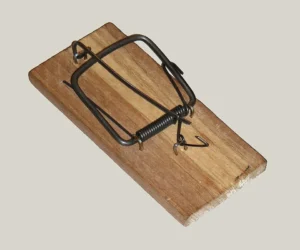
Plastic snap traps work just as well. The smooth plastic surface makes it easy to clean off old peanut butter and apply fresh bait.
Electronic traps have a designated bait area, and peanut butter is recommended by most manufacturers. It won’t interfere with the electronic components.
Glue traps can have peanut butter placed near (not on) the sticky surface as an attractant. The smell draws rats to the trap, and they get stuck when they try to reach the bait.
Cage traps work great with peanut butter. The sticky texture keeps the bait in place even when the cage gets jostled or moved.
What to Do If Peanut Butter Isn’t Working
If you’ve had peanut butter on your trap for several days without catching anything, there could be several reasons.
The rats might not be traveling where your trap is located. Try moving the trap to a different spot where you’ve seen droppings or other signs of activity.
The peanut butter might have dried out and lost its smell. Replace it with fresh peanut butter and see if that helps.
Some rats are more cautious than others and won’t approach a new object right away. Try pre-baiting: put peanut butter on the trap without setting it for a few days. Let the rats get used to eating from it safely, then set the trap.
The trap might be too sensitive or not sensitive enough. Adjust the trigger mechanism and test it to make sure it goes off with the right amount of pressure.
Try adding something to the peanut butter to make it more attractive. Mix in some seeds, bacon grease, or chocolate chips to create a combination bait.
Safety Considerations When Using Peanut Butter
Peanut butter is safe to use around your home as rat bait. It doesn’t pose any chemical dangers the way poison bait does.
The main concern is making sure pets and children can’t access the traps. Place traps in areas where they can’t reach them, or use trap boxes that keep the trap enclosed.
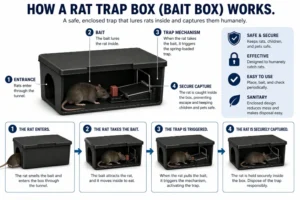
If you have severe peanut allergies in your household, consider using alternative bait like bacon, chocolate, or dried fruit instead. There’s no need to risk an allergic reaction.
Wash your hands after handling peanut butter and setting traps. Rats can carry diseases, and you don’t want to transfer anything from the trap to your face or food.
Store your peanut butter jar separately from the one you use for eating. Use a dedicated container for trap bait to avoid any cross-contamination.
Disposing of Traps with Peanut Butter
After you’ve caught a rat, you’ll need to dispose of it properly. If you’re reusing the trap, remove all the old peanut butter first.
Wear gloves when handling a used trap. Rats carry diseases that can be transmitted through contact with their body fluids or the trap itself.
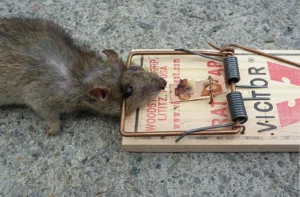
Scrape off the old peanut butter with a disposable tool like a popsicle stick or plastic knife. Throw this away in the trash.
Wash the trap with hot, soapy water to remove any remaining peanut butter, blood, or other contamination. This is especially important if you’re going to reuse it.
Disinfect the trap with a bleach solution (one part bleach to nine parts water) or a commercial disinfectant. This kills bacteria and viruses the rat might have left behind.
Peanut Butter vs. Other Common Baits
While peanut butter is extremely effective, it’s worth knowing how it compares to other options in case you need alternatives.
Cheese works but isn’t as good. It’s not sticky, so rats can often steal it without triggering the trap. It also doesn’t smell as strong as peanut butter.
Bacon is very effective and smells great to rats, but it’s not sticky. You need to tie it to the trigger, which takes more effort. It also spoils faster than peanut butter.
Chocolate works well and rats love it, but it can melt in warm weather and get messy. It’s also more expensive than peanut butter.
Nuts and seeds are attractive to rats but aren’t sticky. Like bacon, you need to secure them somehow, or rats can steal them easily.
Dried fruits work well and have a strong smell, but they can get moldy quickly in humid conditions. They’re also not as sticky as peanut butter.
Using Peanut Butter in Different Environments
Where you set your trap can affect how well peanut butter works. In hot, dry areas like attics or garages in summer, peanut butter dries out quickly.
If you’re trapping in a hot environment, check the bait daily and replace it more often. You might also try mixing a little bit of oil into the peanut butter to keep it moist longer.
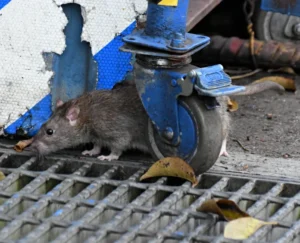
In damp basements or outdoor areas, humidity can make peanut butter too soft. It might slide off the trigger plate or become less sticky. Using a smaller amount can help with this.
Cold environments like unheated sheds in winter can make peanut butter very hard. Rats can still smell it, but they might have trouble licking it off the trigger. Let it warm to room temperature before applying it.
In areas where ants are a problem, peanut butter can attract them to your traps. Check traps frequently and clean up any ant trails leading to them. The ants themselves won’t trigger the trap, but they can be annoying.
Can You Use Expired Peanut Butter?
Peanut butter has a long shelf life, and even if it’s past the “best by” date, it’s probably still fine for trap bait. Rats aren’t concerned about freshness dates.
The main thing is whether it still smells like peanut butter. If it’s rancid or has an off smell, it might not be as attractive to rats.
Check for mold before using old peanut butter. If you see any fuzzy growth or discoloration, throw it out. Moldy peanut butter won’t attract rats and could spread mold spores in your home.
Separated oil is normal in natural peanut butter and doesn’t mean it’s bad. Just stir it back together before using it as bait.
If the peanut butter has been opened and sitting in your pantry for a very long time, it might have lost some of its scent. Fresh peanut butter will always work better, but old peanut butter is still worth trying before buying new.
Conclusion
Yes, you can and should put peanut butter on rat traps. It’s one of the most effective baits available because it’s sticky, smells strong, and rats find it irresistible. A small dab on the trigger plate is all you need to attract rats and keep them in position long enough for the trap to work.
Whether you use smooth or crunchy, natural or commercial, peanut butter is a reliable choice that works in most situations. You can enhance it with other ingredients if you want, but plain peanut butter straight from the jar works great on its own.
The key is using fresh bait, placing it correctly on the trigger mechanism, and checking your traps regularly. With these simple steps, peanut butter will help you catch rats quickly and effectively.

Hi, my name is Ezra Mushala, i have been interested animals all my life. I am the main author and editor here at snakeinformer.com.