
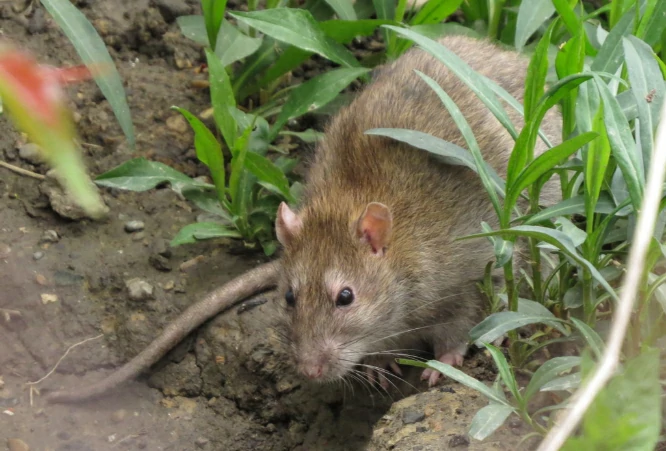
Choosing the right bait for your rat trap can make the difference between catching rats quickly and waiting days or weeks with nothing to show for it. Rats are smart, cautious creatures, and they won’t fall for just anything. What can I put on a rat trap for bait?
The best baits for rat traps include peanut butter, bacon, dried fruit, nuts, chocolate, and pet food. Peanut butter is the most popular choice because it’s sticky (rats can’t steal it without triggering the trap), smells strong, and rats find it irresistible. Other protein-rich and high-fat foods also work well.
Different rats in different environments might prefer different foods, so sometimes you need to experiment to find what works best in your situation. Let’s look at all your options.
| Bait Type | Effectiveness | Why It Works | Best Use Case | Notes / Tips |
|---|---|---|---|---|
| Peanut Butter | ⭐⭐⭐⭐⭐ (Best) | Sticky, strong smell, high fat & protein | All situations | Use a pea-sized amount; replace every few days |
| Bacon (Cooked) | ⭐⭐⭐⭐⭐ | Strong smell, high fat | When rats prefer meat | Tie it to trigger so rats can’t steal it |
| Other Meats (Sausage, Hot Dogs, Jerky) | ⭐⭐⭐⭐ | Protein-rich, strong scent | Areas with food waste/meat exposure | Cooked is better than raw to avoid spoilage |
| Nuts (Almonds, Walnuts, Peanuts) | ⭐⭐⭐⭐ | Natural rat food, high fat | Outdoor or natural environments | Crack slightly to release scent |
| Seeds (Sunflower, Pumpkin) | ⭐⭐⭐⭐ | Familiar food, encourages gnawing | When rats are cautious | Use with shells for longer interaction |
| Dried Fruits (Raisins, Dates, Apricots) | ⭐⭐⭐⭐ | Sweet, strong smell, sticky | Roof rats or fruit-eating rats | Check often—can get moldy |
| Chocolate | ⭐⭐⭐⭐ | Sweet smell, high energy | Cooler environments | Melts in heat; combine with nuts if possible |
| Pet Food (Dog/Cat Kibble) | ⭐⭐⭐⭐ | Designed to attract animals | Homes with pets | Tie or wedge into trap |
| Cheese | ⭐⭐⭐ | Mild smell, less preferred | Backup option only | Use strong-smelling varieties |
| Bread | ⭐⭐ | Low scent, low nutrition | Only when mixed with other bait | Combine with peanut butter |
| Grains (Oats, Wheat) | ⭐⭐ | Familiar but low attraction | Mixed bait setups | Best when combined with sticky bait |
| Combination Baits | ⭐⭐⭐⭐⭐ | Multiple scents & textures | When single bait fails | Example: peanut butter + seeds |
| Scent-Enhanced Baits (Vanilla, Anise, Bacon Grease) | ⭐⭐⭐⭐ | Boosts smell and attraction | Low-activity traps | Use small amounts only |
| Plain Rice/Pasta | ⭐ | Very low smell | Not recommended | Too easy to steal |
| Watery Fruits (Watermelon, Grapes) | ⭐ | Messy, weak scent | Not recommended | Falls off trap easily |
| Spicy Foods | ⭐ | Repels rats | Avoid completely | Capsaicin deters rats |
Why Peanut Butter Is the Top Choice
Peanut butter has been the go-to rat bait for decades, and there’s good reason for that. It hits all the marks for what makes effective bait.
First, it’s sticky. When you smear peanut butter on the trigger plate of a trap, the rat can’t just grab it and run. It has to spend time licking and pulling at it, which keeps its weight on the trigger long enough to set off the trap.
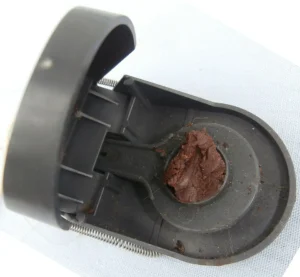
The smell is strong and travels well. Rats have an excellent sense of smell, and they can detect peanut butter from quite a distance. This attracts them to the trap in the first place.
It’s high in protein and fat, which rats need for energy and survival. In the wild, rats seek out nutrient-dense foods, and peanut butter fits that profile perfectly.
Peanut butter is also cheap and available everywhere. You don’t need to buy anything special, just use what you probably already have in your pantry.
How to Use Peanut Butter Effectively
You don’t need a lot of peanut butter to bait a trap. A small dab about the size of a pea is usually enough.
Put it directly on the trigger plate, the part of the trap the rat needs to step on. This forces the rat to position itself right where the trap will strike.
Some people mix bird seed or oats into the peanut butter to make it even more attractive. The seeds add texture and extra scent that can lure rats from farther away.
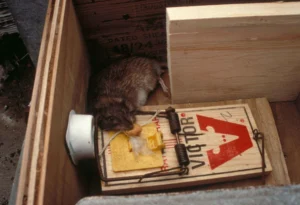
Don’t pile on too much bait. If you use a big glob of peanut butter, a smart rat might lick around the edges without putting enough weight on the trigger to set it off.
Fresh peanut butter works better than old, dried-out stuff. The oils in fresh peanut butter create a stronger smell. Replace the bait every few days if you’re not catching anything.
Bacon and Other Meats as Bait
Rats are omnivores, but they really like meat when they can get it. Bacon is particularly effective because it’s fatty and has a powerful smell.
Cook the bacon until it’s crispy, then break off a small piece to use as bait. The cooking process releases oils and creates that distinctive bacon smell that travels through the air.

You can tie the bacon to the trigger with thread or string so the rat can’t pull it off without setting off the trap. This is important because bacon isn’t sticky like peanut butter.
Other meats work too. Small pieces of cooked sausage, hot dogs, or beef jerky can all attract rats. The key is using something with a strong smell and enough fat content to be appealing.
Raw meat can work, but it’s messier and will start to smell bad quickly if you don’t catch a rat right away. Cooked meats are usually a better choice.
Nuts and Seeds That Rats Love
In their natural habitat, rats eat a lot of nuts and seeds. These foods are familiar to them and trigger their natural foraging instincts.
Sunflower seeds are very effective. You can use them with or without the shell, but seeds with shells might work better because rats have to work at them, keeping them on the trap longer.
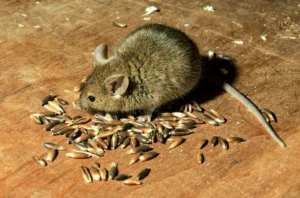
Pumpkin seeds are another good option. They’re big enough to see easily and have a smell that attracts rats.
Almonds, walnuts, and peanuts in the shell all work well. You can crack them slightly so the smell gets out more easily, but leave them intact enough that the rat has to sit on the trap to work on them.
Mix different nuts together to create more scent variety. This can be especially helpful if you’re not sure what the rats in your area prefer.
Dried Fruits and Their Appeal
Dried fruits are concentrated sources of sugar and energy, which makes them very attractive to rats. The drying process intensifies the smell and flavor.
Raisins are probably the most commonly used dried fruit for rat bait. They’re small, easy to attach to a trap, and rats find them irresistible.
Dried apricots, dates, and prunes also work well. You can cut them into small pieces and stick them to the trigger plate.
The sticky texture of many dried fruits helps keep them on the trap. Rats have to pull and chew to get them off, which increases the chance they’ll trigger the mechanism.
If you’re using dried fruits, check your traps more often. In humid environments, they can get moldy pretty quickly, and rats won’t eat moldy food.
Chocolate as an Effective Attractant
Rats are attracted to chocolate for the same reasons humans are: it smells good and tastes sweet. The fat and sugar content makes it a high-energy food source.
Use chocolate with nuts if possible, like Snickers bars or peanut M&Ms. This combines the appeal of chocolate with the protein and fat from nuts.
Chocolate chips work fine too. Put a few on the trigger plate so the rat has to climb on to get them.
In warm weather, chocolate can melt and get messy. It’ll still work as bait, but it’s harder to handle. In cooler temperatures, it stays solid and is easier to use.
Dark chocolate has a stronger smell than milk chocolate and might be slightly more effective, but honestly, rats aren’t picky. They’ll go for any chocolate you give them.
Pet Food Options for Bait
If you have pets, you already have good rat bait in your house. Both dog and cat food attract rats because they’re designed to be appealing to animals.
Dry pet food (kibble) works better than wet food for trapping. It doesn’t spoil as quickly, doesn’t create a mess, and you can wedge it into the trap mechanism.
For snap traps, you can tie a piece of kibble to the trigger with dental floss or string. This forces the rat to work at it and keeps it on the trigger plate.
Cat food tends to be higher in protein than dog food, which might make it slightly more effective. But honestly, both work fine.
Some people soak dry pet food in water or broth to make it smellier. This can help attract rats from farther away, but it also makes the bait messier.
Cheese: Does It Really Work?
Everyone thinks of cheese when they think of rat bait, probably because of cartoons and old movies. But cheese isn’t actually the best choice.
Rats will eat cheese if it’s available, but they don’t prefer it over other options. It’s not as attractive to them as foods higher in protein or fat.

If you do use cheese, choose strong-smelling varieties like aged cheddar or Swiss. The stronger the smell, the better it works.
Soft cheeses like cream cheese can work because they’re sticky and hard to remove from the trigger plate. But again, peanut butter does this job better.
Hard cheeses can dry out quickly, especially in dry environments. Dried-out cheese loses its smell and becomes much less effective.
What About Bread and Grains?
Bread can work as bait, but it’s not the most effective option. Rats will eat it if they’re hungry, but they prefer foods with more nutritional value.
If you use bread, choose something with nuts or seeds in it to make it more appealing. Bread with peanut butter spread on it combines the best of both options.
Whole grains like oatmeal or wheat berries can attract rats. You can mix them with peanut butter to create a combination bait that’s both sticky and appealing.
Bread gets moldy quickly in humid conditions, so check and replace it often if it’s not working. Moldy bread might actually repel rats instead of attracting them.
Toast works better than soft bread because it’s drier and easier to handle. You can break it into pieces and wedge them into the trap mechanism.
Creating Combination Baits
Sometimes the most effective approach is combining different types of bait. This creates multiple scents and appeals to different preferences.
Peanut butter with sunflower seeds mixed in gives you stickiness, protein, and the appeal of seeds all in one. This is one of the most effective combinations.
Bacon pieces wrapped around a nut or seed tied to the trigger gives you both meat appeal and the difficulty of getting something that’s secured.
Chocolate chips pressed into peanut butter combines sweet and protein. The chocolate adds extra scent while the peanut butter keeps everything in place.
Dried fruit mixed with nuts creates a trail mix effect that appeals to rats’ natural foraging behavior. They’re used to finding these foods together in nature.
How Often to Change Your Bait
Fresh bait works better than old, dried-out bait. Rats are attracted by smell, and as bait ages, it loses its scent.
Check your traps daily if possible. If the bait is still there but you haven’t caught anything after two or three days, replace it with fresh bait.
Peanut butter can dry out and harden, especially in dry climates. When this happens, it loses a lot of its smell and becomes less effective.
Meats and other perishable foods can spoil and start to smell bad (to us) pretty quickly. While the smell might still attract rats, it creates an unpleasant situation for you.
In hot weather, change bait more frequently. Heat speeds up the process of oils going rancid and food spoiling.
Matching Bait to Your Rat Species
Different rat species have slightly different preferences. Norway rats (the most common in North America) are less picky and will eat almost anything.

Roof rats (also called black rats) tend to prefer fruits, nuts, and vegetables over meats. If you’re dealing with roof rats, dried fruits might work better than bacon.

Wood rats have different preferences depending on their specific habitat. They often prefer nuts, seeds, and plant material.
If you’re not sure what species you’re dealing with, start with peanut butter since it appeals to all of them. If that doesn’t work, try switching to fruit-based baits or meat-based baits.
Location also matters. Rats living near restaurants might be used to eating meat scraps and might prefer bacon. Rats living in agricultural areas might prefer grains and seeds.
Scent Enhancers and Attractants
Some people add extra scents to their bait to make it more attractive. A few drops of vanilla extract mixed with peanut butter can create a stronger smell.
Anise oil is another option. It has a strong, sweet smell that some people swear attracts rats. Add just a drop or two to your bait.
Bacon grease can be drizzled over other baits to add a meaty smell. This works especially well with bread or nuts.
Commercial rat attractants are available at some pest control stores. These are usually synthetic scents designed to mimic foods rats find appealing.
Don’t go overboard with scents, though. Too much of a strong smell can actually repel rats instead of attracting them. They’re cautious animals and suspicious of anything that seems unnatural.
Baits to Avoid
While rats will eat almost anything when desperate, some foods don’t work well as trap bait. Anything without much smell won’t attract rats from a distance.
Plain rice or pasta won’t create enough scent to draw rats in. These foods are also too easy to steal without triggering the trap.

Very watery foods like fruits with high water content (watermelon, grapes) make a mess and don’t stay on the trap well. They also don’t have concentrated enough scents.
Spicy foods might seem like they’d create a strong smell, but rats actually avoid capsaicin (the chemical that makes peppers hot). Don’t use hot sauce or spicy seasonings.
Anything with a chemical smell like artificial sweeteners or highly processed foods with lots of additives might make rats suspicious. They prefer natural-smelling foods.
Testing Different Baits to Find What Works
If one type of bait isn’t working after a few days, don’t be afraid to switch to something else. Every rat population is different.
Try peanut butter first since it’s the most universally effective. If you’re not getting results after three or four days, switch to bacon or dried fruit.
Set multiple traps with different baits to see which one rats prefer in your area. This speeds up the process of finding what works.
Keep notes on which baits catch rats and which ones don’t. This information helps you get better results faster if you need to set traps again in the future.
Sometimes rats avoid traps not because of the bait, but because of where the trap is located. If you’ve tried multiple baits without success, consider moving the trap to a different location.
Conclusion
The best bait for rat traps is peanut butter because it’s sticky, smells strong, and contains the protein and fat that rats crave. But other options like bacon, nuts, dried fruits, chocolate, and pet food can also work very well depending on what rats in your area prefer.
Don’t be afraid to experiment with different baits or combine multiple foods to create something extra appealing. Fresh bait works better than old bait, so replace it every few days if you’re not catching anything.
The right bait, combined with good trap placement, will help you catch rats more quickly and solve your pest problem faster. Pay attention to what works in your specific situation and adjust your approach accordingly.

Hi, my name is Ezra Mushala, i have been interested animals all my life. I am the main author and editor here at snakeinformer.com.