
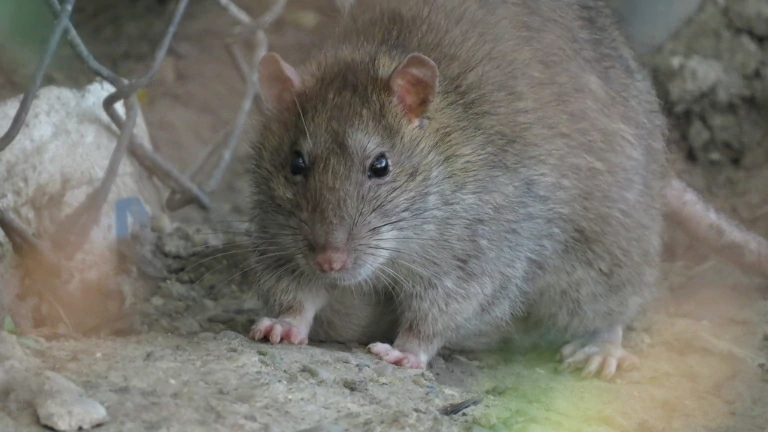
If you’ve ever gotten a close look at a rat’s teeth, you probably noticed something surprising. Instead of being white like human teeth, rat teeth are bright yellow or orange.
At first, you might think the rat has really poor dental hygiene or something is wrong. But actually, those yellow teeth are completely normal and healthy. So why do rats have yellow teeth instead of white ones?
Rats have yellow or orange teeth because of a hard substance called enamel that contains iron. This iron-rich enamel makes their teeth incredibly strong and helps them gnaw through tough materials. The yellow color is actually a sign of healthy, strong teeth in rats, not a dental problem.
White teeth would actually be a bad sign in a rat. It would mean the enamel is weak or worn away. The brighter and more orange-yellow a rat’s teeth are, the healthier they usually are.
This is totally different from how teeth work in humans and many other animals, but it’s perfectly normal for rats and other rodents.
The Iron in Rat Tooth Enamel
The yellow-orange color in rat teeth comes directly from iron deposits in the enamel. This isn’t just a little bit of iron either. Rat tooth enamel has really high iron content compared to other animals.
Enamel is the hard outer layer of a tooth that protects the softer inner parts. In humans, enamel is made mostly of calcium and phosphate minerals that appear white.
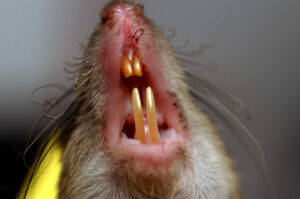
In rats and other rodents, the enamel has iron compounds built right into its structure. These iron compounds are what give the teeth that distinctive yellow to orange color.
The iron isn’t just there for color. It actually makes the enamel much harder and more resistant to wear. Rats need super strong teeth because they’re constantly gnawing on hard materials.
Different rats have slightly different shades of yellow or orange teeth. Some are pale yellow, others are deep orange. The exact shade depends on how much iron is in that individual rat’s enamel.
As rats age, their teeth might get darker and more orange. This is because more iron gets deposited into the enamel over time. Darker teeth in older rats are usually a sign the teeth are well-maintained and strong.
Why Rats Need Such Strong Teeth
Rats have teeth that never stop growing throughout their entire life. This is called continuous growth, and it’s a trait shared by many rodents.
Because their teeth grow constantly, rats need to wear them down by gnawing on things. If they don’t, their teeth will get too long and cause serious health problems.
The iron-rich enamel makes rat teeth hard enough to gnaw through some really tough stuff. Rats can chew through wood, plastic, soft metals, and even concrete in some cases.
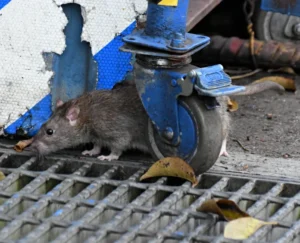
Wild rats use their strong teeth to access food sources that other animals can’t get to. They can gnaw through walls, burrow into the ground, crack open nuts and seeds, and tear apart tough plant materials.
Pet rats need things to chew on constantly to keep their teeth at the right length. This is why you’ll see pet rats gnawing on cage bars, wooden toys, and anything else they can get their teeth on.
The iron in their teeth prevents excessive wear. Without it, all that gnawing would wear the teeth down faster than they could grow. The iron-reinforced enamel means the teeth stay sharp and functional.
This is also why rats can bite so hard if they want to. Their teeth are incredibly strong and can cause serious injuries if a rat decides to really bite down.
How Rat Teeth Are Different From Human Teeth
Rat teeth and human teeth are built completely differently, which explains why they look so different.
Humans have teeth that grow once and then stop. We get baby teeth that fall out, then permanent teeth that have to last our whole life (unless we get dentures or implants).
Rats’ teeth grow continuously at a rate of about 4-5 inches per year. They’re constantly being worn down by gnawing, and constantly growing to replace what’s worn away.
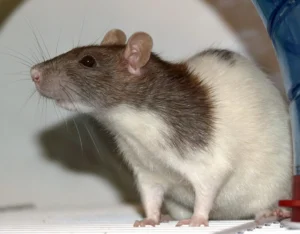
Human tooth enamel is mostly calcium-based and appears white or off-white. Rat tooth enamel has iron built in and appears yellow-orange.
We have different types of teeth (incisors, canines, molars) designed for cutting, tearing, and grinding food. Rats mainly use their big front incisors for everything and have molars in the back for chewing.
The shape is different too. Rat incisors are curved and chisel-shaped, perfect for gnawing. Human incisors are flatter and more square-shaped.
Human teeth are rooted in the jaw and don’t keep growing. Rat incisors have open roots that allow continuous growth throughout the rat’s life.
The Color as a Health Indicator
In rats, tooth color actually tells you important information about the animal’s health and age.
Bright yellow or orange teeth are a sign of good health. The iron is being deposited properly and the enamel is strong.
Pale yellow or whitish teeth can indicate a problem. It might mean the rat isn’t getting proper nutrition, the teeth aren’t developing correctly, or the enamel is wearing away too fast.
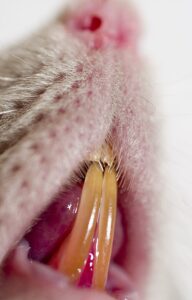
Very young baby rats (pups) start with lighter colored teeth that darken as they grow. By the time they’re adults, the teeth should be a good strong yellow-orange.
If a rat’s teeth suddenly start looking paler, it could be a sign of illness or nutritional deficiency. This is something to watch for in pet rats.
Uneven coloring where one tooth is darker than the other might indicate that tooth is getting worn differently or there’s an injury.
Teeth that are too dark, almost brown, might be overgrown or might indicate the rat is very old. While darker can be normal, extremely dark teeth should be checked by a vet.
White spots on the teeth could be areas where the enamel is damaged or worn through. This needs veterinary attention because it can lead to tooth problems.
What It Means When Rat Teeth Are White
If you see a rat with completely white teeth, something is definitely wrong. This isn’t normal or healthy for rats.
White teeth usually mean the iron-rich enamel has worn away completely. You’re seeing the dentin underneath, which is the softer inner layer of the tooth.
Without the protective enamel, the teeth are much weaker and will wear down too quickly. This can lead to the teeth becoming too short or developing painful chips and breaks.
Nutritional deficiencies can cause white teeth. If a rat isn’t getting the minerals it needs, the teeth might not develop proper enamel.
Some genetic conditions can affect enamel formation. Rats with these conditions might have white or very pale teeth from birth.
Certain diseases, particularly those affecting mineral absorption, can lead to poor enamel quality and whitish teeth.
If your pet rat’s teeth are white or getting whiter, you need to see a vet who knows about small animals. This needs to be addressed before the teeth get damaged.
Tooth Growth and Maintenance in Rats
Understanding how rat teeth grow helps explain why the iron-rich enamel is so important.
Rat incisors grow from the base, pushing the older part of the tooth forward. The tip of the tooth is the oldest part, and the base near the gums is the newest.
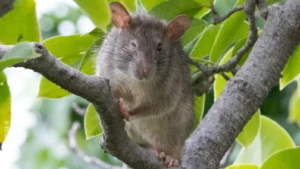
As the tooth grows, new enamel is formed at the base. This new enamel gets its iron content as it develops.
The constant gnawing wears away the tip of the tooth. In a healthy rat, the rate of growth and the rate of wear stay balanced.
If a rat can’t gnaw enough, the teeth overgrow. They can curl around and grow into the rat’s face or mouth, causing terrible pain and making it impossible to eat.
If a rat gnaws on something too hard or has an injury, a tooth might break. The tooth will keep growing though, so breaks usually aren’t a huge problem unless they damage the root.
The iron in the enamel is strongest on the front surface of the incisors. The back surface has less iron and wears faster. This creates a chisel edge that stays sharp.
Rats need a varied diet and things to chew on to keep their teeth healthy. Hard foods, wooden toys, and mineral blocks all help with tooth maintenance.
Comparing Rat Teeth to Other Rodent Teeth
Rats aren’t the only animals with yellow teeth. Other rodents have similar tooth structure and coloring.
Mice have yellow-orange teeth just like rats, though they’re much smaller. The enamel has iron for the same reasons.
Hamsters, guinea pigs, and gerbils all have yellow or orange incisors. It’s a rodent thing, not specific to rats.

Beavers are famous for their orange teeth. They have even more iron in their enamel than rats do because they chew through trees all day.
Squirrels have yellow to orange teeth that help them crack open really hard nuts and seeds.
Some other animals that aren’t rodents also have colored teeth. Hippos have pink teeth from a different chemical compound, and some animals have greenish tinted teeth.
The specific shade and intensity of yellow-orange varies between rodent species based on exactly how much iron is in their enamel and what they need their teeth for.
Among all rodents though, the pattern is the same. Yellow to orange teeth are healthy, and white teeth indicate a problem.
Do All Rats Have the Same Tooth Color?
While all healthy rats have yellow-orange teeth, there’s actually quite a bit of variation in the exact shade.
Wild rats often have very dark orange teeth, almost brown-orange. This is because they’re constantly gnawing on tough materials and their teeth are heavily used.
Pet rats might have lighter yellow teeth, especially if they eat softer foods and don’t gnaw as much on really hard materials.
Younger rats generally have lighter colored teeth that darken with age. A 6-week-old rat will have paler teeth than a 2-year-old rat.
Diet can influence tooth color slightly. Rats that eat foods rich in iron might develop slightly darker teeth.
There doesn’t seem to be much difference in tooth color between male and female rats. Gender doesn’t really affect the iron content in the enamel.
Different rat breeds (like fancy rats vs wild-type rats) can have slight variations, but all healthy rats should have some degree of yellow-orange coloring.
If you have multiple rats, you might notice their teeth are all slightly different shades. This is normal as long as they’re all in the yellow-orange range.
Common Tooth Problems in Rats
Even with strong iron-reinforced enamel, rats can still develop dental problems that need attention.
Overgrown teeth are one of the most common issues. If a rat’s teeth don’t line up properly or the rat can’t gnaw enough, the teeth get too long.
Malocclusion is when the teeth don’t meet correctly. The top and bottom incisors should line up so they wear against each other. If they don’t, they won’t wear down properly.

Broken teeth can happen if a rat falls, gets in a fight, or gnaws on something too hard. Usually the tooth will keep growing and the break isn’t a big deal, but sometimes it can damage the root.
Tooth root abscesses are infections in the root of the tooth. These are painful and can cause the whole side of the rat’s face to swell up.
Retained tooth roots sometimes happen if a tooth breaks really badly. The root stays in place but doesn’t grow a new tooth properly.
Uneven wear can cause one tooth to be longer than the other. This usually happens because of injury or because the teeth aren’t aligned right.
All these problems need veterinary care. A vet can trim overgrown teeth, treat infections, and in some cases remove problematic teeth.
How to Keep Your Pet Rat’s Teeth Healthy
Taking care of your rat’s teeth isn’t complicated, but it does require providing the right things for them to chew on.
Wooden toys and blocks are great for gnawing. Make sure the wood is safe for rats (no cedar or pine which have harmful oils). Apple wood, kiln-dried pine, and hardwoods work well.
Mineral blocks or lava ledges give rats something hard to gnaw on and also provide minerals.
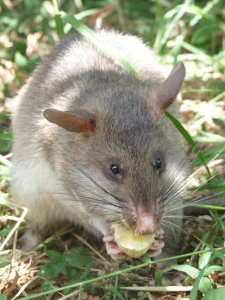
Hard dog biscuits or rat-specific hard treats help wear down teeth while also being enjoyable snacks.
Cardboard boxes and toilet paper tubes are softer options that rats love to shred. These don’t wear teeth as much but still provide gnawing opportunities.
Make sure your rat’s diet includes some hard foods like lab blocks or pellets. Soft food only doesn’t give enough gnawing action.
Check your rat’s teeth regularly. Once a week, gently look at the front teeth to make sure they’re the right length, aligned properly, and have good color.
If you notice the teeth are getting pale, too long, broken, or the rat seems to have trouble eating, get to a vet.
Never try to trim your rat’s teeth yourself unless you’ve been trained by a vet. It’s easy to hurt the rat or damage the tooth root if you don’t know what you’re doing.
Conclusion
Rat teeth are yellow-orange because of iron in their enamel, and this is perfectly healthy and normal. In fact, it’s a sign that the rat has strong, well-developed teeth that can handle all the gnawing rats need to do.
Understanding that yellow teeth are healthy in rats helps you avoid worrying unnecessarily if you get a pet rat. Those bright orange chompers aren’t a dental disaster. They’re actually exactly what they should be.
Paying attention to tooth color, length, and condition is part of being a good rat owner. Changes in any of these things can be early warning signs of health problems that need attention.
Next time you see a rat’s yellow teeth, you’ll know it’s not poor hygiene or neglect. It’s millions of years of evolution creating the perfect gnawing tools for one of the world’s most adaptable and successful animals.

Hi, my name is Ezra Mushala, i have been interested animals all my life. I am the main author and editor here at snakeinformer.com.