
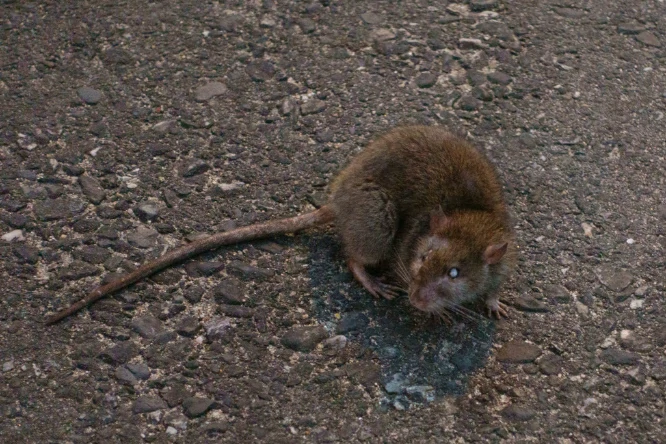
Rats have a pretty terrible reputation. Most people think of them as dirty, disease-carrying pests that live in sewers and garbage dumps.
If you mention you have pet rats, you’ve probably seen people make disgusted faces or ask “aren’t those gross?” This negative view of rats is deeply rooted in our culture and history. But are rats actually disgusting?
Rats aren’t inherently disgusting. Wild rats can carry diseases and live in unsanitary places, which has given all rats a bad reputation. However, pet rats are actually very clean animals that groom themselves constantly and can be litter trained. The disgust people feel toward rats is more about learned cultural attitudes and fear than about the actual cleanliness or behavior of the animals.
The idea that rats are disgusting is mostly a combination of historical associations, lack of education about actual rat behavior, and our natural tendency to fear things that move quickly and unpredictably.
The Historical Roots of Rat Disgust
Rats got their terrible reputation during the Black Plague in medieval Europe. People (incorrectly) blamed rats for spreading the disease, when it was actually the fleas on the rats that carried the bacteria.

This association between rats and death stuck around for centuries. Even though we now know the real cause of the plague, the cultural memory of “rats equal disease” is still strong.
During industrialization, rats thrived in crowded, dirty cities with poor sanitation. People saw them in trash heaps, sewers, and other nasty places, which reinforced the idea that rats themselves were dirty.
These historical connections created a deep-seated cultural disgust toward rats that gets passed down from generation to generation, even though most people today have never actually interacted with a rat.
Wild Rats vs Pet Rats: A Huge Difference
When people think rats are disgusting, they’re usually thinking about wild rats living in alleys, subways, or garbage dumps. And honestly, those rats can be pretty gross because of where they live.
Wild rats eat garbage, live in sewers, and come into contact with all kinds of bacteria, parasites, and diseases. They’re not dirty by choice, they’re just surviving in the environment available to them.
Pet rats are completely different. They’re bred specifically to be pets, they live in clean cages, eat controlled diets, and are handled regularly by humans.
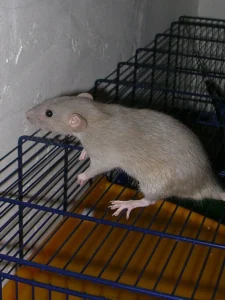
Comparing a pet rat to a wild sewer rat is like comparing a pet dog to a wild wolf. Yes, they’re related, but their living conditions and behavior are totally different.
How Clean Rats Actually Are
Here’s something that surprises most people: rats are actually obsessive groomers. They spend several hours each day cleaning themselves, similar to cats.
Rats groom their face, ears, body, tail, and feet constantly. If you watch a rat for even a few minutes, you’ll probably see them stop what they’re doing to clean themselves.

They also groom each other as a social bonding activity. Rats who live together will spend time grooming their cage mates, which helps keep the whole group clean.
In fact, rats are so clean that they’ll often refuse to walk through dirty or sticky substances. They avoid getting messy whenever possible.
The Litter Training Advantage
Unlike many small pets, rats can actually be litter trained. They naturally prefer to use the bathroom in specific spots, which you can take advantage of.
Most rats will pick one or two corners of their cage to use as a bathroom. Put a litter box in that spot, and they’ll usually start using it pretty consistently.
This means a well-maintained rat cage doesn’t smell bad. If you clean the litter box every day or two and do a full cage clean weekly, there’s minimal odor.
Compare this to hamsters or gerbils, who just go wherever they are and can’t be trained. Rats are actually cleaner pets in this regard.
Why Rats Smell (and How to Fix It)
If someone says rats are disgusting because they smell bad, they’re usually talking about poorly maintained cages, not the rats themselves.
Male rats do produce more odor than females because they mark their territory with urine. But even this can be managed with proper cage cleaning and, if needed, neutering.
Female rats and neutered males produce very little odor. If you keep their cage clean, they barely smell at all.
The smell people associate with rats is usually old urine in bedding that hasn’t been changed often enough, not the actual rat. Clean cage equals no smell.
The Tail Problem
One of the biggest reasons people find rats disgusting is their tail. The long, pink, scaly tail just looks weird and unsettling to many people.
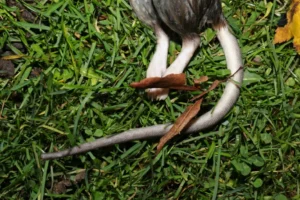
Rat tails are actually very useful. They help with balance, temperature regulation, and climbing. But because they’re hairless and look kind of like a snake, people have a visceral negative reaction.
This is partly evolutionary. Humans are naturally cautious around things that resemble snakes because snakes can be dangerous. Rat tails trigger that same instinctual response.
Once you understand that the tail is just a body part and serves important functions, it becomes less gross. Many rat owners actually think the tails are cute.
Disease Transmission: Real Risks vs Fears
Yes, wild rats can carry diseases like leptospirosis, hantavirus, and rat-bite fever. This is a legitimate concern with wild rat populations.
But pet rats from responsible breeders or pet stores are not carrying these diseases. They’re born in captivity, raised in clean conditions, and have minimal disease risk.
The biggest health risk from pet rats is actually salmonella, which many animals (including reptiles, chickens, and even cats and dogs) can carry. Basic hygiene like washing your hands after handling your rats prevents this.
You’re more likely to get sick from improperly cooked chicken than from a pet rat. The disease fear is way overblown when it comes to domestic rats.
Cultural Programming and Learned Disgust
Disgust is partly biological (we’re wired to avoid things that might make us sick) but it’s also largely learned from our culture.
Kids learn what’s “gross” by watching how adults react. If every adult around them says “eww, rats!” with a disgusted face, the kid learns to feel the same way.
In cultures where rats are seen more neutrally or even positively, people don’t have the same disgust response. The animal itself hasn’t changed, but the cultural context has.
This means rat disgust can actually be unlearned. Lots of people who were initially grossed out by rats completely changed their minds after actually meeting and interacting with friendly pet rats.
The Power of Personal Experience
Almost everyone who’s spent time with well-socialized pet rats comes away with a different opinion. It’s hard to maintain disgust when you’re watching a rat do something adorable like washing their face or playing with a toy.
Rats are smart, affectionate, and playful. They recognize their owners, come when called, and show genuine excitement when their favorite person comes home.
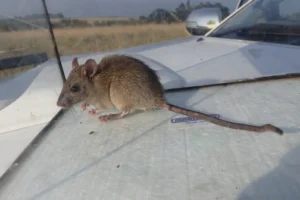
Once you experience a rat licking your hand affectionately (kind of like a tiny dog kiss) or falling asleep in your lap, it’s really hard to keep thinking of them as disgusting.
Personal experience overrides cultural programming almost every time. This is why rat owners get so frustrated when people judge rats without ever having met one.
Comparing Rats to Other Pets
If we’re being objective, rats aren’t any more disgusting than other common pets. Let’s compare:
Dogs roll in dead animals and eat poop sometimes. Cats lick their own butts and then lick your face. Birds fling their poop everywhere and shred their food into messy bits.
Every pet has some gross behaviors or characteristics if you look for them. But we overlook these things in animals we already like.
Rats groom themselves more than dogs do and use a litter box like cats. They’re actually pretty tidy as far as pets go.
The Media’s Role in Rat Reputation
Movies, TV shows, and news reports consistently show rats in the worst possible light. They’re almost always depicted as sewer creatures, disease carriers, or symbols of decay and poverty.
Think about how rats are shown in animated movies. They’re usually villains, sidekicks to villains, or living in garbage. It’s rare to see a rat portrayed positively in mainstream media.

This constant negative representation reinforces the disgust people already feel. It’s a cycle that keeps the bad reputation going.
The few positive rat characters that exist (like Remy from Ratatouille) are usually treated as exceptions. “Most rats are gross, but this particular rat is okay.”
Why Some People Stay Disgusted
Even with all this information, some people just can’t get past their disgust toward rats. And honestly, that’s okay. Not everyone has to like rats.
Some of this comes down to deep-seated phobias. A person with a genuine phobia of rats (musophobia) isn’t going to be convinced by facts and logic. Their fear and disgust is emotional, not rational.
Past traumatic experiences with rodents can also create lasting negative associations. If someone was bitten by a rat or had a scary encounter with mice as a child, they might never be comfortable around rats.
Personal preferences matter too. Some people just don’t like rodents in general, the same way some people don’t like dogs or cats. That’s a valid preference.
The Poop Factor
Let’s address this directly because it comes up a lot. Yes, rats poop. A lot. A single rat can produce dozens of droppings per day.
But rat poop is actually not that gross compared to other pet waste. The droppings are small, dry, and relatively odorless. They look like dark grains of rice.
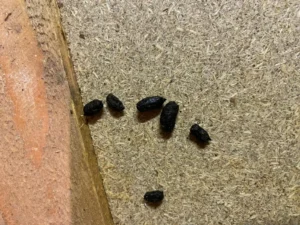
They’re way easier to deal with than dog poop, which is large, smelly, and needs to be picked up with a bag. Or cat litter boxes, which can really stink.
Most rat owners just sweep up the droppings during daily spot cleaning. It takes like two minutes and isn’t a big deal at all.
Teeth and Biting Concerns
Another thing that makes people find rats disgusting is their constantly growing front teeth. Those big orange or yellow teeth look strange and kind of scary.
Rats are rodents, which means their incisors never stop growing. They need to constantly chew on things to keep their teeth worn down to a proper length.
The color is normal. Rat teeth are supposed to be yellowish-orange because of the iron in the enamel, which actually makes them stronger.
As for biting, well-socialized pet rats rarely bite people. They might nibble gently to explore or taste something on your hand, but actual aggressive biting is uncommon.
The Urban Rat Problem vs Pet Rats
A lot of rat disgust comes from dealing with rat infestations in cities. Wild rats in urban areas are a legitimate pest problem that can cause property damage and spread disease.

But hating wild rats doesn’t mean you have to hate all rats. You can acknowledge that wild rats are a problem while still recognizing that pet rats are different animals living in completely different conditions.
It’s like being scared of bears in the wild while still thinking teddy bears are cute. Context matters.
Breaking Down the Disgust Response
When people feel disgusted by rats, what are they actually responding to? Usually it’s a combination of factors:
The tail (looks weird and snake-like), the association with dirt and disease (even if it’s not accurate), the way they move (quick and unpredictable), their size (big enough to seem threatening but small enough to hide), and cultural programming (being taught that rats are bad).
None of these things are really about the actual cleanliness or behavior of pet rats. They’re more about how rats look and the associations we have with them.
Understanding what’s actually triggering your disgust can help you work through it if you want to. Or at least understand why you feel that way.
The Intelligence Factor
One thing that often changes people’s minds about rats is learning how smart they are. Rats can learn their names, solve puzzles, and even learn tricks like dogs.
They have distinct personalities. Some are bold and adventurous, others are shy and cuddly. They form strong bonds with their owners and show affection.
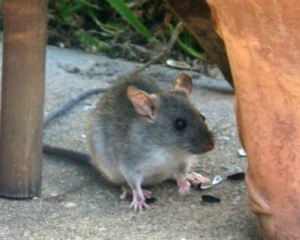
It’s harder to find an animal disgusting when you recognize it as an intelligent being with feelings and personality. Intelligence makes them relatable.
Many former rat-haters changed their minds after seeing videos of rats learning tricks or playing games. The intelligence makes them seem less like “pests” and more like actual pets.
Rat Ownership and Social Stigma
People who own rats often face judgment and disgust from others. Friends and family might refuse to visit, or make comments about how gross it is.
This social stigma can be really frustrating for rat owners who know how clean and loving their pets are. It’s based on ignorance, but it still affects real relationships.
Some rat owners hide their pets from people who might judge them. Others become passionate advocates, trying to change minds one person at a time.
The good news is that attitudes are slowly changing as more people share positive experiences with pet rats on social media and in their communities.
Health Benefits of Overcoming Rat Disgust
If you can get past the initial disgust, rats actually make excellent pets with some real benefits:
They’re affectionate and bond strongly with their owners. They’re smart and entertaining to watch and interact with. They’re relatively low-maintenance compared to dogs or cats.
For people with allergies, some find they can tolerate rats better than cats or dogs (though individual allergies vary).
Rats are also great starter pets for teaching kids about responsibility and animal care, as long as the adults in the house are okay with them.
When Disgust Is Actually Useful
Here’s the thing: disgust toward wild rats in your home or workplace is actually appropriate and useful. You shouldn’t want wild rats around your food or living space.
The disgust response motivates you to remove the rats and fix whatever attracted them (unsealed food, holes in walls, etc.). That’s a healthy response to an actual problem.
The issue is when that same disgust gets unfairly applied to pet rats who are clean, healthy, and living in appropriate conditions.
It’s okay to be disgusted by a wild rat in your kitchen while still being able to appreciate that someone else’s pet rat is a completely different situation.
Working Through Your Disgust
If you want to get over your rat disgust (maybe because your kid wants pet rats, or your partner has them), there are ways to gradually desensitize yourself.
Start by just looking at pictures of clean, cute pet rats. Not wild rats, not rats in gross situations, but healthy pet rats doing cute things.
Watch videos of rats being affectionate with their owners or doing tricks. This helps your brain start forming new associations.
If you have a friend with pet rats, visit them when the rats are in their cage. You don’t have to touch them, just observe from a safe distance.
Eventually, you might be able to let a rat sit on your arm or shoulder while you stay relaxed. Or you might not, and that’s okay too.
Conclusion
Rats aren’t inherently disgusting. The widespread disgust toward them comes from historical associations with disease, cultural programming, and the behavior of wild rats living in unsanitary conditions.
Pet rats are actually very clean animals who groom constantly, can be litter trained, and produce minimal odor when properly cared for. The disgust many people feel is based on misconceptions and lack of personal experience with domestic rats.
While not everyone needs to love rats or want them as pets, understanding the difference between wild and domestic rats, and recognizing how much of rat disgust is learned rather than rational, can help reduce the unfair stigma these intelligent, affectionate animals face.

Hi, my name is Ezra Mushala, i have been interested animals all my life. I am the main author and editor here at snakeinformer.com.