
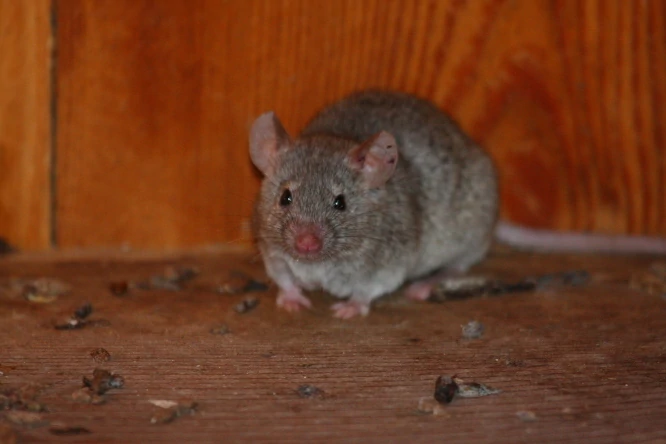
If you’ve ever watched a mouse closely, you might have noticed its tail doing something strange. The tail will sometimes shake, vibrate, or whip back and forth rapidly.
This tail vibrating isn’t random movement. It’s actually a specific behavior that mice use to communicate and respond to their environment. So why do mice vibrate their tails?
Mice vibrate their tails as a warning sign when they’re agitated or threatened, to communicate with other mice during social interactions, and sometimes during mating behavior. The vibrating motion sends both visual and vibration signals that other mice can detect, helping them communicate without making noise.
Tail vibrating is one of many ways mice “talk” to each other. Unlike vocal sounds that predators might hear, tail movements are a quieter form of communication that helps mice stay safe while still getting their message across.
Understanding what tail vibrating means helps you figure out what a mouse is feeling and what it might do next.
Tail Vibrating as a Warning Signal
The most common reason mice vibrate their tails is to warn other mice about danger or to show they’re upset or defensive.
When a mouse feels threatened but doesn’t want to run away immediately, it might stand its ground and vibrate its tail rapidly. This is like saying “I’m not happy about this situation” or “back off.”
The vibrating tail is often accompanied by other defensive body language. The mouse might stand up on its hind legs, puff up its fur slightly, or position itself sideways to look bigger.
This warning behavior is especially common when mice encounter each other in territorial disputes. A mouse protecting its food, nest, or territory will often vibrate its tail at an intruder before resorting to actual fighting.
Social Communication Between Mice
Mice use tail vibrating as part of their complex social communication system. When mice interact with each other, their tails are constantly sending signals.
During social grooming or when two familiar mice meet, you might see gentle tail movements or soft vibrating. This is different from the aggressive warning vibration and indicates friendly social interaction.

Young mice especially use tail vibrating when playing with siblings. The tail movements help coordinate play behavior and signal intentions without needing to make sounds that might attract predators.
Mother mice sometimes vibrate their tails when interacting with their babies. This might be to get the babies’ attention or to guide them in certain directions.
Mating Behavior and Tail Vibrating
Male mice will often vibrate their tails during courtship and mating behavior. This is part of how they communicate sexual interest to female mice.
When a male mouse is interested in a female, he’ll follow her around and his tail might vibrate or shake as he approaches. This vibrating is different from aggressive tail movements because it comes with other courtship behaviors like trying to sniff the female and making ultrasonic vocalizations.
Female mice can also vibrate their tails in response to males, though this is less common. The tail movements might signal either receptiveness or rejection depending on the other body language that goes with it.
During actual mating, both males and females might show tail movements, though these are usually more about balance and positioning than communication.
Excitement and Arousal
Mice will sometimes vibrate their tails when they’re excited or highly stimulated. This isn’t aggressive or sexual, it’s just a response to something interesting happening.
You might see this when introducing new food that the mouse really likes, when setting up new toys or enrichment items, or when the mouse discovers something novel in its environment.
The tail vibrating in these situations seems to be an overflow of energy or excitement. It’s similar to how some dogs wag their tails so hard when excited that their whole back end shakes.
This type of tail vibrating is usually brief and comes with other excited behaviors like rapid sniffing, quick movements, and active exploration.
Balance and Navigation
While not exactly vibrating, mice use subtle tail movements constantly for balance and navigation. As they move around, the tail acts like a counterweight and rudder.
When mice are climbing or walking along narrow surfaces, you’ll see the tail moving and adjusting constantly. These movements help the mouse stay balanced and can look like vibrating if the movements are rapid.
This is functional tail movement rather than communicative tail movement, but it’s still important to understand. Not every tail movement you see is the mouse trying to send a message.
Stress and Anxiety Indicators
Stressed or anxious mice might vibrate their tails as part of their overall stress response. This is different from the deliberate warning vibration and more like an involuntary response to being overwhelmed.
Mice in new environments, being handled by unfamiliar people, or dealing with other stressors might show tail vibrating along with other stress signs like freezing in place, trying to escape, or excessive grooming.
If you’re handling a pet mouse and notice tail vibrating along with other stress signs, it’s a good idea to put the mouse back in a safe space and let it calm down.
How Tail Vibrating Creates Vibration Signals
The reason tail vibrating is such an effective communication method is because mice can detect vibrations through the ground and through surfaces they’re standing on.
When a mouse vibrates its tail rapidly, especially if the tail is touching the ground or a surface, it creates tiny vibrations that other mice can feel through their feet and whiskers.
This allows mice to communicate even in complete darkness or when they can’t see each other directly. The vibration signal travels through the substrate and alerts nearby mice to the sender’s emotional state.
Mice have very sensitive whiskers and footpads that can detect these subtle vibrations. This makes tail vibrating a highly effective communication method in the tight, dark spaces where mice often live.
Territorial Defense and Tail Signals
When mice are defending territory, tail vibrating plays a big role in the confrontation process. Before mice actually fight, they go through several escalating warning behaviors.
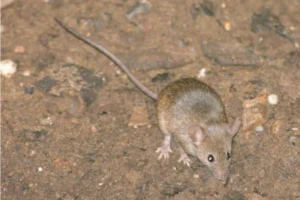
Tail vibrating is often one of the first warnings. If the intruding mouse doesn’t back down, the defending mouse will escalate to more aggressive displays like lunging, boxing with front paws, or actual biting.
In many cases, the tail vibrating alone is enough to make a less dominant mouse back down and leave the area. This helps both mice avoid actual physical fighting, which could injure both of them.
Territory-holding mice will patrol their space and might vibrate their tails periodically as a way of marking and defending their area even when no immediate threat is present.
Age and Individual Differences
Not all mice vibrate their tails with the same frequency or intensity. Individual personality and age both play roles.
Older, more dominant mice tend to use tail vibrating more often as a warning signal because they’re more confident and more invested in defending resources and territory.
Young mice are still learning social behaviors and might vibrate their tails inappropriately or at odd times as they figure out how this communication method works.
Some individual mice are just more “chatty” with their tails than others, similar to how some people talk more than others. These mice might vibrate their tails frequently even in situations where other mice wouldn’t.
Wild Mice vs Pet Mice
Wild mice and pet mice both vibrate their tails, but you might see differences in when and how often they do it.
Wild mice tend to be more skittish and defensive, so they might show more warning-type tail vibrating. They’re constantly on alert for predators and other threats, which makes them more reactive.
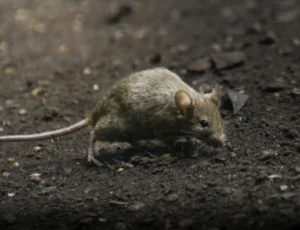
Pet mice who are well-socialized and comfortable with humans might rarely show warning tail vibrations around their owners. They reserve this behavior for interactions with other mice or when something genuinely startles them.
However, even friendly pet mice will use tail vibrating when communicating with other mice in their cage. This behavior is hardwired and doesn’t go away just because the mouse is domesticated.
What Other Tail Movements Mean
Beyond vibrating, mice use their tails in other ways that are worth understanding.
A tail held straight up while the mouse walks is often a sign of confidence or excitement. Mice exploring new territory or feeling good about their environment will often walk with tails up.
A tail tucked close to the body usually indicates fear or submission. A mouse trying to make itself small and non-threatening will pull its tail in tight.
Whipping the tail side to side rapidly (rather than vibrating) is often a sign of irritation or agitation. This is different from vibrating and usually comes right before the mouse tries to escape or becomes aggressive.
Health Issues Can Affect Tail Movement
Sometimes abnormal tail movements can indicate health problems. If a mouse’s tail is shaking or moving involuntarily in ways that seem different from normal communication, it might be a medical issue.
Neurological problems can cause uncontrolled tail movements or tremors. These look different from deliberate tail vibrating because they’re irregular and the mouse can’t seem to control them.
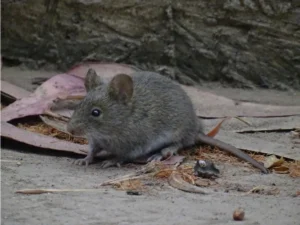
If a mouse’s tail is vibrating constantly, even when the mouse is resting or sleeping, that’s not normal communication behavior and might indicate pain, neurological issues, or other health problems.
Injuries to the tail itself can also cause unusual movements. If the tail was caught in something or bitten by another mouse, it might move strangely during the healing process.
Observing Tail Vibrating in Context
To really understand what a mouse’s tail vibrating means, you need to look at the whole situation and the mouse’s other body language.
A mouse with a vibrating tail that’s also standing tall, has its ears forward, and is facing toward something is probably giving a warning or showing defensive behavior.
A mouse with a vibrating tail that’s also sniffing excitedly, moving around rapidly, and showing interest in food or new objects is probably just excited.
A mouse with a vibrating tail that’s also trying to get away, has flattened ears, or is very still is probably stressed and wants to escape the situation.
Context is everything. The same tail movement can mean different things depending on what else is happening and what the rest of the mouse’s body is doing.
Can You Train Mice to Stop Tail Vibrating?
You can’t really train a mouse to stop communicating with its tail, and you wouldn’t want to. Tail vibrating is a natural, important behavior that mice need for social communication.
However, you can reduce stress-related or warning tail vibrating by making sure your pet mouse feels safe and comfortable. A mouse that feels secure in its environment won’t need to send warning signals as often.
Proper handling, consistent routines, and a good living environment will all help reduce stress-based tail vibrating. The mouse will still use tail signals when interacting with other mice, but it won’t feel the need to warn you away.
Tail Vibrating in Different Mouse Species
Different species of mice might show slightly different tail vibrating behaviors, though the basic pattern is similar across most mouse species.
House mice (the most common pet mice) are well-studied and show clear tail vibrating during social interactions, territorial disputes, and mating.
Deer mice and white-footed mice also use tail vibrating, though they might be more reserved about it since they’re generally more solitary than house mice.
The intensity and frequency of tail vibrating can vary between species based on their social structure and how much time they normally spend around other mice.
Conclusion
Mice vibrate their tails primarily as a communication signal to other mice. The vibrating can mean different things depending on context: it might be a warning to back off, a signal during social interaction, part of mating behavior, or a response to excitement.
The tail movements create both visual and vibration signals that other mice can detect, making this an effective way to communicate in dark or confined spaces where mice often live.
Understanding tail vibrating helps you read a mouse’s mood and intentions. Whether you’re observing wild mice or caring for pet mice, paying attention to tail signals gives you valuable information about what the mouse is experiencing.
This behavior is natural and important for mouse communication, and it’s just one of many ways these small animals interact with their world and each other.

Hi, my name is Ezra Mushala, i have been interested animals all my life. I am the main author and editor here at snakeinformer.com.