
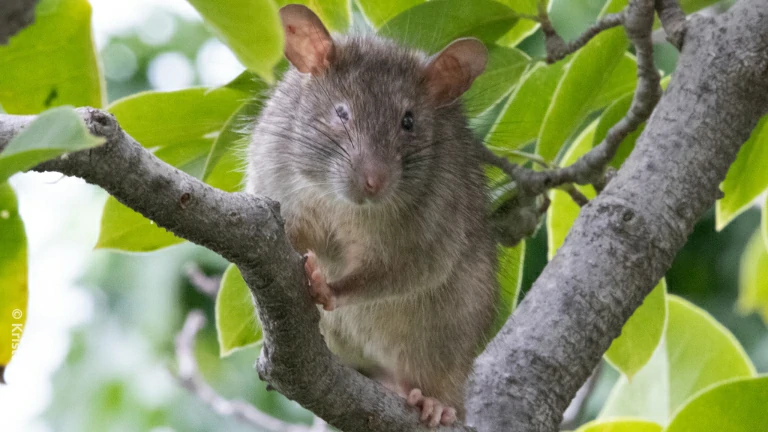
Rats are small animals, usually no bigger than a squirrel, yet they trigger intense fear in millions of people. Some people freeze when they see a rat, others scream and run, and many can’t even look at pictures of them without feeling uneasy.
It’s one of the most common phobias in the world, but when you think about it, rats aren’t really dangerous to most people. So what’s the deal? Why are people scared of rats?
People are scared of rats because of deep-rooted cultural associations with disease, filth, and danger. Historical plagues, negative portrayals in media, unpredictable movements, and disgust responses all contribute to rat phobia. Additionally, rats invade personal spaces, carry diseases, and trigger instinctive fear responses that evolved to protect humans from potential threats.
The fear of rats isn’t just about the animal itself. It’s a mix of learned behavior, cultural messaging, real health risks, and instinctive reactions that have built up over centuries.
Understanding why rats scare us can help explain why this fear is so common and so intense.
Historical Association with Disease and Death
One of the biggest reasons people fear rats is their historical connection to disease and death.
Rats were blamed for spreading the bubonic plague (the Black Death) in the 1300s, which killed millions of people across Europe.

While we now know that fleas carried the disease, not rats themselves, the association stuck. For centuries, rats became symbols of death and plague.
Even today, people associate rats with disease. They’re known to carry illnesses like leptospirosis, hantavirus, salmonella, and rat-bite fever.
While most people won’t get sick from seeing a rat, the knowledge that they can spread disease makes people instinctively afraid.
This historical baggage runs deep. Stories, folklore, and cultural memory have passed down the idea that rats are dangerous, and that fear gets reinforced in every generation.
Rats Are Seen as Dirty and Gross
Rats have a reputation for being dirty, and that triggers a strong disgust response in many people.
Rats live in sewers, garbage dumps, and other filthy places. They crawl through trash, eat rotting food, and leave droppings everywhere they go.
Even clean pet rats can’t shake this association because wild rats are what most people think of.

Disgust is a powerful emotion. It’s designed to protect us from things that might make us sick, like spoiled food or contaminated water.
When people see rats, their brains automatically trigger a disgust response, which makes them want to get away.
This disgust is often stronger than fear of actual danger. People might be more grossed out by a rat than scared of it, but that disgust still makes them avoid rats at all costs.
Rats Invade Personal Spaces
Another reason people fear rats is that they invade the places we consider safe and private.
Rats get into homes, basements, attics, and even bedrooms. They chew through walls, hide in furniture, and leave droppings in kitchens.
When a rat shows up in your house, it feels like a violation of your personal space.
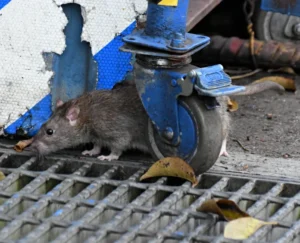
This invasion triggers anxiety because your home is supposed to be a safe zone. If rats can get in, what else can? The idea of rats crawling around while you sleep is deeply unsettling to most people.
Rats also show up in unexpected places. You might see one dart across the subway platform, pop out of a trash can, or scurry across the sidewalk at night.
These surprise encounters make the fear worse because you never know when or where a rat might appear.
Unpredictable and Sudden Movements
Rats move in ways that startle people.
They’re fast, jerky, and unpredictable. A rat can be sitting still one second and then dart across the floor in a split second.
This sudden movement triggers a startle response in humans, which kicks off the fight-or-flight reaction.
Our brains are wired to react to fast, unexpected movements because they could signal danger.
Even if we logically know a rat isn’t a serious threat, our instincts take over and make us jump or recoil.
Rats also scurry low to the ground, which makes them harder to track. You might lose sight of one in a second, and not knowing where it went adds to the anxiety.
Cultural and Media Portrayals
Movies, TV shows, books, and folklore have shaped how we see rats, and most of those portrayals are negative.
Rats are often depicted as creepy, evil, or dangerous in media. Think about horror movies where rats swarm over people, or cartoons where rats are sneaky villains.
These images stick in our minds and reinforce the idea that rats are something to be afraid of.
Fairy tales and folklore also paint rats as pests or symbols of decay. The Pied Piper story is about a town overrun by rats, and the rats are portrayed as a plague that needs to be eliminated.
Even when rats are portrayed neutrally or positively (like in Ratatouille), the default cultural assumption is still that rats are gross and scary.
It takes a lot of effort to override that messaging.
Rats Look Alien to Many People
For some people, the physical appearance of rats is unsettling.
Rats have long, hairless tails that many people find creepy. The tail looks slimy or snake-like, even though it’s actually dry. This tail is one of the most commonly cited reasons people find rats disgusting.
Rats also have large front teeth that are always visible. These teeth keep growing, so rats constantly chew on things to keep them trimmed.
The sight of those teeth can make people think of biting or gnawing, which adds to the fear.
Their beady eyes and twitchy whiskers can also seem unnerving. Rats are always sniffing, twitching, and moving, which makes them seem jittery and unpredictable.
For people who aren’t used to seeing rats up close, the overall appearance can trigger an “uncanny” feeling, like the animal looks familiar but also wrong.
Fear of Being Bitten
People are scared that rats will bite them, and that’s a reasonable concern.
Rats can bite if they feel threatened or cornered. Their teeth are strong and sharp, and a rat bite can be painful.
Rat bites can also get infected or transmit diseases like rat-bite fever.

Even though most rats will run away from humans rather than attack, the possibility of being bitten makes people cautious. If you corner a rat or try to grab it, there’s a good chance it’ll defend itself.
The fear of being bitten is especially strong for people who’ve heard stories about aggressive rats or seen videos of rats attacking.
These stories stick in people’s minds and make them more fearful.
Rats Are Associated with Poverty and Neglect
Rats are often seen as a sign of poverty, neglect, or poor living conditions, and that stigma adds to the fear.
If you’ve got rats in your home, it can feel like a failure to keep your space clean and safe. People worry about what others will think if they find out about a rat problem.
Neighborhoods with visible rat populations are often seen as run-down or undesirable. This association makes people fear rats not just as pests, but as symbols of decay and decline.
This stigma isn’t fair, because rats can show up anywhere, even in clean, well-maintained homes. But the association is strong, and it adds an emotional layer to the fear.
Childhood Experiences Shape Fear
Many people’s fear of rats started in childhood, and those early experiences can have a lasting impact.
If a child sees an adult scream or panic when they see a rat, the child learns that rats are something to be scared of. Kids pick up on their parents’ reactions and internalize them.
Bad experiences with rats in childhood can also create lasting fear. If a kid had a rat run over their foot, or found one in their bed, or got bitten, that memory can stick with them for life.
Even indirect experiences matter. Hearing scary stories about rats, watching movies with creepy rat scenes, or being told that rats are dangerous can all plant the seeds of fear.
Rats Represent Loss of Control
Rats are hard to get rid of, and that creates a sense of helplessness.
If you’ve got rats in your home, you might set traps, use poison, and seal up holes, but the rats keep coming back. This ongoing struggle makes people feel like they’ve lost control of their own space.

Rats are smart and adaptable. They learn to avoid traps, find new ways into buildings, and outsmart people’s efforts to get rid of them.
This intelligence makes them frustrating to deal with and adds to the fear.
The feeling of being unable to protect your home from rats can be deeply stressful. It’s not just about the rats themselves, but about what they represent: a loss of control over your environment.
Instinctive Fear Response
Some level of fear toward rats might be instinctive.
Humans evolved to be cautious around small, fast-moving animals that could carry disease or contaminate food. Rats fit that profile perfectly.
While there’s no evidence that humans are born with a specific fear of rats, we are wired to develop fears based on survival. Rats are associated with germs, bites, and contamination, so it makes sense that we’d develop a fear of them.
This instinctive caution is reinforced by culture, personal experiences, and learned behavior, which turns a mild aversion into a full-blown phobia for some people.
Rats Are Everywhere
Part of what makes rats scary is that they’re so common.
You can avoid spiders by staying out of certain areas. You can avoid snakes by not going into the wild. But rats are everywhere: cities, suburbs, farms, parks, and even inside homes.

The fact that rats are so widespread makes them harder to avoid, and that constant possibility of encountering one keeps the fear alive.
If rats were rare, people might not be as scared. But because they’re such a common part of daily life in many places, the fear gets reinforced over and over.
Rats Are Active at Night
Rats are nocturnal, which means they’re most active when it’s dark, and that adds to the fear.
There’s something unsettling about knowing rats are moving around while you sleep. You might hear scratching in the walls or ceiling at night, and not being able to see what’s making the noise makes it scarier.
Nighttime also makes rats harder to spot and avoid. If you walk into a dark kitchen and see a rat dart across the floor, the surprise and darkness amplify the fear.
Humans are naturally more anxious in the dark, and rats take advantage of that by being most active when we’re least alert.
Fear of Contamination
People are scared that rats will contaminate their food, water, and living spaces.
Rats pee and poop everywhere they go, and they don’t clean up after themselves. If a rat walks across your counter, you’ve got to disinfect the whole area. If they get into your pantry, you might have to throw out everything.
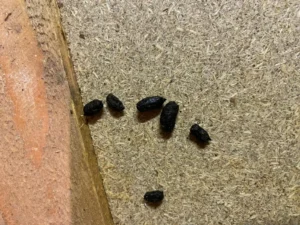
This contamination fear ties into disgust and health anxiety. People don’t want their food or living space tainted by rat germs, and the thought of it is enough to trigger fear.
The idea that rats could be crawling over your food while you’re not looking is deeply unsettling, and it makes people hyper-aware of any signs of rats.
Rats Reproduce Quickly
The fact that rats reproduce so fast makes the fear worse.
One rat is bad enough, but knowing that one rat can turn into dozens in a matter of months is terrifying. People worry that if they see one rat, there are probably more hiding somewhere.
This rapid reproduction makes rat infestations feel overwhelming. Even if you kill a few rats, more will keep coming. The problem feels endless, which adds to the stress and fear.
Phobia vs. Rational Fear
For some people, the fear of rats goes beyond a rational concern and becomes a phobia.
Musophobia (fear of rats and mice) is a real condition that can cause intense anxiety, panic attacks, and avoidance behavior. People with musophobia might refuse to go into certain places, have trouble sleeping, or experience extreme distress at the thought of rats.
This phobia often stems from a combination of bad experiences, learned behavior, and anxiety disorders. For people with musophobia, the fear isn’t logical, but it’s very real and can seriously impact their quality of life.
Even people without a full-blown phobia can have strong fear responses to rats. It’s one of the most common fears in the world, and it affects people of all ages and backgrounds.
Can You Overcome Fear of Rats?
If you’re scared of rats, you’re not alone, and it’s possible to reduce or overcome that fear.
Exposure therapy can help. This involves gradually exposing yourself to rats in controlled, safe environments. You might start by looking at pictures, then watching videos, then seeing a pet rat from a distance, and eventually getting closer.
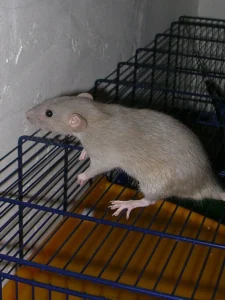
Education can also help. Learning about rats, how they behave, and what they’re actually capable of can reduce the fear.
Understanding that most rats aren’t aggressive and won’t attack you can make them seem less threatening.
Cognitive-behavioral therapy (CBT) is effective for phobias. A therapist can help you identify the thoughts and beliefs that fuel your fear and teach you strategies to manage it.
For some people, meeting a friendly pet rat can change their perspective. Pet rats are clean, social, and friendly, and interacting with one can break down some of the negative associations.
That said, it’s okay to be cautious around wild rats. You don’t have to love them or want them in your home. The goal is to manage the fear so it doesn’t control your life.
Conclusion
So, why are people scared of rats? It’s a mix of history, culture, instinct, and real health concerns. Rats have been associated with disease and death for centuries, they invade our personal spaces, they move unpredictably, and they’re portrayed negatively in media.
The fear is reinforced by disgust, the possibility of being bitten, and the feeling of losing control when rats show up in your home. For some people, it becomes a full-blown phobia that affects their daily life.
But while the fear is common and understandable, it’s also something that can be managed. With the right approach, you can reduce your fear and feel more in control, even if you never become a rat fan.

Hi, my name is Ezra Mushala, i have been interested animals all my life. I am the main author and editor here at snakeinformer.com.