
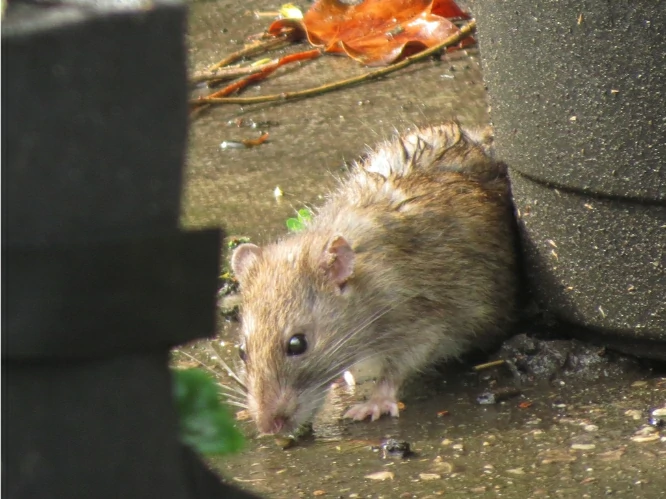
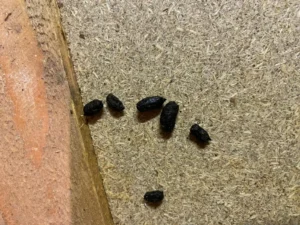
If you’ve dealt with rats, you know they leave droppings absolutely everywhere. You’ll find rat poop scattered throughout their travel routes, in your pantry, on your counters, and pretty much anywhere they go.
It seems excessive and messy, especially compared to pets like cats or dogs that use one spot. So why do rats poop everywhere?
Rats poop everywhere because they don’t have sphincter control like humans and many other animals do. They continuously release droppings as they move around, often without even noticing. Rats also use their droppings as scent markers to communicate with other rats and mark their territory.
This constant pooping isn’t a choice or bad behavior. It’s just how their digestive system works, combined with their natural communication methods.
Rats Don’t Have Full Control Over Their Bowels
The main reason rats poop so much and so randomly is simple biology. Their bodies work differently than ours.
Rats have very weak anal sphincter muscles. The sphincter is the muscle that lets you hold in poop until you’re ready to go. In humans and many animals, this muscle is strong enough to keep waste inside until we choose to release it.

In rats, this muscle is really weak. They can’t “hold it” the way we can. When waste moves through their digestive system and reaches the end, it just comes out.
This means rats are basically pooping all the time as they go about their activities. They might not even realize they’re doing it. It’s involuntary, like breathing.
How Often Do Rats Actually Poop?
A single rat produces 40 to 50 droppings every single day. That’s a lot of poop for such a small animal.
Now multiply that by the number of rats you have. If you’ve got 5 rats in your house, that’s 200-250 droppings per day. If you have a serious infestation with 20 or more rats, you could be looking at over 1,000 droppings daily.

This explains why you find rat poop everywhere. They’re constantly releasing it as they move through your space.
The Droppings Come Out While They Travel
Since rats can’t control when they poop, droppings come out wherever they happen to be at that moment.
If a rat is running along your baseboards, droppings will fall along that path. If it’s in your pantry eating, it’ll poop there. If it’s exploring your attic, you’ll find droppings scattered across the floor.
This is why rat droppings are such a good way to track their movement patterns. The poop literally shows you everywhere the rats have been.
How Rats Use Poop to Communicate
Beyond just losing control of their bowels, rats actually use their droppings intentionally for communication. This is another reason you’ll find poop in specific patterns.
Scent Marking Territory
Rats mark their territory with urine and droppings. These waste products contain pheromones and other chemical signals that tell other rats important information.
When a rat poops in an area, it’s basically saying “I was here” to any other rats that come along. Dominant rats will mark heavily to claim the best feeding areas and travel routes.
Other rats can tell from the scent how recently the droppings were left, which rat left them, and even information about that rat’s health and status in the colony.
Creating Scent Trails
Rats use poop (and urine) to create scent trails they can follow. They prefer to travel the same routes repeatedly, and these trails help them navigate.
This is especially important in dark environments. Rats can’t see that well, so they rely on scent to know where they’re going.
You’ll notice that rat droppings often appear in concentrated lines along walls, in corners, and along pipes. These are their regular highways marked with waste.
Warning and Attracting Other Rats
The chemical signals in rat poop can serve different purposes depending on the situation.
Sometimes droppings warn other rats of danger. A stressed or frightened rat might leave droppings that smell different, alerting others to be cautious.
Other times, droppings help rats find each other. A female in heat will leave scent markers that attract males. Young rats leaving the nest for the first time can follow scent trails back home.
Why You Find So Much Rat Poop in Certain Areas
While rats do poop pretty much everywhere they go, you’ll notice some areas have way more droppings than others. Here’s why.
Near Food Sources
Rats poop more when they’re eating. This makes sense because eating stimulates digestion, which moves waste through their system faster.
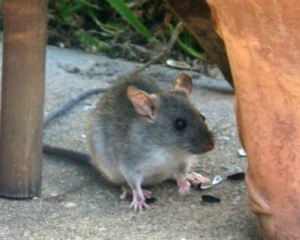
If you find heavy concentrations of droppings in your pantry, near pet food, or around garbage cans, it’s because rats are spending a lot of time there eating.
These feeding areas will have the most droppings because rats visit them repeatedly and stay for extended periods.
Along Travel Routes
Rats use the same paths over and over. As they run these routes night after night, droppings accumulate along the way.
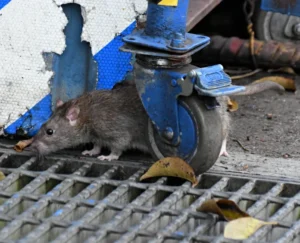
You’ll typically find droppings concentrated along walls (rats prefer to travel against walls where they feel safer), in corners where walls meet, under pipes and wires that rats climb on, and along edges of rooms.
These travel route droppings create lines or trails of poop that show you exactly where rats are moving through your space.
In Nesting Areas
Rats do most of their pooping away from where they sleep, but you’ll still find droppings scattered around nesting areas.
If you find a large concentration of droppings in an attic corner, under insulation, or in a wall void, there’s probably a nest nearby.
Female rats with babies might actually poop more near their nests because they’re spending so much time there nursing and caring for young.
The Health Risks of Rat Droppings Everywhere
Having rat poop scattered throughout your home isn’t just disgusting. It’s actually dangerous for several reasons.
Diseases Spread Through Droppings
Rat droppings can carry serious diseases. When the droppings dry out, they can crumble into dust that becomes airborne. You can breathe in this contaminated dust without even knowing it.

Diseases associated with rat droppings include hantavirus (which can be fatal), leptospirosis (bacterial infection), salmonellosis (food poisoning), and rat-bite fever (despite the name, you can get it from contaminated droppings, not just bites).
The more droppings there are, the higher your exposure risk. An infestation that produces hundreds of droppings daily creates a serious health hazard.
Contamination of Food and Surfaces
Rats poop on counters, in cupboards, on dishes, and on food packages. This contaminates anything it touches.
Even if you can’t see droppings on a food package, if rats have been in your pantry, you should assume contamination. Rats also touch food with their paws, which have walked through their own waste.
You’ll need to throw away any food that rats might have contacted. This can be expensive, especially if the infestation has been going on for a while.
Attracting Other Pests
Rat droppings attract other pests. Certain types of beetles and other insects feed on rat poop or are attracted to the smell.
This means a rat infestation can lead to secondary pest problems that persist even after the rats are gone.
Allergies and Asthma
Dried rat droppings and the proteins they contain can trigger allergies and asthma attacks, especially in children.
People who already have respiratory problems are at higher risk. The constant presence of droppings creates ongoing exposure that can worsen these conditions.
How to Clean Up Rat Droppings Safely
If you have rat droppings in your home, you need to clean them up carefully. Improper cleanup can actually increase your disease risk.
Don’t Sweep or Vacuum
This is really important. Sweeping or vacuuming rat droppings stirs up dust and makes contaminated particles airborne. You’ll breathe them in and spread them around your house.

Never use a regular vacuum on rat droppings. Even shop vacs can spread contaminated dust through their exhaust.
Proper Cleanup Method
Here’s the right way to clean up rat droppings:
First, ventilate the area by opening windows. Then, spray the droppings with a disinfectant solution or mixture of bleach and water (1 part bleach to 10 parts water).
Let the droppings soak for at least 5 minutes. This keeps dust from becoming airborne when you pick them up.
Pick up the droppings with paper towels and dispose of them in a sealed plastic bag. Then wipe down the area with disinfectant.
Protective Equipment
When cleaning rat droppings, wear rubber or latex gloves. For heavy contamination, wear an N95 mask or respirator to avoid breathing in particles.
If you’re cleaning a really contaminated area (like an attic full of droppings), consider wearing a disposable coverall suit as well.
After cleaning, wash your hands thoroughly with soap and water. Take a shower if you were working in a heavily contaminated area.
When to Call Professionals
If you have a really large amount of droppings, or if they’re in hard-to-reach places like inside walls or under insulation, you should call professional cleaning services.
Professionals have proper equipment, including HEPA vacuums and protective gear. They also know how to safely remove contaminated insulation and other materials that can’t be adequately cleaned.
For serious infestations, professional cleaning is worth the cost for your health and safety.
How to Reduce the Amount of Rat Poop in Your House
Obviously, the best solution is to get rid of the rats. But while you’re working on that, here’s how to minimize the poop problem.
Block Access to Food Areas
If you can’t get rats out of your house immediately, at least try to keep them out of kitchens and food storage areas.
Seal gaps under doors with door sweeps. Put food in sealed glass or metal containers that rats can’t chew through. Clean up crumbs and spills immediately.
The less time rats spend in food areas, the fewer droppings they’ll leave there.
Eliminate Travel Routes
Rats prefer traveling along walls and in hidden spaces. If you can block these routes, you’ll force rats to travel in more open areas where you can trap them more easily.
This won’t reduce the total amount of poop, but it might concentrate it in areas that are easier to clean.
Set Up Traps
Obviously, the fewer rats you have, the less poop you’ll deal with. Aggressive trapping reduces the population and therefore reduces daily dropping production.

Every rat you catch means 40-50 fewer droppings per day. If you’re catching multiple rats, you’ll notice a real decrease in the amount of poop appearing.
Clean Frequently
Until the rats are gone, you’ll need to clean more often than normal. This keeps droppings from accumulating to dangerous levels.
Focus on areas where you see the most activity. Clean these spots daily if necessary, following proper safety procedures.
Why Pet Rats Also Poop Everywhere
If you have pet rats, you’ve probably noticed they poop all over their cage, on you when you hold them, and pretty much everywhere else. The reasons are the same.
They Still Can’t Control It
Pet rats have the same weak sphincter muscles as wild rats. They can’t be “potty trained” the way a dog or cat can because they physically can’t hold their poop until they reach a designated spot.
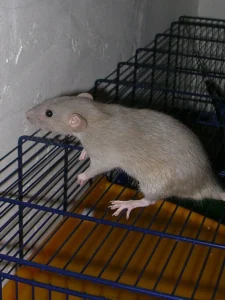
Some pet rats will naturally tend to poop more in certain areas of their cage, but this isn’t true potty training. It’s just preference.
Marking Is Natural Behavior
Your pet rats are still marking territory and leaving scent trails, even in captivity. This is instinctive behavior that thousands of years of domestication hasn’t changed.
They’re not being dirty or misbehaving. They’re doing what rats naturally do.
What You Can Do
With pet rats, you just have to accept that frequent cage cleaning is part of ownership. Clean the cage completely at least once a week, spot-clean daily to remove visible droppings, and use fleece liners or other bedding that’s easy to change.
When handling pet rats, accept that they’ll probably poop on you. Have a designated “rat shirt” you wear during playtime, or put a towel on your lap.
The Difference Between Fresh and Old Rat Droppings
Not all rat droppings look the same. Learning to tell fresh from old droppings helps you understand how active your infestation is.
Fresh Droppings
Fresh rat droppings are dark brown or black, shiny and moist-looking, soft (they’ll squish if you press on them, though don’t do this without gloves), and they might still have a slight ammonia smell.
Fresh droppings mean rats were there very recently, probably within the last 24-48 hours.
Old Droppings
Old droppings turn gray or brown, become dry and hard, lose their shine, crumble easily when touched, and have little to no smell.
Finding only old droppings might mean the rats have moved to a different area or that your control efforts are working.
Conclusion
Rats poop everywhere because they can’t help it. Their weak sphincter muscles mean they constantly release droppings as they move around. They also intentionally use poop as a communication tool to mark territory and create scent trails.
A single rat produces 40-50 droppings per day, so even a small infestation creates a huge amount of waste scattered throughout your home. This isn’t just gross. It’s a serious health hazard because rat droppings can carry diseases and contaminate food and surfaces.
The only real solution is to get rid of the rats. Trapping, exclusion, and removing attractants will reduce the rat population and therefore reduce the amount of poop appearing in your house.
Until the rats are gone, clean droppings safely using proper methods and protective equipment. Don’t sweep or vacuum them, and always treat any area with droppings as contaminated until it’s been properly disinfected.

Hi, my name is Ezra Mushala, i have been interested animals all my life. I am the main author and editor here at snakeinformer.com.