
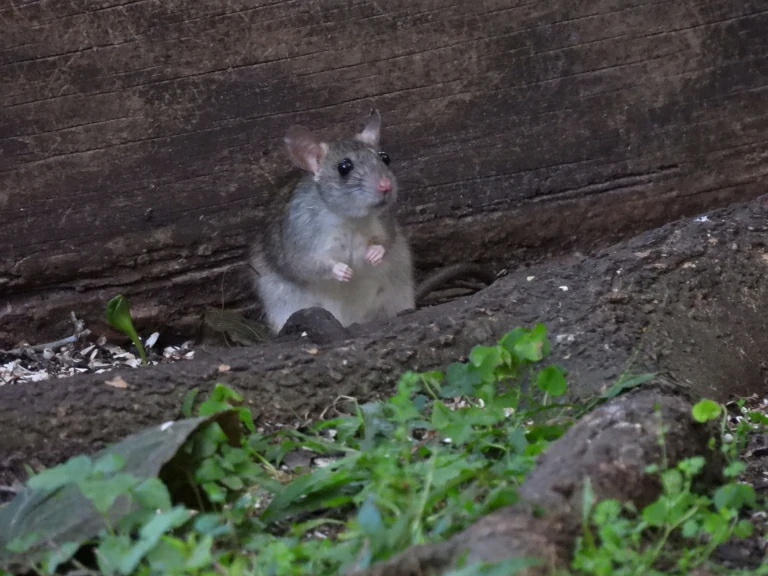
You’ve heard scratching sounds above you. Maybe you’ve seen droppings on your roof or spotted rats running along power lines and tree branches near your house.
Rats on your roof aren’t just creepy. They’re looking for ways into your attic and can cause serious damage to your home. So why are rats on your roof?
Rats are on your roof because they’re looking for food, shelter, or entry points into your attic. Roof rats are excellent climbers that naturally prefer high spaces. Trees touching your roof, nearby power lines, and gaps in your roofing give them easy access to your house’s upper levels.
Once rats get onto your roof, they’ll explore every possible way to get inside. Understanding why they’re up there helps you stop them before they make it into your home.
Roof Rats vs. Norway Rats
Not all rats climb onto roofs. There are two main types of rats you’ll encounter around homes, and they have very different behaviors.
Roof Rats Love High Places
Roof rats (also called black rats or ship rats) are the ones you’ll find on your roof. They’re smaller and more agile than their cousins, with longer tails that help them balance.
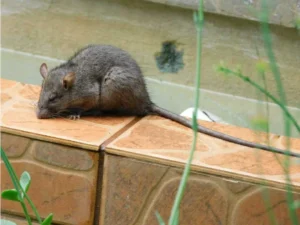
These rats are natural climbers. In the wild, they live in trees and elevated areas. When they move into human areas, they keep this preference for high places.
Roof rats are most common in warmer climates, especially coastal areas. If you live in California, Florida, Texas, or other southern states, you’re more likely to deal with roof rats.
Norway Rats Stay on the Ground
Norway rats (also called brown rats or sewer rats) are larger, heavier, and less agile. They’re much better at digging than climbing.
These rats prefer basements, crawl spaces, and ground-level areas. While they can climb if they need to, they usually don’t go up on roofs.
If you have rats on your roof, you’re almost certainly dealing with roof rats, not Norway rats. The solutions will be different based on which species you have.
How Rats Get Onto Your Roof
Rats don’t just appear on your roof. They need a way to climb up there. Here are the main routes they use.
Trees and Branches Touching Your Roof
This is the most common access point. If you have tree branches hanging over or touching your roof, you’ve basically built a highway for rats.
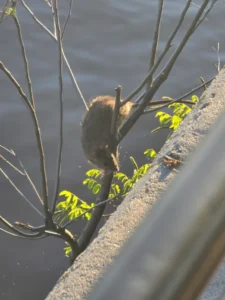
Roof rats are incredible climbers. They can easily scamper up tree trunks and walk along branches, even thin ones that you’d think couldn’t support their weight.

Once they’re on a branch that touches your roof, they just hop over. It’s that simple. One tree branch can give dozens of rats access to your roof every night.
Even branches that don’t quite touch can be a problem. Roof rats can jump pretty far. If a branch comes within a few feet of your roof, they can leap across the gap.
Power Lines and Utility Cables
Rats use power lines like tightropes. They have excellent balance and can walk along cables from poles or other buildings right to your house.
You’ve probably seen squirrels doing this. Roof rats do the same thing, usually at night when you’re less likely to see them.
Once they reach your house via a power line, they can drop down onto your roof or climb down the side of your building.
Climbing Directly Up Your Walls
Roof rats can climb rough surfaces like brick, stucco, and wood siding. If your walls have any texture at all, rats can scale them.
They’re especially good at climbing in corners where two walls meet. The corner gives them extra grip and support.
Vines, ivy, or other plants growing on your walls make climbing even easier. They can use these as a ladder straight up to your roof.
Adjacent Structures
If you have a garage, shed, or other building close to your house, rats can climb onto that structure first, then jump or climb to your main roof.
Fences can also serve as pathways. Rats will run along the top of a wooden fence to get close to your house, then climb from the fence to your roof.
Why Rats Want to Be on Your Roof
Getting onto your roof takes effort, so rats must have good reasons for doing it. Here’s what they’re after.
Looking for Entry Points to Your Attic
This is the main reason rats get onto your roof. They’re searching for ways into your attic, which is an ideal place for them to nest.
Your attic is warm, dry, protected from predators, and rarely disturbed. It’s perfect rat habitat. Once they’re on your roof, they’ll test every vent, gap, and weak spot looking for a way in.
Common entry points on roofs include roof vents without proper screening, gaps where the roof meets the walls, holes around chimneys, damaged soffit and fascia, and gaps around roof-mounted equipment like satellite dishes.
Searching for Food
Roof rats might find food sources on or near your roof. This could include fruit from overhanging tree branches, bird nests with eggs or chicks, insects and spiders living in roof areas, or even food stored in accessible parts of your attic.
If you have solar panels, rats sometimes nest under them. The warmth and shelter attract them, and they might find insects and other small food sources there.
Safe Travel Routes
Rats use roofs as highways to travel between different areas. Your roof might not be their final destination. They could just be passing through on their way to another building or food source.
Roofs are safer than the ground because there are fewer predators. Cats, dogs, and most other rat predators can’t follow them onto roofs.
Escaping Predators or Competition
If rats are being chased by predators or pushed out by dominant rats at ground level, they’ll climb up to escape.
The roof becomes a refuge where they can get away from immediate threats. They might not have planned to go up there, but once they are, they’ll explore and possibly find ways into your attic.
Signs That Rats Are on Your Roof
You might not actually see the rats, especially since they’re most active at night. Here are signs that tell you they’re up there.
Scratching and Scurrying Sounds
If you hear scratching, running, or thumping sounds from your ceiling, especially at night, you probably have rats in or on your roof.
These sounds are usually most noticeable at dawn and dusk when rats are most active. You might hear them running back and forth above your bedroom or living areas.
The sounds might be faint or quite loud, depending on how many rats you have and what they’re doing.
Droppings on Your Roof
If you can safely get onto your roof, look for rat droppings. Roof rat droppings are small (about half an inch long), dark, and pointed at both ends.
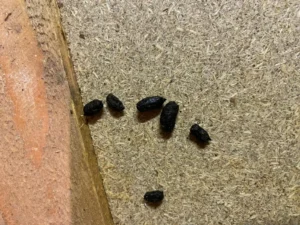
You’ll usually find droppings along travel routes where rats run regularly. Check along the edges of your roof, near vents, and around chimneys.
Fresh droppings are dark and moist. Older droppings turn gray and crumble when touched.
Greasy Rub Marks
Rats have oily fur, and as they travel the same routes repeatedly, they leave dark, greasy marks on surfaces.
On your roof, you might see these marks along walls, around entry points, or on pipes and cables. They look like dark smudges or streaks.
These marks tell you not just that rats were there, but where they’re traveling regularly.
Gnaw Marks
Rats constantly gnaw to keep their teeth from getting too long. On your roof, you might find gnaw marks on wood trim, plastic vents, or other materials.
Fresh gnaw marks are lighter in color because they expose new wood or material underneath. Older gnaw marks darken over time.
If you find gnaw marks around roof vents or other potential entry points, rats are actively trying to get into your attic.
Tracks in Dust or Dirt
If your roof collects dirt or you have dusty areas, you might see rat footprints. Rat tracks show four toes on the front feet and five on the back feet.
You can test for activity by spreading a thin layer of flour or talcum powder in areas where you suspect rats travel. Check the next day for tracks.
The Dangers of Rats on Your Roof
Rats on your roof aren’t just annoying. They can cause real problems that cost you money and create health risks.
Damage to Your Roof and Structure
Rats will chew through almost anything to get into your attic. This includes wood, plastic, aluminum, and even some types of metal flashing.
They can damage shingles, create holes in soffits and fascia, chew through roof vents, and compromise the waterproofing of your roof.
Once they create openings, water can get in during rain. This leads to rot, mold, and structural damage that’s expensive to repair.
Fire Hazards from Chewed Wires
This is one of the most dangerous problems. Rats love to chew on electrical wiring, both outside and inside your attic.
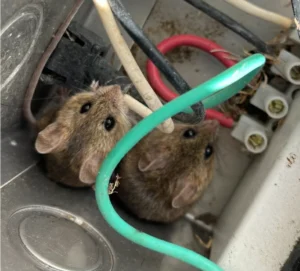
When they strip the insulation off wires, it creates a serious fire hazard. Short circuits from exposed wires can spark fires in your walls or attic.
Many house fires each year are caused by rodents chewing on electrical wiring. It’s a real risk, not just a scare tactic.
Health Risks from Droppings and Urine
Rat droppings and urine can carry diseases. If rats are living in or traveling through your attic, they’re leaving waste behind.
When this waste dries out, particles can become airborne. You might breathe them in if you go into your attic or if they get into your ventilation system.
Diseases associated with rats include hantavirus, leptospirosis, salmonella, and more. While not all rats carry these diseases, the risk is real.
Attracting More Pests
Where there are rats, other pests often follow. Rats can bring fleas, mites, and ticks into your attic.
They also attract predators. You might end up with snakes, owls, or other animals trying to get into your attic to hunt the rats.
The longer rats are present, the more complicated your pest problem becomes.
How to Keep Rats Off Your Roof
Prevention is always easier than dealing with an infestation. Here’s how to make your roof inaccessible to rats.
Trim Back All Tree Branches
Cut back any branches that overhang or come close to your roof. Experts recommend keeping branches at least 6 feet away from your house.
This might mean some aggressive pruning. Yes, it might affect how your trees look, but it’s worth it to keep rats out.
Don’t just trim branches once. Trees grow, so you’ll need to maintain this clearance regularly, probably once or twice a year.
Remove Climbing Plants
If you have ivy, climbing roses, or other vines growing on your house, they need to go. These plants are like ladders for rats.
Pull them completely off your walls. Don’t just trim them back, because they’ll grow back and provide access again.
This can be hard work, and you might worry about your house’s appearance. But eliminating these climbing routes is really important for keeping rats out.
Install Guards on Utility Lines
You can buy guards that install on power lines and cables near your house. These guards make it impossible for rats to walk along the lines.
Talk to your utility company about this. In some cases, they might install guards for you, especially if you explain you have a rat problem.
For cables you own (like cable TV lines), you can install guards yourself. They’re available at hardware stores.
Seal All Roof Entry Points
Walk around your roof and find every possible entry point. Then seal them all with materials rats can’t chew through.
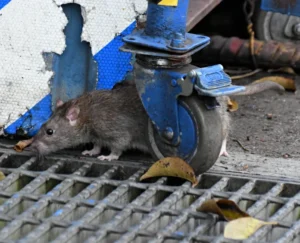
Use metal mesh (hardware cloth) over vents. Make sure it has small enough holes (quarter-inch or less) that rats can’t squeeze through.
Seal gaps around chimneys with metal flashing and mortar. Fill holes in soffits and fascia with wood and cover with metal.
Pay special attention to where different roof planes meet and where the roof connects to walls. These junctions often have small gaps.
Keep Your Roof Clean
If your roof collects leaves, debris, or overgrown moss, clean it off. Rats like areas with hiding spots and nesting material.
A clean roof is also easier to inspect. You’ll spot signs of rat activity more quickly on a clear surface.
Trim back any vegetation that’s growing on or near your roof. This includes moss, small plants, or anything else that shouldn’t be there.
What to Do If Rats Are Already on Your Roof
If you’re past the prevention stage and rats are already using your roof, here’s what you need to do.
Confirm They Haven’t Gotten Inside
Before you start dealing with roof rats, make sure they haven’t already found a way into your attic. Go up there and look for signs.
Check for droppings, gnaw marks, nesting material, sounds of movement, and greasy rub marks along rafters.
If they’re already inside, you have a bigger problem. You’ll need to trap them inside the attic while also preventing new ones from getting in.
Set Traps on Your Roof
You can set snap traps on your roof along the routes rats are using. Place them where you’ve seen droppings or rub marks.
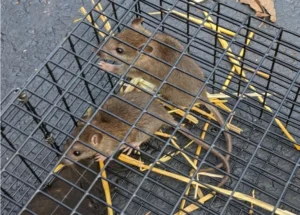
Secure the traps so they don’t slide off your roof. You don’t want them falling on someone below.
Bait the traps with peanut butter, bacon, or nuts. Check them daily and dispose of any caught rats.
Be really careful working on your roof. It’s easy to get hurt. If you’re not comfortable up there, hire a professional.
Use Exclusion Methods
Once you’ve trapped the rats that are currently on your roof, you need to make sure new ones can’t get up there.
This means following all the prevention steps: trimming trees, sealing entry points, removing climbing routes, etc.
Exclusion is about making your roof inaccessible and unattractive. It takes work, but it’s the only long-term solution.
Consider Professional Help
Roof rat problems can be tricky to solve on your own. Professional pest control companies have experience and tools you might not have.
They can identify how rats are getting onto your roof, find entry points you might have missed, set traps safely, and seal openings properly.
If your roof is steep, high, or otherwise dangerous to work on, definitely call professionals. Your safety matters more than saving money.
Preventing Rats from Coming Back
After you’ve dealt with your current rat problem, you need to stay vigilant. Rats will return if you give them the chance.
Regular Inspections
Check your roof and attic every few months for new signs of rats. Look for the same signs we talked about earlier: droppings, gnaw marks, rub marks.
Also check that your exclusion work is still intact. Weather and time can create new gaps or damage your repairs.
Catching a new rat problem early makes it much easier to handle.
Maintain Your Landscaping
Keep trees and bushes trimmed back from your house. This isn’t a one-time job. You need to do it regularly as plants grow.
Remove any dead trees or large branches that could fall and create new access points to your roof.
Keep your yard tidy in general. Rats that can’t find food and shelter on the ground are less likely to explore your roof.
Fix Problems Promptly
When you notice a small gap in your soffit or a broken vent screen, fix it right away. Don’t wait.
Small problems become big ones if rats find them. It’s much easier to seal a tiny gap than to deal with rats that have already gotten inside.
The same goes for trees. If you notice a branch growing toward your roof, trim it before it gets close enough for rats to use.
Conclusion
Rats are on your roof because it gives them access to food, shelter, and potential entry points into your attic. Roof rats are natural climbers that prefer high places, and your roof is perfect for them if you’ve given them ways to get up there.
The most common access routes are tree branches touching your roof, power lines, and climbing directly up textured walls. Once rats are on your roof, they’ll explore every possible way to get into your attic.
Stop them by trimming back all vegetation from your roof, sealing entry points, removing climbing routes, and setting traps if they’re already there. Prevention is always easier than dealing with an established infestation.
Don’t ignore rats on your roof and hope they’ll leave on their own. They won’t. They’ll keep trying to get into your attic, and once they succeed, the problem becomes much harder and more expensive to fix. Act now while they’re still outside.

Hi, my name is Ezra Mushala, i have been interested animals all my life. I am the main author and editor here at snakeinformer.com.