
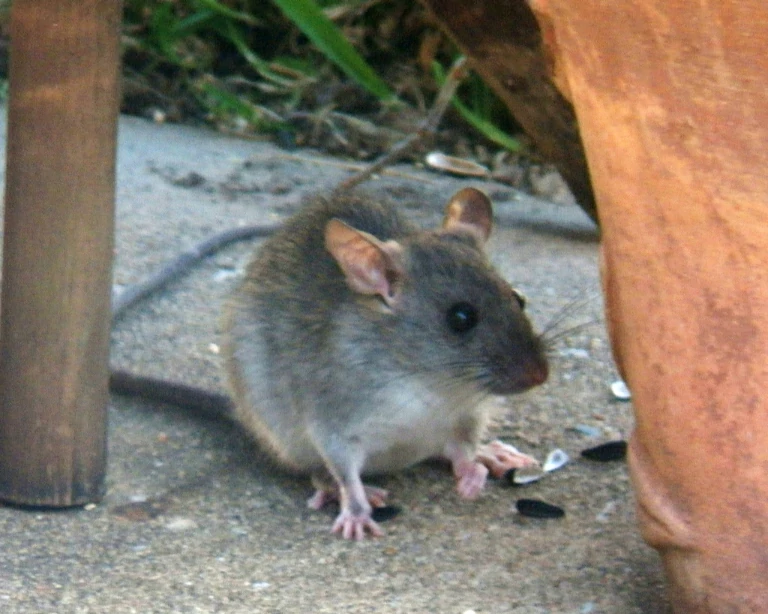
You’ve spotted rats scurrying around your yard, near your foundation, or hanging around your outdoor areas. It’s unsettling, and you’re probably worried they’ll find a way inside. Rats don’t just randomly show up at houses for no reason. They’re there because your property is offering them something they need to survive. So why are rats outside your house?
Rats are outside your house because you’re providing food, water, or shelter that attracts them. This could be anything from garbage and pet food to overgrown vegetation and cluttered storage areas. Rats also look for entry points to buildings, so they might be outside while trying to find a way in.
Once rats discover your property meets their basic needs, they’ll stick around and likely multiply. Understanding what’s attracting them is the first step to getting rid of them.
What Rats Need to Survive
Before you can figure out why rats are on your property, you need to know what they’re looking for. Rats have three basic survival needs, and your house might be providing all of them.
Food Is the Biggest Attractant
Rats need to eat every day. They’re omnivores, which means they’ll eat pretty much anything, from plants and grains to meat and garbage.

If you have easy food sources around your house, rats will find them. They have an excellent sense of smell and can detect food from surprisingly far away.
Common food attractants around homes include garbage cans, compost bins, pet food bowls left outside, bird feeders, fruit trees, vegetable gardens, and unsealed food storage in garages or sheds.
Water Keeps Them Coming Back
Like all animals, rats need water to survive. They need about an ounce of water per day, which isn’t much. Any source of moisture on your property can keep them around.
This includes leaky outdoor faucets, pet water bowls, birdbaths, clogged gutters with standing water, air conditioner condensation, swimming pools, and ponds or water features.
In dry climates, water sources are especially attractive to rats. They’ll travel quite far to get to reliable water.
Shelter Protects Them from Predators
Rats need safe places to nest, hide from predators, and raise their young. Your property might offer perfect shelter without you realizing it.
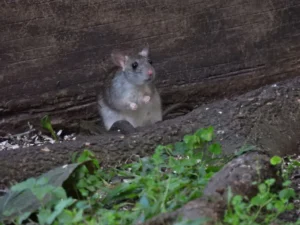
Outdoor shelter can be found in overgrown vegetation, woodpiles, junk piles, cars or equipment that don’t get used, sheds and outbuildings, gaps under decks or porches, and dense ground cover or ivy.
If rats find good shelter near food and water, they’ll establish territories and start breeding. A single pair of rats can produce dozens of offspring in just one year.
Common Food Sources That Attract Rats to Your House
Let’s look at specific things around your house that might be feeding the rats and bringing them to your property.
Garbage and Trash Cans
This is the number one attractant for rats in most residential areas. If your garbage cans don’t have tight-fitting lids, or if you leave trash bags outside, rats will tear into them.

Rats can smell food waste from far away. They’ll chew through plastic bags easily to get to leftovers, food packaging, and anything else edible in your trash.
Even if you think your trash cans are secure, check them carefully. Rats can squeeze through surprisingly small gaps. If there’s any opening at all, they’ll find it.
Pet Food Left Outside
Leaving dog or cat food outside is basically setting out a buffet for rats. Whether it’s in a bowl or stored in bags in your garage or shed, pet food is highly attractive to rats.
The smell of pet food carries well, and rats quickly learn where to find it. If you feed pets outside and leave food sitting out, you’re almost guaranteed to attract rats.
Even if you bring the bowls in at night, spilled food on the ground will still draw them in. Rats will eat every dropped kibble they can find.
Bird Feeders and Spilled Seed
Bird feeders are a major rat attractant that many homeowners don’t think about. Seeds that fall on the ground create a constant food source for rats.
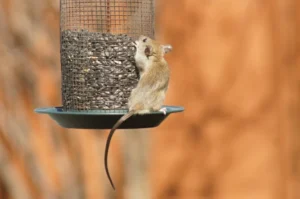
Rats will also climb up to feeders to eat directly from them if they can reach them. They’re excellent climbers and can access feeders that you might think are too high.
Suet feeders and hummingbird feeders with sugary water are especially attractive. If you have bird feeders and you’re seeing rats, the feeders are likely part of the problem.
Fruit Trees and Vegetable Gardens
If you have fruit trees, fallen fruit on the ground is like candy for rats. They’ll eat citrus, apples, pears, peaches, avocados, and pretty much any fruit that drops.
Even fruit still on the tree can attract rats if they can climb up to it. Rats are skilled climbers and will harvest fruit directly from branches.
Vegetable gardens also provide food. Rats will eat tomatoes, squash, corn, root vegetables, and just about anything you’re growing. They’re particularly fond of gardens with lots of ground cover where they can hide while they eat.
Compost Bins
Compost bins are goldmines for rats if they’re not properly managed. Food scraps, vegetable peelings, and other organic matter create a constant food source.
Rats will burrow into compost piles or chew through bins to get inside. Once they discover a compost bin, they’ll keep coming back every night.
If you compost meat, dairy, or oily foods, you’re making the problem even worse. These items are especially attractive to rats.
Shelter Spots Around Your House That Rats Love
Food brings rats to your property, but shelter is what makes them stay. Here are the hiding spots rats commonly use around homes.
Overgrown Vegetation and Dense Plantings
Thick bushes, ground cover, ivy, and overgrown plants create perfect hiding spots for rats. They can move through dense vegetation without being seen by predators.

If your landscaping touches your house’s foundation, it’s even worse. Rats will use the plants as cover to get right up to your walls, where they’ll look for entry points.
Ivy growing on walls is particularly bad because rats can climb it and potentially find ways into your attic or upper floors.
Woodpiles and Stored Materials
Stacked firewood is one of the most common rat harborages around homes. The gaps between logs create ideal nesting spots that are protected from weather and predators.
If your woodpile is against your house or garage, you’re basically providing rats with shelter right next to potential entry points into your building.
The same goes for stored lumber, construction materials, old furniture, or any other items stacked outside. Rats love the protection these piles provide.
Clutter and Junk Piles
Old cars, broken equipment, piles of junk, unused furniture, and general clutter all create rat habitat. Rats will nest in, under, and around anything that provides cover.
The more cluttered your yard, shed, or garage is, the more places rats have to hide. This makes them feel safe and encourages them to stick around.
Clutter also makes it harder for you to see signs of rat activity. You might not realize you have a problem until the population gets large.
Gaps Under Structures
The space under decks, porches, sheds, and mobile homes is perfect for rats. These areas are usually dark, protected from weather, and rarely disturbed.
Rats will burrow into the soil under these structures or nest in the space itself. If there’s any opening at all, they’ll find a way in.
These under-structure areas are particularly dangerous because they’re often close to the foundation of your house. Rats nesting under your deck can easily find ways into your basement or crawl space.
Sheds and Outbuildings
Sheds, garages, and other outbuildings often have more gaps and holes than your main house. They might not be as well-sealed, and you probably don’t check them as carefully.
If you store anything in these buildings (tools, garden supplies, pet food, birdseed), rats have even more reason to get inside.
Once rats establish a nest in an outbuilding, they’ll use it as a base while they explore the rest of your property, including your house.
Water Sources That Keep Rats on Your Property
Rats need water every day, so any moisture source will help keep them around. Here’s what might be providing water for the rats outside your house.
Leaky Pipes and Faucets
Even a slow drip from an outdoor faucet provides enough water for rats. Check all your outdoor plumbing for leaks.
Irrigation systems can also leak without you noticing. Rats will find these wet spots and return to them regularly.
If you have an outdoor shower or utility sink, make sure it drains properly and doesn’t leave standing water.
Poor Drainage and Standing Water
Clogged gutters create pools of standing water that rats can drink from. If your gutters overflow during rain, water collects on the ground below.
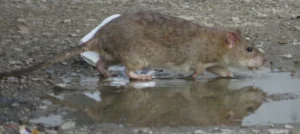
Low spots in your yard that don’t drain well will hold water after rain. These puddles might seem insignificant to you, but they’re water sources for rats.
Clogged drains around your house can also create wet areas that attract rats and other pests.
Pet Water Bowls
Just like outdoor pet food, water bowls left outside are convenient for rats. They’ll drink from dog bowls, cat bowls, or any other container of fresh water.
If you keep water out for pets or wildlife, you’re also keeping it out for rats. They don’t care that it wasn’t meant for them.
Decorative Water Features
Fountains, ponds, birdbaths, and other water features all provide drinking water for rats. While you can’t necessarily remove these (you might want them for yourself), you should know they’re attracting rats.
If you’re dealing with a rat problem, you might need to temporarily shut off or cover water features until you get the situation under control.
Are Rats Outside Trying to Get Inside Your House?
If you see rats outside, there’s a good chance they’re looking for ways to get into your house. Outdoor rats don’t just stay outside forever.
Why Rats Want to Come Inside
Your house offers even better conditions than the outdoors. It’s temperature-controlled, protected from predators, and probably has even more food sources.

As outdoor conditions get harsh (too hot, too cold, or too wet), rats will try harder to get inside. They’re particularly motivated to find indoor shelter before winter.
Female rats looking for safe places to nest and raise young will be especially determined to get into buildings.
How Rats Find Entry Points
Rats are excellent at finding weaknesses in buildings. They’ll test every gap, crack, and hole they come across.
They can squeeze through openings as small as a quarter (about half an inch). If they can get their head through a gap, they can usually get their whole body through.
Rats will also gnaw to make openings larger. If there’s a small crack, they can chew it bigger over time.
Common Entry Points Rats Use
Check these spots around your house where rats commonly get inside:
- Gaps around pipes, wires, and cables entering the building
- Cracks in the foundation
- Gaps under doors and garage doors
- Holes in siding or around windows
- Roof vents without proper screens
- Gaps where the roof meets the walls
- Broken or missing vent covers
- Holes chewed by previous rats that were never repaired
If you’re seeing rats outside, walk around your house and look for these entry points. You’ll probably find some that need sealing.
What to Do About Rats Outside Your House
Finding rats on your property is stressful, but you can take action to get rid of them. Here’s what you should do.
Remove Food Sources First
This is the most important step. If you take away their food, rats will leave to find it somewhere else.
- Get trash cans with tight, locking lids
- Don’t leave pet food outside
- Remove or secure bird feeders
- Pick up fallen fruit daily
- Protect vegetable gardens with fencing
- Use rat-proof compost bins or stop composting temporarily
- Store all food (including animal feed) in sealed metal or thick plastic containers
You won’t see immediate results, but within a week or two of removing food, rat activity should decrease.
Eliminate Water Access
Fix all leaky faucets and pipes. Clean out gutters so water drains properly. Remove standing water from your property.
If you have decorative water features, consider turning them off while you’re dealing with a rat problem.
Bring pet water bowls inside at night when rats are most active.
Clean Up Shelter Areas
This is harder work but really important. You need to make your property less hospitable to rats.
- Trim back all vegetation so it doesn’t touch your house
- Remove ivy and dense ground cover near buildings
- Move woodpiles at least 20 feet from structures
- Clear out junk piles and clutter
- Organize storage areas
- Fill in any burrows you find in the ground
Making your yard neat and open eliminates hiding spots and makes rats feel exposed and unsafe.
Seal Entry Points to Your House
Walk around your house and look for any gaps or holes. Seal them with materials rats can’t chew through.
Steel wool stuffed into holes, then covered with caulk or foam, works well for small gaps. For larger openings, use metal mesh or hardware cloth.
Pay special attention to where utilities enter your house. These are common entry points that homeowners miss.
Set Traps for Active Control
Once you’ve removed attractants, you can set traps to catch the rats that are still around.
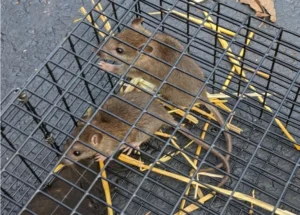
Snap traps are effective if placed correctly. Put them along walls where rats travel, with the trigger end against the wall.
Bait traps with peanut butter, bacon, or nuts. Check and reset traps daily.
For serious infestations, you might need professional help. Pest control companies have access to better tools and know how to handle large rat populations safely.
How to Prevent Rats from Coming Back
After you’ve dealt with your current rat problem, you need to make sure they don’t return.
Keep Your Property Maintained
Regular maintenance goes a long way. Mow your lawn, trim bushes, and keep things tidy. A well-maintained property is less attractive to rats.

Check your property monthly for signs of rats. Look for droppings, gnaw marks, burrows, or greasy rub marks on walls.
Store Everything Properly
Never leave food sources accessible. This includes pet food, birdseed, livestock feed, and garbage. Everything should be in sealed containers or secure bins.
If you keep chickens or other animals, make sure their food is in rat-proof containers and clean up any spills immediately.
Fix Problems Quickly
When you find a small hole in your siding or a gap under a door, fix it right away. Don’t wait. These small problems can become big ones if rats find them.
Same with plumbing leaks or drainage issues. The sooner you fix problems, the less attractive your property becomes to rats.
Monitor Regularly
Even after rats are gone, keep checking for signs they might be coming back. It’s much easier to deal with one or two rats than to wait until you have another full infestation.
Set out a few traps in strategic locations even when you don’t think you have rats. If you catch one, you’ll know there’s a problem before it gets serious.
Conclusion
Rats are outside your house because you’re providing what they need: food, water, and shelter. They’re not there by accident. Your property is meeting their survival needs better than other nearby locations.
The good news is that you have control over these attractants. By removing food sources, eliminating water access, and cleaning up shelter areas, you can make your property much less appealing to rats.
Combine this with sealing entry points to your house and active control measures like trapping, and you can get rid of the rats and keep them from coming back.
Don’t ignore rats outside your house. They won’t just stay outside. They’ll eventually find ways in, and dealing with rats inside your house is much more difficult than dealing with them outside. Act now while the problem is still manageable.

Hi, my name is Ezra Mushala, i have been interested animals all my life. I am the main author and editor here at snakeinformer.com.