
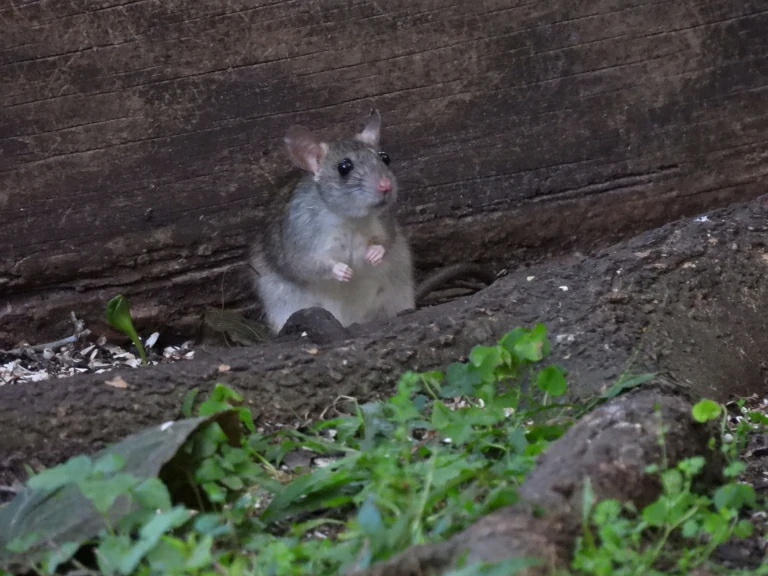
If you’ve ever lived with pet rats or dealt with wild rats in your home, you know they can be surprisingly noisy. Between the squeaking, scratching, chewing, and rustling, rats create a constant soundtrack of sound.
For such small animals, the amount of noise they make can be shocking. So why do rats make so much noise?
Rats make a lot of noise because they’re naturally active, social animals with various communication needs. They vocalize to communicate with each other, chew constantly to maintain their teeth, and create noise through normal activities like running, climbing, and exploring. Nocturnal habits mean most noise happens at night.
The noise isn’t random or purposeless. Each sound serves a specific function in the rat’s life, from maintaining their health to communicating with their colony to navigating their environment.
Why Rats Are Most Noisy at Night
Rats are nocturnal, which means they’re most active during nighttime hours. While you’re trying to sleep, your rats are waking up and starting their day.
This is when they eat, play, explore, and socialize most actively. All of these activities create noise.
Wild rats evolved to be nocturnal to avoid predators. Most animals that hunt rats, like hawks and eagles, are active during the day.
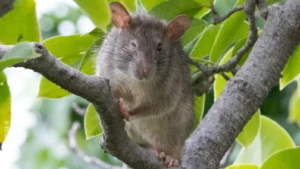
Being active at night gave rats a survival advantage. Even though pet rats don’t face these predators, they’ve kept their nocturnal instincts.
During the day, rats typically sleep for most of the time. They might wake up occasionally for a snack or quick grooming session, but they’re generally quiet.
As evening approaches and darkness falls, rats become more alert and energetic. This is their natural rhythm, and it’s really hard to change.
The sudden increase in noise at night can be frustrating for owners. You might hear running, climbing, chewing, wrestling, and various vocalizations just as you’re trying to fall asleep.
This is completely normal rat behavior, not a sign of a problem. It’s just what rats naturally do.
How Chewing Creates Constant Noise
One of the loudest and most persistent noises rats make is chewing. Rats have to chew constantly because their teeth never stop growing.
Their incisors grow about 4-5 inches per year. Without regular chewing to wear them down, the teeth would become dangerously overgrown.
Rats will chew on almost anything they can get their teeth on. Cage bars, wooden toys, cardboard, plastic accessories, and even the cage floor all become targets.
The gnawing creates a distinctive grinding, scraping sound that can carry through walls. It’s especially noticeable at night when everything else is quiet.
The chewing isn’t just about teeth maintenance though. Rats also chew to explore their environment, gather nesting material, and keep themselves entertained.
Bored rats chew more than stimulated rats. If a rat doesn’t have enough enrichment, they’ll find things to chew just to have something to do.
Metal cage bars create particularly loud chewing sounds. The teeth scraping against metal makes a sharp, grating noise that many people find really annoying.
Some rats develop bar-chewing habits out of boredom, frustration, or a desire for attention. This can become a persistent noise problem.
Why Running and Climbing Make Noise
Rats are incredibly active animals. They love to run, climb, jump, and explore.
All of this movement creates noise, especially in a cage with hard surfaces and metal components. Every time a rat jumps from one level to another, runs on their wheel, or scrambles up a ladder, you hear it.
Running wheels are major noise sources. Many rat wheels squeak or rattle as they spin.
The sound of rat feet pattering on the wheel surface adds to it. Some wheels are louder than others depending on their design and what they’re made of.
Climbing on cage bars creates rattling and clanging sounds. As rats move around their vertical space, the whole cage can shake slightly.
Multiple rats moving simultaneously amplifies this effect. A cage with several active rats can sound like a small construction zone.
Rats also love to rearrange their environment. They’ll move toys, drag bedding around, and push objects from one spot to another.
All of this activity creates rustling, dragging, and bumping sounds. The noise increases when rats are engaged in nest-building or redecorating their space.
How Social Interactions Create Noise
Rats are highly social animals that need to live with other rats. This social nature means lots of interaction, and interaction means noise.
Rats vocalize to each other, wrestle playfully, groom each other, and generally engage in constant social activity. All of this creates sound.
Play-fighting is a major noise source. Young rats especially love to wrestle and chase each other.
They’ll box with their front paws, pin each other down, and roll around together. This creates thumping, scratching, and rustling sounds. The rats might also squeak, chirp, or make other vocalizations during play.
Social grooming, while quieter, still creates noise. You can hear rats licking each other, scratching with their tiny claws, and shifting positions.
The sounds are softer than play-fighting but still noticeable, especially in a quiet room at night.
Dominance displays can be noisy too. When rats are establishing hierarchy or settling disputes, they might squeak loudly at each other, stand on their hind legs, or engage in brief scuffles.
These interactions usually resolve quickly, but while they’re happening, they can be quite loud.
Even just moving around together creates noise. Multiple rats navigating the same space means more footsteps, more cage rattling, and more general commotion.
A colony of rats is naturally noisier than a single rat (though single rats shouldn’t be kept alone as it’s cruel).
Why Rats Vocalize So Much
Beyond the physical noises of movement and chewing, rats make lots of actual vocal sounds. Squeaking, chirping, bruxing, and various ultrasonic calls all contribute to the noise level.
Some of these sounds are audible to humans, while others are too high-pitched for us to hear.
Rats vocalize to communicate with each other. They have different calls for different situations.

Alarm calls warn of danger. Social calls maintain group cohesion. Play calls signal friendly intentions. Mating calls attract partners. Each vocalization serves a specific purpose.
Some rats are naturally more vocal than others. Just like people, rats have different personalities.
Chatty rats will squeak, chirp, and make noise throughout their active periods. Quieter rats might only vocalize during specific situations. Both are normal.
Baby rats are especially vocal. Young rats call for their mother frequently, creating constant squeaking sounds.
As they grow and become more independent, the frequency of these calls decreases. But households with breeding rats or young litters will experience significantly more noise.
Stressed or sick rats might vocalize more than usual. Pain, discomfort, or anxiety can increase squeaking and other vocalizations.
If your normally quiet rat suddenly becomes very noisy, it could signal a health problem that needs attention.
How Environment Affects Noise Levels
The setup of a rat’s living space dramatically impacts how much noise they make. Cage type, bedding material, toy selection, and cage placement all play roles in the overall noise level.
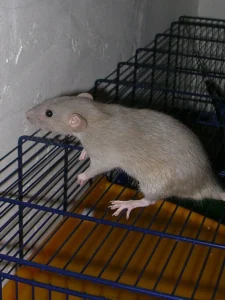
Wire cages are generally noisier than solid-sided cages. Metal bars rattle, clang, and amplify sounds.
Every movement creates some noise in a wire cage. Solid-sided cages like glass aquariums or plastic bins muffle sound better, though they have ventilation and size limitations.
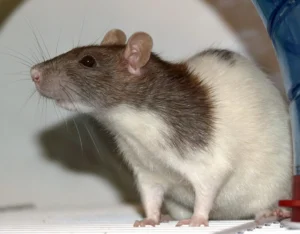
Hard surfaces create more noise than soft ones. A bare plastic cage floor amplifies every footstep.
Adding fleece liners, fabric hammocks, or other soft materials dampens sound significantly. Soft bedding also reduces noise compared to wood shavings or paper pellets.
Metal accessories like food bowls, water bottles, and toys contribute to noise. Ceramic or heavy plastic alternatives are quieter.
Securing accessories properly so they don’t rattle or shift reduces noise too. Loose items create more sound as rats move around them.
Cage placement matters as well. A cage on a wobbly table will be noisier than one on a solid, stable surface.
Keeping the cage away from walls reduces sound reflection. Some people put rubber pads under the cage to absorb vibrations.
Wild Rats vs. Pet Rats: Noise Differences
Wild rats living in your walls or attic create different noise patterns than pet rats. They’re trying to stay hidden and avoid detection, so they’re somewhat quieter during their activities.
However, when they do make noise, it can be alarming because you’re not expecting it.
Wild rats create scratching and scurrying sounds as they move through walls, ceilings, and floors. These sounds often seem louder than they actually are because they’re amplified by the hollow spaces they’re traveling through.

The noise can sound like something much larger than a rat.
Chewing is a major noise source with wild rats. They gnaw through wood, drywall, insulation, and even soft metals to create pathways and access food.
This chewing often happens at night and can be surprisingly loud. You might hear it in walls or above ceilings.
Wild rats are generally quieter in terms of vocalizations. They don’t want to attract attention, so they keep squeaking and other calls to a minimum.
However, you might hear squeaking during fights, mating, or if babies are present. These sounds are usually brief and infrequent.
The number of rats matters hugely. A single wild rat might make occasional noise.
A colony of rats living in your walls creates constant sound. Multiple rats mean multiple sources of scratching, chewing, running, and occasional vocalizing.
How to Reduce Rat Noise
While you can’t eliminate rat noise completely without compromising their welfare, you can reduce it to more manageable levels. The key is addressing the main noise sources while still meeting the rats’ needs.
Switch to a quieter wheel or remove it entirely if your rats don’t use it much. Silent spinner wheels are much quieter than wire wheels.
Make sure the wheel is properly installed and lubricated. A little vegetable oil on the axle can eliminate squeaking.
Cover hard surfaces with soft materials. Fleece cage liners, fabric hammocks, and cozy hideaways all absorb sound.
The more soft materials in the cage, the quieter it’ll be. Just make sure everything is safe and doesn’t have loose threads rats could get tangled in.
Replace metal accessories with quieter alternatives. Use ceramic food bowls instead of metal ones.
Water bottles with ball bearings can be noisy, so consider switching to bottles with different mechanisms or using water bowls if your rats won’t spill them constantly.
Secure everything firmly. Loose toys, accessories, and cage parts rattle more than secured ones.
Use clips, zip ties, or other fasteners to keep items in place. Check regularly and tighten anything that’s worked loose.
Place the cage on a solid, stable surface. A sturdy table or stand reduces vibration and rattling.
Rubber or foam pads under the cage absorb some noise. Avoid placing cages directly against walls that border bedrooms.
Provide plenty of enrichment to reduce boredom chewing. Rats with interesting toys, varied activities, and regular interaction are less likely to develop annoying habits like bar-chewing.
Rotate toys regularly to keep things fresh and interesting.
Why Rats Make Noise Even When They Seem to Be Doing Nothing
Sometimes you’ll hear noise from the rat cage even when you look over and the rats appear to be just sitting there. This can be confusing, but there are several explanations.
Rats might be bruxing, which creates clicking sounds. Bruxing can happen when rats are relaxed and sitting still.
It sounds like gentle clicking or grinding and means the rat is content. The sound can carry surprisingly well in a quiet room.
Grooming creates soft scratching and rustling sounds. Rats groom themselves constantly, even when they look like they’re just resting.
The sound of tiny claws on fur or rats licking themselves is subtle but noticeable. Multiple rats grooming simultaneously amplifies the effect.
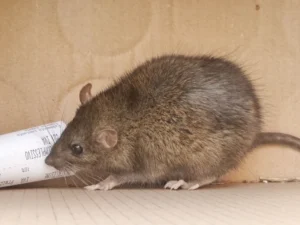
Breathing noises can seem loud in quiet environments. Healthy rat breathing is usually silent, but if a rat has mild respiratory congestion, you might hear soft clicking or whistling.
This should be monitored as it could indicate health issues, but very slight breathing sounds can be normal in some rats.
Digestion creates sounds too. Rat digestive systems are active, and you might hear soft gurgling or other internal noises if you’re close enough.
This is normal biological function and nothing to worry about unless accompanied by other symptoms.
Finally, rats might be making ultrasonic vocalizations you can’t hear. Just because you don’t see obvious activity doesn’t mean the rats aren’t communicating.
They could be making high-frequency calls that are silent to human ears but still represent vocal activity.
When Excessive Noise Indicates a Problem
While rats are naturally noisy, dramatic changes in noise patterns can signal issues. A rat that suddenly becomes much louder or quieter than usual deserves attention.
Increased noise might indicate health problems. Rats in pain or discomfort might vocalize more, move restlessly, or engage in repetitive behaviors like excessive bar-chewing.
Respiratory issues can make breathing noisier. If you hear new sounds like wheezing, clicking, or labored breathing, a vet visit is needed.
Boredom and stress create noise too. Rats without adequate enrichment develop abnormal behaviors like constant bar-chewing, excessive wheel running, or cage pacing.
These behaviors are louder than normal activity and indicate the rat’s needs aren’t being met. More toys, interaction, and environmental enrichment usually help.
Fighting between cage mates creates loud, aggressive sounds. Brief squeaking during dominance displays is normal, but prolonged, intense squeaking with visible fighting means rats need to be separated.
Serious fights can result in injuries and indicate incompatible personalities or improper introductions.
Sudden quietness can be just as concerning. Rats that stop their normal active behaviors might be sick.
Lethargy, loss of appetite, and reduced noise all point toward potential health problems. Rats normally make some noise during their active periods, so silence is unusual.
Conclusion
Rats make a lot of noise because noise is a natural part of their behavior and biology. They’re active, social, vocal animals with constantly growing teeth that require chewing.
Their nocturnal nature means most of this activity happens at night when it’s most noticeable. The sounds aren’t random but serve important purposes in rat life.
Understanding why rats are noisy helps you accept it as normal rather than viewing it as a problem. While you can reduce noise levels through cage setup and enrichment, you can’t eliminate it completely without compromising the rats’ wellbeing.
Rats need to chew, move, socialize, and vocalize to be healthy and happy.
If noise is a major concern, consider whether rats are the right pets for your situation. They’re not quiet animals and never will be.
But for people who can accept the noise as part of the package, rats make wonderful, intelligent, affectionate companions despite their nighttime concerts.

Hi, my name is Ezra Mushala, i have been interested animals all my life. I am the main author and editor here at snakeinformer.com.