
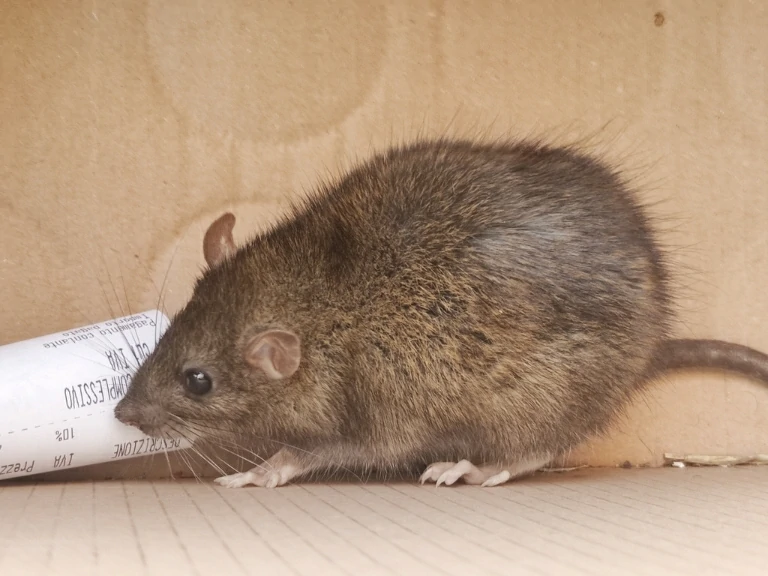
Rat owners often notice strange clicking sounds coming from their pets. These clicks can be rapid or slow, loud or barely audible.
The clicking can happen during different activities, and figuring out what it means can be confusing. So why do rats make a clicking noise?
Rats make clicking noises for two main reasons. Happy clicking, called bruxing, happens when rats grind their teeth together out of contentment. Respiratory clicking occurs when rats have breathing problems and air passes through mucus or fluid in their airways.
These two types of clicking sound similar but mean very different things. Learning to tell them apart is important for understanding your rat’s health and emotional state.
What Bruxing Is and Why Rats Do It
Bruxing is the technical term for the teeth-grinding sound rats make when they’re happy and relaxed. The rat rapidly grinds their upper and lower incisors together, creating a clicking or chattering sound.
It’s similar to how cats purr to show contentment.
The sound can vary in volume and speed. Sometimes bruxing is barely audible, while other times it’s loud enough to hear from across the room.
The rhythm is usually steady and repetitive, like a soft drumming pattern. Fast bruxing sounds almost like vibrating, while slow bruxing has distinct individual clicks.
Bruxing often happens alongside boggling, which is when a rat’s eyes bulge in and out rhythmically. The muscle movements that create the teeth grinding also affect the eye sockets, causing this weird but adorable eye movement.
If you see boggling while hearing clicking, it’s definitely happy bruxing.
Most rats brux when they’re being petted, eating favorite treats, or relaxing after a satisfying meal. It’s their way of showing pleasure and comfort.
The more content the rat feels, the more likely they are to brux. It’s one of the best signs that your rat trusts you and enjoys your company.
How to Tell Happy Clicking From Respiratory Clicking
Distinguishing between bruxing and respiratory clicking is really important because they require completely different responses. The context and accompanying signs tell you which type you’re hearing.
Happy bruxing happens during pleasant activities. The rat is being petted, eating, grooming, or just lounging around looking relaxed.
Their breathing is normal, their posture is calm, and they might have half-closed eyes or be boggling. The clicking stops when the pleasant activity ends.
Respiratory clicking happens when the rat breathes. You’ll hear it on the inhale, exhale, or both.
It continues even when the rat is just sitting still doing nothing. The clicking might get louder with activity or when the rat is stressed.
Other symptoms accompany respiratory clicking. Look for red or brown discharge around the nose and eyes (porphyrin staining), sneezing, wheezing, lethargy, hunched posture, or difficulty breathing.
The rat might also have reduced appetite and seem generally unwell. Respiratory clicking usually gets worse over time if untreated.
The sound quality can be different too. Bruxing has a dry, grinding quality, like teeth rubbing together.
Respiratory clicking often sounds wetter or has a rattling, bubbling quality. Some people describe it as “crackling” or “popping” sounds coming from the chest or throat.
Why Respiratory Clicking Happens
Respiratory clicking occurs when air moves through fluid, mucus, or inflamed tissue in a rat’s airways. Rats are really prone to respiratory infections because their lungs are sensitive and their immune systems can be weak.
Common bacteria like Mycoplasma pulmonis live in most rats’ respiratory systems and can flare up into active infections.
The clicking sound comes from several possible sources. Mucus in the nasal passages or sinuses can create clicking as air pushes through it.

Fluid in the lungs from pneumonia creates bubbling or crackling sounds. Inflamed throat tissue might click or rattle as the rat breathes past it.
Environmental factors often trigger or worsen respiratory problems. Dusty bedding, ammonia from dirty cages, cigarette smoke, strong perfumes, and poor ventilation all irritate rats’ airways.
Once irritation starts, infections can take hold quickly. What starts as a small amount of clicking can rapidly turn into a serious health crisis.
Some rats are genetically predisposed to respiratory problems. Certain breeding lines have weaker respiratory systems.
Older rats are also more vulnerable because their immune systems weaken with age. Stress can trigger respiratory issues too, as it suppresses immune function.
What to Do If You Hear Respiratory Clicking
If you suspect your rat has respiratory clicking rather than happy bruxing, you need to act quickly. Respiratory infections in rats can progress rapidly, going from mild to life-threatening within days.
Early treatment is critical for the best outcomes.
First, improve the environment immediately. Switch to dust-free bedding if you’re not using it already. Paper bedding or fleece are good options.
Clean the cage thoroughly to remove ammonia buildup. Increase ventilation but avoid cold drafts. Remove any potential irritants like scented candles or air fresheners.
Schedule a vet appointment as soon as possible. Respiratory infections in rats require antibiotics, and the specific antibiotic depends on what’s causing the infection.
Your vet might prescribe Baytril (enrofloxacin), doxycycline, or a combination of antibiotics. Some infections need weeks of treatment.
While waiting for the vet, you can help your rat feel more comfortable. A humidifier can ease breathing by keeping airways moist.
Some people steam up their bathroom and sit with their rat for 10-15 minutes. The warm, moist air helps loosen mucus. Make sure the rat doesn’t get chilled afterward.
Keep the rat warm but not hot. Sick rats often feel cold and huddle to conserve body heat.
Provide extra bedding or fleece for warmth. Offer soft, easy-to-eat foods since respiratory distress can reduce appetite. Baby food, mashed vegetables, or moistened lab blocks work well.
When Bruxing Becomes a Problem
While bruxing is usually a positive sign, excessive bruxing can sometimes indicate a problem. If a rat is bruxing constantly, even during activities where you wouldn’t expect it, something might be wrong.
Some rats brux when they’re in pain or discomfort. It might be a self-soothing behavior, similar to how some people grind their teeth when stressed.
If your rat is bruxing more than usual and also seems lethargic, is losing weight, or has changes in behavior, pain could be the cause.
Dental problems can cause abnormal bruxing patterns. Overgrown teeth, tooth abscesses, or misaligned teeth might make rats grind their teeth differently.
If the bruxing sounds irregular or forced, or if your rat is drooling or having trouble eating, dental issues are possible. A vet can check your rat’s teeth and trim them if needed.
Neurological problems very rarely cause unusual teeth grinding. Rats with brain tumors or other neurological conditions might brux at inappropriate times or have other abnormal behaviors.
These cases are uncommon but worth mentioning if your rat’s behavior seems really off.
How Loud Should Normal Bruxing Be
Normal bruxing varies a lot in volume between individual rats. Some rats brux so softly you can barely hear it even when holding them.
Others brux loudly enough that you can hear it from several feet away. Both extremes are normal.
The volume often depends on how intensely the rat is experiencing pleasure. Mild contentment might produce soft, gentle bruxing.
Intense pleasure, like during a really good petting session or while eating a favorite treat, might create much louder bruxing. It’s like the volume reflects their level of happiness.
Young rats tend to brux more softly than adults. Their teeth are smaller and they’re still learning how to brux.
As they mature, the bruxing usually gets more pronounced. Some rats never brux loudly though, and that’s perfectly fine.
If your rat’s bruxing suddenly gets much louder or softer without an obvious reason, pay attention to other behaviors. Dramatic changes in normal patterns can sometimes signal health issues.
But gentle variation in bruxing volume from day to day is completely normal.
Can You Encourage Your Rat to Brux/
Yes, you can encourage bruxing by creating situations that make your rat happy and comfortable. Find out what your rat loves most and do more of it.
Some rats brux during gentle petting, especially around the head and ears. Try different scratching or stroking techniques to see what your rat prefers.
Offer favorite treats. Many rats brux while eating something delicious.

High-value treats like yogurt drops, small pieces of fruit, or a dab of peanut butter often trigger bruxing. Watch your rat’s face as they eat and you might see them start to grind their teeth in satisfaction.
Create a calm, safe environment. Rats brux most when they feel completely secure and relaxed.
A cozy sleeping spot, low stress, and a predictable routine all help rats feel safe. The more secure your rat feels, the more likely they are to brux.
Spending quality time with your rats helps too. The stronger your bond, the more comfortable they’ll be showing contentment around you.
Rats that trust their owners are more likely to brux during handling and interaction. Patience and consistent positive experiences build this trust over time.
Why Some Rats Never Brux
Not all rats brux frequently, and some might never brux at all. This doesn’t necessarily mean they’re unhappy.
Rats have individual personalities and express emotions differently. Some are just naturally quieter and less demonstrative.
Rats that had difficult early lives might brux less. If a rat wasn’t handled gently as a baby or experienced trauma, they might not feel comfortable enough to show vulnerable behaviors like bruxing.
With time and patience, these rats might eventually start bruxing as they learn to trust.
Health issues can prevent bruxing. Rats with dental problems might find it painful to grind their teeth.
Very sick rats might not have the energy for bruxing even if they’re feeling content. Older rats with declining health sometimes brux less than they did when younger.
Some rats are just stoic by nature. They might be perfectly happy but don’t express it through bruxing.
These rats might show contentment in other ways, like seeking out your company, being relaxed during handling, or playing actively. Not every rat follows the same behavioral patterns.
How Clicking Changes With Age
Baby rats don’t brux much because they’re still developing their motor control and haven’t learned the behavior yet. You might hear occasional soft clicking from very young rats, but sustained bruxing usually doesn’t start until they’re a few weeks old.
Young rats brux a lot during adolescence and young adulthood. They’re at their most active and playful, experiencing lots of positive emotions.
Their bruxing tends to be energetic and frequent. This is when you’ll hear the loudest, most enthusiastic teeth grinding.
Middle-aged rats continue bruxing regularly if they’re healthy and happy. The pattern usually stays pretty consistent during this life stage.
You’ll know your rat’s normal bruxing habits by this point, so changes become easier to notice.
Senior rats might brux less often simply because they’re less active overall. They sleep more, play less, and generally have lower energy.
However, elderly rats that are comfortable and pain-free will still brux during pleasant activities like eating or being gently petted. Some old rats become extra cuddly and brux more during quiet bonding time.
The Science Behind Bruxing
Scientists aren’t completely certain why rats evolved bruxing behavior, but there are good theories. The leading idea is that bruxing serves multiple purposes related to dental health and social communication.
Rats’ teeth grow continuously throughout their lives. They need to chew on hard materials to keep their teeth worn down to appropriate lengths.
The grinding action of bruxing might help keep the teeth properly aligned and shaped, similar to how chewing does. It’s possible bruxing is partly a dental maintenance behavior that happens to feel good.
The connection between bruxing and positive emotions is well-documented. Brain imaging studies show that the same neural pathways activated during pleasurable experiences also trigger bruxing.
When rats experience something enjoyable, their brains release dopamine and other feel-good chemicals. These chemical releases seem to trigger the teeth-grinding response.
The social aspect matters too. Rats might brux around other rats to communicate contentment and non-aggression.
A bruxing rat is signaling that they feel safe and happy, which can help reduce tension in group settings. It’s a way of showing “I’m relaxed, no need to worry about me.”
Conclusion
Rats make clicking noises for two very different reasons. Happy bruxing is a sign of contentment and pleasure, showing that your rat feels safe and comfortable.
Respiratory clicking indicates breathing problems that need prompt veterinary attention. Learning to tell these two sounds apart is one of the most important skills for rat owners.
Context is everything. A rat clicking while being petted, eating treats, or lounging peacefully is almost certainly bruxing happily.
A rat clicking while breathing, especially if they also seem unwell, likely has a respiratory infection. Other symptoms like discharge, lethargy, and changes in breathing patterns help confirm respiratory issues.
Pay attention to your individual rats and learn their normal behaviors. Every rat has their own patterns and personalities.
What’s normal for one rat might be unusual for another. Regular observation helps you notice changes quickly and respond appropriately to keep your rats healthy and happy.

Hi, my name is Ezra Mushala, i have been interested animals all my life. I am the main author and editor here at snakeinformer.com.