
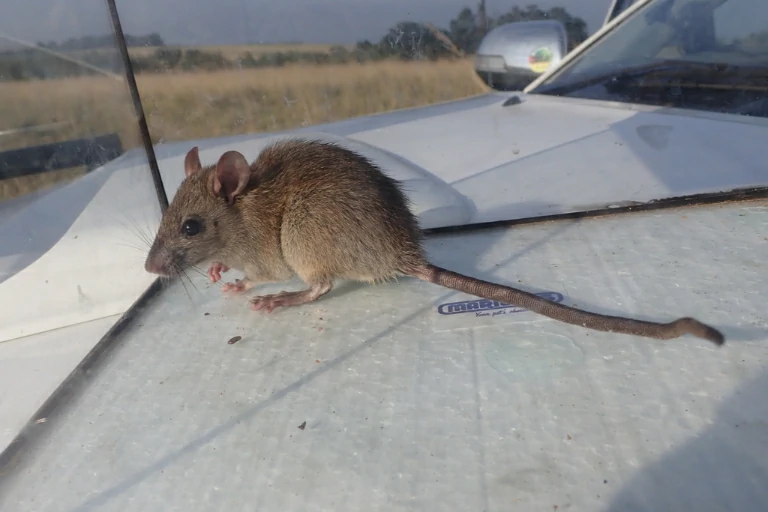
Rats are much more vocal than most people realize. Beyond the obvious squeaks and squeals, rats also make chirping sounds that can be confusing for owners.
These chirps can sound surprisingly bird-like and might make you wonder if you’re actually hearing your rat or a bird outside. So why do rats make chirping noises?
Rats make chirping noises primarily during positive emotional states and social interactions. Happy chirps occur during play, while receiving treats, or during comfortable social grooming. However, some chirps can also signal mild distress or respiratory issues, so context and accompanying behaviors are important.
The type of chirp, when it happens, and what the rat is doing at the time all help you understand what the sound means. Most chirping is completely normal and actually indicates a content, healthy rat.
What Rat Chirping Actually Sounds Like
Rat chirps are distinct from squeaks or other rat vocalizations. They’re usually softer, more musical, and have a rhythmic quality.
The sound is similar to a small bird’s chirp or a cricket’s song, but much quieter and more delicate.
Most chirps are very brief, lasting just a fraction of a second. They often come in rapid succession, creating a pattern of chirp-chirp-chirp sounds.

The pitch can vary, but chirps are generally higher and more pleasant-sounding than distress squeaks.
Some people describe rat chirps as sounding like tiny hiccups or soft clicks. The exact quality of the sound varies between individual rats.
Some rats chirp more melodically, while others make more staccato, clipped sounds. Each rat has their own voice.
Many chirps are at the edge of human hearing range. If your hearing isn’t very sharp, you might not notice your rat chirping at all.
Younger people with better high-frequency hearing are more likely to pick up on these sounds than older individuals whose hearing has declined with age.
Why Rats Chirp When They’re Happy
Happy chirping is one of the most common reasons rats make these sounds. When a rat is content, comfortable, and enjoying themselves, they often chirp softly.
This is similar to how cats purr or dogs make contented groans.
You’ll often hear chirping when rats are being petted in a way they enjoy. If you’re scratching behind their ears or gently stroking their back, a happy rat might chirp to show they’re enjoying the attention.

The chirps are usually soft and repetitive, creating a gentle rhythm.
During grooming sessions, either self-grooming or social grooming with other rats, chirping is common. The rat seems to be expressing contentment and relaxation.
These grooming chirps are typically very quiet and easy to miss if you’re not paying close attention.
Some rats chirp when they receive favorite treats. The excitement of getting something delicious triggers happy vocalizations.
You might hear a little burst of chirps right as you hand over a piece of fruit or a yogurt drop. The rat is basically saying “yes, this is exactly what I wanted!”
Chirping During Play and Social Interactions
Play chirping is really common in young rats. When juveniles are wrestling, chasing, and playing with their siblings, they make lots of chirping sounds mixed in with ultrasonic vocalizations.
The chirps seem to communicate that the interaction is friendly and fun, not aggressive.
These play chirps are usually accompanied by relaxed body language. The rats’ fur will be smooth (not puffed up), their movements will be bouncy and energetic, and both rats will seem equally engaged.
If one rat is chirping while the other seems stressed, that’s different and might indicate bullying rather than play.
Adult rats chirp during social grooming too. When two bonded rats are grooming each other, you might hear soft chirps from both of them.
This is part of their social bonding ritual. The chirps help maintain the peaceful, positive atmosphere of the grooming session.
Rats also chirp during what scientists call “social exploration.” When rats are sniffing each other, investigating new cage mates, or reestablishing bonds after being separated, gentle chirping helps keep the interaction friendly.
It’s like a verbal signal that says “I’m not a threat, this is just social.”
When Chirping Might Signal Respiratory Problems
Not all chirping is positive. Sometimes what sounds like chirping is actually a symptom of respiratory distress.
This is one of the trickier aspects of rat sounds because happy chirps and respiratory chirps can sound similar to untrained ears.
Respiratory chirping usually has a wet or rattling quality to it. It might sound more labored or forced than happy chirping.
The rat might chirp while breathing, especially on the inhale or exhale. This creates a rhythmic chirping that matches their breathing rate.
Other signs help you tell the difference. A rat with respiratory issues will often have additional symptoms like sneezing, wheezing, red or brown discharge around their nose and eyes (called porphyrin), lethargy, or hunched posture.
If you’re hearing chirps plus seeing these other signs, respiratory infection is likely.
Respiratory chirping tends to worsen with activity. A rat with breathing problems might chirp more after running around or getting excited.
Happy chirps, on the other hand, happen during specific pleasant activities but don’t necessarily increase with exertion.
How Chirping Differs From Other Rat Sounds
Rats have a whole vocabulary of sounds, and chirping is just one part of it. Understanding how chirps differ from squeaks, bruxing, and other vocalizations helps you interpret what your rat is communicating.
sWhy Do Rats Squeak? (What Different Squeaks Mean and more urgent than chirps. They signal distress, fear, or pain.
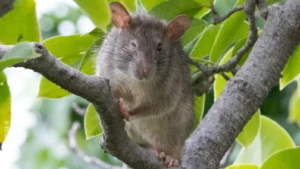
Chirps are gentler and more melodic. If you’re not sure whether you’re hearing a chirp or a squeak, the volume and urgency of the sound are good clues.
Bruxing is the teeth-grinding sound rats make when they’re content. It sounds like a soft grinding or chattering and is completely different from chirping.
Bruxing often happens alongside boggling, where the rat’s eyes bulge in and out rhythmically. Chirping can happen at the same time as bruxing, creating a symphony of happy rat sounds.
Hissing is another distinct sound. Rats hiss when they’re angry or feel threatened.
It’s a defensive sound meant to scare off threats. Hissing sounds like “shhhh” and is much easier to identify than chirping.
Why Some Rats Chirp More Than Others
Just like people have different communication styles, rats vary in how much they vocalize. Some rats are naturally chattier and chirp frequently, while others are quieter and rarely make audible sounds.
Personality plays a big role. Bold, outgoing rats tend to vocalize more than shy, reserved rats.
A rat that’s comfortable and confident in their environment is more likely to chirp than one that’s anxious or stressed. As rats settle into their homes and bond with their owners, chirping often increases.
Age matters too. Young rats tend to be more vocal overall, including more chirping.
As rats mature into adulthood, they often become quieter. Very old rats might chirp less because they’re less active and playful.
Individual hearing ability affects chirping as well. Some scientists think rats might chirp more if they can hear their own vocalizations clearly.
Rats with hearing loss might vocalize differently or less frequently because they can’t hear the feedback.
Do Wild Rats Chirp Like Pet Rats?
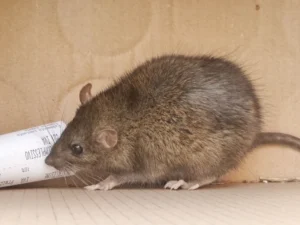
Wild rats make many of the same sounds as pet rats, including chirping. However, wild rats are generally more cautious and less likely to make audible sounds that could attract predators.
Most of their communication happens in the ultrasonic range that predators can’t hear.
In safe environments, like inside their burrows or nests, wild rats probably chirp during social bonding and grooming just like pet rats do. Mother rats and their babies communicate through various vocalizations, including soft chirps.
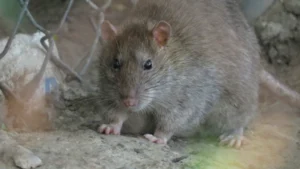
This helps maintain social bonds within the family group.
Wild rats living in urban environments might be more vocal than those in areas with lots of predators. City rats have fewer natural predators, so the risk of making audible sounds is lower.
Still, wild rats are generally quieter than pet rats because they’re hardwired to avoid detection.
Pet rats have been bred in captivity for many generations. This selective breeding has reduced their fear responses and made them more comfortable vocalizing around humans.
A pet rat’s chirp is their way of communicating that they feel safe and relaxed, which wouldn’t happen as often in wild populations.
What to Do If Your Rat Suddenly Starts Chirping
If your normally quiet rat suddenly starts chirping a lot, pay attention to the context. Are they chirping during happy activities like playing or eating treats?
That’s usually positive and means they’re becoming more comfortable and expressive.
However, sudden increases in chirping accompanied by other behavior changes might signal a problem. If the rat is also lethargic, eating less, or showing respiratory symptoms, the chirping could be related to illness.
Respiratory infections can develop quickly in rats, so prompt vet attention is important.
Changes in environment can trigger more chirping too. A new cage setup, new toys, or new cage mates might make a rat more vocal as they explore and adapt.
This is normal and should settle down as the rat gets used to the changes.
If you’ve recently started spending more time with your rat or handling them differently, increased chirping might mean they’re enjoying the extra attention. Rats that feel loved and secure tend to be more vocal about their happiness.
How Chirping Changes With Age
Baby rats make lots of vocalizations, but their chirps are usually higher-pitched and more frequent than adult chirps. Young rats chirp during play, when separated from their mother, and when interacting with littermates.
The constant chirping helps the mother keep track of her babies.
As rats mature into adolescence (around 6-12 weeks), their chirping patterns change. They chirp less during basic activities but more during social play and bonding.
The pitch might drop slightly as their bodies grow and their vocal structures develop.
Adult rats have the most varied chirping patterns. They’ve learned when chirping is appropriate and useful.
Adult chirps are usually deliberate and tied to specific situations like receiving treats, being petted, or grooming. The sounds are typically softer and more controlled than juvenile chirps.
Senior rats (over 2 years old) often chirp less frequently. This could be due to decreased energy and playfulness, hearing loss, or general aging.
However, some older rats become more vocal as they seek attention or express discomfort from age-related health issues.
Can You Encourage Your Rat to Chirp?
If you want to hear your rat chirp more often, create situations that make them happy and comfortable. Offer favorite treats while speaking softly to them.
The positive association might encourage chirping. Pet them in ways they enjoy, paying attention to which spots and techniques they prefer.
Play with your rats regularly. Get down on the floor during free-roaming time and interact with them.
Use your hands to gently chase or wrestle in ways that mimic rat play. Happy, playful rats are more likely to chirp.
Keep their environment enriched and interesting. Provide hiding spots, climbing structures, and toys to explore.
A stimulated, content rat is more vocal than a bored, stressed one. Rotate toys and rearrange cage layouts occasionally to keep things fresh.
Make sure your rats have same-species companionship. Rats are social animals and need other rats to be truly happy.
Bonded rats groom, play, and communicate with each other, leading to more chirping overall. Solo rats might be quieter because they lack social stimulation.
When Chirping Indicates Contentment vs. Distress
Learning to tell content chirping from distressed chirping takes observation and practice. The most important factor is context.
What is happening when the rat chirps? What is their body language saying?
Content chirping happens during obviously pleasant activities. The rat is relaxed, moving normally, and seems engaged with what they’re doing.

Their eyes are bright, whiskers are forward, and they might be bruxing at the same time. The chirps are soft and rhythmic.
Distressed chirping (which might actually be early respiratory issues) happens when the rat seems uncomfortable. They might be hunched, breathing heavily, or less active than usual.
The chirping might have a strained quality and could be accompanied by sneezing or wheezing. The pattern might match their breathing rhythm.
Pay attention to frequency and duration too. A few chirps during petting or play is normal.
Constant, ongoing chirping that doesn’t stop even when the rat is just sitting still could indicate a problem. Similarly, very loud or urgent-sounding chirps are more concerning than soft, gentle ones.
Conclusion
Rats make chirping noises for various reasons, but most often it’s a sign of positive emotions. Happy rats chirp during play, grooming, receiving treats, and being petted.
These gentle sounds are part of normal rat communication and indicate a content, well-adjusted animal.
However, chirping can sometimes signal respiratory problems, especially if it’s accompanied by other symptoms like discharge, lethargy, or labored breathing. Learning to tell the difference between happy chirps and concerning chirps comes from observing your rat’s overall behavior and health.
Every rat has their own vocal personality. Some chirp constantly while others rarely make a sound.
Both are normal as long as the rat seems healthy and happy in other ways. Understanding your individual rat’s communication style helps you respond to their needs and strengthen your bond with them.

Hi, my name is Ezra Mushala, i have been interested animals all my life. I am the main author and editor here at snakeinformer.com.