
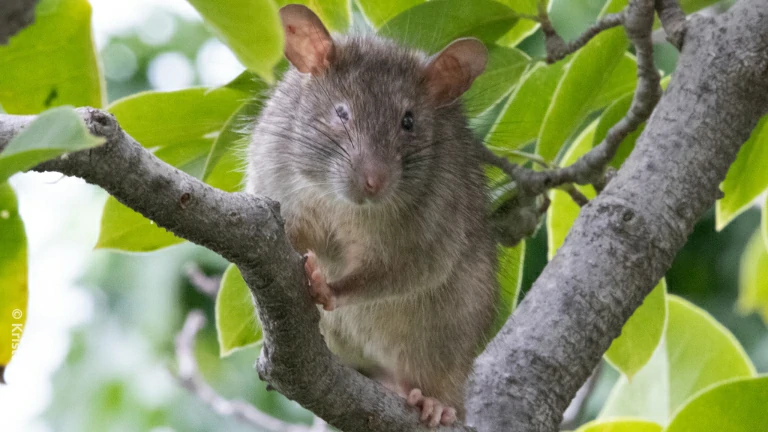
Scientists have discovered something amazing about rats that most people never knew. When you tickle a rat in just the right spots, they make high-pitched chirping sounds that are similar to laughter.
It sounds bizarre, but research has proven it’s real. So why do rats laugh when tickled?
Rats laugh when tickled because tickling triggers a positive emotional response in their brain, similar to human laughter. They produce ultrasonic vocalizations at around 50 kHz that scientists interpret as joyful expressions. This “laughter” indicates the rat is experiencing pleasure and playfulness.
These sounds are too high-pitched for humans to hear without special equipment. But when scientists record and slow down the sounds, they sound remarkably like giggles.
Rats even seek out more tickling after they start “laughing,” suggesting they genuinely enjoy the experience.
How Scientists Discovered Rat Laughter
In the late 1990s, neuroscientist Jaak Panksepp started studying play behavior in young rats. He noticed that rats made specific ultrasonic sounds during play, especially during rough-and-tumble games with other rats.
These sounds seemed linked to positive emotions.

Panksepp wondered if rats would make the same sounds if humans interacted with them playfully. He started tickling rats on their backs and bellies, areas where rats naturally play-wrestle with each other.
The rats immediately started making those same high-frequency chirps.
Using specialized recording equipment, Panksepp captured these vocalizations. When he analyzed them, he found the sounds occurred at around 50 kilohertz (kHz), well above the range of human hearing (which tops out around 20 kHz).
When he slowed down the recordings, the sounds resembled laughter.
What convinced scientists these were truly expressions of joy was what happened next. After being tickled, rats would follow the researcher’s hand, jump toward it, and basically ask for more.
This behavior strongly suggested the rats enjoyed being tickled and wanted it to continue.
What Rat Laughter Actually Sounds Like
You can’t hear rat laughter with your bare ears because it’s ultrasonic. The chirps happen at frequencies between 50-55 kHz, which is more than twice as high as the highest note humans can detect.
It’s completely silent to us.
When scientists record these sounds and play them back at a lower frequency, they sound like rapid, high-pitched chirping or giggling. The pattern is rhythmic and repetitive, coming in short bursts.
Each burst lasts only a fraction of a second, but they can happen many times in quick succession.
Different situations produce slightly different vocalizations. The 50 kHz chirps associated with tickling and play are distinct from the 22 kHz calls rats make when they’re stressed or afraid.
The higher frequency sounds are linked to positive emotions, while lower frequency sounds signal distress.
Young rats laugh more than older rats. Juvenile rats, especially those between 4-8 weeks old, produce the most laughter sounds during play and tickling.
This makes sense because young rats are naturally more playful and energetic. As rats age, they become less playful and laugh less frequently.
Where to Tickle a Rat to Make Them Laugh
Not all tickling produces laughter in rats. You have to tickle them in specific spots that trigger the playful response.
The most effective areas are the back of the neck, the belly, and behind the front legs.
The nape of the neck is especially effective. This is where mother rats and other rats naturally nuzzle and play during social grooming and play-fighting.
When you gently wiggle your fingers on a rat’s neck, it mimics the sensation of another rat playing with them.
The belly is another sweet spot. Rats will often roll over and expose their bellies during play, and tickling this area produces strong laughter responses.
However, you need to build trust with a rat before they’ll let you tickle their belly. It’s a vulnerable position, and only comfortable rats will allow it.
The technique matters too. You can’t just poke a rat and expect laughter.
The tickling needs to be gentle, rapid, and playful. Light, quick finger movements work best, similar to how you might tickle a baby or a dog.
Not all rats respond the same way though. Some rats are naturally more ticklish and playful than others.
Just like people, rats have different personalities. A bold, playful rat will laugh readily, while a shy or anxious rat might not respond at all.
Why Tickling Makes Rats Happy
Tickling activates the same brain regions in rats that respond to other pleasurable experiences. Research using brain imaging shows that the areas associated with positive emotions light up when rats are tickled.
This includes parts of the brain that process rewards and social bonding.
In nature, young rats engage in play-fighting and rough-and-tumble games with their siblings. These activities help them develop social skills, physical coordination, and problem-solving abilities.
The play is accompanied by those same 50 kHz chirps, suggesting the sounds are linked to social play and bonding.
When humans tickle rats in ways that mimic natural play, the rats’ brains interpret it the same way. Their brain releases dopamine, a neurotransmitter associated with pleasure and reward.
This creates a positive feeling that the rat wants to experience again.
The fact that rats actively seek out more tickling is strong evidence they enjoy it. After being tickled, rats will follow the researcher’s hand, jump up toward it, and position themselves to be tickled again.
This is voluntary behavior, not a reflex or stress response.
Can All Rats Laugh When Tickled?
Not every rat will laugh when tickled, at least not right away. Personality plays a huge role.
Some rats are naturally more playful and social, while others are more reserved and cautious. A nervous rat might not enjoy being tickled until they trust you completely.
Past experiences matter too. Rats that were handled gently and played with as babies are more likely to respond positively to tickling.

Rats that weren’t socialized properly or had negative experiences with handling might find tickling stressful instead of fun.
Age is another factor. Young rats between 4-12 weeks old are the most playful and produce the most laughter sounds.
Adult rats can still laugh when tickled, but they’re generally less enthusiastic about play. Very old rats rarely laugh at all because they’re less active and playful.
Health status affects laughter too. A sick, injured, or stressed rat won’t laugh when tickled.
If a rat that normally enjoys tickling suddenly stops responding, it could be a sign something’s wrong. Healthy, happy rats are much more likely to engage in playful behavior.
Do Rats Tickle Each Other?
Rats don’t tickle each other in the same way humans tickle, but they do engage in play behaviors that produce the same laughter sounds. Young rats especially love to play-fight with their littermates.
They chase, wrestle, pin each other down, and nip gently at each other’s necks and backs.
During these play sessions, rats make lots of 50 kHz chirps. The rat being pinned or chased makes these sounds, and so does the rat doing the pinning.
This back-and-forth vocalization seems to communicate that the interaction is playful and enjoyable, not aggressive.
The play behavior includes movements that look a lot like tickling. One rat will nuzzle, nibble, and paw at another rat’s sensitive areas like the neck, belly, and sides.
The rat receiving this attention will often flip over, wiggle around, and chirp happily. Then they’ll switch roles and return the favor.
This type of play is really important for young rats. It helps them develop social skills, learn appropriate boundaries, and form bonds with other rats.
Rats raised alone without opportunities for play often develop behavioral problems and don’t socialize well with other rats later.
What Rat Laughter Tells Us About Their Emotions
The discovery of rat laughter has big implications for how we understand animal emotions. For a long time, many people thought complex emotions like joy and happiness were unique to humans.
But rat laughter suggests that even small mammals can experience genuine positive emotions.
Rats aren’t just responding reflexively to tickling. They’re experiencing something that feels good, and they want more of it.
This indicates a level of emotional complexity that many people didn’t realize rats possessed.
The brain structures involved in rat laughter are similar to the ones involved in human laughter. Both rats and humans have evolutionarily old parts of the brain that process emotions and social bonding.
This suggests that laughter might have ancient evolutionary roots that go back millions of years.
Understanding rat emotions also has practical applications. Researchers studying stress, depression, and anxiety in rats can now use laughter as a measure of positive emotional states.
If a rat is laughing during play, it’s a sign they’re healthy and content. If they stop laughing, it might indicate stress or illness.
How to Get Your Pet Rat to Laugh
If you have pet rats and want to try tickling them, start by building a strong bond with trust. Rats need to feel completely comfortable with you before they’ll enjoy playful interactions.
Spend time handling them gently, offering treats, and letting them explore you on their own terms.
Once your rat is comfortable with you, try gentle tickling on their neck or back. Use light, quick finger movements, almost like you’re lightly scratching them.
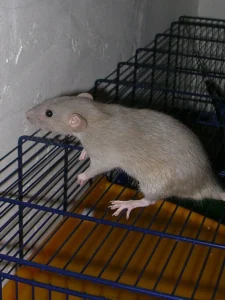
Watch their body language carefully. If they lean into your touch, follow your hand, or seem relaxed, they’re probably enjoying it.
Don’t force it if your rat seems uncomfortable. Signs of stress include trying to escape, freezing in place, or making low-frequency alarm calls (which you might be able to hear as quiet squeaks).
If you see these signs, stop immediately and give your rat space.
Remember, you won’t be able to hear the laughter without special equipment. But you can tell if your rat is enjoying the tickling by their behavior.
Happy rats will approach your hand, hop around playfully, and maybe even do little jumps or twists. These are all signs of joy.
Some rats will never be into tickling, and that’s okay. Every rat has different preferences.
Some prefer gentle petting, others like being scratched, and some just want to be left alone except during treat time. Respect your rat’s individual personality.
The Science Behind Why Tickling Works
Tickling works in rats for the same basic reason it works in humans and other mammals. Certain types of light touch on specific body areas trigger neural pathways associated with social bonding and play.
These pathways evolved because social play is important for survival.
When you tickle a rat, you’re stimulating nerve endings in their skin. These nerves send signals to the somatosensory cortex, the part of the brain that processes touch.
But the signals don’t stop there. They also activate the limbic system, which handles emotions.
In playful contexts, this activation produces positive feelings. The brain releases dopamine and other feel-good chemicals.
The rat experiences pleasure, which motivates them to continue the interaction. This is why rats actively seek out more tickling once it starts.
The reason tickling has to be done by someone else (rats can’t tickle themselves) is because of how the brain predicts sensory input. When you touch yourself, your brain predicts the sensation before it happens, which dampens the response.
When someone else touches you, your brain can’t predict it as accurately, so the sensation is stronger and can trigger laughter.
Conclusion
Rats laugh when tickled because tickling activates pleasure centers in their brain and triggers positive emotions. The ultrasonic chirps they make at 50 kHz are genuine expressions of joy and playfulness.
These sounds are similar in function to human laughter, even though they happen at frequencies we can’t hear.
The discovery of rat laughter has changed how scientists understand animal emotions. It shows that rats experience complex feelings like happiness and enjoyment.
They’re not just reacting mechanically to stimuli but actually having emotional experiences that matter to them.
If you have pet rats, you can try gentle tickling to see if they enjoy it. Watch their behavior rather than trying to hear the sounds.
Happy rats will seek out more interaction, while uncomfortable rats will avoid it. Either way, the fact that rats can laugh at all is a reminder of how emotionally rich these small animals really are.

Hi, my name is Ezra Mushala, i have been interested animals all my life. I am the main author and editor here at snakeinformer.com.