

Most people picture rats as sewer-dwelling creatures that just tolerate water out of necessity. But if you’ve ever watched rats around water, you might’ve noticed something surprising.
Many rats actually seem to enjoy it. They’ll play in shallow water, groom themselves with it, and some even swim for fun. So why do rats like water?
Rats like water because they use it for cooling down, grooming, and staying hydrated. Some rat species are naturally strong swimmers and feel comfortable in water. Water also provides enrichment and play opportunities, especially for curious and active rats.
Not all rats love water the same way though. Individual personalities, species differences, and past experiences all play a role in how comfortable a rat feels around water.
But many rats are much more water-friendly than most people realize.
How Rats Use Water to Stay Cool
Rats can’t sweat like humans do. They only have sweat glands on the bottoms of their feet, which doesn’t help much when they’re overheating.
Instead, rats rely on other methods to cool down, and water is one of the most effective.
When a rat gets too hot, they’ll often seek out water to wet their fur and tail. As the water evaporates, it pulls heat away from their body, cooling them down.
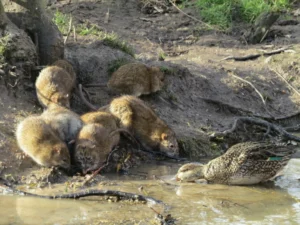
You’ll see rats dip their paws in water and rub the moisture over their face, ears, and body.
The tail is especially important for temperature regulation. Rat tails have lots of blood vessels close to the surface, so wetting the tail helps cool their blood quickly.
This is why rats in hot environments will often dunk their tails in water dishes or splash water on themselves.
In really hot weather, some rats will actually lie down in shallow water to cool their entire body. This behavior shows that they recognize water as a cooling resource and actively seek it out when they need it.
Are All Rat Species Good Swimmers
Not all rats are equally comfortable in water. It really depends on the species and where they evolved.
Some rat species are naturally aquatic or semi-aquatic, while others avoid water when possible.
The brown rat, also called the Norway rat, is an excellent swimmer. These are the most common rats you’ll find in cities and as pets.
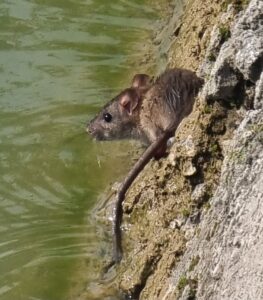
Brown rats can swim for up to three days straight if needed, and they can tread water for hours. They’re so good in water that they can even swim up through pipes and toilets.
Black rats, on the other hand, are less comfortable in water. They’re better climbers and prefer to stay in high, dry places like attics and tree branches.
If a black rat ends up in water, they can swim, but they won’t enjoy it like a brown rat might.
There are also specialized species like the Australian water rat, which is semi-aquatic. These rats spend much of their lives in and around water, hunting for fish, frogs, and aquatic insects.
They have partially webbed feet and waterproof fur that makes swimming easy and natural.
Why Pet Rats Play in Water
Many pet rats will play in shallow water if you give them the chance. They’ll splash around, dunk their heads, and even do little flips and dives.
This playful behavior comes from natural curiosity and the enrichment water provides.
Rats are intelligent animals that need mental stimulation. Water offers new textures, temperatures, and sensations that keep them interested.
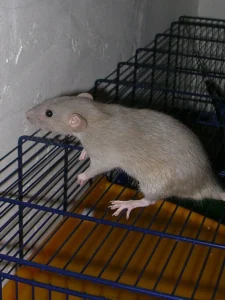
A shallow dish of water becomes a toy and an activity all in one.
Some rats will carry food to their water dish and dip it before eating. This behavior, called “dunking,” might seem weird, but it actually serves a purpose.
Wetting dry food makes it easier to chew and digest. It might also enhance the flavor.
Not every pet rat will play in water though. Some are nervous about it, especially if they weren’t exposed to water as young rats.
Rats that had bad experiences with water, like being forced to swim or getting sprayed, might avoid it completely.
How Rats Groom Themselves With Water
Rats are incredibly clean animals. They spend several hours each day grooming themselves and their cage mates.
Water plays an important role in this grooming routine.
You’ll often see rats wet their paws and then rub them over their face, ears, and head. This helps remove dirt, old skin cells, and any debris stuck in their fur.
The moisture makes it easier to clean hard-to-reach spots.
Rats also use water to clean their whiskers and keep them in good condition. Healthy whiskers are really important for navigation and sensing their environment.
Regular grooming with water helps keep whiskers clean and sensitive.
When rats groom each other, called allogrooming, they’ll sometimes wet their paws first. This social grooming strengthens bonds between rats and helps keep the whole group clean.
If one rat finds a water source, they’ll often share it with their friends.
Do Rats Like to Drink Water?
Rats need to drink water regularly to stay healthy. An average rat drinks about 20-50 ml of water per day, depending on their size, diet, and environment.
They’ll drink more in hot weather or if they’re eating dry food.
Unlike some animals that can get most of their water from food, rats need access to fresh drinking water at all times. Dehydration can happen quickly in rats and can lead to serious health problems within 24-48 hours.

Rats can actually taste water quality. They prefer fresh, clean water and will avoid water that smells bad or has chemicals in it.
If you give a rat chlorinated tap water and filtered water, they’ll usually choose the filtered water.
Some rats like cold water better than room temperature water, especially in hot weather. You might notice your rat drinking more if you add an ice cube to their water dish.
The cold temperature makes it more refreshing.
Why Rats Like Swimming
Rats that enjoy swimming do it for several reasons. First, it’s good exercise.
Swimming works different muscles than walking or climbing, giving rats a full-body workout. In the wild, swimming might be necessary to find food, escape predators, or explore new territory.
Swimming can also be fun and mentally stimulating for rats. The sensation of being in water, the way their body moves differently, and the challenge of staying afloat all provide enrichment.
Rats are playful animals, and swimming can be another form of play.
Some research suggests that swimming might also reduce stress in rats. Studies have shown that rats given the opportunity to swim voluntarily showed lower stress hormone levels than rats that couldn’t swim.
The physical activity and the calming effect of water might both play a role.
However, forced swimming is very different from voluntary swimming. Rats put in water with no way to escape will panic and experience extreme stress.
This is actually used in research as a depression model. So it’s really important that any swimming opportunities for pet rats are completely optional and have easy exits.
What Makes Some Rats Afraid of Water?
Even though many rats like water, some are genuinely afraid of it. This fear can come from several sources.
Rats that weren’t exposed to water as babies might be nervous about it as adults. Early experiences shape how comfortable rats feel with new things.
Bad experiences create lasting fears too. A rat that fell into deep water and couldn’t get out, or got sprayed with water as punishment, might develop a phobia.
These negative associations can be really hard to overcome.
Some rats are just naturally more cautious than others. Personality plays a big role in how rats respond to new experiences.
A shy, nervous rat might avoid water even if they’ve never had a bad experience with it. Meanwhile, a bold, curious rat might jump right in.
Health issues can also affect a rat’s comfort with water. Rats with respiratory problems might struggle to swim because they can’t breathe well.
Older rats or rats with mobility issues might find water scary because they’re worried about drowning.
How to Tell if Your Rat Likes Water
You can usually tell pretty quickly whether your rat enjoys water or not. Rats that like water will approach it willingly and show curious, relaxed body language.
Their whiskers will be forward, and they might sniff the water before touching it.
If a rat likes water, they’ll dip their paws or nose in voluntarily. They might splash around, groom themselves with it, or even wade into shallow water.
Their movements will be calm and controlled, not frantic or panicked.
Rats that don’t like water will avoid it. They’ll keep their distance from water sources, and if they accidentally step in water, they’ll jump back quickly.
Their body will be tense, and they might show signs of stress like freezing, excessive grooming, or trying to escape.
You should never force a rat into water to test whether they like it. This will only create fear and stress.
Instead, offer shallow water in a safe environment and let your rat decide whether to interact with it.
The Best Way to Introduce Rats to Water
If you want to see if your rat enjoys water, introduce it slowly and carefully. Start with a very shallow dish, maybe half an inch of lukewarm water.
Place it in an area where your rat feels safe, like their play area or free-roaming space.
Don’t put your rat in the water. Instead, let them discover it on their own.
You can encourage exploration by placing a favorite treat near the water or floating something interesting on the surface.
Watch your rat’s body language closely. If they seem interested and relaxed, you can gradually increase the water depth over several sessions.
If they seem scared or stressed, remove the water and try again another day with an even shallower amount.
Some rats will never like water deeper than what they need for grooming, and that’s completely fine. Forcing the issue will only damage your bond with your rat and create unnecessary stress.
Every rat is different, and it’s important to respect their individual preferences.
Water Safety for Pet Rats
If your rat does enjoy water, you need to make sure any water activities are completely safe. Never leave a rat unsupervised around water, even shallow water.
Rats can drown in just a few inches if they panic or get tired.
Always provide easy exits. If you’re offering a water dish for play, make sure your rat can easily climb out.
Ramps, rocks, or shallow sides work well. Your rat should never feel trapped in the water.
The water temperature matters too. Very cold water can cause shock, while hot water can burn.
Lukewarm water, similar to room temperature, is safest. You can test it with your hand. If it feels comfortable to you, it’s probably fine for your rat.
After water play, make sure your rat can dry off properly. Wet fur can lead to chilling, especially in cool environments.
Provide towels or fleece for your rat to rub against, and make sure they have a warm, dry place to rest.
Do Wild Rats Swim Often?
Wild brown rats are really good swimmers and will use water as an escape route when threatened. They can dive underwater, hold their breath for several minutes, and swim through pipes and sewers.
This ability to move through water systems is one reason rats are so successful in urban environments.
In cities, rats use storm drains, sewers, and waterways to travel safely between food sources. The water protects them from many predators and gives them access to areas other animals can’t reach.
Some wild rats even hunt in water, catching small fish or aquatic insects.
Rats living near rivers, lakes, or wetlands will swim regularly as part of their normal routine. They’ll cross water to reach new territories or better food sources.
In these environments, being a good swimmer is really important for survival.
However, rats don’t swim for fun in the wild like some pet rats do. It’s usually a practical activity related to finding food, escaping danger, or moving between locations.
The playful water behavior you see in some pet rats is more about enrichment and comfort than necessity.
Conclusion
Rats like water for lots of practical reasons. It helps them cool down, stay clean, and stay hydrated.
Many rats are naturally strong swimmers, and some species have evolved to be semi-aquatic. For pet rats, water can also provide fun, enrichment, and mental stimulation.
But not every rat likes water the same way. Individual personality, species, and past experiences all affect how comfortable a rat feels around water.
Some rats love to swim and play, while others prefer to stay dry except for drinking and grooming.
If you want to introduce your pet rat to water, do it slowly and respect their comfort level. Never force a rat into water, and always prioritize safety.
With patience and the right approach, you might discover that your rat enjoys water more than you thought.

Hi, my name is Ezra Mushala, i have been interested animals all my life. I am the main author and editor here at snakeinformer.com.