

Rats have a reputation for eating just about anything they can get their paws on. But if you’ve ever watched a rat around chocolate, you’ll notice they go absolutely crazy for it.
They’ll pick chocolate over almost any other food you offer them. So why do rats like chocolate so much?
Rats like chocolate because of its high sugar and fat content. Their taste buds are naturally drawn to sweet and fatty foods, which provide quick energy. Chocolate also contains theobromine, a compound that can be addictive to rats in small amounts.
Rats are opportunistic eaters, and their bodies are wired to seek out calorie-dense foods. In the wild, finding foods high in sugar and fat means survival, so their brains reward them when they eat these things.
Chocolate hits all the right buttons for a rat’s taste preferences.
What Makes Chocolate So Appealing to Rats
Rats have around 35 different taste receptors, and they’re really good at detecting sweet flavors. When a rat tastes chocolate, the sugar activates pleasure centers in their brain, similar to what happens in humans.
This creates a reward response that makes them want more.
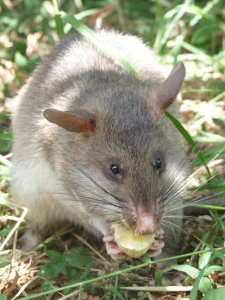
The fat content in chocolate is just as important. Fats are calorie-dense, and a rat’s body recognizes this as valuable fuel.
In nature, rats don’t come across fatty foods very often, so when they do, their instinct is to eat as much as possible. Chocolate combines both sugar and fat in one package, making it irresistible.
Milk chocolate is especially attractive to rats because it has higher sugar content than dark chocolate. The creaminess from milk fat adds another layer of appeal.
If you put milk chocolate and dark chocolate in front of a rat, they’ll usually go for the milk chocolate first.
The Role of Theobromine in Chocolate
Chocolate contains a compound called theobromine, which is actually toxic to many animals, including rats. But here’s the interesting part: in small amounts, theobromine can have a mild stimulant effect that rats seem to enjoy.
It’s similar to how caffeine affects humans.

Theobromine stimulates the central nervous system and can create a slight “high” feeling. For rats, this makes chocolate even more rewarding to eat.
However, the amount of theobroamine in chocolate can be dangerous if rats eat too much. Dark chocolate has much higher levels than milk chocolate, which is why it’s more toxic.
Even though rats like chocolate, their bodies aren’t built to handle theobromine well. A small piece might make them feel good, but too much can cause serious health problems.
Their hearts can race, they can get tremors, and in extreme cases, it can even be fatal.
How Rats’ Taste Preferences Developed
Rats evolved as scavengers and opportunistic feeders. In the wild, they eat seeds, grains, fruits, insects, and basically anything edible they come across.
Their survival depended on being able to identify high-energy foods quickly.

Sweet foods in nature usually mean ripe fruits or honey, both of which provide quick energy. Fatty foods like nuts and seeds offer sustained energy and important nutrients.
Rats developed a strong preference for these flavors because eating them improved their chances of survival.
This is why modern rats, even ones born in captivity, still have these same taste preferences. Their DNA carries the same instructions that helped their wild ancestors survive.
When you give a pet rat chocolate, you’re triggering instincts that go back thousands of generations.
Why Rats Choose Chocolate Over Other Foods
If you’ve ever done a taste test with rats, you’ve probably noticed they’ll pick chocolate over vegetables, grains, and even meat in most cases. This comes down to what scientists call “hedonic value,” which is basically how much pleasure a food provides.
Chocolate scores really high on the hedonic scale for rats.
Their brains release dopamine when they eat chocolate, creating a feeling of pleasure and satisfaction. The more dopamine released, the more they want to eat that food again.
Chocolate triggers a bigger dopamine response than most other foods.
This doesn’t mean rats only care about taste though. They’re actually pretty smart about balancing nutrition when they have access to different foods.
But when chocolate is available, it’s hard for them to resist because the reward signal is so strong.
Can Rats Smell Chocolate From Far Away
Rats have an incredibly powerful sense of smell. They can detect food from really far distances, sometimes up to several meters away depending on air currents.
When it comes to chocolate, they can definitely smell it before they see it.

The aromatic compounds in chocolate, especially milk chocolate, are strong and distinctive. A rat’s nose has about 1,200 different smell receptors, compared to humans who have around 400.
This means they experience smells much more intensely than we do.
When chocolate is nearby, rats can pick up on the sweet, fatty scent almost immediately. You’ll often see them lift their noses in the air and start sniffing rapidly when chocolate is around.
They’re basically following the scent trail to find the source.
This is why rats are so good at finding chocolate hidden in cupboards or pantries. Even if it’s wrapped up, the smell can still escape through tiny gaps in the packaging.
Do Wild Rats Eat Chocolate?
Wild rats don’t naturally come across chocolate in nature, but they definitely eat it when they find it near human settlements. Rats living in cities, suburbs, or anywhere close to people often get into trash cans, dumpsters, and food storage areas where chocolate might be.
When wild rats discover chocolate, they react the same way pet rats do. They love it and will come back for more.
This is actually one reason why chocolate isn’t a good bait for rat traps, even though people think it would work. Rats are naturally cautious about new foods, and they prefer familiar smells.
Peanut butter or bacon actually works better as bait because the smell is stronger and more savory. But once a wild rat has tasted chocolate and knows it’s safe, they’ll actively seek it out.
They’ll remember where they found it and return to that spot.
How Much Chocolate Is Dangerous for Rats
The toxic dose of theobromine for rats is around 100-500 mg per kilogram of body weight. A typical rat weighs between 300-500 grams, so even a small amount of dark chocolate can be harmful.
Milk chocolate has less theobromine, but it’s still risky in large amounts.

A single chocolate chip probably won’t hurt a rat, but a whole chocolate bar could make them seriously sick. Signs of chocolate poisoning in rats include hyperactivity, rapid breathing, tremors, and seizures.
If it’s severe enough, it can cause heart problems or death.
This is why you should never regularly feed chocolate to pet rats, even though they love it. An occasional tiny piece of milk chocolate as a rare treat probably won’t cause harm, but it’s not worth the risk.
There are much safer treats you can give them.
What Rats Like More Than Chocolate
Believe it or not, there are actually a few foods that some rats prefer over chocolate. Peanut butter is one of them.
The combination of fat, protein, and a slightly salty-sweet flavor makes it incredibly appealing to rats.
Yogurt drops made for small animals are another favorite. They’re sweet and creamy, similar to chocolate, but without the toxic compounds.
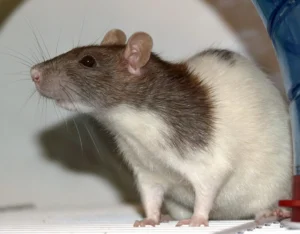
Many rats also go crazy for fresh fruits like banana, strawberries, and mango.
Cheese is another food that rats really love, despite the cartoon stereotypes. Real rats do enjoy cheese, especially soft varieties like cream cheese or cheddar.
The fat and protein content makes it very satisfying to them.
Every rat has individual preferences though. Some rats might choose chocolate over everything else, while others might pick peanut butter or fruit.
Just like people, rats have their own unique tastes.
Why You Shouldn’t Use Chocolate as Rat Food
Even though rats like chocolate, it’s not a good food choice for them. Besides the theobromine toxicity issue, chocolate doesn’t provide the nutrition rats actually need.
It’s basically empty calories that can lead to obesity and health problems.
Rats need a balanced diet with protein, complex carbohydrates, vitamins, and minerals. Commercial rat food is designed to meet these needs.
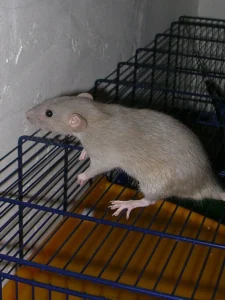
Fresh vegetables, small amounts of fruit, and occasional protein sources like cooked eggs or chicken are much better treats.
Feeding rats too much chocolate can also lead to dental problems. The sugar sticks to their teeth and can cause cavities and gum disease.
Rats’ teeth grow continuously throughout their lives, and they need to chew on hard foods to keep them worn down properly. Soft, sugary foods like chocolate don’t help with this.
If you want to give your pet rat a special treat, there are much safer options. Small pieces of whole grain cereal, unsalted nuts, cooked pasta, or fresh berries are all things rats enjoy that won’t harm them.
Do Rats Get Addicted to Chocolate
Research has shown that rats can develop compulsive eating behaviors around highly palatable foods like chocolate. In laboratory studies, rats given regular access to chocolate and then having it taken away showed signs similar to withdrawal.
They became anxious and worked harder to get more chocolate.
This suggests that chocolate can trigger addictive-like responses in rat brains. The combination of sugar, fat, and theobromine creates a powerful reward signal that their brains start to crave.
Over time, rats may want chocolate more and more.
This is another reason why chocolate isn’t appropriate as regular rat food. If a rat gets used to eating chocolate frequently, they might refuse healthier foods.
They’ll hold out for the chocolate instead of eating their regular food, which can lead to nutritional deficiencies.
Pet rats are smart enough to manipulate their owners too. If they learn that refusing regular food gets them chocolate instead, they’ll absolutely try that strategy.
How Rats React When They Taste Chocolate
When a rat tastes chocolate for the first time, their reaction is usually pretty obvious. They’ll often grab it quickly and run off to a safe spot to eat it.
You’ll see them hold it in their front paws and nibble rapidly.
Rats also do something called “boggling” when they eat food they really enjoy. Their eyes bulge slightly in and out, which looks weird but actually means they’re experiencing intense pleasure.
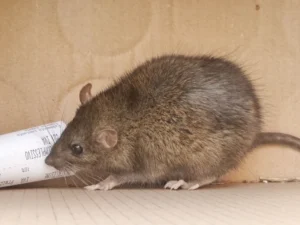
You might also hear them make soft grinding sounds with their teeth, called bruxing, which is another sign of contentment.
After eating chocolate, rats will usually groom themselves thoroughly, licking their paws and face to get every last bit. If there’s more chocolate available, they might try to hoard it, hiding pieces in different spots for later.
This hoarding behavior is instinctual and helps wild rats survive lean times.
Some rats will even do a little happy dance or zooming around their cage after eating chocolate. The sugar rush combined with the theobromine stimulant effect can make them temporarily hyperactive and playful.
Conclusion
Rats like chocolate for the same reasons humans do: it tastes amazing and triggers pleasure responses in the brain. The high sugar and fat content appeals to their natural instincts to seek out calorie-dense foods.
The theobromine in chocolate adds a mild stimulant effect that makes it even more rewarding.
But just because rats love chocolate doesn’t mean it’s good for them. The theobromine that makes chocolate appealing is also toxic to rats in larger amounts.
Regular consumption can lead to serious health problems, obesity, and nutritional imbalances.
If you have pet rats, it’s best to skip the chocolate and stick to healthier treats. There are plenty of foods rats enjoy just as much that won’t put their health at risk.
Fresh fruits, vegetables, whole grains, and rat-safe snacks will keep your rats happy and healthy without the dangers chocolate brings.

Hi, my name is Ezra Mushala, i have been interested animals all my life. I am the main author and editor here at snakeinformer.com.