
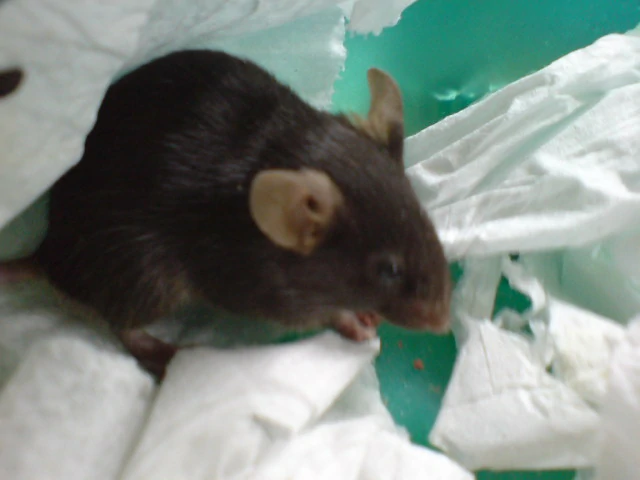
If you’ve noticed your rats sneezing more than usual, it can be pretty concerning. A sneeze here and there is normal, but constant sneezing usually means something is bothering them.
The tricky part is figuring out whether it’s something minor that you can fix at home, or something serious that needs a vet’s attention.
Rats can sneeze for lots of different reasons, from simple dust irritation to serious respiratory infections.
Understanding the cause is important because respiratory problems can get bad really quickly in rats. So why do your rats keep sneezing?
Rats keep sneezing mainly because of respiratory infections (often caused by bacteria like Mycoplasma), environmental irritants like dust or strong smells, allergies to bedding materials, poor air quality, or sometimes foreign objects in their nose. While occasional sneezing is normal, frequent sneezing (especially with other symptoms like discharge or labored breathing) usually requires veterinary treatment to prevent serious illness.
Most rat sneezing comes down to either something in their environment irritating them, or an infection that needs medical treatment.
The good news is that if you catch it early and make the right changes, many causes of sneezing can be fixed pretty easily.
But if you wait too long or ignore the signs, simple sneezing can turn into serious respiratory disease.
Mycoplasma Is the Most Common Cause
The number one cause of sneezing in pet rats is a bacterial infection called Mycoplasma pulmonis. This bacteria lives in the respiratory system of almost all rats, but it doesn’t always cause symptoms.
When rats are stressed, have weak immune systems, or are exposed to irritants, the Mycoplasma bacteria can multiply and cause respiratory infections.
This is when you’ll start seeing symptoms like sneezing, wheezing, and discharge from the nose or eyes.
Mycoplasma is really common in rats because it’s spread from mother to babies during birth. Even rats from clean, responsible breeders can carry it.
There’s no way to completely eliminate it from a rat population.
The infection can range from mild to severe. Some rats will just sneeze a bit and have minor symptoms. Others can develop serious pneumonia that requires aggressive treatment.
The bacteria causes inflammation in the respiratory tract, which triggers sneezing as the rat tries to clear the irritation. You might also notice a red or brown discharge around the nose and eyes (this is called porphyrin, and it looks like dried blood but isn’t).
If your rat is sneezing and has porphyrin staining, that’s a strong sign of Mycoplasma infection. You need to get them to a vet for antibiotics.
The most common treatment is a combination of antibiotics like doxycycline and enrofloxacin.
Treatment needs to be started quickly. Mycoplasma infections can cause permanent lung damage if left untreated, and they can be fatal in severe cases.
Environmental Irritants Are a Major Problem
Rats have really sensitive respiratory systems, and things that don’t bother humans at all can cause serious irritation for them.
If your rats are sneezing but don’t seem sick otherwise, the problem might be something in their environment.
Dust is one of the biggest culprits. Dusty bedding, dusty food, or even just a dusty room can make rats sneeze constantly.
Some types of bedding are worse than others for dust.
Wood shavings (especially pine and cedar) are terrible for rats. They’re not only dusty, but they also release oils and chemicals called phenols that irritate the respiratory system. Never use cedar or pine bedding for rats.
Even aspen shavings, which are safer than pine or cedar, can be too dusty for some rats. Many rat owners switch to paper-based bedding to reduce dust and irritation.
Strong smells can also trigger sneezing. Air fresheners, scented candles, perfume, cleaning chemicals, cigarette smoke, and even strong cooking smells can all irritate a rat’s nose and lungs.
If you’ve recently changed anything in the room where your rats live (new furniture, different cleaner, air freshener), that could be the cause of the sneezing.
Remove the irritant and see if the sneezing improves.
Poor ventilation makes these problems worse. If the room doesn’t have good air flow, irritants and ammonia from urine can build up and constantly irritate your rats’ respiratory systems.
Make sure your rat cage is in a well-ventilated area, but not in a draft. You want fresh air moving through without it being too cold or windy.
Bedding Allergies Can Cause Constant Sneezing
Some rats are allergic or sensitive to specific types of bedding. Even if the bedding isn’t particularly dusty, the material itself might be causing a reaction.
This is different from irritation from dust or chemicals. It’s an actual allergic response where the rat’s immune system is reacting to something in the bedding material.
Signs of bedding allergies include sneezing that starts when you add fresh bedding and gets better as the bedding gets older and more broken in. You might also see more scratching or skin irritation.
If you suspect bedding allergies, try switching to a completely different type of bedding. For example, if you’re using paper bedding, try fleece liners.
If you’re using fleece, try a different brand of paper bedding.
Keep track of what happens when you make changes. If the sneezing stops with a new bedding type, you’ve found your answer. If it continues, the problem is probably something else.
Some rats do better with fleece liners than loose bedding. Fleece doesn’t have dust, and you can wash it regularly to keep it clean. However, you need to change or wash it frequently to prevent ammonia buildup from urine.
If you use fleece, make sure you’re washing it properly. Don’t use fabric softener or scented detergent, as these can irritate rats. Use unscented, gentle detergent and rinse well.
Ammonia Buildup From Urine Causes Irritation
Rat urine contains ammonia, and if the cage isn’t cleaned often enough, ammonia levels can build up to the point where they irritate the respiratory system. This is especially bad in poorly ventilated cages or small cages with multiple rats.
You might not even smell the ammonia yourself, but rats are much closer to the source and much more sensitive to it. Even low levels that humans can’t detect can cause problems for rats.
Signs that ammonia might be the issue include sneezing that’s worse in the morning (after the rats have been in the cage all night), and improvement when you clean the cage.
To prevent ammonia buildup, clean the cage more frequently. Spot-clean dirty areas daily and do a full cage clean at least once a week.
If you have multiple rats or a small cage, you might need to clean even more often.
Litter training can help reduce ammonia buildup. If you can train your rats to use a litter box, you can clean that daily while leaving the rest of the cage bedding a bit longer.
Good ventilation is really important for preventing ammonia problems. Make sure air can flow through the cage. Wire cages are generally better than glass tanks for this reason.
Avoid using glass tanks or aquariums for rats unless you have no other option.
They have poor ventilation and ammonia builds up quickly at the bottom where the rats spend most of their time.
Other Respiratory Infections Besides Mycoplasma
While Mycoplasma is the most common bacterial cause of sneezing, it’s not the only one. Rats can also get secondary infections from other bacteria that take advantage of an already irritated or infected respiratory system.
Bacteria like Streptococcus, Pasteurella, and Pseudomonas can all cause respiratory problems in rats.
These often show up as secondary infections when a rat already has Mycoplasma or when their immune system is weakened.
Viral infections can also cause sneezing, though they’re less common. Sendai virus and rat coronavirus are two viruses that can affect rat respiratory systems.
Viral infections usually have to run their course, but your vet might prescribe antibiotics to prevent secondary bacterial infections from taking hold while the rat is sick.
Fungal infections are rare but possible, especially in rats with weakened immune systems or rats living in very humid conditions.
No matter what’s causing the infection, the treatment is similar. You need to get your rat to a vet for proper diagnosis and medication.
Don’t try to treat respiratory infections at home without professional guidance.
How to Tell If Sneezing Is Serious
Not all sneezing requires a vet visit. Rats sneeze sometimes just like we do, and an occasional sneeze is nothing to worry about. The question is: when does sneezing become a problem?
If your rat sneezes once or twice a day but is otherwise acting normal (eating well, active, no discharge), it’s probably fine. Just keep an eye on it.
If your rat is sneezing multiple times in a row, frequently throughout the day, or the sneezing seems to be getting worse over time, that’s cause for concern.
Look for other symptoms alongside the sneezing. Is there discharge from the nose or eyes? Is the rat breathing heavily or making wheezing or clicking sounds? Are they less active than usual or not eating as much?
Any combination of sneezing plus other respiratory symptoms means you should see a vet soon. Respiratory infections progress quickly in rats, and waiting even a few days can make a big difference in the outcome.
Porphyrin discharge (the red/brown stuff around the nose and eyes) is a major red flag.
This shows up when rats are stressed or sick, and it’s almost always seen with respiratory infections.
Listen to your rat’s breathing. Normal breathing should be quiet and steady. If you can hear wheezing, crackling, clicking, or whistling sounds, that indicates there’s something going on in the lungs or airways.
Check their sides when they breathe. Labored breathing where you can see the sides heaving in and out is a sign of serious respiratory distress and needs immediate vet attention.
What Your Vet Will Do
When you take your sneezing rat to the vet, they’ll do a physical exam and listen to the lungs with a stethoscope. They’ll check for abnormal lung sounds like crackling or wheezing.
They might also check the rat’s weight, temperature, and overall condition. Rats with respiratory infections often lose weight because they don’t feel like eating.
In most cases, the vet will prescribe antibiotics based on the symptoms and their experience with rat respiratory infections. The most common antibiotics for rats are doxycycline, enrofloxacin (Baytril), and azithromycin.
Sometimes vets prescribe a combination of two antibiotics to attack the infection from multiple angles. This is especially common with Mycoplasma infections, which can be stubborn.
Treatment usually lasts 2-4 weeks, and it’s really important to finish the entire course of antibiotics even if your rat seems better. Stopping early can allow the infection to come back stronger.
In severe cases, your vet might also prescribe anti-inflammatory medication to reduce swelling in the airways and make breathing easier.
Some vets recommend nebulizer treatments, where your rat breathes in medicated mist. This can deliver medication directly to the lungs and is really helpful for serious infections.
Home Care and Prevention
While you can’t treat respiratory infections without a vet, there are things you can do at home to prevent sneezing and support your rat’s respiratory health.
Switch to low-dust, non-irritating bedding. Paper-based bedding or fleece liners are usually the best options. Avoid all wood shavings except aspen, and even aspen can be too dusty for sensitive rats.
Keep the cage clean. Spot-clean daily and do full cage cleans weekly (or more if needed). Don’t let ammonia build up.
Improve air quality in the room. Don’t smoke around rats, avoid strong smells, and don’t use air fresheners or scented candles near the cage.

Make sure the room has good ventilation but isn’t drafty. Temperature extremes and sudden changes can stress rats and make respiratory problems worse.
Reduce stress. Stress weakens the immune system and can trigger Mycoplasma flare-ups. Give your rats plenty of attention, enrichment, and a calm environment.
Feed a healthy diet. Good nutrition supports immune function. Make sure your rats are getting quality rat food and fresh vegetables.
Keep the humidity at a reasonable level. Very dry air can irritate airways, but very humid air can promote mold and bacterial growth. Aim for moderate humidity.
If one rat is sick, consider treating all rats in the cage. Respiratory infections spread easily between cage mates, and treating everyone can prevent the infection from bouncing back and forth.
When Sneezing Indicates Chronic Respiratory Disease
Some rats develop chronic respiratory disease, where they have ongoing respiratory symptoms that never completely go away.
This is common in older rats or rats who have had multiple respiratory infections.
Chronic respiratory disease is usually caused by permanent lung damage from previous infections. The lungs have scar tissue or chronic inflammation that can’t be reversed.

Rats with chronic respiratory disease might sneeze regularly, have occasional discharge, or wheeze from time to time even when they’re on medication.
The goal isn’t to cure it (since you can’t), but to manage symptoms and keep the rat comfortable.
These rats often need ongoing medication to keep symptoms under control. They might be on low-dose antibiotics long-term, or they might need periodic courses of antibiotics when symptoms flare up.
Keeping their environment as clean and irritant-free as possible is even more important for rats with chronic respiratory problems. Even small irritants can trigger symptoms.
Quality of life is the main concern with chronic respiratory disease. As long as the rat is still eating, active, and seems comfortable most of the time, they can live a good life even with ongoing symptoms.
If symptoms get worse despite medication, or if the rat is struggling to breathe, it might be time to talk to your vet about quality of life and whether it’s kind to continue treatment.
The Link Between Age and Respiratory Issues
Older rats are more likely to have respiratory problems than young rats. This is partly because their immune systems get weaker with age, and partly because damage accumulates over time.
A rat who had a respiratory infection when they were young might develop chronic issues as they age, even if the original infection was treated successfully.
Senior rats (usually considered 2 years and older) should be monitored closely for respiratory symptoms. What starts as mild sneezing can progress quickly in an older rat.
The good news is that with proper care and quick treatment, many older rats can still live comfortably even with respiratory issues. It just requires more vigilance and possibly more frequent vet visits.
Conclusion
Rats keep sneezing because of respiratory infections (especially Mycoplasma), environmental irritants, dusty or inappropriate bedding, ammonia buildup, or allergies. While occasional sneezing is normal, frequent sneezing with other symptoms requires veterinary attention.
The key is to identify what’s causing the sneezing and address it quickly. Change bedding if needed, improve air quality, clean more frequently, and see a vet if the sneezing persists or comes with other respiratory symptoms.
With proper care and quick action, most respiratory problems can be treated successfully. Don’t wait and hope it gets better on its own, because respiratory issues in rats can progress quickly and cause permanent damage if ignored.

Hi, my name is Ezra Mushala, i have been interested animals all my life. I am the main author and editor here at snakeinformer.com.