
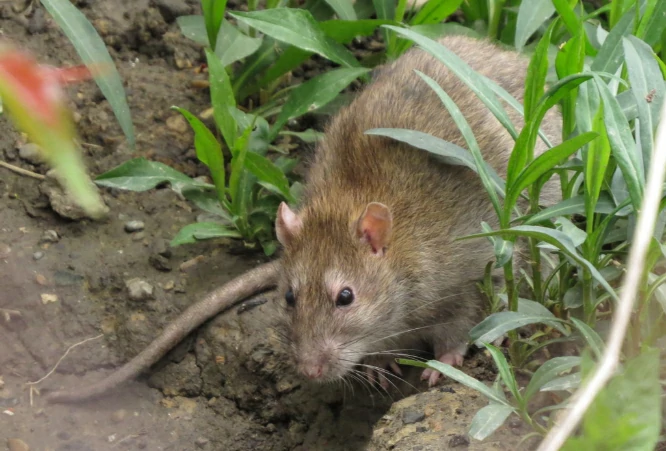
When you’re dealing with a rat infestation in your home or you’ve just seen one scurrying across your kitchen floor at night, it’s natural to wonder why these animals exist at all. They chew through your walls, contaminate your food, and spread disease. From a human perspective, rats can seem like nothing but trouble with no real purpose. So why do rats exist?
Rats exist because they fill important roles in ecosystems as seed dispersers, prey animals for many predators, and decomposers that break down organic matter. They evolved to be highly adaptable opportunistic omnivores, which is why they thrive in so many different environments, including human cities.
Like every other animal on Earth, rats didn’t appear just to annoy humans. They evolved over millions of years and developed traits that helped them survive and reproduce successfully. Their existence serves ecological purposes that keep natural systems functioning.
Rats Play Important Roles in Food Webs
One of the main reasons rats exist is because they’re a crucial food source for many predators. They sit in the middle of food webs in most ecosystems where they live.
Hawks, owls, eagles, and other birds of prey depend on rats and similar rodents as major parts of their diets. In many areas, rats and mice make up the bulk of what these raptors eat throughout the year.

Snakes also rely heavily on rats for food. Rat snakes got their name specifically because they hunt rats so effectively. Many snake species would struggle to survive without rodents as a food source.
Foxes, coyotes, bobcats, and other mammalian predators eat rats regularly. In urban and suburban areas where natural prey is less common, rats become even more important to these animals.
Even some domestic animals hunt rats. Cats, dogs (especially certain terrier breeds), and ferrets were all used historically for rat control because their hunting instincts drive them to catch rodents.
Without rats and other rodents to feed on, these predator populations would crash. The predators would either starve, move to different areas, or start competing more intensely for whatever other food sources exist.
How Rats Help Spread Seeds and Plants
Rats aren’t just prey animals. They also play a role in helping plants reproduce and spread to new areas.
When rats eat fruits, nuts, and seeds, they don’t digest all of them. Many seeds pass through their digestive system intact and get deposited in their droppings far from the original plant.
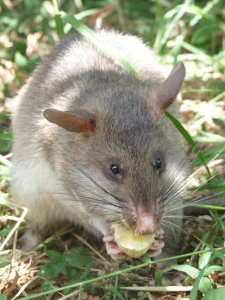
This seed dispersal helps plants colonize new areas. A rat might eat a seed in one location and poop it out hundreds of meters away. If conditions are right, that seed can germinate and grow into a new plant in a spot it never would’ve reached on its own.
Rats also cache food, meaning they store it for later. They’ll collect seeds and other food items and hide them in various locations. Sometimes they forget about these stashes or die before retrieving them, and those seeds can then sprout.
Some plant species have actually evolved to take advantage of rodent dispersal. Their seeds have features that make them attractive to rats but also tough enough to survive being eaten and passed through the digestive system.
In forests and grasslands, this seed dispersal by rats and other rodents is crucial for maintaining plant diversity and helping vegetation recover after disturbances like fires.
Rats as Decomposers and Recyclers
Rats also serve an important function as decomposers in ecosystems. They help break down and recycle organic matter that would otherwise just pile up.
As omnivores, rats eat all kinds of things including dead plant material, carrion (dead animals), and various types of waste. When they consume this organic matter, they break it down into simpler forms.
Their droppings return nutrients to the soil. What goes into a rat as complex organic matter comes out in forms that plants can more easily absorb and use for growth.
In natural environments, rats help clean up fallen fruits, dead insects, bird eggs that didn’t hatch, and other organic debris. Without animals filling this role, nutrients would be locked up in dead matter for much longer.
Even in cities, rats are doing this work. They’re eating garbage and food waste that humans produce. While we see this as a problem because it sustains pest populations, from an ecological perspective, they’re processing waste that would otherwise just rot in place.
The Evolutionary Success of Rats
Rats exist today because they evolved traits that made them incredibly successful at surviving and reproducing. Understanding this helps explain why they’re so hard to get rid of.
Rats are highly adaptable. They can live in forests, grasslands, deserts, wetlands, and urban areas. Very few mammals can thrive in such a wide range of environments.
Their reproductive rate is extremely high. Female rats can have litters of 6 to 12 pups multiple times per year. This rapid reproduction means rat populations can bounce back quickly from setbacks.
Rats are opportunistic omnivores. They’ll eat almost anything, from grains and seeds to insects, eggs, small animals, and garbage. This dietary flexibility lets them exploit food sources that specialists can’t use.
They’re smart and can learn to avoid dangers. Rats can figure out which foods are poisoned, which paths are safe, and how to access resources while avoiding threats. This intelligence has been key to their survival.
Their small size lets them hide in places larger animals can’t reach. They can slip through tiny gaps, live in wall voids, and generally stay out of sight when they need to.
Why Rats Thrive Around Humans
Rats haven’t just survived alongside humans by accident. Our cities and farms actually create ideal conditions for them.
Humans produce massive amounts of food waste. Every restaurant, grocery store, and household throws out food scraps. For rats, this is an endless buffet of easy calories.
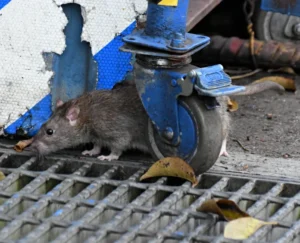
Our buildings provide perfect shelter. The walls, attics, basements, and sewers in human structures offer warm, protected spaces where rats can nest and raise young while staying safe from most predators.
We’ve reduced predator populations in cities. Humans don’t tolerate large predators like coyotes and hawks in dense urban areas, so rats face less natural predation pressure in cities than in wild environments.
Cities stay warmer than surrounding areas. The urban heat island effect means rats can stay active and reproduce year-round in many cities, even in climates where wild rats would face harsh winter conditions.
Our infrastructure gives rats easy travel routes. Sewer systems, utility tunnels, and the spaces inside walls create networks of protected pathways that let rats move around safely.
The Different Species of Rats and Their Niches
When people say “rats,” they’re usually talking about one of two main species, but there are actually over 60 different rat species worldwide, each filling slightly different ecological roles.
Norway rats (brown rats) are the stocky, burrowing rats most common in cities and farms. They prefer to live at ground level or below ground, creating burrow systems. They’re the ones you’ll find in sewers and basements.
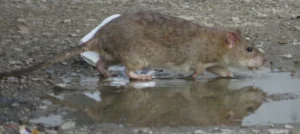
Roof rats (black rats) are more slender and agile. They’re excellent climbers and prefer to live above ground in trees, attics, and upper floors of buildings. They fill a different niche than Norway rats even though they sometimes live in the same areas.
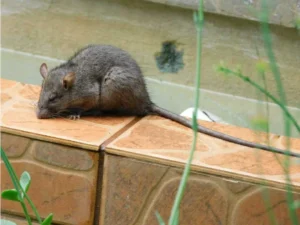
In the wild, different rat species have evolved to fill specific ecological niches. Some are specialized for forest life, others for grasslands, and still others for rocky areas or wetlands.
Each species has slightly different dietary preferences, nesting behaviors, and activity patterns. This specialization reduces competition between species and allows multiple rat species to coexist in the same general area.
The diversity of rat species shows that these aren’t just random pest animals. They’re a successful group of mammals that has evolved to fill many different ecological roles across the world.
How Rats Affect Soil Health
Rats contribute to soil health in ways that aren’t immediately obvious but matter for ecosystem functioning.
Their burrowing activity aerates soil. When Norway rats dig their tunnel systems, they’re constantly mixing and loosening soil. This lets air and water penetrate deeper and helps plant roots grow.
The tunnels themselves create channels for water drainage. During rains, water can flow through rat burrows, reducing surface runoff and helping moisture soak deeper into the ground.
Rats bring organic matter underground. They carry food into their burrows, and some of it ends up left as waste or forgotten stores. This adds nutrients deeper in the soil profile where surface decomposition wouldn’t reach.
Their urine and droppings in and around burrows concentrate nutrients in specific areas. While this is a problem in your attic, in natural ecosystems it creates nutrient hotspots that benefit plant growth.
In grasslands and savannas, the soil disturbance from rat colonies can actually increase plant diversity by creating patches where different species can get established.
The Role of Rats in Scientific Research
While this isn’t about their ecological role, it’s worth noting that rats have become incredibly important to human medicine and science, which is another reason why they exist in such large numbers today.
Laboratory rats have contributed to countless medical breakthroughs. Research on rats has helped develop treatments for cancer, diabetes, heart disease, and many other conditions.
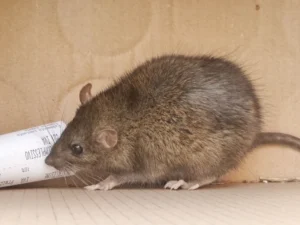
Rats are physiologically similar enough to humans that what we learn from rat studies often applies to human health. Yet they’re different enough that testing on rats is more ethically acceptable than testing on primates.
Psychologists study rat behavior to understand learning, memory, addiction, and other aspects of brain function. Many principles of how brains work were discovered through rat studies.
The domestic fancy rat pet trade exists because of laboratory breeding programs. These are rats that have been bred for generations to be tame and friendly, creating a whole new relationship between rats and humans.
Why Rats Are Considered Pests Despite Their Ecological Roles
Given that rats serve ecological purposes, why are they considered such serious pests? The answer comes down to context and scale.
In natural ecosystems, rat populations are kept in check by predators, disease, food availability, and other limiting factors. They exist at levels the ecosystem can handle.
In human environments, we’ve removed most of these natural controls. We provide unlimited food through our waste, we kill the predators that would eat rats, and we create ideal nesting conditions. This lets rat populations explode far beyond natural levels.
At these high densities, rats cause serious problems. They damage buildings by chewing through wood, wires, and insulation. They contaminate food stores with their droppings and urine. They spread diseases that jump from rats to humans.
Some of these diseases are serious. Rats have been associated with outbreaks of plague, leptospirosis, hantavirus, and salmonella. While rats play legitimate ecological roles, they also pose genuine health risks when living in close contact with humans.
Their high reproductive rate means a small rat problem can become a major infestation quickly. In nature, this rapid reproduction is balanced by high predation and mortality. In buildings, it just means more rats.
What Would Happen If Rats Went Extinct?
This thought experiment helps illustrate why rats exist and what roles they fill.
Many predator species would lose a major food source. Owls, hawks, snakes, foxes, and other animals that rely heavily on rats would see their populations decline. Some might adapt by eating more of other prey, but this would increase pressure on those species.
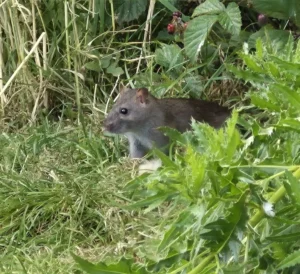
Seed dispersal patterns would change. Plants that depend partly on rats to spread their seeds would have reduced dispersal. This could affect plant population dynamics and forest regeneration in some areas.
Other rodent species might expand to fill the niche. Mice, voles, and other small mammals would face less competition and might increase in numbers. This wouldn’t necessarily be better from a human perspective, we’d just have different rodents as pests.
Ecosystems would adjust, but there would be a period of disruption. Food webs would shift, nutrient cycling would change slightly, and the overall ecology of affected areas would be different.
The fact that removing rats would cause these ripple effects shows that they do serve purposes in natural systems, even if we wish they’d stay out of our houses.
How Human Activity Created More Rat Habitat
It’s worth understanding that humans have actually caused rats to be far more abundant than they would be naturally.
Agriculture created huge new food sources for rats. Grain storage, in particular, is like a rat paradise: concentrated, high-quality food available year-round.
Global shipping spread rats worldwide. Norway rats and roof rats originally evolved in Asia but have been transported to every continent except Antarctica. Ships gave them free rides to new lands.
Cities are essentially rat habitat that we built. Every building with a basement, every sewer system, every dumpster behind a restaurant is shelter and food that wouldn’t exist without human development.
Our sanitation systems, ironically, can support rats. Sewers provide warm, protected highways that rats use to move around cities safely.
Climate change may be expanding rat habitat. Warmer winters in traditionally cold areas mean rats can survive and reproduce in places that were previously too harsh for them.
Conclusion
Rats exist because they evolved to fill important ecological niches. They’re prey animals that feed numerous predators, seed dispersers that help plants reproduce, and decomposers that break down organic matter and recycle nutrients.
Their adaptability, intelligence, high reproductive rate, and omnivorous diet made them incredibly successful at surviving in many different environments. These same traits are why they thrive around humans and why they’re so hard to control when they become pests.
The fact that rats cause problems for humans doesn’t negate their ecological roles. In natural systems at natural population levels, rats are normal parts of functioning ecosystems.
It’s only when they live in artificially high numbers in human spaces that they become the serious pests we know them as.

Hi, my name is Ezra Mushala, i have been interested animals all my life. I am the main author and editor here at snakeinformer.com.