
Cats have been used as natural pest control for thousands of years, and their reputation as skilled rat hunters is well earned.
If you’ve got a rat problem and you’re thinking about getting a cat to help solve it, or if you’re just curious about your cat’s hunting abilities, you’re probably wondering just how effective they really are. How many rats can a cat actually kill in a day?
A skilled hunting cat can kill anywhere from 3 to 10 rats in a day, though the actual number depends on the cat’s hunting ability, energy level, and how many rats are available to catch. Most cats will kill fewer rats than this because hunting is exhausting work.
The number varies a lot based on the individual cat, the environment, and the rat population. Some cats are natural born hunters who can catch multiple rats in a single outing, while others might catch one or two and call it a day.
What Makes Some Cats Better Rat Hunters Than Others
Not all cats are created equal when it comes to hunting rats. Some cats are absolutely deadly to rodents, while others couldn’t catch a rat if it walked right up to them.
Hunting instinct varies by individual cat. Some cats are just wired to hunt. They’ve got strong prey drive, good focus, and the physical skills to back it up. These cats start showing hunting behavior as kittens and never lose the urge.

Early experience matters a lot. Cats that learned to hunt from their mothers as kittens usually become better hunters than cats raised entirely indoors. They learned the skills young when their brains were most ready to absorb that kind of training.
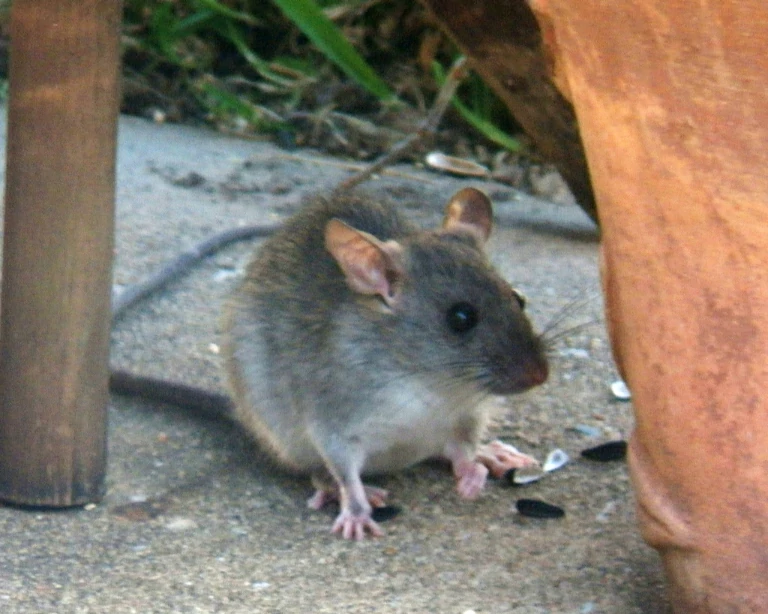
Size and strength play a role too. Rats, especially Norway rats, can be pretty big and aggressive. A small, lightweight cat might struggle to take down a large rat, while a bigger, more muscular cat can overpower them more easily.
Age affects hunting ability. Young adult cats (around 1 to 5 years old) are usually at their peak hunting performance. They’ve got the energy, speed, and experience to be really effective. Kittens want to hunt but lack the skills and strength. Older cats might still hunt but tire more quickly.
How the Hunting Process Actually Works
When a cat hunts a rat, it’s not just a simple pounce and kill. There’s actually a whole process involved, and understanding it helps explain why cats can’t just catch rats nonstop all day.
First, the cat has to locate the rat. This means stalking around areas where rats are active, watching for movement, and listening for sounds. Rats are cautious animals and don’t just run around in the open all day.

Once a cat spots a rat, it goes into stalk mode. The cat crouches low, moves very slowly, and gets as close as possible without being detected. This can take several minutes of careful, patient movement.
Then comes the chase. If the rat notices the cat and runs, the cat has to sprint after it. This is intense, high-energy activity. Cats can reach impressive speeds in short bursts, but they can’t maintain that for long.
The catch involves grabbing the rat, usually with the front paws and claws. The cat might use its teeth right away, or it might bat the rat around a bit first. This behavior isn’t cruelty, it’s actually the cat making sure the rat is too injured or disoriented to fight back effectively.
The killing bite typically targets the back of the neck, severing the spinal cord. Skilled hunters can do this quickly, but it takes practice to get it right consistently.
After the kill, many cats will rest. They might eat the rat, play with it, or just leave it. But either way, they usually take a break before hunting again.
Why Cats Can’t Hunt Rats Continuously All Day
Even the most dedicated hunting cat can’t just keep catching rats one after another all day long. There are real physical and practical limits.
Hunting is incredibly exhausting. The stalking, chasing, and fighting all take serious energy. After killing a few rats, a cat needs to rest and recover. Their muscles need time to recover from the intense bursts of activity.
Cats are sprinters, not marathon runners. They’re built for short, explosive bursts of speed and power. After a few intense hunting sequences, they physically need to take a break.

Mental focus is also limited. Staying in hunting mode requires intense concentration. After a while, that focus wanes and the cat needs downtime to reset mentally.
Rats aren’t dumb. After a cat has been hunting in an area, the surviving rats become much more cautious. They hide better, move less, and are generally harder to catch. The easy pickings are gone after the first few kills.
Injuries can slow a cat down. Rats can fight back, especially large ones. A rat bite or scratch might not stop a cat completely, but it can make them more hesitant about going after the next rat right away.
Comparing Different Hunting Environments
Where the hunting happens makes a huge difference in how many rats a cat can catch in a day.
On farms, cats often do really well. There’s plenty of space, lots of hiding spots for both cats and rats, and usually a good-sized rat population. A skilled farm cat might catch 5 to 8 rats in a day when the rat population is high.
In barns specifically, cats have a major advantage. The enclosed space means rats have fewer escape routes, and cats can use their climbing abilities to reach rats hiding in rafters or hay bales.
Urban environments are trickier. City rats are often very street smart and know how to avoid predators. Cats might only catch 1 to 3 rats in a day in urban settings, and that’s if they’re experienced city hunters.
In homes with rat infestations, the number depends on how bad the infestation is and how accessible the rats are. If rats are hiding in walls, the cat can’t get to them. If they’re bold enough to come out regularly, a cat might catch 2 to 4 in a day.
Outdoor spaces like gardens or yards fall somewhere in the middle. Cats can catch a few rats if there’s a population present, but the rats also have lots of places to escape to.
The Difference Between Killing and Eating Rats
It’s important to understand that catching and killing rats doesn’t mean a cat will eat them all. These are actually two separate behaviors.
Many cats kill rats purely for the sport of it. The hunting instinct drives them to catch and kill prey, but they don’t necessarily feel the need to eat every animal they kill.

Some cats will eat one or two rats but leave the rest. Once they’ve satisfied their hunger, they might continue hunting but won’t consume additional kills.
Domestic cats that get regular meals are especially likely to hunt without eating. They’re not hungry, so food isn’t the motivation. The thrill of the hunt itself is the reward.
This actually means a well-fed cat might kill more rats than a hungry stray. The hungry cat stops hunting once it’s eaten enough to feel full. The well-fed cat keeps hunting because it’s fun, not because it needs food.
How Rat Size Affects How Many a Cat Can Kill
The size of the rats makes a real difference in how many a cat can realistically kill in a day.
Small rats (young ones or certain species) are much easier for cats to catch and kill. A cat could potentially kill more of these in a day because each hunt takes less energy and poses less risk.
Large Norway rats are a different story. Adult Norway rats can weigh close to a pound and are surprisingly strong and aggressive. Killing one takes a lot more effort and energy.
A cat that kills 3 or 4 large Norway rats in a day has done serious work. These rats can actually injure a cat, so the cat has to be careful and strategic. This slows down the hunting process considerably.
Roof rats fall somewhere in between. They’re smaller and less aggressive than Norway rats but still pose more of a challenge than mice or young rats.
The Role of the Rat Population Size
How many rats are actually available to hunt is obviously a limiting factor. You can’t kill 10 rats if there are only 5 rats around.
In areas with heavy rat infestations, a cat has plenty of opportunities. There might be dozens of rats, so a skilled cat can keep finding new targets throughout the day.

When the rat population is small or moderate, the cat might run out of available rats to catch. After killing a few, the rest go into hiding and stay there until they think it’s safe.
Rats also learn and adapt. If a cat kills several rats in one area, the survivors become extremely cautious about that area. They might avoid it entirely for days, which limits how many more the cat can catch there.
This is why cats are better at controlling rat populations than eliminating them entirely. They can catch the careless or unlucky rats, but the smart, cautious ones tend to survive and become harder to catch over time.
Comparing Cats to Professional Rat Control
While cats can certainly kill rats, it’s worth understanding how they compare to other rat control methods.
Professional exterminators using traps and poison can eliminate more rats more quickly than a cat can. They’re working systematically to wipe out the entire population, while a cat is just hunting opportunistically.
However, cats provide ongoing control. Once an exterminator leaves, new rats can move in. A cat that lives on the property provides constant pressure on the rat population.
Cats are also more selective. They typically go after the easier targets first, which often means sick or injured rats. This can actually help prevent disease spread by removing the weakest animals.
The combination approach often works best. Use professional methods to knock down a serious infestation, then keep a cat around to prevent new rats from getting established.
Do All Cats Actually Want to Hunt Rats?
Just because cats can hunt rats doesn’t mean every cat wants to. Some cats have zero interest in hunting, especially if they’ve never had to do it for food.
Indoor cats that have never hunted might not even recognize a rat as prey. They might be curious, scared, or just ignore it entirely. The hunting instinct exists but it’s not fully developed.

Some cats prefer easier prey. They’ll hunt bugs, mice, or birds but find rats too much work or too intimidating. This is especially true for smaller cats who might feel outmatched by a large rat.
Personality plays a huge role. Bold, confident cats are more likely to take on rats. Timid or anxious cats might avoid confrontation even if they have the physical ability to hunt.
Certain breeds are known for better hunting instincts. Mixed breed cats often make excellent hunters. Some specific breeds like American Shorthairs were actually developed partly for their ratting abilities.
Signs Your Cat Is Actually Killing Rats
If you’ve got a cat and a rat problem, you might wonder if your cat is actually helping. There are some clear signs to look for.
Dead rats are the most obvious sign. If you find dead rats with bite wounds to the neck or head, and there are no other predators around, your cat is probably responsible.
Your cat might bring rats to you as “gifts.” This is common hunting cat behavior. They’re not trying to gross you out, they actually think they’re being helpful or trying to teach you to hunt.
You might notice your cat spending more time in certain areas, especially at dawn or dusk when rats are most active. If your cat is staking out the garage, shed, or certain parts of the yard, they’re probably hunting there.
Behavior changes can indicate hunting activity. A cat that’s been hunting will often be more tired than usual, sleep more during the day, and have a bigger appetite to replace the energy they’ve burned.
Sometimes you’ll catch your cat in the act. You might see them in hunting posture, stalking something, or hear sounds of a chase and fight.
Conclusion
A skilled hunting cat can kill anywhere from 3 to 10 rats in a day under ideal conditions, though most cats will kill fewer than this. The actual number depends heavily on the individual cat’s hunting ability, the size and wariness of the rats, and how much energy the cat has.
Hunting rats is hard work that requires bursts of intense energy, so even the best hunters need breaks between kills. Factors like the cat’s age, size, experience, and hunting environment all play into how effective they’ll be.
Cats can definitely help control rat populations, especially in barns, farms, and properties with ongoing rat pressure. However, they’re not a complete solution for serious infestations. They work best as ongoing prevention rather than rapid elimination.
If you’re counting on a cat for rat control, make sure they’re healthy, vaccinated, and not exposed to rat poison. Support their hunting efforts but don’t expect miracles. Even the best hunting cat has limits to how many rats they can catch in a day.

Hi, my name is Ezra Mushala, i have been interested animals all my life. I am the main author and editor here at snakeinformer.com.