
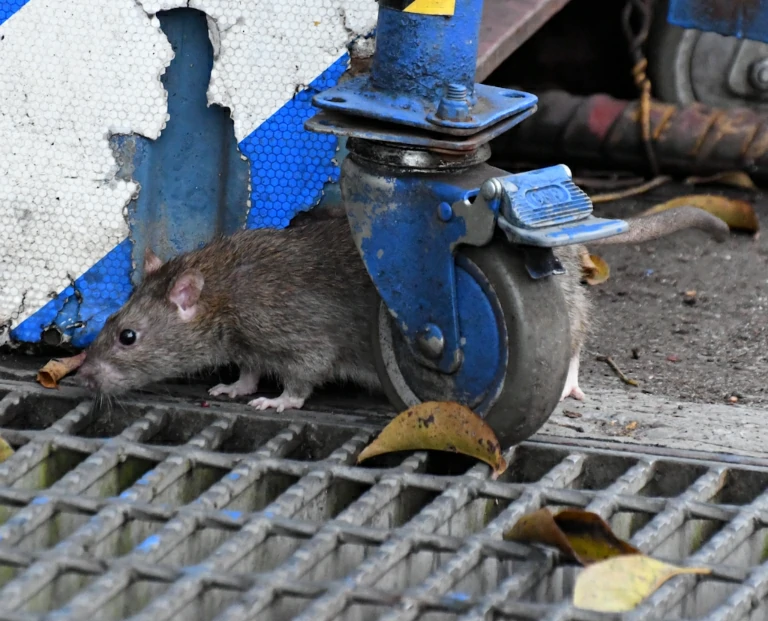
You’ve been seeing rats in your house for weeks or even months, hearing them in the walls, finding droppings, and dealing with the stress of sharing your home with rodents.
Then suddenly, all the signs disappear. No more scratching sounds, no fresh droppings, no evidence of rats at all. So why do rats suddenly disappear in house?
Rats suddenly disappear from houses for several reasons: they’ve found a better food source elsewhere, a predator (like a cat or snake) has scared them away, disease has killed off the population, or they’ve simply moved to a different part of your house where you can’t detect them yet. Sometimes the disappearance is only temporary.
The sudden absence of rats doesn’t always mean your problem is solved. Understanding why they left helps you figure out if they’re really gone or if they’ll come back.
They Found a Better Food Source
Rats are always looking for the easiest, most reliable food. If something changes and your house is no longer the best option, rats will move on quickly.
This could happen if a neighbor starts leaving out garbage or pet food, if a new restaurant opens nearby, or if someone’s garden becomes full of ripe vegetables.

Rats aren’t loyal to one location. They’ll constantly compare the effort needed to get food with how much food they can actually get. If somewhere else offers more food for less work or danger, they’ll relocate their whole operation.
This is actually one reason why neighborhood-wide pest control works better than individual efforts. If everyone on your block is careful about food storage and garbage, rats can’t just move next door when one house becomes difficult.
Seasonal changes can shift food availability too. In fall, when gardens produce lots of vegetables and fruit trees drop their harvest, outdoor food sources explode. Rats that were living in your house might move outside because there’s suddenly tons of easy food available.
A Predator Moved Into the Area
Rats are prey animals, and they’re very aware of predators. If a predator establishes territory near your house, rats will often abandon the area entirely rather than risk getting caught.
Cats are the most common predator that scares rats away. If you got a cat, or if a neighbor’s cat started hunting around your property, rats can sense the danger. They smell the cat’s scent, hear it moving around, and decide the risk isn’t worth it.
Even a cat that doesn’t actually catch rats can scare them away. The presence alone is enough. Rats have survived for millions of years by being cautious, and they’re not going to stick around when a natural predator is nearby.
Other predators can have the same effect. Snakes, especially rat snakes and king snakes, will actually enter houses and hunt rats in walls and attics. If a snake took up residence in your walls, it might have eaten some rats and scared the rest away.
Dogs can also deter rats, though less effectively than cats. Some dogs are natural rat hunters (terriers especially), and their activity around the house can make rats nervous enough to leave.
Disease Wiped Out the Population
Rats are susceptible to various diseases, and when rats live in close quarters (like in your walls or attic), disease can spread quickly through the whole group. If a disease outbreak kills most or all of the rats in your house, you’ll suddenly stop seeing any signs of them.
Rat populations can carry plague, hantavirus, leptospirosis, and other diseases that kill rats themselves, not just the diseases they transmit to humans. In crowded conditions with poor ventilation, these diseases spread fast.
Poisoning can also explain a sudden disappearance, but not in the way you might think. If rats ate poison somewhere (maybe a neighbor’s house or outside), they might have returned to your house to die. You’d stop seeing live rats, but you might start smelling dead ones in the walls or attic.
Starvation is another possibility. If rats couldn’t find enough food and their population was too large to support, the weaker rats would die off and the survivors might leave to find better conditions.
They Moved to a Different Part of Your House
Sometimes rats don’t actually leave your house. They just move to a different area where you don’t notice them as easily. This is especially common in larger houses with basements, attics, and multiple floors.
Rats are always exploring and looking for better spots within their territory. If they found a quieter, safer area of your house with access to food and water, they might relocate there. You stop hearing them in the kitchen walls but don’t realize they’re now living in the attic or basement.
Seasonal temperature changes can drive this movement. In winter, rats might move from an unheated garage or attic into warmer interior walls. In summer, they might leave hot attics and move to cooler basements or crawl spaces.
You might have accidentally made one area less attractive without realizing it. Maybe you started storing food differently, sealed up a small entry point they were using, or placed a bright light in an area they liked. They adapted by moving somewhere else in the house instead of leaving entirely.
Changes You Made Actually Worked
If you’ve been trying to get rid of rats (sealing holes, removing food sources, using traps), your efforts might have finally paid off. Sometimes there’s a delay between when you make changes and when rats react to them.
Rats are cautious and suspicious of changes in their environment. If you set traps, they might avoid them for several days or even weeks before finally getting caught.
If you sealed up entry points, it might take time for rats to realize they can’t get back in through their usual routes.
Removing food sources doesn’t immediately drive rats away either. They’ll search for the food for a while, checking the spots where food used to be. Only after days or weeks of finding nothing will they decide to move on.
If you’ve been consistent with multiple strategies (sealing entries, removing food, setting traps, keeping things clean), the cumulative effect eventually becomes too much for the rats to deal with. They decide your house isn’t worth the effort anymore.
The Population Died Off Naturally
Rat populations go through natural cycles. In ideal conditions, rats breed like crazy and populations explode. But eventually, the population gets too large for the available resources, and it crashes.
If your house had a temporary abundance of food (maybe you were storing extra pantry items, had a vegetable garden, or were less careful about cleaning), rats might have bred quickly and created a large population. Once the food ran out or you cleaned up, the population couldn’t sustain itself.
Baby rats have a high mortality rate even in good conditions. About 50 percent of baby rats don’t survive to adulthood. If your house population had a bunch of babies but conditions weren’t quite right, most of those babies died and the adult population aged out without replacement.
Rats also don’t live very long. Wild rats typically live only 6 months to a year, sometimes up to 2 years in really good conditions. If your rat population consisted of older adults and they weren’t successfully breeding, they might have all died of old age within a few months.
Seasonal Migration Patterns
Some rat populations follow seasonal patterns, moving between different locations depending on the time of year. Your house might just be part of their rotation rather than a permanent home.
In fall and winter, rats seek warm shelter and move into houses, garages, and other buildings. When spring comes and weather warms up, they might move back outside where food is more plentiful and they don’t have to deal with the dangers of living near humans.

This is especially common in rural or suburban areas. Rats move into buildings when agricultural fields are harvested and outdoor food becomes scarce. When spring arrives and fields are planted again, they move back outside.
If you live near water, seasonal flooding can drive rats into houses temporarily. When water levels drop, they return to their normal outdoor burrows and foraging areas.
How to Tell If They’re Really Gone
Just because you don’t see or hear rats doesn’t mean they’re actually gone. Rats are sneaky and can hide their presence when they want to. To confirm they’re really gone, look for specific evidence.
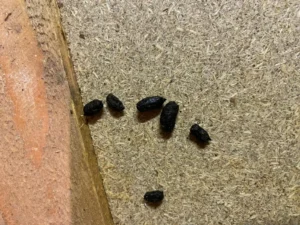
Check for new droppings. Old droppings are hard and gray or dust-colored. Fresh droppings are soft, dark, and shiny. If you’re only finding old droppings and never seeing fresh ones (even after several weeks), that’s a good sign rats are gone.
Look for gnaw marks. Fresh gnaw marks on wood, plastic, or cardboard are light-colored because they expose the fresh material underneath. Old gnaw marks darken over time. If all the gnaw marks look old, rats probably aren’t actively chewing.
Set up monitoring stations. Put a very light dusting of flour or baby powder in areas where you saw rat activity. Check it daily. If you see footprints, rats are still there. No prints for several weeks suggests they’re gone.
Listen carefully at night when rats are most active. Spend time in different rooms listening for scratching, squeaking, or running sounds in the walls and ceiling. Silence night after night is a good sign.
Why They Might Come Back
Even if rats genuinely left your house, they can come back. Rats have excellent memories and remember where they found food before. If conditions change back to being favorable (you get careless about food storage, entry points reopen, predators leave), rats will return.
New rats can also discover your house. Just because one rat population left doesn’t mean a different group won’t move in. Rats are constantly exploring their territory looking for opportunities.
Seasonal changes bring rats back predictably. If rats left your house in spring when outdoor food was plentiful, they’ll likely try to return in fall when they need winter shelter.
Baby rats that grew up in your house remember it as a safe place. Even if you drove out the adults, their offspring might return when they’re old enough to establish their own territories.
What to Do About the Disappearance
Don’t just assume everything’s fine because rats seem to be gone. Use this opportunity to rat-proof your house so they can’t come back.
Seal every entry point you can find. Rats can squeeze through holes as small as a quarter. Use steel wool, metal mesh, or concrete to fill gaps around pipes, vents, and where wires enter the house. Fix broken foundation vents and damaged weather stripping.
Keep food in sealed containers (glass or heavy plastic). Don’t leave pet food out overnight. Store garbage in bins with tight lids. Clean up spills and crumbs immediately.
Eliminate water sources. Fix leaky pipes and faucets. Don’t leave pet water bowls out overnight. Make sure your home doesn’t have standing water in the basement or crawl space.
Keep your yard maintained. Trim vegetation away from your house. Remove debris, woodpiles, and clutter where rats could hide. Keep grass short.
The Danger of Dead Rats in Walls
If rats disappeared because they died (from disease, poison, or natural causes), you might have dead rats decomposing in your walls or attic. This creates a horrible smell and can attract other pests like flies and beetles.
Dead rat smell is unmistakable. It’s a sickly sweet, rotting odor that gets stronger over several days and then gradually fades as the body dries out. The smell usually lasts 1 to 3 weeks depending on the size of the rat and environmental conditions.
You can’t do much about dead rats in walls except wait for them to decompose. The smell is unpleasant but not dangerous. You can use odor absorbers and air fresheners to help manage the smell while you wait it out.
If the smell is coming from an accessible area (attic, basement, crawl space), you might be able to find and remove the body. Look for flies congregating in one spot, as they’re usually near the carcass.
Monitoring for Future Problems
After rats disappear, you should keep monitoring for at least 2 to 3 months to make sure they’re really gone and not coming back. Regular monitoring helps you catch a new infestation early before it becomes a big problem again.
Do weekly inspections of areas where you saw rat activity before. Look for the signs mentioned earlier: droppings, gnaw marks, tracks, and listen for sounds.

Keep checking the outside of your house too. Walk around your foundation looking for new burrow holes, runways in the grass, or signs of rats trying to get back in.
If you sealed entry points, check them regularly to make sure they’re still sealed. Rats are persistent and might try to chew through repairs or find new ways in.
Consider setting up a few monitoring traps (snap traps or live traps) in areas where rats were active. Check them weekly. If you never catch anything after 2 to 3 months, you’re probably in the clear.
Conclusion
Rats suddenly disappear from houses for several reasons: they found better food elsewhere, a predator scared them away, disease killed them off, they moved to a different part of your house, or your pest control efforts finally worked.
Sometimes the disappearance is temporary and seasonal, with rats leaving in spring when outdoor food is plentiful and returning in fall when they need winter shelter.
Don’t assume the problem is solved just because you don’t see rats anymore. Use this time to seal entry points, remove food sources, and rat-proof your house so they can’t return.
Monitor for at least 2 to 3 months by checking for fresh droppings, gnaw marks, and sounds to confirm they’re really gone. If you smell dead rats decomposing in walls, you’ll have to wait 1 to 3 weeks for the odor to fade as the bodies dry out.

Hi, my name is Ezra Mushala, i have been interested animals all my life. I am the main author and editor here at snakeinformer.com.