
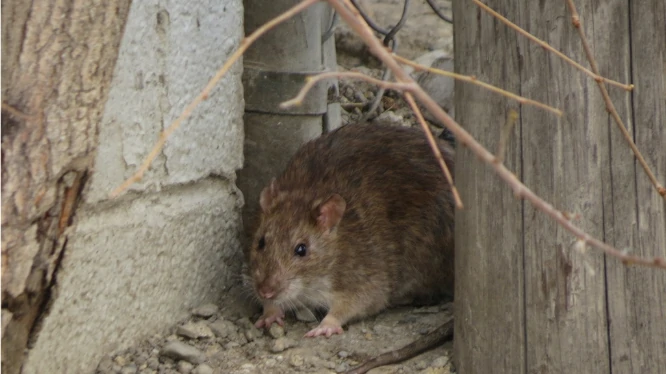
You’ve set traps, cleaned everything, and thought you finally got rid of the rats in your home. But a few weeks later, you hear scratching in the walls again or find fresh droppings in your kitchen. The rats are back, and it feels like a never-ending battle. So why do rats keep coming back?
Rats keep coming back to your home because you haven’t eliminated what attracts them in the first place. As long as your home offers easy access to food, water, and shelter, rats will keep returning. You might catch some rats, but others from nearby will move in to take their place.
Getting rid of rats isn’t just about killing or removing the ones you have. You need to make your home unattractive to rats so new ones don’t move in after you’ve cleared out the current residents.
Your Home Still Has Food Sources They Can Access
The biggest reason rats come back is food. Rats need to eat constantly throughout the day, and if your home provides food, they’ll keep coming.
Even small amounts of food are enough to support a rat population. Crumbs on the floor, spilled pet food, or food left out on counters all attract rats.

Many people don’t realize just how little food rats need. A rat can survive on just an ounce of food per day.
Food in cabinets and pantries isn’t safe either. Rats can chew through cardboard boxes, plastic bags, and even thin plastic containers.
If you haven’t moved your food into thick plastic or glass containers with tight lids, rats can still smell it and access it.
Garbage is another major food source. If your trash cans don’t have tight-fitting lids, or if you leave garbage bags sitting out, rats will come for it.
Pet food is especially attractive to rats. Leaving dog or cat food out all day basically sets up a buffet for rats.
You Haven’t Sealed All the Entry Points
Rats can squeeze through incredibly small openings. If there’s even one gap or hole you missed, rats will find it and use it.
A rat can fit through any opening that’s bigger than about half an inch. That’s roughly the size of a quarter.
Common entry points include gaps around pipes, cracks in the foundation, holes where utilities enter the house, and spaces under doors.
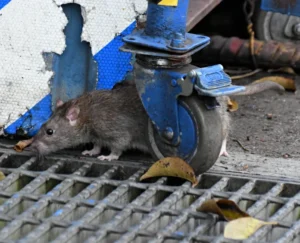
Vents without proper screens are easy entry points. Rats can climb up and squeeze through exhaust vents, dryer vents, and attic vents.
Damaged siding, rotting wood, and missing roof shingles all create ways for rats to get inside. Once they find these spots, they’ll use them repeatedly.
Even if you caught all the rats inside your home, new rats from outside can move in through unsealed openings.
Many people set traps and kill rats but never fix the holes. This guarantees more rats will come because the door is still open.
Sealing entry points needs to be done with materials rats can’t chew through. Steel wool, metal mesh, or cement work well. Foam, caulk, and wood don’t stop rats.
Your Neighborhood Has a Rat Population
Individual rats don’t live in isolation. They’re part of a larger population in your area.
When you remove rats from your home, you’re creating empty territory. From a rat’s perspective, your house is now available real estate.
Rats from nearby areas sense this opportunity. They smell that your home has food and shelter but no other rats defending it.
New rats move in to fill the void. This is especially true in cities and suburban areas where rat populations are dense.
Think of it like this: if you close a restaurant, does that mean people stop getting hungry in that neighborhood? No, they just go to other restaurants. Rats work the same way.
Your neighbors might have rats too. Those rats are constantly looking for new food sources and better shelter.
If your home is more attractive than your neighbor’s home, rats will choose yours even after you’ve cleared it out multiple times.
The only way to permanently solve the problem is to make your home less attractive than the alternatives nearby.
You’re Not Being Thorough Enough with Cleanup
Rats leave behind scents and pheromones that attract other rats. These smells tell new rats that the area is safe and has food.
Even after you’ve removed the rats, their scent trails remain on surfaces, in walls, and in nesting areas.
Other rats detect these scents and follow them right back to your home. The chemical trails act like a roadmap saying “food and shelter this way.”
Rat urine and droppings need to be completely cleaned and disinfected. Just sweeping them up isn’t enough.
You need to use strong cleaners that break down the pheromones and eliminate the smells that attract rats.
Areas where rats nested need special attention. The concentrated scent in these spots is like a beacon to other rats.
Many people clean visible areas but miss hidden spots in walls, under appliances, and in storage areas. Rats can still smell these locations.
Professional pest control companies use special enzymatic cleaners designed to break down rat pheromones. Regular household cleaners don’t always work as well.
Outdoor Conditions Are Driving Them Inside
Sometimes rats keep coming back because conditions outside make your home especially appealing.
During cold weather, rats desperately seek warm shelter. Your heated home is much more comfortable than being outside in the cold.
Heavy rain or flooding can drive rats out of their outdoor burrows and into buildings for safety.

Construction or demolition in your area disturbs rat colonies and sends them looking for new homes. Your house might be the closest option.
Changes to your yard or neighborhood, like cutting down trees or removing brush piles, eliminate rat hiding spots and push them toward buildings.
If your neighbors start controlling their rat problems effectively, those displaced rats might move to your property instead.
Seasonal changes in food availability outside also matter. When outdoor food sources dry up in fall and winter, rats focus more on getting into homes.
Understanding these external pressures helps explain why rat problems sometimes get worse during certain times of year.
You Haven’t Removed Their Water Sources
Rats need water even more than they need food. They can survive longer without eating than without drinking.
A rat needs about an ounce of water per day. Any source of moisture in your home will keep them coming back.
Leaky pipes, dripping faucets, and condensation from air conditioners all provide water for rats.
Pet water bowls left out overnight are like a rat watering hole. They’ll visit regularly just for this.
Moisture in basements, crawl spaces, or under sinks creates habitats where rats feel comfortable.
Even the condensation inside toilet tanks can be enough water for rats. They’re resourceful and will find moisture wherever it exists.
Fixing all water leaks and eliminating standing water is just as important as removing food sources.
In dry climates, water becomes an even more powerful attractant. Rats will travel long distances for reliable water sources.
Your Trapping Strategy Isn’t Working
Many people use traps but don’t use them correctly or consistently enough to make a real difference.
Setting just one or two traps usually isn’t enough. If you have a serious infestation, you might need 10 or 20 traps set at the same time.
Trap placement matters too. Rats travel along walls and in specific routes. Traps set in the middle of rooms often get ignored.

Using the wrong type of trap for your situation also reduces effectiveness. Snap traps work differently than live traps or glue traps.
Rats are smart and learn to avoid traps if they see other rats getting caught. They might even figure out how to steal bait without triggering the trap.
If you’re using poison, rats might be dying in your walls and attracting other rats with the smell of their bodies.
Inconsistent trapping lets the rat population recover. You need to keep trapping until you catch nothing for at least two weeks.
Many people give up too soon. They catch a few rats and assume the problem is solved, but more rats are still hiding or will soon move in.
Rats Have Already Established Colonies in Your Walls
If rats keep coming back to the same locations in your home, they might have established nests and colonies inside your walls or attic.
Once rats build nests and raise babies in your home, they’re extremely difficult to remove completely.
Baby rats born in your house consider it their home territory. As they mature, they stay and defend that territory from other rats.
Colonies can contain dozens of rats living in hidden areas you can’t even see. You might catch rats in traps, but many more are still hiding.
Rats living inside your walls have easy access to food and water in your home. They can come and go through internal passages you don’t know about.
Breaking up these established colonies requires finding and removing their nests, sealing the areas they’re living in, and intensive trapping.
Professional pest control is often necessary for severe colony infestations. They have tools and techniques to reach areas homeowners can’t access.
Thermal imaging cameras can help locate rats inside walls. This technology shows where rats are hiding by detecting their body heat.
You’re Only Treating Inside and Ignoring Outside
Many people focus all their efforts on the inside of their home and forget about the exterior.
Your yard and the area around your house is just as important. If conditions outside are perfect for rats, they’ll keep trying to get in.
Overgrown vegetation near your foundation provides cover for rats. They can hide in bushes and tall grass while they look for ways inside.
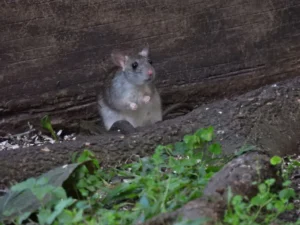
Woodpiles, junk piles, and stored items in your yard create rat hiding spots and nesting areas.
Compost bins without proper covers attract rats with food scraps. Bird feeders also bring rats because of spilled seed on the ground.
Gaps under sheds, decks, and porches give rats protected areas to live right next to your home.
Tree branches touching your roof create highways for roof rats to access your attic.
Treating the exterior means trimming vegetation, removing debris, securing garbage and compost, and eliminating outdoor shelter options.
Creating a clean zone of about two feet around your entire foundation makes it harder for rats to approach unseen.
The Rats Are Coming from Your Neighbors’ Properties
Rats don’t respect property lines. If your neighbors have rat problems, you’ll have rat problems too.
Attached homes like townhouses and apartments make this especially difficult. Rats can travel through shared walls between units.
Even in detached homes, rats living in a neighbor’s yard will explore surrounding properties looking for food.
If your neighbor feeds outdoor cats, has chickens, or leaves garbage accessible, they’re attracting rats that will also visit your property.
Sometimes you can do everything right, but rats keep coming because they’re coming from next door.
This situation requires cooperation with neighbors or, in some cases, contacting local authorities about the problem.
Many cities have health departments that will investigate rat complaints and require property owners to address infestations.
In apartment buildings, the landlord is responsible for pest control. Repeated problems might require reporting to housing authorities.
The reality is that one property with rats affects everyone nearby. Effective rat control often requires neighborhood-wide efforts.
Changes to Your Home Make It More Attractive
Sometimes rats keep coming back because something about your home changed and made it more appealing.
Renovations can open up new entry points or disturb hidden rat colonies, spreading them to other areas.
New landscaping might eliminate predators like cats or owls that were keeping rat numbers down.
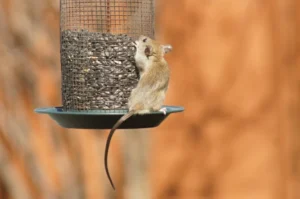
Installing a bird feeder, starting a vegetable garden, or getting chickens all attract rats with new food sources.
Changes in your routine might matter too. Maybe you used to have a cat that scared rats away, but now you don’t.
Working from home might mean more meals at home and more food smells that attract rats.
Even positive changes like upgrading appliances can create problems if the installation process opened new gaps in your walls.
Being aware of what changed before the rats started coming back can help you identify what’s attracting them.
You’re Not Consistent with Maintenance
Getting rid of rats once doesn’t mean they’ll never return. Ongoing maintenance and vigilance are necessary.
Entry points can reopen over time. Weather, settling foundations, and general wear and tear can create new gaps.
Seals and barriers deteriorate. What worked last year might not be effective anymore.
Many people get lazy after the rats are gone. They stop keeping food sealed, let garbage pile up, or delay fixing problems.
This gradual slide back into conditions that attract rats guarantees they’ll return eventually.
Regular inspections of your home’s exterior and interior help you catch problems before rats move back in.
Seasonal checks are especially important. Before winter, make sure all seals are intact and there are no new openings.
Think of rat control like home maintenance generally. You can’t just do it once and forget about it.
Rats Are Attracted to Specific Features of Your Home
Some homes are just naturally more attractive to rats based on their construction and location.
Older homes with crawl spaces, accessible attics, and lots of small openings are rat magnets.
Homes near water sources like rivers, lakes, or drainage areas have higher rat populations nearby.

Properties with lots of vegetation, fruit trees, or gardens provide natural rat habitat and food.
Homes in dense urban areas or near restaurants, grocery stores, or food processing facilities face constant rat pressure.
If your home checks several of these boxes, you’ll face ongoing rat challenges no matter what you do.
This doesn’t mean you can’t control rats, it just means you need to be more vigilant and thorough than someone with a less attractive property.
Understanding your home’s risk factors helps you focus your efforts on the most important prevention measures.
Professional Help Might Be Necessary
Sometimes rats keep coming back because the problem is too big for DIY solutions.
Professional pest control companies have experience, tools, and methods that homeowners don’t have access to.
They can identify entry points and conditions you missed. Their trained eye catches things that aren’t obvious to regular people.
Professionals use commercial-grade products and equipment that work better than store-bought options.
They also provide ongoing service plans that include regular inspections and maintenance.
For severe infestations or persistent problems, hiring professionals is often more cost-effective than repeatedly buying traps and supplies yourself.
Many pest control companies offer guarantees. If rats come back within a certain time frame, they’ll retreat for free.
Don’t view calling professionals as giving up. Sometimes it’s the smartest and most effective choice.
Conclusion
Rats keep coming back to your home because you haven’t eliminated what attracts them. As long as food, water, and easy entry points exist, new rats will move in after you remove the current ones.
Effective rat control requires a complete approach that includes sealing all entry points, removing food and water sources, thorough cleanup to eliminate scent trails, and ongoing maintenance.
You can’t just set traps and call it done. You need to change the conditions that make your home attractive to rats in the first place. Only then will rats stop coming back and choose to live somewhere else instead.

Hi, my name is Ezra Mushala, i have been interested animals all my life. I am the main author and editor here at snakeinformer.com.