
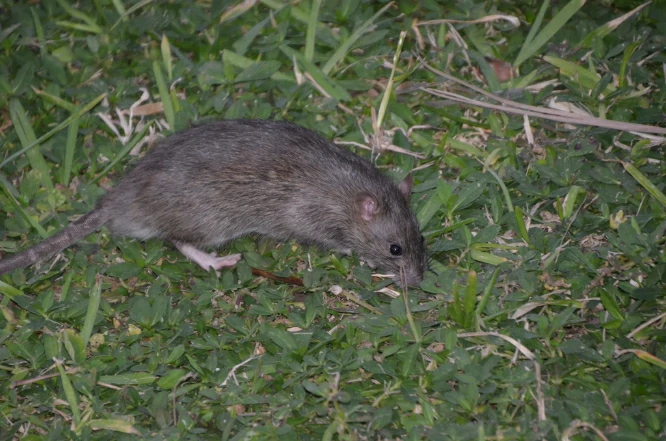
Few things are more disturbing than discovering that a mother rat has eaten her own babies. This behavior seems cruel and unnatural, especially since rats are usually caring mothers who protect their young.
But this shocking behavior happens more often than you might think. So why do rats eat their babies?
Rats eat their babies mainly due to stress, lack of food, illness in the pups, or when they feel threatened. This behavior, called filial cannibalism, is actually a survival strategy that helps the mother rat conserve energy and resources when she can’t properly care for all her offspring.
While it seems horrible to us, eating babies makes sense from the rat’s perspective. It’s not cruelty, it’s survival. The mother rat is making hard choices to give herself and her remaining pups the best chance of living.
Stress Is the Biggest Trigger
The number one reason mother rats eat their babies is stress. Rats are sensitive animals that react strongly to changes in their environment.
When a mother rat feels stressed, her body releases hormones that can override her maternal instincts. Instead of caring for her pups, she might see them as a threat or just as food.

Lots of things can stress out a new mother rat. Loud noises, bright lights, too much handling by humans, or the presence of other animals can all trigger this behavior.
Even changes in her cage or living space can cause stress. Moving her to a new location, cleaning her nest, or rearranging objects near her can make her feel unsafe.
First-time mothers are especially prone to stress-related cannibalism. They don’t have experience raising pups and can get overwhelmed easily.
The stress response is strongest in the first 48 hours after birth. This is when mother rats are most likely to eat their babies if something disturbs them.
The Mother Rat Doesn’t Have Enough Food
Hunger drives many animals to do extreme things, and rats are no exception. A nursing mother rat needs to eat a lot more food than usual because she’s producing milk for her babies.
If food is scarce or if the mother rat isn’t getting enough high-quality food, she faces a terrible choice. She can try to feed all her babies and risk everyone starving, or she can eat some babies to save others.
From a survival standpoint, eating a few pups and successfully raising the rest makes more sense than losing the entire litter to starvation.
The mother rat’s body recognizes when she doesn’t have enough resources. Her hormones change, and her maternal instinct gets weaker.
In the wild, food availability changes with the seasons. Rats that give birth during times of food shortage are much more likely to eat some or all of their pups.
Pet rats can also experience this if their owner doesn’t provide enough food during pregnancy and nursing. A mother rat needs at least twice as much food as normal.
Some Pups Are Sick or Weak
Mother rats have an incredible ability to tell which babies are healthy and which ones probably won’t survive. They can detect things humans can’t see.
If a pup is born with health problems, deformities, or is just much weaker than the others, the mother might eat it.
This seems cruel, but it’s actually practical. A weak pup uses energy and resources but probably won’t survive anyway. By eating it, the mother gives the healthy pups a better chance.
Sick pups can also spread disease to the rest of the litter. Removing the sick pup protects the healthy ones.
Sometimes pups die shortly after birth due to problems during delivery or developmental issues. Mother rats will often eat dead pups to keep the nest clean and prevent bacteria growth.
A decomposing body in the nest could attract predators or cause infections. Eating dead babies is just good housekeeping from the rat’s perspective.
The Litter Is Too Large
Rats can have huge litters, sometimes 12 or more pups at once. But even the best mother can’t always feed and care for that many babies.
When a litter is too big, the mother rat might make the tough decision to eat some pups so she can properly raise the others.
This is especially common in young mothers or mothers who are in poor health. They know their limitations and adjust the litter size accordingly.
The mother rat doesn’t randomly choose which pups to eat. She usually eats the smallest, weakest ones first, giving the strongest pups the best shot at survival.
In the wild, this behavior helps make sure at least some babies survive to adulthood. It’s better to successfully raise six healthy pups than to lose all twelve trying to care for too many.
Even in captivity where food is plentiful, some mothers still have this instinct to reduce large litters. It’s hardwired into their biology.
The Mother Rat Feels Threatened
Safety is the most important thing for a mother rat with newborn babies. If she doesn’t feel safe, she might kill and eat her pups.
This sounds backwards, but there’s logic to it. If a predator is nearby and the mother can’t protect her babies, they’ll die anyway. By eating them, she at least gets the nutrition to escape and try again later.
In homes with cats, dogs, or other pets, a mother rat might feel constantly threatened. She hears and smells these predators nearby.
Too much human handling is another threat. When people keep picking up the babies or checking on them too often, the mother rat gets stressed.
She might think the humans are trying to take her babies. To prevent this, she eats them herself.
Moving the nest or cage can also make the mother feel threatened. Rats like familiar surroundings, and changes make them feel vulnerable.
First-Time Mothers Don’t Know What to Do
Experience matters when it comes to raising babies. Rats who have never had a litter before sometimes don’t understand what’s happening.
A first-time mother might not recognize her babies as her own. In her confusion, she might treat them as food instead of offspring.
Young mothers who got pregnant too early are especially at risk. Their bodies might be mature enough to have babies, but their brains aren’t ready for the responsibility.
These inexperienced mothers might accidentally kill pups while trying to groom them or move them. Once a pup is dead, the mother often eats it.
Some first-time mothers panic when labor starts. They don’t understand what’s happening and might attack the pups as they’re born.
With experience, mother rats usually get better. Second and third litters are much less likely to be eaten because the mother knows what to expect.
The Smell of Human Scent on the Pups
This is one of the most common mistakes people make with pet rats. When you handle baby rats too soon after birth, you leave your scent on them.
Mother rats recognize their babies partly by smell. If a pup smells wrong, like it smells like a human instead of a rat, the mother might reject it.

Rejection often leads to the mother eating the pup. She doesn’t recognize it as hers anymore, so she treats it like any other small prey item.
This is why experienced rat breeders tell people not to touch baby rats for at least the first week, sometimes two weeks after birth.
Even just reaching into the nest to count babies or check on them can transfer enough scent to cause problems.
If you must handle baby rats early, wash your hands thoroughly first and try to touch the mother rat first so your hands smell more like her.
Males in the Cage Can Trigger Cannibalism
Male rats, called bucks, should never be in the same cage as a mother rat with babies. Males can trigger the mother to eat her pups.
The male’s presence makes the mother feel like she needs to breed again. Her body starts preparing for the next pregnancy.
To speed up this process, she might kill and eat her current babies. This stops milk production and lets her cycle back into breeding condition faster.
Even if the male doesn’t directly threaten the pups, his smell and presence create stress for the mother.
Some males will also kill and eat pups that aren’t theirs. If you’re not sure if the male is the father, it’s safer to remove him before the babies are born.
This is true for both wild rats and pet rats. Always separate males from pregnant females before she gives birth.
Poor Nest Conditions Lead to Cannibalism
The quality of the nesting area has a big impact on whether a mother rat will eat her babies. If the nest isn’t comfortable and safe, problems can happen.
Nests that are too cold put the pups at risk. Baby rats can’t control their own body temperature for the first couple of weeks.
If the nest doesn’t have enough warm, soft materials, the pups might start dying from cold. The mother will eat the ones that die.
Nests that are too hot are also dangerous. Overheating can kill pups or make them sick, which then leads to cannibalism.
Wet or dirty nests create health problems. The mother might eat pups to remove them from unsanitary conditions, or the pups might get sick and then get eaten.
Not having a proper nest box or hiding spot makes the mother feel exposed and vulnerable. This stress can trigger eating behavior.
The Mother Rat Is in Poor Health
A mother rat’s physical condition really affects how she cares for her babies. If she’s sick, injured, or malnourished, she might not be able to raise them.
Rats who are vitamin deficient, especially lacking protein, are more likely to eat their pups. Their bodies are telling them they need nutrition.
Infections or illnesses during pregnancy or right after birth can mess with hormones and behavior. The mother might not produce milk properly.
If she can’t feed the babies, they’ll starve. Some mothers eat them instead of watching them die slowly.
Injuries to the mother rat, especially injuries to her mammary glands, can make nursing impossible. Without milk, the pups die, and the mother often eats them.
Older rats or rats who have had many previous litters might be physically worn out. They don’t have the energy to raise another litter.
Hormonal Problems Can Cause This Behavior
Pregnancy and birth involve huge hormonal changes. Sometimes these hormones don’t work correctly, leading to abnormal behavior.
The hormone prolactin is responsible for triggering maternal behavior and milk production. If a mother rat doesn’t produce enough prolactin, she might not feel attached to her pups.
Without that maternal bond, the pups are just small, squeaking things that annoy her. She might eat them to make the noise stop.
Cortisol, the stress hormone, can also interfere with maternal behavior. High cortisol levels override the nurturing instinct.
Some rats have genetic issues that affect their hormones. These rats should never be bred because they’ll likely eat every litter they have.
Hormonal imbalances are hard to diagnose and treat in rats. If a female rat eats multiple litters, it’s probably a hormonal or genetic issue.
How Common Is This Behavior
Filial cannibalism in rats is actually pretty common, especially in certain circumstances. It’s not rare or abnormal, it’s just disturbing to humans.
In the wild, researchers have found that about 20 to 30 percent of first litters are partially or completely eaten by the mother.
This percentage drops significantly for experienced mothers. Second and third litters have much lower rates of cannibalism.
In captivity, the rate depends heavily on conditions. Well-cared-for pet rats in calm environments rarely eat their babies.
But in stressful situations like overcrowded labs or poor breeding operations, rates can be even higher than in the wild.
Certain rat breeds or genetic lines are more prone to this behavior. If a female rat has eaten multiple litters, she probably shouldn’t be bred again.
The behavior is most common in the first 48 hours after birth. After that critical period, it becomes much less likely.
Can You Stop a Mother Rat from Eating Her Babies
Prevention is much easier than stopping the behavior once it starts. If you know a rat is pregnant, you can take steps to reduce the risk.
Give the pregnant rat lots of extra food, especially protein. Make sure she has constant access to fresh water.
Provide plenty of soft nesting materials like shredded paper or fabric. Let her build a comfortable nest before the babies arrive.
Place the cage in a quiet, low-traffic area. Minimize noise, vibrations, and bright lights near the cage.
Don’t handle the pregnant rat too much in the last few days before birth. Leave her alone to prepare for the babies.
Once the babies are born, don’t touch them or disturb the nest for at least a week. Resist the urge to check on them or count them.
Remove any male rats from the cage before the babies are born. Keep them separate for at least three to four weeks.
If you notice the mother acting aggressively toward the pups, you might be able to save them by removing her and hand-raising the babies. But this is difficult and time-consuming.
What Happens to the Surviving Pups
When a mother rat eats some but not all of her babies, what happens to the ones that survive?
Usually, the surviving pups do better because there are fewer babies competing for milk and attention. They grow faster and stronger.
The mother rat’s behavior toward the remaining pups is typically normal. She nurses them, keeps them warm, and protects them.
She doesn’t feel guilty or sad about eating the others. That’s a human emotion. From her perspective, she made the right choice.
The surviving pups don’t know what happened to their siblings. They’re too young to understand or remember.
As long as the conditions that caused the cannibalism are fixed, the remaining pups should grow up healthy and normal.
They’re not traumatized or affected by what their mother did. Rats don’t think about things the way humans do.
Conclusion
Rats eat their babies mainly because of stress, lack of food, sick or weak pups, or feeling threatened. This behavior is called filial cannibalism, and it’s actually a survival strategy that helps the mother and her remaining offspring survive difficult conditions.
While shocking to humans, eating babies makes sense in the rat’s world. It’s not cruelty, it’s a practical response to situations where raising all the babies would result in everyone dying.
If you’re keeping pet rats, you can prevent this behavior by providing plenty of food, creating a calm and safe environment, not disturbing the nest, and keeping male rats away from pregnant females and newborn pups.

Hi, my name is Ezra Mushala, i have been interested animals all my life. I am the main author and editor here at snakeinformer.com.