

If you’ve ever found mysterious holes in your favorite sweater or noticed shredded fabric in your closet, you might have a rat problem. These rodents don’t just go after food in your kitchen. They’ll chew through all sorts of things you wouldn’t expect, including your clothes. But why do rats eat clothes?
Rats don’t actually eat clothes for food. They chew and shred fabric to collect nesting material, keep their teeth from growing too long, and clear paths through your home. The damage looks like they’re eating your clothes, but they’re really just using them for other things.
When a rat tears up your clothes, it’s not because cotton or polyester tastes good. Rats need to gnaw constantly because their front teeth never stop growing throughout their life. If they don’t chew on things regularly, their teeth can grow so long that they can’t eat properly and might even starve.
Rats Need Nesting Material for Their Homes
One of the main reasons rats go after your clothes is to build nests. Female rats especially will shred fabric into small pieces to create a soft, warm bed for their babies.
They’re looking for materials that are easy to tear and carry back to their hiding spots. Clothes made from natural fibers like cotton, wool, and linen are perfect for this.

You’ll usually find this damage in areas where you store clothes you don’t wear often. Rats know that spots like the back of your closet, storage boxes in the attic, or piles of laundry in the basement are safe places where humans don’t go very often.
They can work on shredding fabric without being disturbed. A single rat can collect enough material in just a few nights to build a complete nest.
The nests themselves are usually hidden in dark, quiet spaces. Common spots include inside walls, under floorboards, in the attic insulation, or behind large appliances.
If you find shredded clothes, there’s probably a nest somewhere nearby. Female rats will make their nests extra comfortable when they’re about to have babies, so you might notice more damage during breeding season.
Their Teeth Grow Non-Stop Throughout Their Lives
Rats belong to a group of animals called rodents, and all rodents have teeth that grow continuously. Their front incisors can grow up to 5 inches per year if they don’t wear them down.
This is why rats chew on everything they can find. It’s not a choice or a bad habit. It’s something they have to do to survive.
When rats chew on fabric, it helps file down their teeth to a manageable length. Clothes aren’t their favorite thing to chew (they prefer harder materials like wood), but if your clothes are easily accessible, rats won’t pass up the opportunity.
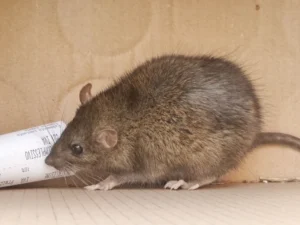
You might notice that the damage to your clothes has clean, sharp edges. That’s because rat teeth are incredibly strong and sharp. They can cut through fabric like scissors, and they can even chew through some types of plastic and soft metals.
If rats can’t keep their teeth ground down, serious problems happen. Their teeth can grow into their jaw or even curve back into their skull. This causes pain, infections, and eventually death from starvation because they can’t eat anymore.
How Rats Use Your Clothes to Get Around Your Home
Rats also chew through clothes and other fabrics to create pathways. If your clothes are blocking their route to food or water, they’ll simply chew through them to clear a path.
This is especially common if you have piles of laundry or stored clothes in areas where rats are active. They don’t see your expensive jacket as something valuable. To them, it’s just an obstacle in the way.
Rats like to travel along the edges of walls and in covered spaces where they feel protected. If your clothes are stacked against a wall or stored in boxes along their regular routes, you’ll see damage.
They’ll chew just enough to squeeze through and continue on their way. The holes might seem random, but if you look closely, you’ll notice they’re usually near the edges or corners of the fabric pile.
The Types of Fabric Rats Like Most
Not all fabrics are equally attractive to rats. They have definite preferences based on how easy the material is to tear and how useful it is for building nests.
Natural fibers are at the top of the list. Cotton is probably their favorite because it’s soft, easy to shred, and comfortable for nesting. Wool is also popular, especially in colder months when rats need extra insulation.
Linen, silk, and other natural materials will also get attacked. These fabrics tear easily and can be pulled into thin strips that are perfect for weaving into a nest.

Synthetic fabrics like polyester, nylon, and spandex are less appealing to rats. These materials are harder to tear and don’t provide as much warmth or comfort in a nest. However, if natural fabrics aren’t available, rats will still chew on synthetic clothes if they need to.
Blended fabrics (like cotton-polyester mixes) fall somewhere in the middle. Rats will chew on them, but they usually prefer pure cotton or wool if they have a choice.
Signs That Rats Are Damaging Your Clothes
The damage from rats is pretty easy to spot once you know what to look for. You’ll see irregular holes and tears, usually with rough or shredded edges.
Unlike moths (which leave small, round holes), rat damage is messier and more random. You might also notice that entire pieces of fabric are missing, not just holes. That’s because rats are carrying the material away to their nest.
Look for other signs of rat activity near the damaged clothes. Rat droppings are small, dark pellets about the size of a rice grain. You’ll usually find them along walls, in corners, or near the clothes themselves.
You might also smell a strong, musky odor. Rats mark their territory with urine, and this smell gets stronger when there’s a large population in your home. If your stored clothes start smelling strange, rats could be the reason.
Grease marks on walls and fabric are another clue. Rats have oily fur, and as they travel the same routes repeatedly, they leave dark smudges behind. These marks often appear along baseboards and on the edges of stored items.
What Attracts Rats to Your Clothes in the First Place
Rats don’t randomly choose which homes to invade. They’re looking for three basic things: food, water, and shelter. If your home provides easy access to these things, rats will move in and start using whatever materials they find, including your clothes.
Dirty laundry can actually attract rats more than clean clothes. If your clothes have food stains, sweat, or body oils on them, rats can smell these organic materials from far away. They’re curious creatures, and they’ll investigate anything that might be food.
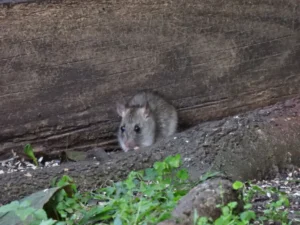
Stored clothes in cardboard boxes are like an invitation for rats. Cardboard is easy to chew through, and once they’re inside the box, they have access to lots of fabric in one convenient location. Plastic storage bins with tight lids are much better for keeping rats out.
Cluttered spaces where you pile clothes on the floor or in corners also attract rats. These areas give them places to hide while they work, and rats always prefer working in spots where they feel safe from predators (including you).
How to Protect Your Clothes from Rat Damage
The best way to protect your clothes is to make them less accessible to rats. Store your clothes in hard plastic containers with secure, snap-on lids instead of cardboard boxes.
Rats can chew through cardboard in minutes, but thick plastic takes much more effort and time. They’ll usually give up and look for easier targets.
Keep your closets and storage areas clean and organized. Don’t leave piles of clothes on the floor, and make sure everything is hung up or properly stored. The less clutter you have, the fewer hiding spots rats have.
Use cedar blocks or chips in your storage areas. Rats don’t like the smell of cedar, and it can help discourage them from nesting near your clothes. Mothballs can also work, but they’re toxic to humans and pets, so cedar is a safer choice.
Seal up any openings in your home where rats might be getting in. Check for gaps around pipes, cracks in your foundation, and holes in your walls. Rats can squeeze through openings as small as a quarter, so even tiny gaps need to be sealed.
If you store clothes in your attic, basement, or garage, inspect these areas regularly. Look for signs of rat activity like droppings, grease marks, or chewed materials. Catching a rat problem early can save a lot of your clothes from being destroyed.
Why You Should Act Fast If Rats Are Chewing Your Clothes
Finding rat damage on your clothes isn’t just annoying and expensive. It’s a sign of a bigger problem that can get much worse if you don’t deal with it quickly.
Rats reproduce incredibly fast. A single female can have up to 12 babies in one litter, and she can have up to 7 litters per year. That means a small rat problem can turn into a major infestation in just a few months.

The more rats you have, the more damage they’ll do. They won’t just stop at your clothes. Rats will chew through electrical wires (which can cause fires), damage your insulation, contaminate your food, and even chew through your walls and furniture.
Rats also carry diseases that can make you and your family sick. Their droppings and urine can spread bacteria like salmonella and viruses like hantavirus. When you handle clothes that rats have been chewing on, you risk exposure to these harmful germs.
The longer you wait to deal with a rat problem, the harder and more expensive it becomes to get rid of them. Early action is always better than waiting until the infestation is out of control.
Getting Rid of Rats That Are Destroying Your Clothes
If you’ve confirmed that rats are chewing your clothes, you need to take action to remove them from your home. There are several methods you can use, and combining multiple approaches usually works best.
Traps are one of the most effective ways to catch rats. Snap traps are cheap and work well if you place them in the right spots. Put them along walls where you’ve seen rat activity, near damaged clothes, or close to droppings.
Use peanut butter, chocolate, or dried fruit as bait. These foods have strong smells that attract rats from far away. Check your traps daily and dispose of any caught rats immediately.
Live traps are another option if you don’t want to kill the rats. These traps capture rats alive so you can release them far away from your home. Just make sure you release them at least 2 miles away, or they might find their way back.
Poison baits can work, but they come with risks. Rats might die inside your walls where you can’t reach them, and the smell of decomposition is horrible. Poison is also dangerous if you have kids or pets in your home.
If you have a serious infestation, calling a professional pest control company is often the best choice. They have access to stronger products and more experience in finding where rats are hiding and how they’re getting into your home.
Preventing Rats from Coming Back After You Get Rid of Them
Once you’ve removed the rats from your home, you need to make sure they can’t come back. Prevention is much easier and cheaper than dealing with repeated infestations.
Seal every possible entry point. Walk around the outside of your home and look for any cracks, gaps, or holes. Use steel wool and caulk to fill small openings, and use metal mesh or hardware cloth for larger gaps.
Pay special attention to areas where pipes and wires enter your home. These spots often have gaps that are just big enough for rats to squeeze through.

Keep your home clean, especially in the kitchen. Don’t leave food out on counters, and store pantry items in airtight containers. Clean up crumbs and spills right away, and take out your garbage regularly.
Rats are attracted to easy food sources, so the cleaner your home is, the less appealing it becomes.
Trim tree branches and bushes that are close to your home. Rats are excellent climbers, and they’ll use overhanging branches as bridges to get onto your roof and into your attic. Keep vegetation at least 3 feet away from your home’s exterior.
Remove clutter from around your property. Piles of wood, old furniture, and junk create perfect hiding spots for rats. The less cover they have, the less likely they are to stick around.
Store firewood at least 20 feet from your home and keep it elevated off the ground. Woodpiles are popular nesting sites for rats, especially in colder months.
Conclusion
Rats chew on your clothes mainly to collect nesting material and to keep their constantly growing teeth under control. They’re not eating the fabric for nutrition, but the damage they cause can ruin your favorite clothes and cost you a lot of money to replace.
If you find holes in your clothes or notice shredded fabric in your closets or storage areas, don’t ignore it. This is a clear sign that rats are active in your home, and the problem will only get worse if you don’t take action.
Protect your clothes by storing them in hard plastic containers, keeping your home clean and organized, and sealing up any entry points where rats might be getting in. If you already have rats, use traps or call a professional to remove them quickly before they multiply and cause even more damage.

Hi, my name is Ezra Mushala, i have been interested animals all my life. I am the main author and editor here at snakeinformer.com.