
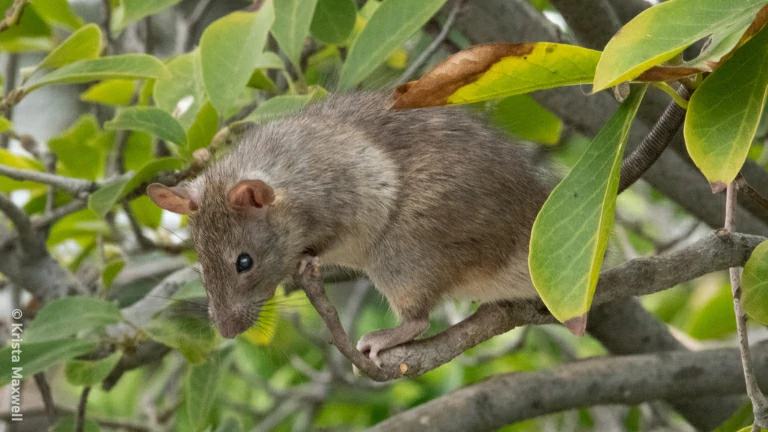
If you’ve ever surprised a rat, you might have noticed something strange. Instead of immediately running away, the rat freezes completely still for a few seconds. It won’t move a muscle, almost like it’s been turned to stone.
This freezing behavior is actually a common response in many animals when they’re scared, but it seems especially noticeable in rats. So why do rats freeze when scared?
Rats freeze when scared because staying perfectly still makes them harder for predators to spot. Movement catches a predator’s attention, so freezing gives rats a chance to assess the threat and decide on the best escape route before running. It’s an instinctive survival strategy that’s kept rats alive for millions of years.
This freezing response happens in a split second and isn’t something rats think about. It’s hardwired into their brain as an automatic reaction to danger. Understanding this behavior helps explain a lot about how rats survive in a world full of threats.
Movement Attracts Predators’ Attention
The main reason rats freeze is simple: predators notice movement before they notice still objects. This is true for most animals with eyes, including the animals that hunt rats.
Cats, hawks, owls, snakes, and other rat predators all have vision that’s specially tuned to detect motion. A rat sitting perfectly still can blend into the background, especially in low light or cluttered environments.
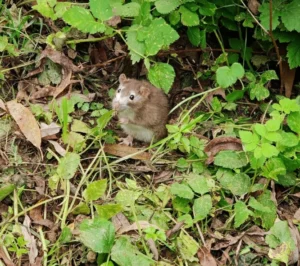
The moment the rat moves, it becomes visible. Even small movements like twitching a whisker or shifting weight can catch a predator’s eye. So when a rat detects danger, its first instinct is to stop all movement immediately.
This freezing response buys the rat time. Those few seconds of stillness let the rat stay hidden while it figures out where the threat is coming from and what to do next.
You can see this same strategy in many prey animals. Deer freeze when they hear a noise, rabbits freeze when they sense danger, and even insects will stop moving when threatened. It’s a widespread survival strategy that works.
For rats specifically, freezing is often the first response in a sequence of defensive behaviors. Freeze first, assess the situation, then either stay frozen if the threat doesn’t know where you are, or run if you’ve been spotted.
It Gives Them Time to Assess the Threat
When something scary happens, rats need a moment to figure out what’s going on. Freezing gives them that moment without making themselves more visible through movement.
During those seconds of stillness, the rat is gathering information through all its senses. It’s listening for sounds that indicate where the threat is and which direction it’s moving. Rat hearing is excellent, and they can detect sounds humans can’t hear.
They’re also sniffing the air. Rats have a very good sense of smell, and they can identify different predators by scent. Knowing whether they’re dealing with a cat, a dog, or a human changes how they respond.
Their whiskers are detecting air currents and vibrations. Rats can feel movement in the air around them and sense when something large is moving nearby. This information helps them understand the threat even if they can’t see it clearly.
Their eyes are watching for movement patterns. Rat vision isn’t great for seeing details, but it’s very good at detecting motion. A frozen rat is watching to see if the threat is moving toward them or away from them.
All of this sensory information gets processed in seconds. Based on what they learn during the freeze, rats can make better decisions about whether to run, hide, or stay still longer.
Freezing Is Part of the Fight-or-Flight Response
When any animal (including humans) encounters danger, their nervous system activates what’s called the fight-or-flight response. This is an automatic reaction that happens in the brain before conscious thought gets involved.
In rats, the freeze response is actually the first stage of fight-or-flight. It happens before the rat decides to fight or flee. The sequence goes: freeze, assess, then either fight, flee, or continue freezing.
The freeze stage activates instantly when the rat’s brain detects danger. Special neurons fire that tell the rat’s body to stop moving immediately. Heart rate actually slows during the initial freeze, which seems counterintuitive but helps the rat stay quiet and undetectable.
After the initial freeze, if the rat decides running is the best option, its body shifts into high-alert mode. Heart rate increases dramatically, blood flow increases to the muscles, and stress hormones flood the system to prepare for explosive running speed.
But if the rat decides staying still is safer, it can maintain the freeze for extended periods. Some rats will freeze for minutes if they think the threat hasn’t spotted them yet. Only when they’re sure the danger has passed will they start moving again.
This freeze-first strategy makes sense for rats because they’re small and vulnerable. Fighting isn’t usually an option unless they’re cornered with no escape. Flight is good but only if they know which way to run. Freezing lets them make the smart choice instead of just panicking and running blindly.
Their Coloring Helps Them Blend In When Still
Freezing only works as a defense strategy if the animal can actually blend into its environment. Rats have coloring that helps with this when they’re motionless.
Wild rats are typically gray, brown, or black. These colors match common environments like dirt, rocks, wood, and shadows. Against these backgrounds, a still rat can be very difficult to spot, especially in dim light.
Their fur has a grizzled or mottled appearance with different shades mixed together. This breaks up their outline and makes them harder to recognize as a rat shape when they’re not moving.

Pet rats come in more varied colors (white, cream, spotted patterns), but even these can blend into certain backgrounds. A white rat against a light-colored surface becomes nearly invisible when still.
The effectiveness of freezing depends partly on where the rat is when it freezes. A rat in an open, empty space won’t benefit much from freezing because there’s nothing to blend into. But a rat near clutter, in shadows, or against textured backgrounds can virtually disappear when motionless.
This is why rats prefer to travel along walls and in areas with cover. Not only do these routes feel safer, but they also provide better backgrounds to blend into if the rat needs to freeze.
Young Rats Freeze More Than Adults
If you compare how baby rats and adult rats respond to threats, you’ll notice that young rats tend to freeze longer and more often.
Baby rats haven’t developed all their defensive skills yet. They can’t run as fast as adults, they don’t know the territory as well, and they haven’t learned all the best escape routes. Freezing is their main defense because other options aren’t as available to them.
Young rats also have less experience with different types of threats. They haven’t learned yet which threats are serious and which aren’t. So they err on the side of caution and freeze in response to things that adult rats might ignore.

As rats mature and gain experience, they get better at assessing threats quickly. Adult rats might freeze for just a second or two before deciding to run, while a young rat might freeze for much longer.
Adult rats have also learned the layout of their environment. They know where the hiding spots are and which routes lead to safety. This knowledge lets them make faster decisions, so they spend less time in the vulnerable frozen state.
However, even adult rats will freeze first when surprised. It’s such a deeply ingrained instinct that it happens automatically regardless of age or experience. The difference is that adults move through the freeze stage more quickly.
Domesticated Pet Rats Still Freeze
Even though pet rats have been bred in captivity for many generations and don’t face natural predators, they still have the freezing instinct. This shows how deeply this behavior is rooted in their biology.
If you startle your pet rat with a sudden noise or quick movement, you’ll see it freeze just like a wild rat would. The rat’s brain doesn’t distinguish between real threats (like a cat) and harmless surprises (like you opening a door suddenly).
This can be confusing for new rat owners who don’t understand the behavior. You might think your rat is sick or scared of you when really it’s just following an instinctive pattern.
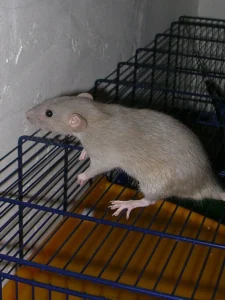
The good news is that pet rats in safe environments learn to freeze less frequently and for shorter durations. Once they learn that you’re not a threat and that their home is safe, they’ll relax more and won’t freeze as much in response to normal household activities.
However, even well-socialized pet rats will freeze when genuinely startled. If a loud noise happens or something unexpected appears in their vision, that automatic freeze response will kick in.
Understanding this helps you be more patient with pet rats. Don’t interpret freezing as a sign that the rat doesn’t trust you. It’s just an automatic response that they can’t completely override, even in safe environments.
The Freeze Response Can Look Like Different Things
Not all freezing looks the same. Depending on the situation and the individual rat, the freeze response can take different forms.
Sometimes rats freeze in a crouched position with their body low to the ground. This makes them smaller and harder to see. They might tuck their legs under their body and pull their head down.
Other times rats freeze in whatever position they were in when the threat appeared. If they were standing on hind legs when startled, they might freeze in that upright position. If they were mid-step, they might freeze with one paw in the air.

A frozen rat’s breathing becomes very shallow and quiet. They’re trying to make no sound at all that might give away their position. If you watch closely, you might see their sides barely moving as they breathe.
Their eyes usually stay open and alert during freezing. Unlike fainting or shock, the rat is fully conscious and aware. They’re just choosing not to move while they gather information about the threat.
Some rats hold their freeze for just a second or two, while others can maintain it for much longer. The length of the freeze depends on how threatening the situation seems and whether the threat appears to be moving away or getting closer.
Other Defense Behaviors That Follow Freezing
Freezing is usually the first response, but rats have several other defensive behaviors they might use depending on what happens next.
If the rat decides freezing isn’t working (if the predator has spotted them), they’ll bolt. Rats can run surprisingly fast when they need to, reaching speeds of up to 8 miles per hour in short bursts. They’ll run to the nearest hiding spot or safe area they know.
Rats are also excellent climbers and jumpers when escaping. They can jump vertically up to 3 feet from a standstill and can scale rough surfaces quickly. This gives them escape options that ground-based predators can’t follow.
If cornered with no escape route, rats will fight back. They can deliver painful bites and will use their teeth and claws to defend themselves. A desperate rat can be surprisingly fierce, even against much larger predators.
Some rats use distraction tactics. They might make sudden movements in one direction to draw attention, then run in another direction. Or they might squeak or squeal to confuse the predator.
In some situations, rats will “death feign,” which means they play dead. This is different from freezing. A death-feigning rat will go completely limp and stop responding to stimuli. This is rare in rats compared to some other animals, but it does happen.
How This Behavior Affects Rat Control Efforts
Understanding the freeze response is actually important for people trying to catch or control rat populations. This behavior affects how traps and other control methods work.
When rats are exploring and encounter a trap, they often freeze first before approaching it. During this freeze, they’re assessing whether the trap is dangerous. If anything about the trap triggers their danger sense, they’ll avoid it after the freeze.
This is one reason why rats are so hard to trap. The freeze gives them time to notice things that don’t belong in their environment. New objects (like traps) are automatically suspicious.
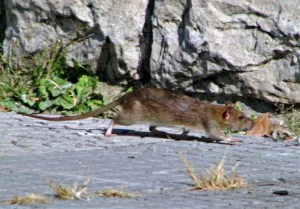
The freeze response also explains why rats often avoid open areas where traps might be placed. They prefer routes where they can freeze near cover if needed. Traps in open spaces are less likely to catch rats because rats feel too exposed in those areas.
People trying to catch rats need to account for this behavior. Traps should be placed where rats feel comfortable freezing to assess them. Along walls, near corners, or in areas with some cover nearby are better placements than open spaces.
Pre-baiting (leaving traps unset with free food for several days) works partly because it lets rats freeze, assess, and eventually decide the trap isn’t dangerous. Once they’re comfortable with the trap’s presence, they’ll approach more readily.
Conclusion
Rats freeze when scared because it’s an effective survival strategy that’s been refined over millions of years of evolution. Staying still makes them harder to spot, gives them time to assess threats, and prevents them from making panicked mistakes.
This freezing response is automatic and instinctive. It happens before conscious thought and affects both wild rats and domesticated pet rats. Understanding this behavior helps explain why rats act the way they do in threatening situations.
Whether you’re dealing with pest rats or caring for pet rats, recognizing and respecting the freeze response helps you predict rat behavior and interact with them more effectively. It’s a reminder that even well-adapted urban pests or friendly pets are still driven by ancient survival instincts.

Hi, my name is Ezra Mushala, i have been interested animals all my life. I am the main author and editor here at snakeinformer.com.