
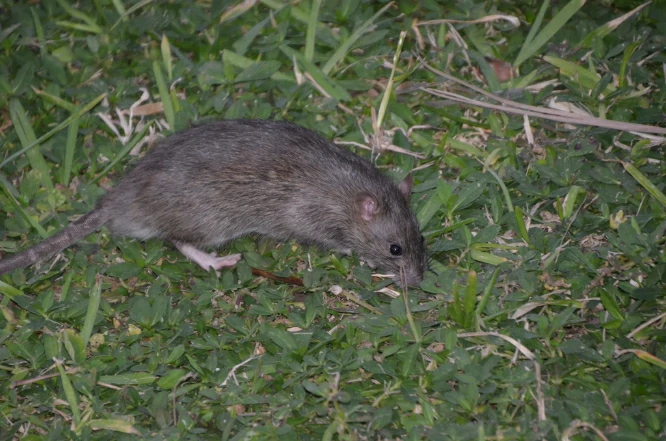
If you have pet rats, you’ve probably noticed them doing something odd with their food. Instead of eating it right away, they’ll grab pieces and hide them under their bedding, in corners, or even inside their toys and hideouts.
This food-burying behavior seems wasteful, especially since the food usually just gets dirty and ends up thrown away during cage cleaning. But there’s actually a very good reason rats do this.
So why do rats bury their food?
Rats bury their food because of an instinct to hoard and store resources for later. In the wild, food isn’t always available, so rats hide surplus food in safe spots to eat when they can’t find fresh food. This survival behavior continues even in pet rats who never go hungry.
Even though your pet rats get fed regularly and don’t need to worry about starvation, the instinct to hoard food is hardwired into their DNA. They can’t help but do it.
Food Hoarding Is A Survival Instinct
In the wild, rats never know when their next meal is coming. Food sources can disappear quickly because of weather, competition from other animals, or changes in the environment.
To survive these unpredictable periods, rats developed the instinct to hoard food when it’s abundant. If a rat finds more food than it can eat right away, it’ll store the excess in hidden locations.

This behavior increases the rat’s chances of survival during lean times. When food is scarce, the rat can return to its hidden stashes and eat what it stored earlier.
This hoarding instinct is so strong that rats will continue doing it even when they live in safe homes with unlimited food. The behavior is automatic and doesn’t require conscious thought.
Your pet rats don’t understand that you’ll feed them again tomorrow. Their instincts tell them to save food just in case, and they follow those instincts without questioning them.
Rats Hide Food In Safe Locations
When rats bury food, they’re not doing it randomly. They choose specific spots that feel safe and are close to their nesting areas.
Common hiding spots include under bedding material, in corners or enclosed spaces, inside tubes, hammocks, or hideouts, behind or under objects in the cage, and in any small crevice or gap they can find.
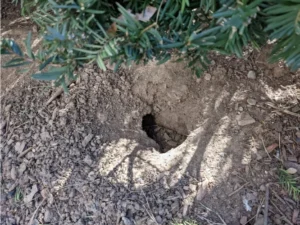
These locations are chosen because they’re dark, hidden from view, and easy for the rat to access later. Rats don’t want other animals (or other rats) finding and stealing their stash.
In multi-rat cages, you might notice rats stealing from each other’s food stashes. This is normal competitive behavior. Each rat wants its own personal supply, so they’ll hide food in multiple locations to increase the chances that at least some of it won’t be found.
Different Foods Get Treated Differently
Not all food gets buried with the same urgency. Rats are selective about what they hoard based on the value and durability of the food.
High-value foods like nuts, seeds, grains, and dried fruits are almost always hoarded. These foods store well and provide lots of calories, which makes them perfect for long-term storage.
Fresh foods like vegetables and fruits are less likely to be buried because rats know they’ll spoil quickly. Your rats might eat these right away or just leave them in one spot rather than hiding them.
Treats and novel foods often get buried immediately. If you give your rat something special it’s never had before, it might take it straight to a hiding spot rather than eating it. This is the rat’s way of protecting valuable resources.
Some rats are more selective hoarders than others. One rat might bury everything, while another only hides its absolute favorite foods.
How Rats Remember Where They Hid Food
Rats have excellent spatial memory, which helps them remember where they’ve hidden food. They create mental maps of their environment and can recall the locations of multiple food stashes.
This memory works even if the hiding spots are in different parts of the cage or living area. Rats can keep track of several stashes at once and visit them in a specific order.

However, rats don’t always remember every single hiding spot. Sometimes they’ll forget about older stashes, especially if they’ve hidden food in many different locations. This is why you might find old, moldy food during cage cleaning that the rat never came back for.
In the wild, forgotten food stashes actually serve a purpose. Seeds and nuts that rats bury and forget about can sprout and grow, which creates new food sources for future rat generations.
Food Hoarding Increases With Uncertainty
Rats hoard more when they feel uncertain about their food supply. Even pet rats can sense changes in their feeding routine and respond by hoarding more food.
If you suddenly change your feeding schedule, feed smaller portions, or switch to a new type of food, your rats might increase their hoarding behavior. They’re responding to what feels like uncertainty.
Stress can also trigger more hoarding. Rats that are anxious or feeling insecure might bury more food as a way to regain a sense of control over their environment.
New rats (especially rescues) often hoard excessively when they first arrive in their new home. They don’t know if this new place is safe yet, so they hoard as much as possible just in case.
Over time, as rats settle in and learn that food is always available, the hoarding behavior might decrease slightly. But it’ll never go away completely because it’s instinctive.
Why Pet Rats Still Hoard Despite Regular Feeding
You might wonder why your rats continue hoarding when they get fed every single day and never go hungry. The answer is that instinct doesn’t work based on logic or current circumstances.
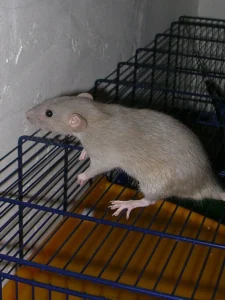
Rats have been hoarding food for thousands of generations. This behavior is coded into their genetics because it helped their ancestors survive. Your pet rat can’t just turn off this instinct because you provide regular meals.
Think of it like how humans still crave sugar and fat even when we have unlimited access to food. Our bodies are wired to seek out high-calorie foods because our ancestors often faced food scarcity. We know we don’t need to overeat, but the craving is still there.
Rats experience the same thing with hoarding. The urge to hide food is hardwired, and it doesn’t disappear just because the rat lives in a safe environment with guaranteed meals.
Social Dynamics Affect Food Hoarding
In cages with multiple rats, social hierarchy plays a big role in hoarding behavior. Dominant rats might hoard more aggressively and defend their stashes from other rats.
Lower-ranking rats might sneak food away when the dominant rats aren’t looking, or they might hide food in less obvious spots to avoid having it stolen.
You might also see rats stealing from each other’s stashes. One rat will hide food, then another rat will find it and move it to a different hiding spot. This back-and-forth can continue indefinitely.
Some rats develop territories within the cage and will only hoard food in their designated areas. Other rats might respect these territories, or they might invade and raid the stashes anyway.
Rats that are bonded and get along well might share food stashes more willingly. But even friendly rats will still maintain some level of individual hoarding.
What Types Of Rats Hoard More
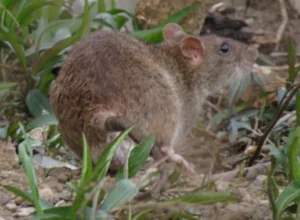
All rats hoard to some degree, but some hoard more than others based on various factors. Wild rats hoard more than domesticated pet rats because they face real food scarcity and competition.
Female rats often hoard more than males, especially when they’re pregnant or nursing. They need extra food reserves to support themselves and their babies.
Older rats sometimes hoard less than younger rats because they have lower energy levels and might not feel as driven by the instinct. Young, active rats tend to be enthusiastic hoarders.
Rats that have experienced food insecurity in the past (like rescues from bad situations) often hoard more than rats that have always had reliable food sources.
Individual personality also matters. Some rats are just naturally more anxious or resource-focused, which leads to more hoarding behavior.
How Hoarding Affects Cage Cleanliness
Food hoarding can make cage maintenance more challenging because hidden food can get moldy, attract insects, or create unpleasant odors if left too long.
When you clean the cage, you’ll often find stashes of old food buried in the bedding or tucked away in corners. This food needs to be thrown away, even though your rat carefully hid it.
Some rats get upset when you remove their food stashes during cleaning. They might act anxious or immediately start rebuilding their stash with fresh food. This is normal and nothing to worry about.
To minimize issues with hidden food spoiling, you can limit how much dry food you give at once, remove fresh foods after a few hours if they haven’t been eaten, do spot checks between full cage cleanings to remove obvious stashes, and use food hoppers or bowls that make it harder to carry away large amounts.
Just remember that no matter what you do, your rats will continue hoarding. It’s an unchangeable part of their behavior.
Hoarding Extends Beyond Food
While food is the most common thing rats hoard, they’ll also collect and hide other items they find valuable. This includes nesting materials like paper, fabric, or soft bedding, shiny or interesting objects, toys they particularly like, and even stolen items from your home if they’re allowed to free-roam.

This hoarding of non-food items serves a similar purpose. Rats want to accumulate resources and keep them in safe locations where they can access them when needed.
If you let your rats out for playtime, don’t be surprised if they try to steal and hide small objects. They might take pens, jewelry, coins, or anything else that catches their attention. This is the same hoarding instinct applied to different items.
What Hoarding Tells You About Your Rat’s Health
Changes in hoarding behavior can sometimes indicate health issues. A rat that normally hoards food but suddenly stops might be sick, in pain, or experiencing dental problems that make eating difficult.
On the flip side, a rat that suddenly starts hoarding much more than usual might be stressed or anxious about something in its environment.
If you notice dramatic changes in hoarding behavior along with other signs like weight loss, reduced activity, or changes in eating habits, it’s worth checking with a vet.
But small day-to-day variations in hoarding are completely normal. Some days your rat might hide more food than others based on mood, energy level, or what foods are available.
Should You Stop Your Rat From Hoarding
There’s no need to try to stop your rats from hoarding, and in fact, you probably can’t stop them even if you wanted to. The behavior is too deeply ingrained.
Instead of fighting the hoarding instinct, work with it. Accept that your rats will hide food, and adjust your feeding and cleaning routine accordingly.
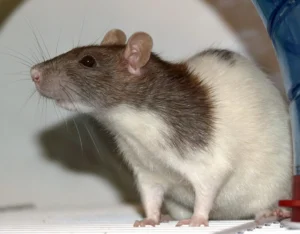
Some rat owners actually find the hoarding behavior endearing. It’s interesting to watch rats carefully select foods, carry them to hiding spots, and arrange their stashes just right.
As long as you’re removing old food during regular cage cleanings, the hoarding behavior isn’t harmful. It’s just part of living with rats.
In fact, hoarding can be enriching for your rats. It gives them something to do, allows them to express natural behaviors, and provides mental stimulation. Letting them hoard is actually good for their wellbeing.
Conclusion
Rats bury their food because of a deep survival instinct to hoard resources for times when food might not be available. This behavior helped their wild ancestors survive periods of scarcity, and it continues in pet rats even when they’re fed regularly.
Your rats don’t hoard because they’re worried about starving. They do it because their instincts tell them to save valuable resources just in case. It’s hardwired into their genetics and can’t be turned off.
Rather than trying to stop hoarding, accept it as a natural rat behavior. Clean out old stashes regularly, and enjoy watching your rats express their natural instincts in a safe, comfortable environment.

Hi, my name is Ezra Mushala, i have been interested animals all my life. I am the main author and editor here at snakeinformer.com.