
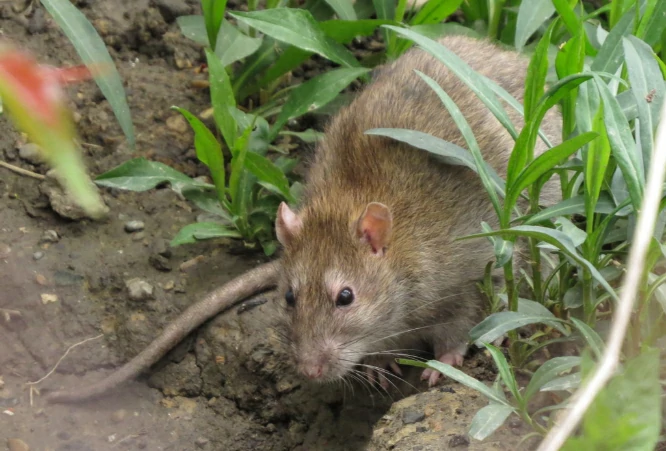
If you’ve spent time around pet rats, you’ve probably noticed a strange chattering or grinding sound they make with their teeth. Sometimes you can even feel vibrations when you’re holding them, and their eyes might seem to pulse in and out of their sockets.
This behavior looks and sounds odd the first time you see it, and many new rat owners worry that something’s wrong with their pet. But this behavior (called bruxing) is actually completely normal.
So why do rats brux?
Rats brux (grind their teeth) when they’re content, relaxed, or happy. It’s similar to a cat purring and usually means the rat feels safe and comfortable. However, rats can also brux when they’re stressed, in pain, or trying to calm themselves down.
The key to understanding bruxing is paying attention to the context and the rat’s other body language. Most of the time, it’s a good sign, but not always.
What Bruxing Actually Is
Bruxing is the act of grinding the upper and lower teeth together. Rats do this by moving their jaw in a specific way that creates a chattering or clicking sound.
The sound can be quiet enough that you barely hear it, or loud enough to be clearly audible from across the room. It depends on how hard the rat is grinding and how relaxed it is.
When rats brux intensely, you’ll often see their eyes bulge slightly and pulse in rhythm with the grinding. This is called “boggling” and it happens because the jaw muscles used for bruxing are connected to the muscles around the eyes.
The combination of bruxing and boggling together is one of the cutest and most distinctive behaviors pet rats display. It’s also a behavior that confuses a lot of new owners who don’t know what they’re seeing.
Bruxing Usually Means The Rat Is Happy
In most cases, bruxing is a sign of contentment. When a rat feels safe, relaxed, and happy, it’ll often start grinding its teeth gently.
You’ll typically see this when you’re petting your rat, when it’s eating something it really enjoys, or when it’s settling down to sleep in a comfortable spot. These are all situations where the rat feels good.
Think of it like a cat purring. Cats purr when they’re happy, and rats brux for the same reason. It’s an involuntary response to feeling content.
If your rat bruxes while you’re holding it or petting it, that’s a clear sign it trusts you and enjoys the interaction. It’s basically the rat’s way of saying “this feels good, keep doing that.”
How Bruxing Feels Different From Normal Behavior
When you’re holding a rat that’s bruxing, you can usually feel it. There’s a subtle vibration that comes from the jaw movement, and if the rat is sitting on your shoulder or against your chest, you’ll definitely notice it.
The vibration is gentle and rhythmic, almost like a tiny motor running. It’s not uncomfortable or alarming, just noticeable.
If you put your hand near the rat’s jaw while it’s bruxing, you might be able to feel the movement more directly. Some rats will even brux against your hand if you’re scratching them in a spot they particularly like.
The feeling is distinct from other rat behaviors like sniffing, grooming, or chewing on things. Once you know what bruxing feels like, you’ll recognize it immediately.
Bruxing During Grooming And Petting
One of the most common times rats brux is when they’re being groomed by their owners. If you’re gently scratching your rat behind the ears, under the chin, or along its back, it might start bruxing to show it’s enjoying the attention.
Some rats have favorite spots where they always brux when you scratch them. For many rats, this includes the area between the ears, behind the jawline, and along the shoulders.
Rats might also brux when they’re grooming themselves or each other. Grooming is a relaxing, social activity for rats, and the contentment they feel during grooming often triggers bruxing.
If you have multiple rats, you might hear them bruxing together while they cuddle and groom each other. This is a sign of a strong bond between the rats.
Bruxing While Eating Favorite Foods
Many rats will brux when they’re eating something they really love. This is especially common with high-value treats like yogurt drops, baby food, or fresh fruits and vegetables.
The bruxing while eating is a combination of contentment (they’re happy about the tasty food) and the physical act of chewing. Sometimes it’s hard to tell where the chewing ends and the bruxing begins.
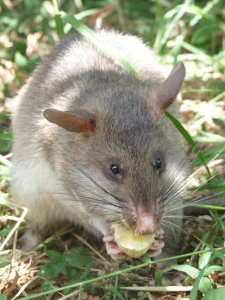
If your rat takes a treat from you and immediately starts bruxing, it’s showing you that it really likes what you gave it. This is useful information for figuring out your rat’s favorite foods.
Some rats are such enthusiastic eaters that they’ll brux loudly through an entire meal. It’s entertaining to watch and a good sign that your rat is healthy and happy.
Stress-Related Bruxing Looks Different
While most bruxing is positive, rats can also brux when they’re stressed, anxious, or in pain. This type of bruxing looks and sounds different from happy bruxing.
Stress bruxing is usually louder and more aggressive. The grinding sound is harsher, and the rat’s body language will show signs of discomfort rather than relaxation.
A rat that’s stress-bruxing might also show other signs like puffed-up fur, a hunched posture, reluctance to move, or rapid breathing. These are clear indicators that something’s wrong.
If your rat is bruxing but also acting withdrawn, refusing food, or showing other signs of illness, the bruxing might be a pain response. Rats sometimes brux when they’re trying to cope with discomfort.
How To Tell Happy Bruxing From Stress Bruxing
Context is everything when it comes to understanding why a rat is bruxing. If the rat is relaxed, eating, being petted, or cuddling, the bruxing is almost certainly positive.
Happy bruxing usually happens when the rat is in a safe, comfortable environment. The rat’s body will be loose and relaxed, not tense or hunched.
Stress bruxing, on the other hand, happens when the rat is in an uncomfortable situation. This might include being at the vet, being introduced to new rats, or recovering from an injury or illness.
The sound quality is also different. Happy bruxing is softer and more rhythmic. Stress bruxing is louder, more erratic, and often sounds harsher or more aggressive.
If you’re not sure which type of bruxing you’re hearing, look at the rest of the rat’s behavior. Is it eating, playing, and acting normal? That’s happy bruxing. Is it hiding, refusing food, or acting sick? That might be stress bruxing.
Boggling Usually Happens With Intense Bruxing
When rats brux really hard (usually because they’re very content), their eyes will bulge and pulse in and out. This is called boggling, and it looks strange if you’ve never seen it before.
Boggling happens because the jaw muscles used for bruxing are attached to muscles around the eye socket. When the rat grinds hard, those muscles pull on the eye area and make the eyes bulge slightly.
It looks like the rat’s eyes are popping out of its head in rhythm with the grinding. Some people find it alarming the first time they see it, but it’s completely normal and doesn’t hurt the rat.
Not all rats boggle when they brux. Some just grind their teeth without the eye movement. But rats that do boggle are usually extremely relaxed and content.
If your rat is bruxing and boggling at the same time, you can be pretty confident it’s feeling great. This is the rat equivalent of purring and kneading.
Some Rats Brux More Than Others
Just like people have different personalities, rats do too. Some rats brux constantly over every little thing, while others rarely brux at all.
This doesn’t mean the quiet rats are unhappy. They just express contentment differently. Some rats are more vocal and physically expressive, while others are more reserved.
If you have multiple rats, you might notice that one bruxes all the time while another almost never does. Both rats can be equally happy and healthy, they just show it differently.
Age can also affect bruxing. Young rats tend to brux more frequently than older rats, possibly because they’re more excitable and reactive to positive stimuli.
Bruxing And Trust
When a rat bruxes around you or while you’re handling it, it’s a sign of trust. The rat feels safe enough in your presence to show this vulnerable, relaxed behavior.
Rats won’t brux when they’re scared or on high alert. Bruxing requires them to let their guard down, which they’ll only do when they feel completely safe.
If you’re trying to bond with a new rat and it starts bruxing during your interactions, that’s a huge milestone. It means the rat is starting to trust you and feel comfortable around you.
Building trust takes time, especially with rats that have had bad experiences with humans. But once a rat starts bruxing around you, you know you’re making real progress.
What To Do When Your Rat Bruxes
When your rat starts bruxing, the best thing to do is just let it continue enjoying whatever it’s doing. If you’re petting it, keep petting it in the same spot and rhythm.
Don’t suddenly change what you’re doing or startle the rat. Let it enjoy the moment. This reinforces positive associations and makes the rat more likely to brux in the future.
You can talk softly to the rat while it’s bruxing. Many rats seem to enjoy gentle verbal interaction, and it can deepen the bonding experience.
If you’re not sure why your rat is bruxing, take a moment to observe its body language and environment. Is it relaxed or tense? Is it in a comfortable spot or an unfamiliar place? This will help you figure out if it’s happy bruxing or stress bruxing.
Bruxing As A Sign Of Good Health
Frequent, relaxed bruxing is generally a sign that your rat is healthy and content. Rats that are sick or in pain usually don’t brux in the happy, relaxed way.
If your rat normally bruxes regularly and suddenly stops, it could be a sign that something’s wrong. Changes in normal behavior are often the first indicator of health problems.
On the other hand, if your rat never bruxed before and suddenly starts bruxing a lot in stressful contexts, that could indicate pain or discomfort. Any sudden change in behavior is worth paying attention to.
Regular bruxing during positive interactions (petting, treats, play) is exactly what you want to see in a healthy, well-adjusted rat. It means you’re doing something right.
Why Wild Rats Don’t Brux As Much
While pet rats brux frequently, wild rats rarely do. This is because wild rats are almost always on high alert, watching for predators and competing for resources.
Bruxing requires a level of relaxation and safety that wild rats rarely experience. They’re too busy surviving to spend time grinding their teeth in contentment.
This is one of the main differences between wild and domestic rats. Pet rats have been bred for generations to be calm, friendly, and comfortable around humans. This selective breeding has made them much more likely to show relaxed behaviors like bruxing.
If you ever encounter a wild rat that’s bruxing, it’s probably sick or injured rather than happy. Healthy wild rats stay alert and won’t let their guard down enough to brux.
Conclusion
Rats brux (grind their teeth) primarily when they’re happy, relaxed, and content. It’s similar to purring in cats and usually means the rat feels safe and comfortable in its environment.
However, rats can also brux when they’re stressed or in pain, so it’s important to pay attention to context and body language. Happy bruxing is soft and rhythmic, while stress bruxing is louder and more aggressive.
If your rat bruxes while you’re petting it or giving it treats, that’s a clear sign it trusts you and enjoys your company. It’s one of the best compliments a rat can give you.

Hi, my name is Ezra Mushala, i have been interested animals all my life. I am the main author and editor here at snakeinformer.com.