
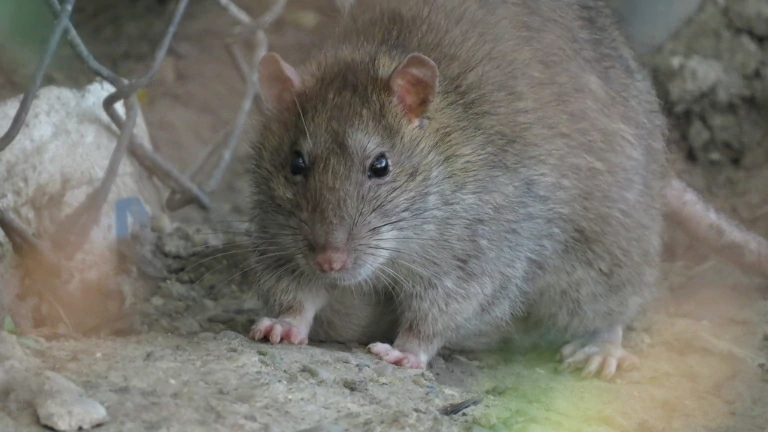
Getting bitten by a rat is something most people never expect to happen, but it does occur more often than you’d think. Whether it’s a wild rat you’ve cornered, a pet rat that’s scared, or a rat that’s invaded your home, bites can happen in specific situations.
Rats aren’t naturally aggressive toward humans, and they’d much rather run away than fight. But under certain circumstances, they will bite, and those bites can be serious.
So why do rats bite humans?
Rats bite humans when they feel trapped, threatened, or cornered with no way to escape. They might also bite if they’re sick, injured, protecting their babies, or if they mistake your finger for food. Biting is always a defensive behavior, not an aggressive one.
Understanding when and why rats bite can help you avoid these situations and stay safe around these animals, whether they’re wild or pets.
Rats Bite When They Can’t Escape
The most common reason rats bite is because they feel like they have no other option. Rats are prey animals, and their first instinct is always to run away from danger.
If you corner a rat in a small space, block its escape route, or try to grab it with your hands, it’ll panic. When running isn’t possible, the rat switches from flight mode to fight mode.

At that point, biting is the rat’s only defense mechanism. It’s trying to get you to let go or back away so it can escape. The bite isn’t meant to hurt you (though it definitely will), it’s meant to give the rat a chance to get away.
This is why you should never try to corner or grab a wild rat with your bare hands. Even if the rat looks calm, it’ll bite if it feels trapped.
Sick Or Injured Rats Are More Likely To Bite
When rats aren’t feeling well, their behavior changes. A sick or injured rat might be in pain, confused, or unable to move normally, which makes it more defensive than usual.
If you try to help an injured rat or pick up one that seems sick, it might bite you even if you’re trying to help. The rat doesn’t understand your intentions, it just knows it’s vulnerable and scared.
Rats with rabies (though this is extremely rare) or other neurological diseases might bite without being provoked at all. These rats often act strangely, moving erratically or showing no fear of humans.
If you see a rat behaving oddly (active during the day, stumbling, or not running when you approach), don’t go near it. There’s a good chance it’s sick, and sick rats are unpredictable.
Mother Rats Protecting Their Babies
Female rats are normally pretty calm and avoid confrontation, but when they have babies, their behavior changes completely. A mother rat will defend her nest aggressively if she thinks her babies are in danger.
If you accidentally disturb a nest with baby rats in it, the mother might attack and bite to protect them. This maternal aggression is instinctive and very strong.

You won’t always know a nest is there until you’ve already disturbed it. Rats hide their nests in walls, attics, basements, and other hidden spots. If you’re cleaning or moving things and suddenly hear squeaking, there’s a chance you’ve found a nest.
If that happens, back away slowly and don’t reach toward the nest. The mother will defend her babies fiercely, and she won’t stop just because you’re much bigger than her.
Rats Might Bite If They Think You’re Food
This mostly happens with pet rats, but it can occasionally happen with wild rats too. If you have food on your hands (or even just the smell of food), a rat might mistake your finger for something edible.
Pet rats that are used to being hand-fed might nibble on your fingers thinking you’re offering food. This isn’t really a bite in the aggressive sense, it’s more like a taste test.
These nibbles usually aren’t hard enough to break skin, but they can still hurt. If the rat realizes you’re not food, it’ll usually stop immediately.
To avoid this, always wash your hands before handling pet rats, and don’t hand-feed them regularly. Use a bowl or feeding dish instead so they don’t associate your fingers with food.
Handling Rats Roughly Can Trigger Bites
Even pet rats that are normally friendly can bite if they’re handled in a way that hurts or scares them. This includes squeezing them too tightly, picking them up by the tail, restraining them roughly, or dropping them accidentally.
Rats are small and fragile, and they can get hurt easily if handled carelessly. If you cause pain (even by accident), the rat’s natural response is to bite so you’ll let go.
Children are especially at risk for this because they might not understand how to handle rats gently. A child who squeezes a pet rat too hard can get bitten, even if the rat has never bitten anyone before.
If you’re handling a rat, always support its body properly, move slowly, and never grab it suddenly. Calm, gentle handling prevents most bites.
Startling A Sleeping Rat
Rats sleep deeply, and if you wake them up suddenly, they might bite before they’re fully awake and realize what’s happening. This is a reflex reaction, not a conscious decision.
This is most common with pet rats. If you reach into the cage and touch a sleeping rat without warning, it might bite out of surprise.
To avoid this, make noise or gently blow on the rat to wake it up before you touch it. Once the rat is awake and aware, you can handle it safely.
Wild rats don’t usually have this problem because they sleep in hidden areas where humans can’t easily reach them. But if you’re moving stored items or cleaning out a space where a wild rat is sleeping, the same reflex can happen.
Unfamiliar Scents Can Make Rats Defensive
Rats rely heavily on their sense of smell to identify things around them. If you smell like something the rat perceives as dangerous (like a predator), it might bite defensively.

For example, if you’ve been handling a cat or dog and then try to handle a rat without washing your hands, the rat will smell the predator on you. This can trigger a fear response that leads to biting.
Strong chemical smells like perfume, hand sanitizer, or cleaning products can also bother rats and make them more nervous. A nervous rat is more likely to bite than a calm one.
Always wash your hands thoroughly before handling rats, and avoid wearing strong scents if you’ll be around them.
Rats In Unfamiliar Places Feel Threatened
When rats are in new environments, they’re on high alert. Everything seems like a potential threat, and they’re much more likely to bite than they would be in familiar territory.
This is why newly caught wild rats or newly adopted pet rats are more dangerous to handle than rats that have been in the same place for a while. They haven’t had time to feel safe yet.
If you need to transport a rat or move it to a new cage, expect it to be more defensive during the first few days. Give it time to settle in before you try to handle it.
For wild rats, this means a rat that just got into your house is more likely to bite than one that’s been living there for weeks. The new rat is still panicked and on edge.
Why Wild Rats Are More Likely To Bite
Wild rats are much more dangerous than pet rats when it comes to biting. They haven’t been socialized to trust humans, and they see people as predators.
Every interaction wild rats have had with humans has probably been negative (being chased, trapped, or attacked). This reinforces their fear and makes them more aggressive when cornered.

Wild rats also carry more diseases than pet rats, which makes their bites more dangerous. Even a small bite from a wild rat can lead to infection or disease transmission.
You should never try to handle a wild rat unless you’re trained to do so. If you need to remove a wild rat from your property, use traps or call a professional. Don’t try to catch it with your hands.
Pet Rats Can Still Bite
Even though pet rats are bred to be friendly and docile, they can still bite under certain circumstances. The difference is that pet rats usually give warning signs before they bite.
A pet rat that’s about to bite might puff up its fur, stand on its hind legs, make chattering or hissing sounds, or lunge forward without actually biting (a warning lunge).
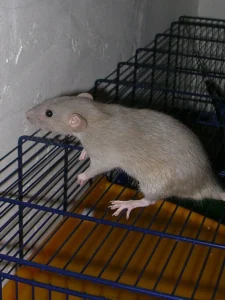
If you see these warning signs, back off and give the rat space. It’s telling you it feels threatened and will bite if you don’t stop whatever you’re doing.
Most pet rat bites can be avoided by paying attention to the rat’s body language and respecting its boundaries. If the rat doesn’t want to be held, don’t force it.
Medical Conditions Can Cause Biting
Some rats bite because of underlying health problems that affect their behavior. Brain tumors, hormonal imbalances, and neurological issues can all make rats more aggressive.
Older rats sometimes develop tumors (especially pituitary tumors) that change their personality. A rat that was friendly for years might suddenly become aggressive and bite without warning.
If a pet rat suddenly starts biting when it never did before, a trip to a vet who specializes in small animals is a good idea. There might be a medical reason for the behavior change.
Unfortunately, some of these conditions can’t be treated, especially in older rats. If the biting becomes dangerous, you might need to change how you interact with the rat to stay safe.
How Serious Are Rat Bites
Rat bites can range from minor to quite serious depending on how hard the rat bites and where it bites you. Small warning nips might just pinch the skin without breaking it.
A full defensive bite can go deep into the skin and cause significant bleeding. Rat teeth are sharp and designed for gnawing through hard materials, so they can easily pierce human skin.

The bigger danger with rat bites isn’t the wound itself, it’s the risk of infection. Rats carry bacteria in their mouths that can cause serious infections if introduced into your bloodstream.
Bites from wild rats are especially dangerous because these rats often carry diseases like leptospirosis, rat-bite fever, and hantavirus. Even pet rats can carry bacteria that cause infections.
If you get bitten by any rat, you should clean the wound immediately with soap and water, apply an antibiotic ointment, and see a doctor if the bite is deep or if you notice signs of infection.
What To Do If A Rat Bites You
The first thing to do after a rat bite is wash the wound thoroughly with soap and warm water for at least five minutes. This helps remove bacteria and reduces the risk of infection.
After washing, apply pressure with a clean cloth to stop any bleeding. Once the bleeding stops, apply antibiotic ointment and cover the wound with a bandage.
Watch for signs of infection over the next few days. These include redness that spreads, swelling, warmth around the wound, pus, red streaks, and fever.
If any of these signs appear, see a doctor immediately. You might need antibiotics or other treatment to prevent the infection from spreading.
For bites from wild rats, you should see a doctor even if the wound seems minor. Wild rat bites carry higher risks of disease transmission.
How To Avoid Getting Bitten
The best way to avoid rat bites is to never handle wild rats and to be very careful around pet rats, especially ones you don’t know well.

If you need to handle a rat, approach it slowly and calmly. Let the rat see your hand coming and give it a chance to sniff you first.
Never corner a rat or block its escape routes. Always give the rat a way to run if it wants to. A rat that can escape won’t feel the need to bite.
Wear thick gloves if you absolutely must handle a wild rat or a pet rat that’s known to be aggressive. The gloves won’t stop all bites, but they’ll reduce the damage.
Pay attention to the rat’s body language. If it’s showing signs of fear or aggression, back off and give it space.
Conclusion
Rats bite humans when they feel threatened, cornered, or scared with no way to escape. They might also bite if they’re sick, protecting babies, or if they mistake your finger for food.
Biting is always a defensive behavior for rats, never an offensive one. They’d rather run than fight, but they will defend themselves if they have to.
Understanding why rats bite and how to avoid triggering defensive behavior can keep you safe whether you’re dealing with wild rats or pet rats. If you do get bitten, clean the wound immediately and watch for signs of infection.

Hi, my name is Ezra Mushala, i have been interested animals all my life. I am the main author and editor here at snakeinformer.com.