
Strange scratching sounds coming from above your ceiling at night can be one of the most unsettling experiences a homeowner can have. If you’ve been hearing scurrying, gnawing, or thumping sounds from your attic, there’s a good chance rats have moved in.
Attics seem like an odd choice for rats when you think about it. They’re usually hot, dusty, and far from ground-level food sources. Yet rats consistently choose attics over other parts of homes.
So why do rats get in the attic?
Rats get in the attic because it provides safe shelter away from predators, stays warm in winter, and offers quiet nesting areas where they won’t be disturbed. Attics also have easy access points and plenty of materials for building nests.
For a rat, your attic is basically a penthouse apartment. It’s got everything they need, and once they move in, they’re very difficult to get out.
Attics Are Safe From Predators
In the wild, rats are constantly at risk from predators like cats, dogs, hawks, owls, snakes, and other animals that hunt them. Ground-level hiding spots can be dangerous because predators can easily access them.
Attics, on the other hand, are high up and isolated. Most predators can’t reach attics, which makes them incredibly safe for rats.
Even if you have cats or dogs in your home, they probably can’t get into the attic, or if they can, they won’t stay there long enough to hunt rats effectively. This gives rats a huge advantage.
Once rats realize your attic is predator-free, they’ll feel comfortable enough to build nests and raise babies there. The feeling of safety is one of the main reasons they choose attics over other locations.
Attics Stay Warm During Winter
Temperature is a huge factor in where rats decide to live. When it gets cold outside, rats need to find warm places to survive, especially if they’re going to raise babies.
Attics tend to be warmer than other parts of the house, particularly if you have insulation. The insulation that keeps your home comfortable also creates a cozy environment for rats.
Heat from your living space rises and collects in the attic, making it warmer than outdoor temperatures even if the attic itself isn’t heated. This trapped heat is very attractive to rats during fall and winter.
In summer, attics can get hot, but rats are pretty adaptable. They’ll adjust their activity patterns and find cooler spots within the attic during the hottest parts of the day.
The year-round shelter from extreme temperatures makes attics appealing in any season, but rat activity in attics usually increases dramatically during colder months.
Attics Have Lots Of Entry Points
Most homes have multiple ways for rats to get into the attic, and many homeowners don’t even realize these entry points exist. Rats only need a hole about the size of a quarter to squeeze through.
Common entry points include roof vents that aren’t properly screened, gaps where the roof meets the walls, openings around pipes, wires, or cables that enter through the roof, damaged or missing soffit vents, and holes where tree branches touch the roof.
Rats are excellent climbers, so getting up to your roof isn’t a challenge for them. They can climb up brick walls, siding, trees, downspouts, and even electrical wires to reach roof level.
Once they’re on the roof, they’ll investigate every possible opening until they find a way inside. If an opening is too small, they’ll gnaw on it to make it bigger.
Many attic entry points are hidden from view, which is why rats can get in without you noticing. By the time you hear them moving around up there, they’ve probably been coming and going for days or weeks.
Insulation Makes Perfect Nesting Material
If your attic has insulation (and most do), rats have an unlimited supply of nesting material right where they live. They’ll tear apart fiberglass, cellulose, or foam insulation to build their nests.
The soft, fluffy texture of most insulation is perfect for creating warm, comfortable nests where female rats can give birth and raise their babies. Rats will often burrow deep into the insulation, making their nests almost impossible to see.
This behavior doesn’t just create a rat problem, it also damages your insulation and reduces its effectiveness. Torn-up, compressed, and contaminated insulation won’t keep your home as warm or cool as it should.
Rats will also urinate and defecate in the insulation, which creates health hazards and terrible odors that can seep into your living spaces. Once insulation has been heavily used by rats, it usually needs to be completely replaced.
Attics Aren’t Disturbed Very Often
Most homeowners rarely go into their attics. Maybe you go up there once or twice a year to store holiday decorations or check on something, but otherwise, it sits empty and quiet.
This lack of human activity is perfect for rats. They can move around freely, build nests, and raise multiple generations without ever being bothered.
Rats are most active at night when you’re sleeping, so even if you’re home, you probably won’t notice them. They’ll hear you moving around during the day and stay hidden until it’s quiet again.
This privacy is one of the main reasons attics are so attractive. Rats can establish a large colony before you even know they’re there. By the time you hear them or notice other signs, the infestation is usually already well-developed.
Food Sources Are Usually Nearby
While attics don’t have food inside them, rats are smart enough to know that food is usually close by. If they’re living in your attic, they can easily travel down through your walls to get to your kitchen, pantry, or garbage.
Rats will leave the attic at night to search for food in other parts of your house, then return to the attic to rest and digest. They’ll use the same routes every time, creating worn paths along rafters and in wall voids.
If you have bird feeders, pet food, garbage cans, or compost bins outside, rats might not even need to enter your living spaces. They can get all the food they need from outdoor sources and just use your attic as a bedroom.
The combination of safe shelter in the attic plus nearby food sources makes your property a complete survival package for rats. They don’t need to go anywhere else.
Attics Have Wood For Gnawing
Rats need to constantly gnaw on hard materials to keep their teeth filed down. Attics are full of wooden beams, rafters, plywood, and other materials that are perfect for this purpose.
You’ll often find gnaw marks on wooden structures in attics where rats live. These marks appear as small grooves or rough patches where rats have been chewing.
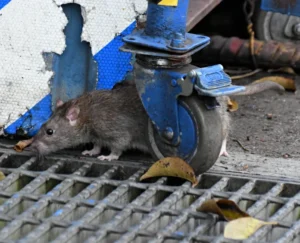
This gnawing behavior serves two purposes: it keeps their teeth at a healthy length, and it creates openings or passages that make it easier for rats to move through the attic. They might gnaw through drywall to access different areas or create new entry points.
Unfortunately, this gnawing can cause serious structural damage over time. Weakened support beams and damaged roofing materials can lead to expensive repairs. In extreme cases, rats have been known to gnaw through electrical wiring, which creates fire hazards.
Water Sources Can Be Found In Attics
You might not think of attics as having water, but many do, at least occasionally. Condensation from HVAC systems, plumbing pipes, and roof leaks can all provide water for rats.
Some attics have water heaters, HVAC units, or plumbing that runs through them. If there’s any condensation or small leaks, that’s enough for rats to drink from.
Even morning dew that collects on cool surfaces can provide enough moisture for rats to survive. They don’t need much water, especially if they’re getting moisture from the food they eat.
During rainy weather, small roof leaks might create temporary water sources that rats can use. These leaks might be too small for you to notice, but rats will find them.
How Rats Travel To Your Attic
Rats don’t just appear in attics magically. They have to physically climb up to roof level and find a way inside. Understanding how they get there can help you prevent future infestations.
Tree branches are one of the most common routes. If you have trees near your house with branches that touch or hang over the roof, rats will use them like highways. They’ll run along the branches and jump onto the roof.

Climbing the exterior of your house is another option. Rats can scale brick walls, textured siding, stucco, and even smooth surfaces if there are small handholds. They’re incredibly good climbers.
Utility lines and cables provide another route. Rats will walk along telephone wires, electrical lines, and cable TV wires to reach your roof. They have excellent balance and aren’t afraid of heights.
Once on the roof, they’ll investigate every vent, gap, and opening until they find a way inside. Some rats will even gnaw through damaged roof shingles or weathered wood to create their own entrance.
Signs That Rats Are In Your Attic
If rats have moved into your attic, there are usually clear signs you can look for. The most obvious is noise at night (scratching, scurrying, thumping sounds from above your ceiling).
You might also notice droppings in the attic. Rat droppings are dark brown or black, shaped like grains of rice, and usually found along travel routes and near nesting areas.
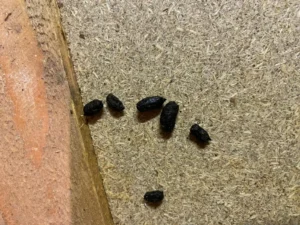
Gnaw marks on wood, wires, or stored items are another sign. Fresh gnaw marks appear lighter in color than the surrounding material.
If you notice a musty, unpleasant odor coming from your ceiling or vents, it could be from rat urine and droppings. The smell gets worse as the colony grows.
You might also see greasy smear marks along rafters and walls where rats travel. Their fur picks up oils and dirt, which rubs off on surfaces they regularly touch.
Why Roof Rats Especially Love Attics
While both Norway rats and roof rats can infest attics, roof rats (also called black rats) are especially fond of high spaces. They’re naturally excellent climbers and prefer to live above ground level.
Roof rats are smaller and more agile than Norway rats, which makes it easier for them to climb and navigate through tight spaces in attics. They’re also less aggressive, so they prefer the isolation that attics provide.
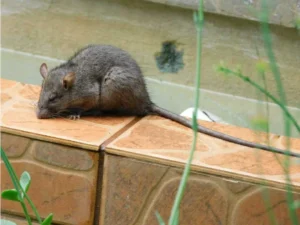
In areas where roof rats are common (like the southern United States and coastal regions), attic infestations are extremely common. These rats will almost always choose an attic over a basement or crawlspace.
If you’re dealing with rats in your attic and you live in a warm climate, there’s a very good chance they’re roof rats rather than Norway rats.
Attics Provide Multiple Escape Routes
Rats never like to feel trapped. They always want multiple ways to escape if a predator shows up or if they sense danger.
Attics usually have several potential exit points: the opening they came in through, vents, gaps in the soffit, and sometimes access to the walls where they can travel down to other parts of the house.
This network of escape routes makes rats feel secure. If you try to catch them or chase them out, they can quickly disappear through one of many exits.
This is also why trapping rats in attics can be so difficult. Even if you block the main entrance, rats will find or create alternative routes. They’re extremely resourceful when it comes to survival.
What Happens When Rats Nest In Your Attic
When rats establish a nesting colony in your attic, the problems compound quickly. Female rats can have multiple litters per year, with up to 12 babies per litter.
The population can explode in just a few months. What starts as two or three rats can turn into dozens, all living in your attic and causing damage.

As the colony grows, so does the amount of urine and feces in your insulation and on your rafters. This creates serious health risks, especially if the contamination gets into your HVAC system and spreads through your home.
Rats will also become bolder and noisier as the colony grows. You might start hearing them during the day, not just at night. Some rats might even venture into your living spaces looking for food.
Conclusion
Rats get in the attic because it provides everything they need: safety from predators, warm shelter, nesting materials, and privacy. Attics have multiple entry points and aren’t disturbed often, which makes them perfect for rats to raise families.
Once rats move into your attic, they’re extremely difficult to remove. They’ll breed rapidly and cause extensive damage to insulation, wiring, and structural components.
The best approach is prevention. Seal entry points, trim tree branches away from your roof, and inspect your attic regularly for signs of rats. If you already have rats, professional removal is usually the most effective solution.

Hi, my name is Ezra Mushala, i have been interested animals all my life. I am the main author and editor here at snakeinformer.com.