
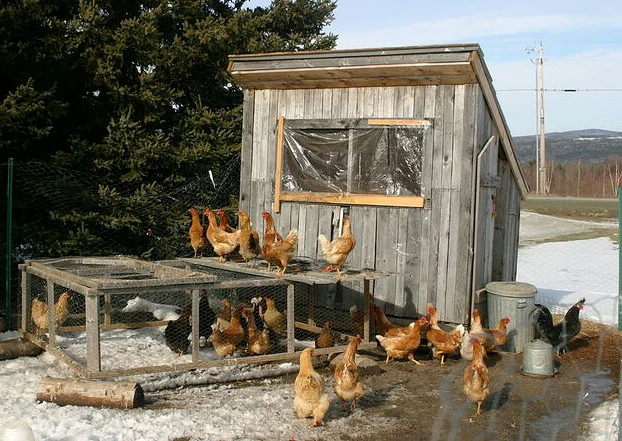
If you keep chickens, you’ve probably noticed that rats seem to show up not long after you set up your coop. Even if you’ve never had a rat problem before, adding chickens to your property can bring these rodents right to your backyard.
This isn’t a coincidence, and it’s not because rats are naturally drawn to chickens themselves. There’s actually a very specific reason why chicken coops become rat magnets almost immediately.
So why do chicken coops attract rats?
Chicken coops attract rats because they provide everything rats need to survive: unlimited food from chicken feed and scraps, fresh water, warm shelter, and safe nesting areas. To a rat, a chicken coop is like a fully stocked survival bunker.
Once rats discover your coop, they’ll move in quickly and start breeding. A small rat problem can turn into a serious infestation in just a few weeks if you don’t deal with it right away.
Chicken Feed Is A Rat’s Dream Food
The main reason rats love chicken coops is the feed. Chicken feed is usually made from grains, seeds, and other high-calorie ingredients that rats absolutely love.
Unlike wild food sources that might be hard to find or seasonal, chicken feed is available every single day in large amounts. You’re basically setting out an all-you-can-eat buffet for rats.
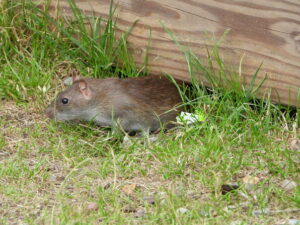
Most chicken owners use feeders that hold several days worth of food at once. This means there’s always plenty available, even at night when rats are most active.
Spilled feed makes the problem even worse. When chickens eat, they scratch and peck at their food, which scatters it all over the ground. Those scattered grains and seeds are easy pickings for rats that come out after dark.
Fresh Water Is Always Available
Rats need water to survive, and chicken coops always have it. Most coops have water dispensers that are refilled daily, which gives rats a reliable source of fresh drinking water.
In the wild, rats have to search for water sources and those sources might dry up depending on the season. But in a chicken coop, water is always there.
This is especially attractive during hot summer months or in dry climates where natural water sources are hard to find. Rats will travel quite a distance to reach a guaranteed water supply.
The combination of food AND water in one location makes chicken coops incredibly valuable to rats. They don’t need to go anywhere else.
Coops Provide Warm, Safe Shelter
Chicken coops are designed to protect chickens from weather and predators, but these same features also make them perfect for rats. The coop provides shelter from rain, wind, snow, and extreme temperatures.

Many coops have insulation or are built to stay warm during winter. This warmth is just as attractive to rats as it is to chickens.
Rats are also looking for safe places to hide from predators like cats, dogs, hawks, and owls. A chicken coop with thick walls and a solid roof gives them protection they wouldn’t have out in the open.
The darker corners, gaps under equipment, and spaces between walls create perfect hiding spots where rats can rest during the day without being disturbed.
Eggs Are An Easy Protein Source
While rats mainly come for the chicken feed, they’ll also eat eggs if they can get to them. Eggs are packed with protein and fat, which makes them very valuable to rats.
Rats can’t crack eggs on their own like some predators can, but they’ll gnaw through the shell if they’re hungry enough. They might also drink eggs that have already been broken by chickens or other animals.
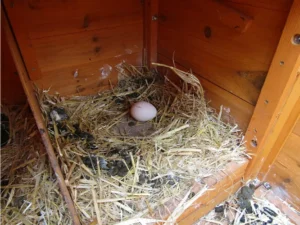
If you’re finding broken eggs in your coop and can’t figure out why, rats might be the culprit. They’ll often target eggs that are left in nesting boxes overnight.
Some chicken owners have even reported finding empty eggshells with small gnaw marks, which is a clear sign that rats have been feeding on the eggs.
Rats Can Hide Inside The Coop Structure
Most chicken coops have plenty of small spaces where rats can hide and build nests. These include gaps in the walls, spaces under the floor, areas behind nesting boxes, and hollow spots in the roof or insulation.
Rats only need a hole about the size of a quarter to squeeze through. If your coop has any gaps, cracks, or openings, rats will find them and use them to get inside.
Once inside, they’ll build nests in hidden areas where you’re unlikely to spot them right away. They prefer spots that are dark, warm, and close to the food supply.
This means rats can live in your coop for weeks or even months before you realize they’re there. By the time you notice signs of rats, there might already be a large colony living inside.
Chickens Don’t Scare Rats Away
You might think chickens would chase rats off or at least make noise to alert you, but that’s not usually what happens. Most chickens ignore rats completely, especially if the rats only come out at night.
Chickens and rats can actually coexist in the same space without bothering each other much. Rats are smart enough to avoid chickens during the day and only come out when the birds are roosting and quiet.
Some roosters might go after a rat if they catch one, but this is pretty rare. Chickens aren’t natural rat predators, so they don’t see rats as something they need to hunt or chase.
This means rats can move freely through your coop without facing any resistance from the chickens themselves. They’ll eat, drink, and nest right under your chickens’ feet.
Spilled Feed Creates A Constant Food Source
Even if you’re careful about storing chicken feed in sealed containers, there’s almost always some amount that gets spilled during feeding time. Chickens are messy eaters, and they’ll scatter feed all over the coop floor.
This spilled feed doesn’t go away on its own. It sits on the ground, sometimes mixing with dirt and bedding, creating a constant food source for rats.
Rats will come in at night and clean up all the spilled feed they can find. If there’s enough of it, they might not even need to break into your stored feed containers.
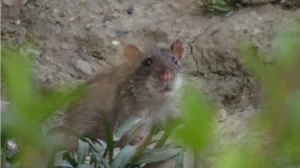
The more chickens you have, the more feed gets spilled, and the more attractive your coop becomes to rats. A large flock can unintentionally create a massive rat buffet just from their normal eating habits.
Chicken Manure Attracts Insects That Rats Eat
Chicken droppings build up quickly, especially in coops that aren’t cleaned regularly. While the manure itself doesn’t attract rats, it does attract insects like flies, beetles, and other bugs.
These insects are another food source for rats. Rats are omnivores, and they’ll happily eat insects as part of their diet.
So even if you somehow managed to eliminate all the chicken feed, rats might still be attracted to your coop because of the insects living in the manure. This creates a secondary food chain that keeps rats coming back.
Regular cleaning helps reduce this problem, but it’s almost impossible to eliminate insects completely in an active chicken coop. As long as chickens are producing manure, there will be bugs, and those bugs will attract rats.
Bedding Material Makes Perfect Nesting Material
Chicken coops are usually filled with bedding like straw, wood shavings, or hay. This soft material keeps chickens comfortable and absorbs moisture, but it’s also perfect for rat nests.
Rats will gather bedding material and use it to build warm, cozy nests in hidden corners of the coop. The nests are usually tucked away in spots where you won’t see them unless you’re actively looking.
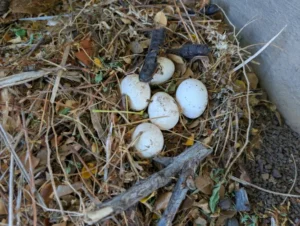
Female rats need safe nesting spots to give birth and raise their babies. A chicken coop with plenty of soft bedding provides exactly what they need.
Once a rat builds a nest in your coop and has babies there, getting rid of the entire colony becomes much harder. The rats will defend their nests and keep returning even if you remove food sources.
How Rats Get Into Chicken Coops
Rats are incredibly good at finding ways into enclosed spaces. They can climb, jump, dig, and squeeze through openings that seem way too small for them.
Common entry points include gaps under doors, holes in walls or flooring, openings where pipes or wires enter the coop, spaces around windows or vents, and tunnels they dig under the foundation.
If your coop is raised off the ground, rats will climb up the support posts or use nearby objects to reach the entrance. If it’s on the ground, they’ll dig tunnels underneath and come up through the floor.
Once they find a way in, they’ll use that same route every night. You can often tell where rats are entering by looking for grease marks, droppings, or worn paths along walls and floorboards.
Rats Multiply Quickly In Chicken Coops
One of the scariest things about rats in chicken coops is how fast they reproduce. A single female rat can have up to 12 babies in one litter, and she can have multiple litters per year.

With unlimited food, water, and shelter, rats in your coop will breed constantly. What starts as two or three rats can turn into dozens within just a few months.
Baby rats reach sexual maturity in about five weeks, which means they can start having their own babies while they’re still very young. This creates an exponential growth pattern that’s very hard to stop once it gets going.
By the time most chicken owners realize they have rats, there’s usually already a well-established colony living in the coop. Dealing with the problem at that point requires serious effort and multiple strategies.
What Happens When Rats Move Into Your Coop
Once rats establish themselves in your chicken coop, they cause all kinds of problems beyond just eating your chicken feed. They can spread diseases that affect both chickens and humans, including salmonella and leptospirosis.
Rats will also gnaw on everything in the coop to keep their teeth filed down. This includes wooden structures, plastic feeders, electrical wiring (if you have lights or heaters), and even metal if it’s thin enough.
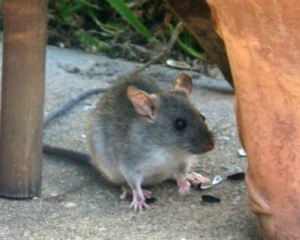
The structural damage can weaken your coop and create more entry points for other predators. Rats might also stress out your chickens, which can lead to decreased egg production and health problems.
In severe cases, rats have been known to attack baby chicks or weak adult chickens. While this isn’t common, it does happen, especially if the rat colony gets large and aggressive.
Why Prevention Is Better Than Removal
The absolute best way to deal with rats in chicken coops is to prevent them from moving in at all. Once rats establish a colony, getting rid of them completely is extremely difficult and time-consuming.
Prevention means storing feed in metal containers with tight lids, cleaning up spilled feed every day, sealing all gaps and holes in the coop structure, using hardware cloth (not chicken wire) to cover openings, and removing water sources at night if possible.
You should also avoid leaving food out overnight. Feed your chickens during the day and remove any uneaten food before dark when rats become active.
Regular inspections of your coop can help you catch rat problems early before they get out of hand. Look for droppings, gnaw marks, and greasy smudges along walls that indicate rats are present.
Conclusion
Chicken coops attract rats because they offer everything a rat needs: abundant food from chicken feed, fresh water, warm shelter, and safe nesting areas. To a rat, your coop is paradise.
The combination of these resources in one location makes chicken coops one of the most attractive places for rats to live. Once they discover your coop, they’ll move in quickly and start reproducing.
The key to avoiding rat problems is prevention. Store feed properly, clean up spills, seal entry points, and inspect your coop regularly. If you wait until you already have rats, you’ll be fighting an uphill battle that could last for months.

Hi, my name is Ezra Mushala, i have been interested animals all my life. I am the main author and editor here at snakeinformer.com.