

If you’ve ever had rats in your home, you’ve probably noticed they’ll chew through just about everything. Cardboard boxes, plastic containers, electrical wires, soap, candles, and even things that don’t seem like food at all.
It’s not just your imagination. Rats really do seem to eat almost anything they come across, whether it’s actually edible or not.
So why do rats eat anything?
Rats eat almost anything because they’re opportunistic omnivores with constantly growing teeth that need to be worn down. They’ll consume whatever food is available to survive, and they’ll also chew on non-food items to keep their teeth from growing too long.
This combination of biological need and survival strategy makes rats some of the most adaptable eaters in the animal kingdom. They can’t afford to be picky when food might not always be available.
Rats Are True Omnivores
Unlike some animals that stick to either meat or plants, rats can digest both. This makes them omnivores, and it gives them a huge advantage when it comes to finding food.

In the wild, rats will eat seeds, grains, fruits, vegetables, insects, small animals, eggs, and just about anything else they can get their paws on. They’re not specialized eaters, so they don’t need one specific type of food to survive.
This flexibility is one of the main reasons rats have been so successful at living alongside humans. While other animals struggle when their natural food sources disappear, rats just switch to whatever’s available.
If there’s garbage, they’ll eat garbage. If there’s pet food, they’ll eat that. If there’s nothing else, they’ll even eat things like paper, glue, or wax just to get some calories.
Their Teeth Never Stop Growing
One of the most important things to understand about rats is that their front teeth (incisors) grow continuously throughout their entire lives. If they don’t wear these teeth down, they’ll keep growing until they cause serious problems.
A rat’s teeth can grow up to five inches per year. That’s a lot of growth that needs to be managed.
To keep their teeth at a healthy length, rats need to constantly gnaw on hard objects. This is why you’ll find chew marks on things that aren’t food at all, like wood, plastic, and even metal.
When a rat chews on your baseboards or electrical wires, it’s not necessarily trying to eat those things. It’s filing down its teeth to prevent them from overgrowing and causing pain or making it impossible to eat.
Survival Depends On Being Adaptable
Rats live in all kinds of environments, from cities to farms to sewers. In each of these places, the available food is completely different.
A rat living in a city apartment might eat leftover pizza and crumbs from the kitchen. A rat living on a farm might eat grain from storage bins and chicken feed.

Because food sources can change quickly (especially for wild rats), they can’t afford to be picky eaters. The rats that survive are the ones that can adapt to whatever food is around.
This adaptability is hardwired into their behavior. When a rat finds a new food source, it’ll test it carefully by eating just a small amount first. If it doesn’t get sick, it’ll come back and eat more.
This cautious approach lets rats expand their diet to include almost anything without poisoning themselves right away.
Rats Have A Strong Sense Of Smell
Even though rats will eat almost anything, they don’t just randomly grab whatever’s in front of them. They use their incredibly sharp sense of smell to find food and decide what’s worth eating.
Rats can smell food from quite a distance, and they can detect things humans can’t even pick up on. This helps them locate food sources that are hidden or stored away.
Their sense of smell also helps them avoid foods that have gone bad or might be dangerous. If something smells rotten or toxic, most rats will stay away from it (though they might still investigate it by nibbling a tiny bit first).
This is why rats can seem to appear out of nowhere when you leave food out. They’ve already smelled it and tracked it down.
They’ll Eat Non-Food Items When Desperate
While rats prefer actual food, they’ll resort to eating non-food items when they’re desperate or when their teeth need filing down. This includes things like:
Cardboard and paper (which might have some nutritional value if it’s soaked in grease or food residue), candles and soap (which contain fats they can digest), wood and drywall (purely for wearing down teeth), and even electrical wiring (which is dangerous but happens often).
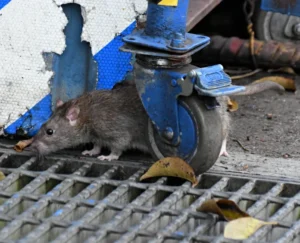
Eating these items isn’t ideal for the rat, but survival sometimes means making do with what’s available. A rat that’s starving won’t pass up a chance to gnaw on something that might give it a few calories, even if it’s not real food.
This is also why rats cause so much damage in homes. They’re not trying to destroy your property on purpose, they’re just doing what they need to do to survive.
Rats Test New Foods Carefully
Even though rats will eat almost anything, they’re actually pretty cautious when they encounter something new. This behavior is called neophobia, which means fear of new things.
When a rat finds a new food it’s never eaten before, it won’t just dive in and eat a huge amount. Instead, it’ll take a tiny nibble and then wait to see if it gets sick.
If the rat feels fine after a few hours, it’ll come back and eat more. But if it gets sick, it’ll remember that food and avoid it in the future.
This careful testing strategy is one reason rats are so hard to poison. They won’t eat enough poison to kill themselves right away, and once they feel sick, they’ll avoid that bait completely.
Why Rats Prefer High-Calorie Foods
Given the choice, rats will almost always go for high-calorie foods over low-calorie ones. This makes sense from a survival perspective because high-calorie foods give them more energy with less effort.
Foods that are high in fat, sugar, or protein are especially attractive to rats. This is why they love things like peanut butter, chocolate, cheese, and meat.

In the wild, these types of foods are harder to come by, so rats are programmed to eat as much as they can when they find them. This helps them build up fat reserves for times when food is scarce.
In your home, this means rats will go straight for your pantry or anywhere you keep calorie-dense foods. They’re not interested in your lettuce when there’s a bag of chips nearby.
Rats Can Eat Things That Would Make Humans Sick
One reason rats seem to eat “anything” is because their digestive systems can handle things that would make humans seriously ill. They can eat moldy food, spoiled meat, and even garbage without getting sick most of the time.
This doesn’t mean rats are immune to food poisoning or disease. They can still get sick from bad food, but their tolerance is much higher than ours.
Rats also have a strong immune system that helps them fight off bacteria and toxins they might pick up from eating questionable things. This is part of what makes them such successful scavengers.
However, there are still some things rats can’t eat safely, like chocolate in large amounts, raw beans, and certain human medications. But overall, their diet is much broader than most animals.
How Rats Store And Hoard Food
When rats find more food than they can eat right away, they don’t just leave it behind. They’ll actually carry it back to their nest and store it for later.
This hoarding behavior is instinctive and helps rats survive when food becomes scarce. They’ll gather seeds, grains, and other non-perishable foods and stash them in hidden spots.

You might find piles of food hidden in walls, under floorboards, or in other secluded areas where rats feel safe. This is their backup supply in case they can’t find fresh food later.
Rats will even hoard non-food items if they think those items might be useful. This includes things like paper, fabric, and shiny objects that they use to build nests or just find interesting.
Social Learning Influences What Rats Eat
Rats are social animals, and they actually learn from each other about what’s safe to eat. If one rat in a group tries a new food and doesn’t get sick, other rats will notice and be more willing to try it too.
This social learning helps rat populations adapt to new food sources much faster than if each rat had to figure it out on its own. It’s also why poison bait sometimes stops working in an area, if one rat gets sick from the bait and survives, other rats will avoid it based on that rat’s behavior.
Young rats learn what to eat by watching their mothers and other adults. This teaches them which foods are safe and which ones to avoid, even before they’ve tried those foods themselves.
This social aspect makes rat infestations even harder to deal with because the entire group becomes smarter and more cautious over time.
Why Rats Chew Electrical Wires
One of the most dangerous things rats eat (or chew on) is electrical wiring. This causes fires and serious damage to homes and buildings every year.
Rats don’t chew wires because they taste good or provide nutrition. They do it because the plastic coating on wires is soft enough to help file down their teeth, but firm enough to provide resistance.
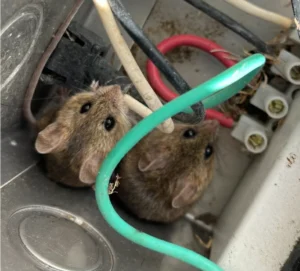
The location of wires also makes them attractive to rats. Wires often run through walls, attics, and other hidden areas where rats like to travel. When they’re moving through these spaces, they encounter wires and start gnawing on them.
Unfortunately, this can expose the metal inside the wire and create a fire hazard. It can also cause power outages and damage to electrical systems.
This is one of the main reasons rats in your home are so dangerous, even if you never see them. The damage they cause behind the walls can be catastrophic.
Do Rats Actually Like Everything They Eat?
Just because rats CAN eat almost anything doesn’t mean they ENJOY everything equally. Like most animals, rats have preferences.
Studies have shown that rats prefer sweet foods over bitter ones, and they’ll choose familiar foods over strange ones when given the option. They also seem to enjoy variety in their diet rather than eating the same thing every day.
Pet rats are much pickier than wild rats because they’ve never had to struggle for food. If you give a pet rat a bowl of mixed foods, it’ll often eat its favorite items first and leave the rest.
Wild rats don’t have that luxury. They eat whatever they can find, whenever they can find it, because they never know when the next meal is coming.
What This Means For Keeping Rats Away
Understanding why rats eat almost anything is actually really helpful if you’re trying to keep them out of your home. The key is to remove all food sources, not just the obvious ones.
This means sealing up garbage in secure containers, storing dry goods in metal or thick plastic containers that rats can’t chew through, cleaning up crumbs and spills right away, and removing pet food bowls at night.
You also need to block access to non-food items they might chew on, like sealing holes in walls, covering exposed wires, and removing cardboard storage boxes that rats can nest in.
If rats can’t find food in your home, they’ll move on to somewhere else. But if you leave even small amounts of food available, they’ll stick around and keep multiplying.
Conclusion
Rats eat almost anything because they’ve evolved to be extremely adaptable omnivores with teeth that never stop growing. This combination means they need to constantly eat and chew to survive, and they can’t afford to be picky about their food sources.
Whether it’s actual food or just something to gnaw on, rats will make use of whatever’s available to them. This adaptability is what’s made them so successful at living in nearly every environment on Earth.
If you’re dealing with rats, the best strategy is to remove all possible food sources and items they might chew on. When there’s nothing for them to eat or use, they’ll move somewhere else.

Hi, my name is Ezra Mushala, i have been interested animals all my life. I am the main author and editor here at snakeinformer.com.