
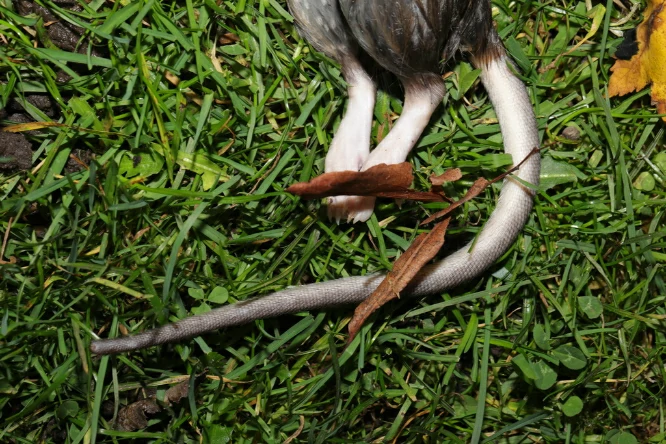
One of the most recognizable features of a rat is its long, scaly tail. For many people, that tail is actually the most off-putting thing about rats. It can seem weird, even creepy. But rat tails aren’t just there for looks. So why do rats have long tails?
Rats have long tails because those tails serve several important purposes that help them survive. The tail acts as a balance tool when climbing and running, helps regulate body temperature, aids in communication with other rats, and even provides support when the rat stands upright. Without their long tails, rats would be much less capable climbers and wouldn’t be able to move as effectively through their environment.
Evolution has shaped rat tails over millions of years to be exactly the length and structure that works best for their lifestyle. Every aspect of a rat’s tail, from its length to its scale pattern, exists because it provides survival advantages.
The Tail as a Balance Tool
The most important function of a rat’s tail is helping with balance. This is especially critical when rats are climbing or moving across narrow surfaces.
When a rat walks along a thin wire, fence, or tree branch, the tail acts like a tightrope walker’s balance pole. The rat can shift the tail to different positions to adjust their center of gravity.
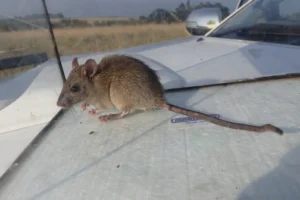
If a rat starts to tip to one side, moving the tail to the opposite side helps counterbalance and prevents falling. This happens almost instinctively.
The tail also helps with balance during quick turns. When a rat is running and needs to change direction suddenly, the tail swings around to help the body follow smoothly.
Young rats learning to climb and jump rely heavily on their tails. As they practice new movements, the tail helps them stay stable and avoid falls.
Without this balancing function, rats would be much clumsier. They wouldn’t be able to access many of the spaces they currently use for food, nesting, or escaping predators.
The length of the tail matters for balance. A tail roughly equal to the body length provides the best leverage for making balance adjustments.
Temperature Regulation Through the Tail
Rat tails play an important role in helping rats control their body temperature. This might be surprising, but it’s actually really important for their survival.
Rats can’t sweat to cool down like humans do. They need other ways to release excess heat when they’re hot.
The tail has lots of blood vessels close to the surface. When a rat is overheated, blood flows to the tail where heat can radiate out into the air.
This works kind of like a car radiator. Hot blood moves through the tail, releases heat, and cooler blood returns to the body.
In hot weather or after physical activity, you might notice a rat’s tail feels warm to the touch. That’s the heat dissipation process in action.
The lack of fur on the tail is important for this function. Fur would insulate the tail and prevent heat from escaping effectively.
When rats are cold, they can restrict blood flow to the tail to conserve heat in their core body. This is why a cold rat’s tail might feel cool or even cold to the touch.
For wild rats living in different climates and seasons, this temperature control through the tail helps them adapt and survive.
The Tail’s Role in Communication
Rats use their tails as part of their communication system with other rats. While it’s not as obvious as vocal communication, tail movements carry meaning.
When rats are fighting or establishing dominance, tail position matters. A rat holding their tail high and stiff is showing confidence or aggression.

A rat with a low or tucked tail might be submitting or showing fear. This is similar to how dogs use their tails to communicate.
Rats can also rattle or vibrate their tails when excited or agitated. This produces a subtle sound and visual signal that other rats notice.
During mating behavior, male rats use tail movements as part of their courtship displays. Tail position and movement help signal their intentions.
Young rats learning social behaviors watch the tails of adult rats to understand mood and intention. It’s part of how they learn to interact properly.
While tail communication isn’t the main way rats talk to each other, it adds another layer of information to their social interactions.
Support When Standing Upright
Rats often stand up on their hind legs to look around, reach for food, or investigate their environment. The tail provides crucial support during these moments.
When a rat stands upright, the tail acts like a third leg. It creates a tripod formation with the two hind legs, providing stable support.
Without tail support, rats would have a much harder time maintaining an upright position. They’d be wobbly and wouldn’t be able to stand for very long.
This is especially important when rats need to look over obstacles or scan for predators. Being able to stand upright stably increases their awareness of their surroundings.
Pet rat owners often see their rats standing at the cage bars looking out. The tail pressed against the ground behind them is providing the balance needed for this position.
Rats also use this upright position when boxing or wrestling with each other. The tail anchors them so they can use their front paws freely.
Even when reaching for high food items, rats will stand on their hind legs with tail support to extend their reach.
Climbing and Navigation
Rats are excellent climbers, and their tails are a big part of what makes this possible.
The tail can wrap partially around branches, pipes, or wires as the rat climbs. This provides an extra point of contact and increases security.
While rat tails aren’t truly prehensile (able to grasp), they can provide some gripping assistance through pressure and wrapping.
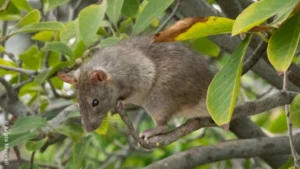
When climbing vertically, the tail helps distribute weight and provides additional stability. The rat can lean back slightly against their tail for support.
In tight spaces or complex environments, rats use their tails to feel surfaces behind them. This helps them navigate without constantly turning around.
The tail also helps rats know where their body is in space. The sensory information from the tail gives them better spatial awareness.
When jumping between surfaces, the tail’s movement helps direct the jump and maintain orientation in the air.
Why the Tail Is Hairless and Scaly
The appearance of rat tails often surprises people. They’re covered in scales and have very little hair. This isn’t just random, it serves specific purposes.
The scaly surface protects the tail from damage while providing flexibility. Scales are tougher than bare skin but allow the tail to bend and move freely.
Having no fur allows the tail to function better for temperature regulation. Heat can escape directly through the skin without fur insulation blocking it.
The scales are arranged in rings around the tail, overlapping slightly. This pattern allows the tail to bend in all directions while maintaining protection.
Very fine hairs do grow between the scales, but they’re so small you might not notice them without close inspection.
The thin skin and lack of fur also make the tail more sensitive to touch. This helps rats use their tails to feel their environment.
Some people think rat tails look like snake skin, which contributes to the negative perception. But the scales serve important biological functions.
Tail Length Varies by Rat Species
Not all rats have tails of exactly the same length. Different rat species have evolved tails suited to their specific lifestyles.
The common brown rat (Norway rat) has a tail that’s slightly shorter than its body length. This is the rat most people are familiar with.
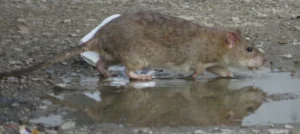
Black rats (roof rats) have tails that are longer than their bodies. These rats are more arboreal (tree-dwelling) and need the extra tail length for climbing.

Some rat species have shorter, thicker tails. These tend to be burrowing rats that spend more time underground where a long tail would be less useful.
Pack rats have relatively bushy tails compared to other rat species. The fur on their tails helps them in their specific environments.
The environment and behavior of each species influenced how their tails evolved. Climbing rats need longer tails, while burrowing rats need shorter ones.
Pet rats, usually fancy rats bred from brown rats, have tails in the typical range for their species.
Can Rats Survive Without Their Tails?
Sometimes rats lose part or all of their tails to injury, predators, or accidents. What happens when this occurs?
Rats can survive without their tails, but they’re at a significant disadvantage. The tail serves too many important functions for its loss to be trivial.
Balance becomes much harder. A rat without a tail will be clumsier, especially when climbing or moving across narrow surfaces.
Temperature regulation is impaired. The rat loses an important tool for cooling down, which can be especially problematic in hot weather.
Standing upright becomes difficult. Without tail support, the rat can’t maintain the stable tripod position they normally use.
These disadvantages mean tailless rats are more vulnerable to predators, less effective at finding food, and generally have lower survival rates in the wild.
In captivity, pet rats can live fairly normal lives even without tails. They adapt to the loss and learn to compensate, though they’re never quite as agile.
If a pet rat loses their tail to injury, proper veterinary care is critical to prevent infection and ensure the wound heals correctly.
Tail Injuries and Health Issues
Because rat tails are so exposed and frequently used, they’re vulnerable to various injuries and health problems.
Tails can get caught in cage bars, doors, or other obstacles. This can cause breaks, dislocations, or even degloving (where the skin tears away from the underlying tissue).
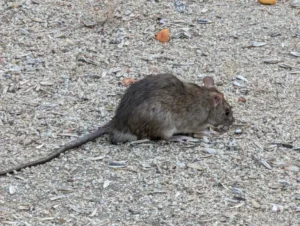
Bites from other rats during fights often target the tail. These wounds can become infected if not treated properly.
Circulation problems can affect tails. If blood flow is restricted, part of the tail might die and need to be amputated.
Very cold temperatures can cause frostbite on rat tails since they have little insulation. This is more of an issue for wild rats in harsh climates.
Tail tumors can occur, though they’re less common than tumors in other parts of the body.
If you notice your pet rat’s tail is swollen, discolored, bleeding, or seems to be causing them pain, veterinary attention is needed.
The Evolution of Rat Tails
Understanding how rat tails evolved helps explain why they’re designed the way they are.
Early rodents millions of years ago had tails, but those tails were quite different from modern rat tails.
As rats evolved to exploit specific environments (climbing, burrowing, swimming), their tails adapted to match those needs.
Rats that climbed more successfully because of longer tails were more likely to survive and reproduce. Over many generations, this led to the tail lengths we see today.
The hairless, scaly design evolved because it provided advantages for temperature regulation and flexibility that fur-covered tails didn’t offer.
Different rat species evolved in different environments, which is why their tails have different characteristics even though they’re all rats.
The rat tail we see today is the result of millions of years of natural selection favoring the features that helped rats survive best.
Cultural Perceptions of Rat Tails
Despite their functionality, rat tails are often viewed negatively by humans. Understanding this perception is interesting from a cultural standpoint.
Many people find rat tails disturbing or repulsive. The scaly, hairless appearance triggers negative reactions in people who aren’t used to rats.
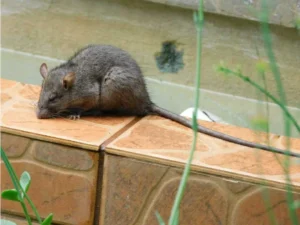
This negative perception contributes to the overall fear or disgust many people feel toward rats in general.
In some cultures, rat tails have been associated with disease or filth, even though the tail itself isn’t any dirtier than the rest of the rat.
Media often emphasizes rat tails in horror or disgust contexts, reinforcing negative associations.
People who keep pet rats often come to appreciate the tail once they understand its function. Learning about the tail’s purpose can change perception.
The reality is that rat tails are highly functional body parts that evolution has shaped for specific purposes, even if humans don’t always appreciate their design.
Comparing Rat Tails to Other Animal Tails
Looking at how rat tails compare to other animals’ tails helps highlight what makes them unique.
Mouse tails are similar to rat tails but smaller and thinner. They serve the same basic functions but are proportioned for the mouse’s smaller size.
Squirrel tails are very different. They’re bushy and fur-covered, used more for warmth and signaling than for balance in the same way rats use theirs.

Monkey and some other primate tails are prehensile, meaning they can actually grip objects. Rat tails can’t do this, though they can provide support.
Cat and dog tails are fur-covered and used primarily for communication and balance, but don’t play the same temperature regulation role that rat tails do.
Lizard tails can detach and regrow, which rat tails cannot do. This is a major difference in survival strategy.
Each type of tail evolved for the specific needs of that animal. Rat tails are optimized for the rat lifestyle even if they look strange to humans.
Common Questions About Rats Tails
Why are rats tails so long?
Rats’ tails are so long because they help with balance, temperature control, and communication. They act like a counterweight when climbing, release heat since rats don’t sweat much, and even send signals to other rats.
Conclusion
Rats have long tails because those tails are incredibly useful tools that help them survive. The tail provides balance during climbing and running, helps regulate body temperature, assists in communication, and supports the rat when standing upright.
Every feature of a rat’s tail, from its length to its scaly, hairless surface, evolved because it provided advantages that helped rats survive better than rats without those features.
While many people find rat tails off-putting, understanding their function can help create appreciation for this remarkable adaptation. The rat tail isn’t gross or creepy, it’s actually an elegant solution to the challenges rats face in their environment.
Whether you love rats or find them disturbing, their tails are proof of how evolution shapes every aspect of an animal to fit their lifestyle. The long, scaly tail that seems so strange is actually a perfectly designed tool that makes rats the successful survivors they are.

Hi, my name is Ezra Mushala, i have been interested animals all my life. I am the main author and editor here at snakeinformer.com.