
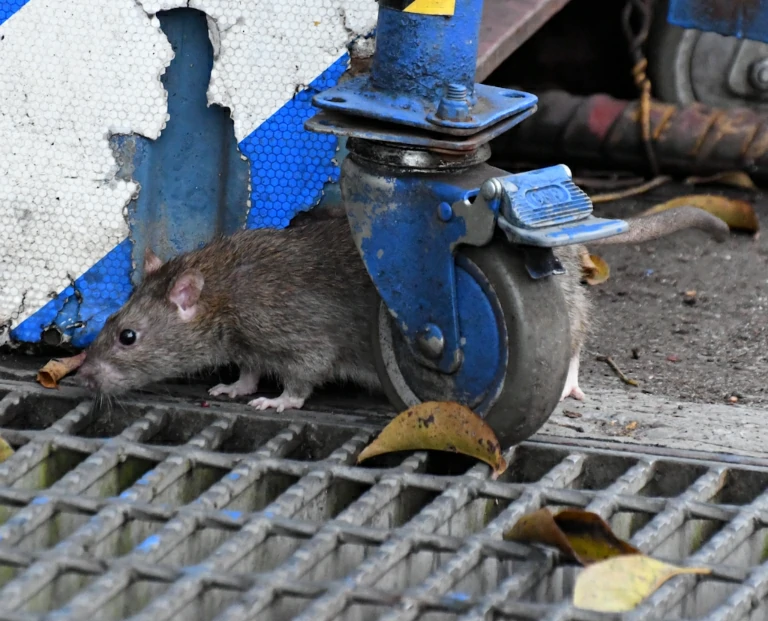
If you’ve watched cartoons or seen old movies, you’ve probably noticed that rats are always shown going crazy for cheese. From Tom and Jerry to classic mouse traps baited with cheese, this idea is everywhere in popular culture. But is it actually true? Why do rats like cheese?
Here’s the truth: rats don’t actually have a special love for cheese. This is mostly a myth created by cartoons and popular culture. In reality, rats prefer foods high in sugar and grains, like fruits, cereals, and peanut butter. They’ll eat cheese if it’s available because they’re opportunistic eaters, but it’s not their favorite food and definitely not something they seek out over other options.
The cheese myth probably started because cheese was commonly stored in homes throughout history, making it easy for rats to find and eat. Over time, this turned into the popular belief that rats love cheese, even though they’d pick other foods first if given a choice.
Where the Cheese Myth Came From
The idea that rats love cheese has been around for a really long time. Understanding where this myth started helps explain why it’s so widespread.
In medieval Europe and earlier times, cheese was a staple food that many households stored. It was kept in pantries, cellars, and storage areas where rats could easily access it.

Since cheese was so common in homes, rats naturally encountered it and ate it. People noticed rats eating their cheese and assumed cheese must be the rats’ favorite food.
Cheese also has a strong smell when it ages, which might have attracted rats to storage areas. But rats were probably just as interested in the grains, dried fruits, and other foods stored nearby.
Writers and artists picked up on the connection between rats and cheese. They started including it in stories and pictures, and eventually it became a standard part of how rats were portrayed.
By the time cartoons came around in the 20th century, the rat-loves-cheese idea was already firmly established. Shows like Tom and Jerry just reinforced what everyone already “knew,” even though it wasn’t really accurate.
What Rats Actually Prefer to Eat
If rats don’t love cheese, what do they actually like eating? Their real food preferences might surprise you.
Rats are omnivores, which means they eat both plant and animal foods. In the wild, they eat seeds, grains, fruits, insects, eggs, and pretty much anything else they can find.

They especially love foods that are high in carbohydrates and sugars. Things like bread, cereal, crackers, and fruit are way more appealing to rats than cheese.
Peanut butter is actually one of the best baits for catching rats. It’s sticky (so rats can’t just grab it and run), it smells strongly, and it has protein and fat that rats find really attractive.
Chocolate is another food rats find irresistible. The sugar and fat combination is very appealing to them, though you should never give chocolate to pet rats because it can be harmful.
Fresh fruits like apples, bananas, and berries are favorites too. The natural sugars and moisture content make these foods much more appealing than cheese.
Rats also like nuts, seeds, and grains of all types. These foods are similar to what wild rats would naturally eat, so they’re instinctively drawn to them.
Why Rats Will Still Eat Cheese
Even though cheese isn’t rats’ favorite food, they’ll definitely eat it if it’s available. This is because of how rats approach food in general.
Rats are opportunistic feeders. This means they eat whatever food is accessible and provides energy. They can’t afford to be too picky in nature, where food might be scarce.
Cheese does have some qualities that make it acceptable to rats. It’s high in fat and protein, which provides good energy. It also has a strong smell that rats can detect easily.
If a rat is hungry and cheese is the only food around, they’ll eat it without hesitation. Survival comes first, and rats have adapted to eat a wide variety of foods.
Some types of cheese might be more appealing than others. Soft, mild cheeses might be eaten more readily than hard, aged cheeses with very strong flavors.
But if you put cheese next to peanut butter, cereal, or fruit, most rats will ignore the cheese and go for the other options first. That’s the real test of their preferences.
The Problem with Using Cheese as Bait
Many people still use cheese to bait rat traps because that’s what they’ve always heard works. But there are several problems with this approach.
First, cheese isn’t as attractive to rats as other options. You might catch some rats with cheese, but you’ll catch more with better bait.

Cheese can also dry out quickly, especially in traps that are set for several days. Dried-out cheese loses its smell and becomes even less appealing to rats.
Some cheeses are too hard for rats to carry off easily. If the cheese is firmly attached to the trap, this isn’t a problem. But if it’s just sitting on the trap trigger, rats might ignore it.
Cheese can also get moldy, especially in damp areas where rats often travel. Moldy cheese might deter rats rather than attract them.
Professional pest control experts rarely use cheese for these reasons. They know that other baits work much better and are more reliable for catching rats.
Better Bait Options Than Cheese
If you’re trying to catch rats, whether for pest control or to check if you have a rat problem, these baits work much better than cheese.
Peanut butter is probably the best all-around bait. Smear a small amount on the trap trigger. Rats have to lick it off, which means they’re more likely to trigger the trap properly.
Chocolate spread or Nutella works great too. Like peanut butter, it’s sticky and smells strong. Rats find the sweet smell really hard to resist.
Bacon or other cooked meats appeal to rats’ need for protein. Small pieces of cooked bacon can be very effective, especially for larger rats.
Dried fruit like raisins or cranberries work well. They’re sweet, they smell good, and they’re easy to attach to traps. Rats seeking high-energy foods will be drawn to them.
Cereal with milk or water can be used in certain types of traps. The combination of grain and liquid is very appealing, though this works better in live traps than snap traps.
Nesting material like cotton balls or dental floss can even work during breeding season. Pregnant rats collecting material for nests will grab these items, triggering traps in the process.
What Pet Rats Should Actually Eat
If you have pet rats, it’s important to know what they should be eating for good health. This isn’t the same as what wild rats might scavenge.
Commercial rat pellets or blocks should make up the majority of a pet rat’s diet. These are specially formulated to provide all the nutrients rats need.

Fresh vegetables can be offered daily. Good options include broccoli, carrots, peas, and leafy greens. Rats enjoy the variety and get important vitamins from vegetables.
Fresh fruits can be given as treats, but in small amounts because of the sugar content. Rats love fruit, but too much can lead to obesity and other health problems.
Whole grains like cooked pasta, brown rice, and oats can be offered occasionally. These provide carbohydrates and are similar to what rats would naturally eat.
Small amounts of protein from cooked eggs, chicken, or fish can be given as treats. Pet rats need protein, but they get most of it from their regular pellets.
As for cheese? It’s okay as a very occasional treat in tiny amounts, but it shouldn’t be a regular part of a pet rat’s diet. Too much cheese can cause digestive upset and weight gain.
The Science Behind Rat Food Preferences
Researchers have actually studied what rats prefer to eat, and the results confirm that cheese isn’t at the top of the list.
Studies where rats are given choices between different foods show clear preferences. Rats consistently choose sweet foods over savory ones when both are available.
This preference for sweet foods makes sense from an evolutionary perspective. In nature, sweet foods (like ripe fruits) provide quick energy and are usually safe to eat.
Rats also have taste buds similar to humans. They can detect sweet, salty, sour, and bitter flavors. They’re attracted to sweet and salty tastes and avoid bitter tastes.
Research on rat brain chemistry shows that sweet foods trigger reward centers in their brains, similar to how they work in human brains. This creates a strong motivation to seek out sweet foods.
Interestingly, rats can develop food preferences based on experience. If a rat eats a food and feels good afterward, they’ll prefer that food in the future. If they feel sick, they’ll avoid it.
This means individual rats might have slightly different preferences based on their experiences, but overall, the preference for sugary and grain-based foods is consistent.
Why the Myth Persists Today
Even though we know rats don’t actually prefer cheese, the myth continues to be really common. Several factors keep this idea alive.
Cartoons and movies still show rats eating cheese. New generations of kids grow up watching these shows and absorbing the message that rats love cheese.

It’s become such a standard part of culture that people don’t question it. When everyone “knows” something, even if it’s wrong, that belief is hard to change.
The myth is harmless for most people. It doesn’t usually matter if someone thinks rats love cheese unless they’re actually trying to catch rats or feed pet rats properly.
People who try cheese as bait and catch a rat think the myth is confirmed. They don’t realize they probably would have caught the rat faster with different bait.
There’s also something appealing about the image of a rat with a piece of cheese. It’s simple, recognizable, and fits into stories easily. Truth is sometimes less convenient than fiction.
Until popular culture changes how it portrays rats, this myth will probably stick around. But at least now you know the real story.
Cultural Differences in Rat-Food Associations
Interestingly, the cheese myth isn’t universal. Different cultures have different ideas about what rats like to eat.
In some Asian cultures, rats are more associated with rice and grains. This makes sense because these are staple foods in those regions and what rats would commonly encounter.
In cultures where cheese isn’t a major part of the diet, the rat-cheese connection is much weaker or doesn’t exist at all. This shows how the myth is tied to Western European food culture.
Some cultures focus more on rats eating stored grains and causing crop damage. In these contexts, rats are seen as agricultural pests rather than cheese thieves.
The specific foods associated with rats in folklore often reflect what foods were valuable and commonly stored in that culture’s history.
This cultural variation in beliefs about rats and food actually supports the idea that the cheese connection is learned, not based on rats’ actual preferences.
Testing the Myth Yourself
If you’re curious, you can actually test whether rats prefer cheese by setting up a simple choice experiment (though this works best with pet rats or in controlled situations).
Set out several food options at the same time: a piece of cheese, some peanut butter, a small amount of cereal, and a piece of fruit. Place them equal distances from where the rat can access them.
Watch which food the rat goes to first. In most cases, they’ll ignore the cheese and head straight for the peanut butter, cereal, or fruit.
You can try this with different types of cheese to see if that makes a difference. Mild cheddar, strong blue cheese, or soft cream cheese might get different responses.
If you have multiple rats, test them individually. While the general preference for sweet and grain-based foods is consistent, individual rats might show slightly different choices.
This kind of experiment won’t be scientifically rigorous, but it’ll give you a good idea of real rat preferences versus what cartoons taught us.
What This Means for Pest Control
Understanding real rat food preferences is actually pretty important if you’re dealing with a rat infestation.
Using the right bait in traps means you’ll catch rats faster and more effectively. This is better for everyone (except the rats) because it solves the problem quicker.
Knowing what rats prefer also helps you protect those foods better. If you know rats love grains and cereals, you can store those foods in sealed containers to make your home less attractive.
It affects where you set traps too. Place traps near areas where rats might find their preferred foods, not just anywhere. Kitchens, pantries, and areas where pet food is stored are key locations.
Professional exterminators already know this information and use it to their advantage. They’re more likely to use peanut butter or other proven baits than cheese.
If you’re trying to prevent rats rather than catch them, removing access to their actual preferred foods is more important than worrying about cheese.
The Difference Between Can Eat and Prefer
One final important point: just because rats will eat cheese doesn’t mean they prefer it or that it’s what you should use to attract them.
Rats can eat lots of things that aren’t their favorites. They’re survivors with adaptable digestive systems. They’ll make do with whatever’s available.
The question isn’t “will rats eat cheese?” The answer to that is yes. The real question is “do rats prefer cheese over other options?” And the answer to that is no.
This distinction matters when you’re trying to catch rats, feed pet rats properly, or understand rat behavior. What an animal can eat and what it prefers are different things.
Many animals (including humans) will eat foods they don’t particularly like if they’re hungry enough or if better options aren’t available. Rats are no different.
Conclusion
The idea that rats love cheese is one of those myths that’s so common it’s treated as fact. But the reality is that rats don’t have a special preference for cheese at all.
Rats are opportunistic eaters who prefer foods high in sugar and carbohydrates. Given a choice, they’ll pick peanut butter, fruit, cereal, or grains over cheese almost every time.
The cheese myth probably started because cheese was commonly stored in homes where rats could access it. People saw rats eating cheese and assumed it was their favorite, but the rats were just eating what was available.
If you’re trying to catch rats, skip the cheese and use peanut butter or other more attractive baits. You’ll have much better results. If you’re feeding pet rats, offer them a varied diet based on commercial pellets, vegetables, and occasional treats, not cheese as a staple.
Understanding what rats actually prefer helps us deal with them more effectively, whether we’re trying to control pest populations or care for pet rats properly. Sometimes the old myths need to be updated with actual facts.

Hi, my name is Ezra Mushala, i have been interested animals all my life. I am the main author and editor here at snakeinformer.com.