
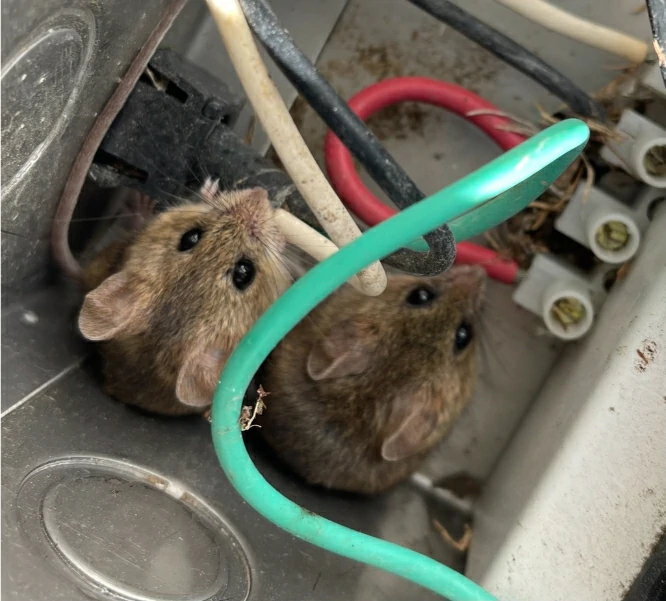
Rats have a reputation for chewing through almost anything, but they seem particularly drawn to electrical wires and cables. This behavior can be dangerous and expensive, whether you’re dealing with wild rats in your walls or pet rats in your home. So why do rats chew wires?
Rats chew wires because their teeth never stop growing throughout their entire life. They need to constantly gnaw on hard objects to wear their teeth down and keep them at a manageable length. Wires happen to be the perfect texture and hardness for this, plus they’re often located in areas where rats travel, making them easy targets.
Beyond just keeping their teeth trimmed, rats also chew wires out of curiosity, to clear paths through tight spaces, and sometimes just because the texture feels satisfying to gnaw on.
The plastic coating on wires can also smell or taste interesting to rats, making them even more appealing.
Rat Teeth Never Stop Growing
The main reason rats chew so much comes down to their biology. Rats are rodents, and the word “rodent” actually comes from the Latin word “rodere,” which means “to gnaw.”
All rodents have front teeth (incisors) that grow continuously throughout their lives. A rat’s teeth can grow about 4 to 5 inches per year if they’re not worn down.
If a rat couldn’t gnaw on things to wear down their teeth, those teeth would eventually grow so long that the rat couldn’t eat properly. This would lead to serious health problems and even death.
So chewing isn’t just a habit for rats. It’s actually a biological necessity. They’re driven by instinct to gnaw on hard objects regularly to keep their teeth at a healthy length.
This means that if you have rats in your home, they’re going to chew on something. They can’t help it. Wires just happen to be one of the many things available to them.
Why Wires Are So Appealing to Rats
Rats don’t specifically seek out wires because they want to cause problems. Wires just have several qualities that make them really attractive for chewing.
First, the texture is perfect. Most electrical wires have a plastic or rubber coating that’s firm but not too hard. This gives rats good resistance when they chew, which helps file down their teeth effectively.
The material also has some give to it, which probably feels satisfying to gnaw on. It’s similar to how humans might prefer certain textures for chewing gum.
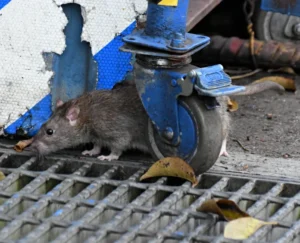
Wires are also usually located along walls, in corners, behind appliances, and in other areas where rats naturally travel. Rats prefer to move along edges and walls rather than crossing open spaces, so they encounter wires constantly in their normal paths.
The placement makes wires very convenient chewing targets. A rat moving along a baseboard will naturally come across electrical cords, and their instinct tells them to gnaw on hard objects they encounter.
Some wires also have a smell or taste that rats find interesting. The plastic coating can contain chemicals or additives that attract rats, even if humans can’t smell anything.
How Rats Choose What to Chew
Rats don’t just randomly chew everything they find. They actually have preferences based on texture, hardness, location, and even past experience.
They tend to prefer materials that are hard enough to wear down their teeth but not so hard that it’s difficult or painful to chew. Wires fall right in that sweet spot.
Rats also prefer things that are easily accessible. A wire running along the floor or wall is much more likely to get chewed than something stored away in a sealed container.
Location matters a lot too. Rats will chew things that are in their regular travel paths or near their nesting areas. If wires run through spaces where rats move frequently, those wires are at high risk.
Past experience plays a role as well. If a rat has chewed a particular type of wire before and found it satisfying, they’re more likely to seek out similar wires in the future.
The Danger of Rats Chewing Wires
When rats chew through electrical wires, they create some serious hazards. The most obvious danger is electrical fires.
When a rat gnaws through the protective coating and exposes the bare wires inside, those wires can spark or short circuit. If this happens near flammable materials like insulation, wood, or paper, it can easily start a fire.
House fires caused by rodents chewing wires are more common than most people realize. Fire investigators often find evidence of rodent damage when they determine what caused electrical fires.
Beyond fire risk, exposed wires can also cause electrical failures. Your lights, appliances, or entire circuits might stop working because a rat chewed through an important wire somewhere in your walls.
The rat itself can also get electrocuted if it bites through a live wire, though this doesn’t always happen. The rubber or plastic coating often prevents direct contact with electricity until the wire is completely severed.
Repairing wire damage can be really expensive too, especially if the damaged wires are inside walls or in hard-to-reach areas. You might need to hire an electrician to trace and fix all the damage.
Where Rats Are Most Likely to Chew Wires
Rats don’t have access to every wire in your home, so they focus their chewing on wires in areas they can reach. Understanding where rats chew wires can help you protect those areas.
Baseboard wires are incredibly vulnerable. Any cord running along the floor or up against a wall is easy prey for rats traveling along their usual routes.

Wires behind appliances are also common targets. The space behind your refrigerator, stove, washer, or dryer often has electrical wires, and rats love these dark, hidden areas.
Attics and crawl spaces are major problem areas. These spaces often have lots of electrical wiring running through them, and rats frequently nest in these areas, giving them plenty of time and opportunity to chew.
Wires inside walls are at risk too, though you won’t see this damage until it causes problems. Rats can get into wall voids through small gaps and will chew on any wires they find there.
Car wires are also vulnerable. Rats sometimes nest in engine compartments and chew on the wiring harness, spark plug wires, and other cables. This can cause expensive vehicle damage.
Signs That Rats Are Chewing Your Wires
You might not actually see rats chewing your wires, but there are several signs that can alert you to the problem before it becomes too serious.
Look for chew marks on visible wires. Rat teeth leave distinctive marks that look like small parallel grooves. The plastic coating might be peeled back or completely removed in spots.
Check for exposed copper wire. If you see the metal wiring showing through the protective coating, a rat has definitely been chewing there.
Electrical problems that start suddenly can be a sign. If lights start flickering, outlets stop working, or appliances randomly shut off, there might be damaged wires somewhere.
You might also find small pieces of plastic or rubber near baseboards or in corners. These are shavings from the wire coating that rats have chewed off.
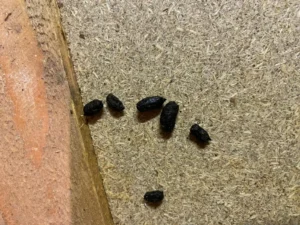
Other signs of rats in general can alert you to check your wires. Look for droppings, greasy rub marks along walls, scratching sounds in walls or ceilings, or nesting material in hidden areas.
Pet Rats vs. Wild Rats and Wire Chewing
Both pet rats and wild rats will chew wires, but the context and solution are pretty different for each situation.
Pet rats chew wires mainly because they’re curious, bored, or the wires are in their play area. They still need to wear down their teeth, but they usually have other chewing options available.
If your pet rat keeps chewing on wires, it usually means they either don’t have enough appropriate chew toys, or they’re getting out of their cage and exploring areas they shouldn’t be in.
The solution for pet rats is pretty straightforward. Keep wires away from their reach, provide plenty of good chew toys, and make sure they’re properly supervised when out of their cage.
Wild rats chew wires because those wires are in their living space and along their travel routes. They’re not being destructive on purpose. They’re just doing what rats naturally do.
Getting rid of wire-chewing by wild rats means getting rid of the rats themselves. You need to seal entry points, set traps, and make your home less attractive to rats overall.
How to Protect Your Wires from Rats
If you’re dealing with rats chewing your wires, there are several ways to protect those wires and reduce the damage.
Wire covers and conduits are one of the best solutions. These are hard plastic or metal tubes that enclose wires and make them much harder to chew through. You can find these at hardware stores in various sizes.
Moving wires can help too. If possible, reroute wires away from areas where rats travel. Run them up high instead of along baseboards, or put them through the center of rooms instead of along walls.

Taste deterrents might provide some protection. There are sprays and coatings designed to taste bad to rodents. You can apply these to wires in accessible areas, though they need to be reapplied regularly.
Some people wrap wires in materials rats don’t like to chew, like aluminum foil or steel wool. This can work for short-term protection, but it’s not a permanent solution.
The most important step is actually addressing the rat problem itself. If you don’t have rats in your home, they can’t chew your wires. Seal up entry points, remove food sources, and use traps or hire pest control if needed.
What to Do If You Find Chewed Wires
If you discover that rats have already chewed your wires, you need to deal with it quickly to avoid hazards.
First, don’t touch exposed wires. If you see bare copper or damaged electrical wires, assume they’re live and dangerous until proven otherwise.
Turn off power to the affected area if you can. Flip the circuit breaker for that section of your home to eliminate the immediate electrical hazard.
Call an electrician to inspect and repair the damage. Don’t try to fix electrical wiring yourself unless you’re qualified. Wire damage can be more extensive than it appears, and improper repairs can create more hazards.
Document the damage with photos before repairs. This can be helpful for insurance claims if the damage is extensive.
While the wires are being repaired, work on your rat problem. Set traps, seal entry points, and remove anything that might attract rats to your home. Otherwise, they’ll just chew more wires after the repairs are done.
Why Prevention Is Better Than Repair
Once rats start chewing your wires, the damage is done and you’re looking at repairs. It’s much better to prevent the problem before it starts.
Preventing rats from entering your home is the single most effective strategy. Walk around your house and look for any gaps, cracks, or holes larger than a quarter inch. Rats can squeeze through surprisingly small openings.
Seal these entry points with materials rats can’t chew through. Steel wool, hardware cloth, and metal flashing work well. Don’t use foam, caulk, or plastic by themselves, as rats can chew through these easily.
Keep your home clean and remove food sources. Rats are attracted to places where they can find food. Store food in sealed containers, clean up crumbs and spills, and don’t leave pet food out overnight.
Reduce clutter in storage areas. Rats love cluttered spaces because they provide good hiding spots and nesting material. Keep attics, basements, and garages organized and clean.
Regular inspections can catch problems early. Check vulnerable areas like your attic, crawl space, and garage every few months for signs of rats. Finding evidence early means you can act before major damage occurs.
Common Myths About Rats and Wires
There are several misconceptions about why rats chew wires and what you can do about it. Let’s clear up some of these myths.
Myth: Rats chew wires because they’re hungry. Actually, rats don’t eat wires. They chew them to wear down their teeth, not for nutrition. Removing food sources helps reduce rat populations but won’t stop them from chewing.
Myth: Rats prefer certain colored wires. There’s no evidence that rats favor particular wire colors. They chew based on location, texture, and accessibility, not color.
Myth: Ultrasonic repellents will stop rats from chewing wires. Most studies show these devices don’t work well. Rats might avoid them briefly but quickly get used to the sound and ignore it.
Myth: Cats will solve your wire-chewing problem. While cats can catch some rats, they often don’t solve a serious infestation. Many rats will just avoid areas where cats are, and the rats that remain will still chew wires.
Myth: Rats only chew wires at night. Rats are more active at night, but they’ll chew whenever they’re in an area with wires. If rats are living in your walls, they might be chewing wires 24/7.
The Cost of Wire Damage from Rats
The financial impact of rats chewing wires can be pretty serious, depending on how extensive the damage is.
Simple repairs might only cost a few hundred dollars if the damage is limited to one or two easily accessible wires. An electrician can replace these relatively quickly.
More extensive damage can run into thousands of dollars. If rats have chewed wires throughout your walls, attic, or crawl space, the repair costs multiply fast. You’re paying for both the electrician’s time and the difficulty of accessing hidden wires.
If wire damage causes a fire, you’re looking at potentially catastrophic costs. Even small fires can cause tens of thousands of dollars in damage. Large fires can destroy entire homes.
Vehicle wire damage from rats can also be expensive. Replacing a wiring harness or repairing chewed wires in a car often costs $500 to $2,000 or more, depending on the vehicle and extent of damage.
Insurance might cover some of this damage, depending on your policy. Fire damage is usually covered, but damage from rodents might not be. Check your policy or call your insurance company to understand your coverage.
Conclusion
Rats chew wires because their teeth never stop growing, and they need to constantly gnaw on hard objects to keep those teeth at a healthy length. Wires are just one of many things rats will chew, but they’re particularly vulnerable because of their texture, location, and accessibility.
This behavior isn’t rats being malicious or trying to cause problems. It’s just basic biology. If you have rats in your home, they’re going to chew on something, and wires are often the most convenient target.
The damage rats cause to wires is serious though. It can lead to electrical fires, power failures, and expensive repairs. The best solution is to prevent rats from getting into your home in the first place.

Hi, my name is Ezra Mushala, i have been interested animals all my life. I am the main author and editor here at snakeinformer.com.