
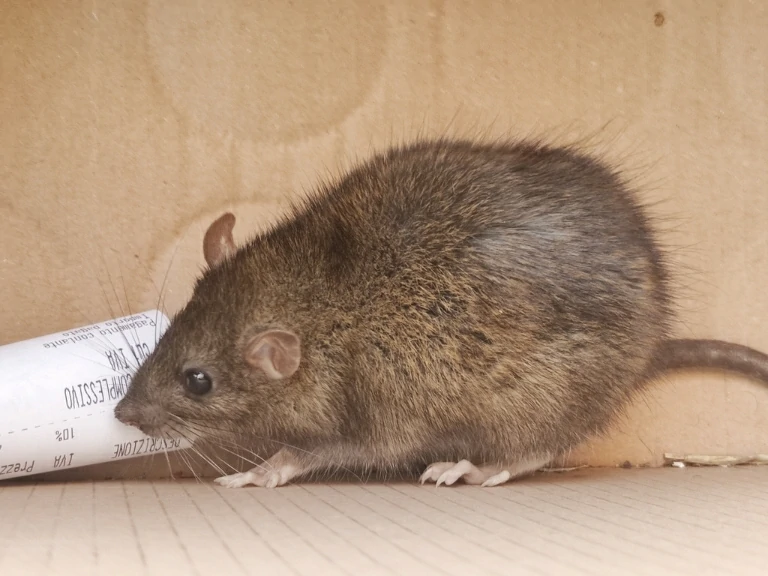
Rats are known for breeding incredibly fast, which is one reason they’re such successful animals. But sometimes rat pregnancies don’t go as planned, and you might wonder if rats have any control over their pregnancies.
Whether you’re a rat breeder, a pet rat owner, or just curious about rat biology, you might have questions about what happens when conditions aren’t right for raising babies. Can rats actually abort their babies?
Yes, rats can spontaneously abort their babies (miscarry) under certain conditions like extreme stress, poor nutrition, illness, or overcrowding. This is an involuntary biological response, not a conscious decision. Rats can also reabsorb early-stage embryos if conditions aren’t suitable for pregnancy.
Understanding how and why rats lose pregnancies is important for anyone breeding rats or keeping pregnant females. It also helps explain some of the behavior you might see in female rats.
What Is Spontaneous Abortion in Rats?
When we talk about rats aborting their babies, we’re really talking about spontaneous abortion, which is also called miscarriage. This is different from humans choosing to end a pregnancy.
Spontaneous abortion means the pregnancy ends on its own without any external intervention. The rat’s body stops the pregnancy naturally.
This can happen at any point during the pregnancy, though it’s most common in the first half. Rat pregnancies only last about 21 to 23 days, so we’re talking about early termination.
The rat doesn’t make a conscious decision to abort. It’s an automatic biological response to conditions that the body determines aren’t suitable for pregnancy.
When a rat aborts, the developing babies (called embryos or fetuses depending on how far along they are) are expelled from the body. Sometimes the mother rat will eat them.
This is different from reabsorption, which we’ll talk about later. In abortion, the pregnancy tissue is expelled. In reabsorption, the body breaks it down internally.
Both are the rat’s body responding to problems that make continuing the pregnancy dangerous or impossible.
Common Causes of Spontaneous Abortion in Rats
Several factors can trigger a rat’s body to abort a pregnancy. These are usually related to the mother’s health or environmental conditions.
Extreme stress is one of the biggest causes. If a pregnant rat is scared, handled roughly, or living in a chaotic environment, her body might abort to protect her own survival.
Poor nutrition will cause spontaneous abortion. If the mother isn’t getting enough food or the right nutrients, her body can’t support both her and the babies.

Illness or infection in the mother rat often leads to abortion. When the mother’s body is fighting disease, it doesn’t have resources for pregnancy.
Overcrowding in the cage or living area creates stress that can trigger abortion. Rats need space, and too many rats in one area is really stressful.
Extreme temperatures (too hot or too cold) can cause the body to abort. If the mother is struggling to maintain her own body temperature, pregnancy becomes impossible.
Injury or physical trauma to the mother can result in abortion. If the mother is hurt, her body prioritizes healing over pregnancy.
Age can be a factor too. Very young rats or very old rats are more likely to abort pregnancies than rats in their prime reproductive years.
The Process of Reabsorption
Reabsorption is a different process from abortion, but it serves the same purpose: ending a pregnancy that the body determines can’t or shouldn’t continue.
Reabsorption happens very early in pregnancy, usually in the first week or two. The embryos are so small that the body can break them down and absorb the tissue.
When reabsorption happens, you won’t see any expelled tissue or evidence that the rat was pregnant. The body just breaks everything down internally.

The process is completely invisible from the outside. The rat will look like she was never pregnant at all.
Reabsorption is actually pretty common in rats. Not every pregnancy that starts will make it to full term, and early reabsorption is one way pregnancies end.
This can happen if the embryos aren’t developing properly, if the mother’s body senses something wrong, or if conditions aren’t right.
From a breeding standpoint, reabsorption is frustrating because you think you have a pregnant rat and then suddenly she’s not pregnant anymore with no obvious explanation.
The mother rat recovers quickly from reabsorption since her body is just absorbing tissue rather than expelling it.
Signs That a Rat Is Aborting
If a rat is having a spontaneous abortion, there are signs you might notice. Recognizing these signs helps you understand what’s happening.
- The most obvious sign is vaginal bleeding. You’ll see blood around the rat’s genital area or on the bedding.
- You might find expelled tissue or small, undeveloped babies in the cage. This is disturbing to see but it’s part of the abortion process.
- The rat might be lethargic and less active than usual. Going through an abortion is physically taxing for the mother.
- Loss of appetite is common. The rat might not eat for a day or two during and after the abortion.
- The rat’s belly might suddenly look smaller. If she was visibly pregnant and then isn’t, she likely aborted.
- Nesting behavior might stop. If the rat was building a nest and then abandons it, this can indicate pregnancy loss.
- The rat might be more aggressive or want to be left alone. Pain and stress make rats less friendly than usual.
If you see these signs, give the rat quiet time to recover. Make sure she has food and water available, but don’t handle her unless necessary.
Stress as a Major Factor
Stress is probably the single biggest environmental factor that causes rats to abort pregnancies. Understanding what stresses pregnant rats is important.
Loud noises and sudden sounds are really stressful for rats. Construction, loud music, or even yelling can trigger enough stress to cause abortion.
Being handled too much during pregnancy is stressful. Pregnant rats should be left alone as much as possible, only handled when necessary.
New animals in the home can cause stress. If you get a new pet or introduce new rats to the colony during pregnancy, this can trigger abortion.
Moving the rat to a new cage or environment during pregnancy is risky. Pregnant rats need stability and familiar surroundings.
Predator presence or smells will stress a pregnant rat. If there’s a cat, dog, or other predator that the rat can smell or sense, this creates enormous stress.
Too much human activity around the cage can be stressful. Pregnant rats need a quiet area where they won’t be constantly disturbed.
Fighting with other rats is extremely stressful. If a pregnant rat is being bullied or fighting for dominance, she might abort.
The stress response causes hormonal changes in the rat’s body, and these hormones can trigger the abortion process.
Nutritional Causes of Pregnancy Loss
What a pregnant rat eats has a huge impact on whether she’ll carry the pregnancy to term. Nutrition is critical.
Protein is especially important for pregnant rats. They need high-quality protein to build the developing babies. Without enough protein, abortion is likely.
Calcium deficiency can cause abortion and other pregnancy problems. Pregnant rats need extra calcium for the babies’ developing bones.
Overall calorie intake matters too. A pregnant rat needs to eat more than usual. If she’s not getting enough food, her body can’t support the pregnancy.
Vitamin deficiencies can trigger abortion. Pregnant rats need vitamins A, D, and E particularly. A balanced diet prevents these deficiencies.
Dehydration will cause pregnancy problems. If the rat doesn’t have constant access to fresh water, the pregnancy is at risk.
Spoiled or contaminated food can cause illness that leads to abortion. Always provide fresh, clean food for pregnant rats.
The timing of nutrition matters too. If a rat is well-fed early in pregnancy but then runs out of food, she might abort even though she was doing fine before.
Health Problems That Cause Abortion
Various health issues in the mother rat can result in spontaneous abortion. Some of these are preventable while others aren’t.
Respiratory infections are really common in rats and can cause abortion. If the mother is having trouble breathing, her body can’t support pregnancy.
Parasites like mites or worms will cause enough stress and drain enough resources that abortion becomes likely.
Tumors, especially mammary tumors which are common in female rats, can cause abortion. The body is dealing with abnormal cell growth and can’t handle pregnancy too.

Kidney or liver disease makes pregnancy impossible to maintain. These organs are critical for filtering the mother’s blood, and if they’re not working right, the pregnancy fails.
Uterine infections will cause abortion. If the uterus itself is infected, the babies can’t survive.
Genetic problems in the mother sometimes make carrying pregnancies impossible. Some rats just can’t successfully have babies due to their biology.
Previous difficult births or complications can make future pregnancies more likely to abort.
If you’re breeding rats, keeping them healthy is the best way to prevent spontaneous abortion. Regular vet checks help catch problems early.
Age and Reproductive Success
The mother rat’s age significantly affects whether she’ll carry a pregnancy to term or abort. There’s an ideal age window for rat reproduction.
Young rats (under 3 to 4 months old) aren’t fully mature and might abort pregnancies. Their bodies aren’t really ready for pregnancy yet.
Very young mothers might not know how to care for babies even if they do carry to term, which can create stress that triggers late-term abortion.

Rats between 4 months and 1 year old are in their reproductive prime. They’re most likely to carry pregnancies successfully during this time.
Older rats (over 18 months) are more likely to have pregnancy complications including abortion. Their bodies aren’t as efficient as they used to be.
First-time mothers of any age are at higher risk for abortion than experienced mothers. The stress of a first pregnancy can trigger abortion.
Rats who’ve had multiple successful litters might also start having more abortions as they age. The body can only handle so many pregnancies.
If you’re breeding rats, aim for mothers between 4 and 12 months old for the best outcomes and lowest abortion rates.
Can Stress from Other Rats Cause Abortion?
The social environment matters a lot for pregnant rats. Other rats in the colony can create stress that leads to abortion.
Fighting and aggression from other rats will cause abortion. If a pregnant rat is being attacked or bullied, the stress is enormous.
Overcrowding creates general stress even without direct aggression. Too many rats in one space makes everyone stressed.
Male rats can sometimes cause stress to pregnant females. While males aren’t usually aggressive to females, their presence can be stressful during pregnancy.
Introducing new rats during pregnancy is a bad idea. The social disruption and establishment of new dominance hierarchies creates stress.
Even friendly interactions can be too much for a very stressed pregnant rat. Sometimes pregnant rats need to be alone.
Some rats are more social than others. A rat who’s usually very social might want more alone time when pregnant.
If you’re keeping pregnant rats in a colony, watch for signs of stress and separate the pregnant rat if needed. A single pregnant rat in her own cage is often less stressed.
What Happens After a Spontaneous Abortion
After a rat aborts a pregnancy, her body goes through a recovery process. Understanding this helps you care for the rat properly.
The rat will clean herself and often eat the expelled tissue. This is normal rat behavior and shouldn’t concern you.
She might be tired and less active for a day or two. Give her quiet time to rest and recover.

Appetite usually returns within 24 hours. Make sure fresh food and water are always available.
The rat’s hormones will shift back to a non-pregnant state. This takes a few days and might affect her mood and behavior.
Physically, most rats recover from abortion within 3 to 5 days. The uterus returns to normal size and bleeding stops.
If bleeding continues for more than a few days or seems excessive, this could indicate a problem. See a vet if you’re concerned.
The rat can get pregnant again almost immediately after abortion. If you don’t want another pregnancy right away, keep males away.
Some rats seem depressed after losing a pregnancy, especially if they were close to full term. Give extra attention and treats during recovery.
Preventing Spontaneous Abortion in Pregnant Rats
If you’re breeding rats or have a pregnant pet rat, there are steps you can take to reduce the chances of abortion.
- Provide a quiet, stable environment. Keep the pregnant rat in a calm area away from loud noises and activity.
- Handle the pregnant rat as little as possible. Only pick her up when absolutely necessary.
- Feed a high-quality, protein-rich diet. Pregnant rats need extra nutrition, so don’t skimp on food quality or quantity.
- Make sure fresh water is always available. Dehydration is a serious risk during pregnancy.
- Keep the cage clean but don’t do major cleanings that will stress the rat. Spot clean as needed without disrupting the whole cage.
- Maintain a comfortable temperature between 65°F and 75°F (18°C to 24°C). Temperature extremes will cause abortion.
- Separate the pregnant rat from aggressive cage mates. She needs peace, not fighting.
- Avoid introducing new rats or pets during pregnancy. Keep the social environment stable.
- Watch for signs of illness and address health problems immediately. A sick rat is more likely to abort.
Provide plenty of nesting material so the rat can build a nest. This helps her feel secure and ready for babies.
When to See a Vet
Most spontaneous abortions in rats resolve on their own, but sometimes you need veterinary help.
If the rat is bleeding heavily or continuously for more than two days, see a vet. This could indicate a problem.
If the rat seems to be in severe pain (hunched posture, reluctant to move, squeaking), veterinary care is needed.
If the rat isn’t eating or drinking for more than 24 hours after abortion, this is concerning. Dehydration and starvation can set in quickly.
If you see signs of infection (fever, discharge with bad smell, lethargy), the rat needs antibiotics.
If the rat’s belly stays large after apparent abortion, some tissue might be retained. This requires veterinary attention.
If the rat is having trouble breathing or seems generally unwell after abortion, don’t wait to see if she improves. Get help.
Multiple abortions in different rats in your colony suggest an environmental problem or disease outbreak. A vet can help identify the issue.
It’s always better to be safe than sorry. If you’re worried about your rat after an abortion, call a vet and describe what’s happening.
Conclusion
Yes, rats can spontaneously abort their babies (miscarry) under various conditions including extreme stress, poor nutrition, illness, overcrowding, or temperature extremes.
This is an involuntary biological response where the rat’s body determines conditions aren’t suitable for continuing the pregnancy. Rats can also reabsorb early-stage embryos, which is another form of pregnancy loss.
Spontaneous abortion in rats is a natural protective mechanism that helps ensure the mother’s survival and that babies are only born when conditions are right for their survival.
While it’s distressing to see a rat lose a pregnancy, it’s the body responding to real problems that would make successful birth unlikely or dangerous.

Hi, my name is Ezra Mushala, i have been interested animals all my life. I am the main author and editor here at snakeinformer.com.