
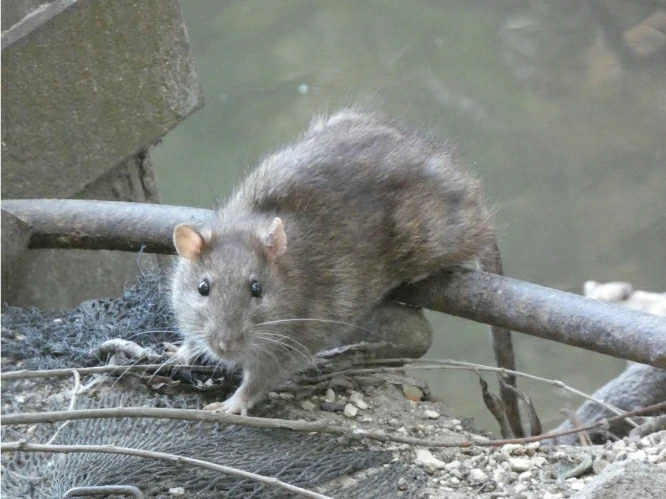
Rats and mice are both common rodents that people encounter as pests or keep as pets. Since they’re both small, furry rodents that seem pretty similar, you might think they could live together peacefully.
Maybe you’re wondering if you can keep pet rats and mice in the same cage, or you’ve noticed both rats and mice around your property and wondered if they coexist. So can rats and mice actually live together?
No, rats and mice can’t live together peacefully. Rats will kill and eat mice if housed together, driven by territorial aggression and predatory instincts. In the wild, rats and mice avoid each other, and mice will leave areas where rats are present.
Understanding why rats and mice don’t get along is important whether you’re keeping them as pets or dealing with them as pests. These two rodents might seem similar, but they have a very different relationship than most people realize.
Why Rats Kill Mice
The relationship between rats and mice isn’t just unfriendly, it’s actually predatory. Rats see mice as prey, not as fellow rodents to live alongside.
Rats are much bigger than mice. An adult rat can weigh 10 to 20 times more than an adult mouse. This size difference makes mice easy targets.

Rats are naturally aggressive toward smaller animals in their territory. They’ll attack mice on sight, even if the rat has plenty of food available.
Rats will kill mice quickly, usually with a bite to the head or neck. The attack is fast and deadly, not a long fight.
After killing a mouse, rats often eat it. Mice are actually a food source for rats in the wild, which is why rats hunt them.
This isn’t about food shortage or competition. Even well-fed rats will kill mice if they encounter them. It’s just instinctive behavior.
Pet rats that have been raised around humans still have these instincts. A pet rat might be friendly to humans but will still kill a mouse if given the chance.
The Size Difference Makes Coexistence Impossible
One of the main reasons rats and mice can’t live together is the huge difference in their size. This isn’t a fair matchup.
Adult mice typically weigh between 0.5 to 1 ounce (14 to 28 grams). They’re tiny, delicate animals.
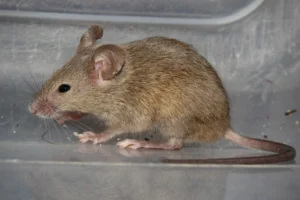
Adult rats weigh between 7 to 18 ounces (200 to 500 grams). Some large male rats can even reach over a pound.
This means a rat can be 10 to 20 times heavier than a mouse. The rat is just massively bigger and stronger.
A mouse has no way to defend itself against a rat. Even if the mouse fights back, it’s like a person fighting a bear. The size difference is too extreme.
Rats can easily overpower mice, pin them down, and kill them. The mouse doesn’t stand a chance in any physical confrontation.
Even if a rat doesn’t kill the mouse immediately, the constant stress of living with a much larger predator will make the mouse sick and unhappy.
This size difference also means they have different environmental needs. What’s comfortable space for a rat is cramped for multiple mice, and vice versa.
What Happens If You Put Rats and Mice Together
If you try to house rats and mice together, the outcome is almost always tragic for the mice. Here’s what typically happens.
At first, the rat might just investigate the mouse. The rat will sniff around and seem curious rather than immediately aggressive.
This calm period doesn’t last long. Within minutes to hours, the rat’s predatory instincts kick in.
The rat will suddenly attack the mouse, usually without warning. The attack is fast, brutal, and decisive.
The mouse might try to run or hide, but in an enclosed space, there’s nowhere to go. The rat will hunt it down.
Death usually comes quickly for the mouse. Rats kill efficiently, typically with a bite to the head or neck that’s instantly fatal or causes rapid death.

After killing the mouse, the rat will often eat parts of it. This is disturbing to watch but completely natural for rats.
If there are multiple mice, the rat will likely kill them one by one. It’s not a one-time thing, the rat will keep hunting until all the mice are dead.
Even if the rat doesn’t kill the mouse right away, the mouse will be terrified and stressed. This stress alone can make the mouse sick or cause it to die.
Can Mice and Rats Coexist in the Wild?
In the wild, rats and mice generally don’t share the same spaces. They’ve developed ways to avoid each other, which is the mouse’s main survival strategy.
Mice can actually detect the presence of rats through scent. Rat urine and droppings contain chemicals that mice can smell.
When mice detect rat scent, they’ll leave the area if they can. Mice won’t willingly stay anywhere that rats are present.
If rats move into an area where mice are living, the mice will abandon that territory and find somewhere else to live.
In urban environments, you might have both rats and mice on the same property, but they’ll be in different areas. Mice might be in the attic while rats are in the basement, for example.
Mice are active when they think rats aren’t around. If rats are nocturnal in an area, mice might become more active during the day to avoid them.
Wild mice have become very good at hiding from rats. They use small spaces that rats can’t access, stay quiet, and move carefully to avoid detection.
Despite these avoidance strategies, rats do catch and eat mice in the wild. It happens regularly, which is why mice are so afraid of rats.
Do Pet Rats See Pet Mice Differently?
Some people wonder if pet rats that have been raised around humans might be less aggressive toward mice. Unfortunately, this isn’t really the case.
Pet rats still have all the same instincts as wild rats. Domestication hasn’t removed their predatory behavior toward mice.
A pet rat that’s friendly to humans, gentle, and well-socialized will still kill a mouse. These are two completely separate behaviors.
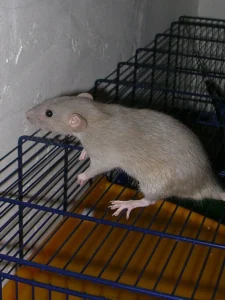
The rat isn’t being mean or bad when it kills a mouse. It’s just following its natural instincts that have been hardwired through thousands of generations.
Even rats that have never seen a mouse before will often attack on first encounter. The behavior is instinctive, not learned.
Some people report that their rats and mice lived together without problems, but these are very rare exceptions and usually involve specific circumstances (like the rat being very old, sick, or raised from birth with the mouse).
You should never count on your individual rat being the exception. The risk is just too high, and the consequences for the mouse are fatal.
Even if a rat doesn’t kill a mouse right away, keeping them together is stressful for the mouse and potentially dangerous.
The Stress Factor for Mice
Even if by some miracle a rat doesn’t immediately kill a mouse it’s housed with, the psychological stress on the mouse is severe.
Mice are prey animals with a strong fear response to predators. Being near a rat triggers constant fear in a mouse.
This constant stress releases hormones like cortisol that can make the mouse sick. Chronic stress weakens the immune system and can lead to early death.

A stressed mouse will hide constantly, not eat properly, and show signs of anxiety like excessive grooming or frantic running.
The mouse can literally die from stress even if the rat never touches it. The presence of a predator is enough to cause fatal stress.
You might not see obvious signs that the mouse is stressed because mice hide their weakness (another survival instinct), but the damage is happening internally.
Quality of life for the mouse would be terrible. The mouse would spend every moment in fear, never able to relax or feel safe.
This is considered inhumane treatment of the mouse, even if the rat doesn’t physically harm it.
Territorial Behavior in Rats
Part of why rats are so aggressive toward mice is territorial behavior. Rats are very territorial animals that defend their space aggressively.
Rats mark their territory with urine and scent glands. They consider any space they’ve marked as their own.
When a rat finds another animal in its territory, especially a smaller rodent, it sees it as an intruder that needs to be eliminated.

This territorial aggression applies even if the rat and mouse have plenty of space. It’s not about overcrowding, it’s about the rat’s instinct to keep its territory clear.
Male rats are especially territorial, but female rats will also kill mice. Gender doesn’t make a significant difference in this behavior.
Rats establish dominance through aggression, and a mouse in their territory is seen as something they need to dominate (by killing).
This territorial instinct is so strong that rats will even kill other rats from different colonies. Mice stand no chance against this kind of aggression.
Can Baby Rats and Mice Live Together?
Some people wonder if baby rats and baby mice might be able to live together since they’re both small and haven’t developed aggressive behaviors yet.
Baby rats (called pups or kittens) are less aggressive than adults, but they still have predatory instincts that develop as they grow.
Very young baby rats (under 3 weeks old) might not immediately attack a baby mouse, but as they get older, the risk increases dramatically.

By the time a baby rat is 4 to 6 weeks old, it’s big enough and aggressive enough to kill a mouse. This happens quickly as the rat matures.
Even if baby rats and mice seem to get along at first, you can’t keep them together as they grow. The rat will eventually kill the mouse.
Baby mice are even more vulnerable than adult mice. They’re smaller, weaker, and can’t defend themselves at all.
Trying to raise baby rats and mice together is risky and not recommended. The situation can turn deadly with little warning as the animals mature.
The growth rate is also different. Rats grow faster than mice, so the size difference becomes more pronounced quickly.
Alternatives to Housing Rats and Mice Together
If you want to keep both rats and mice as pets, there are safe ways to do this without putting them in danger.
Keep them in completely separate cages in different rooms. This keeps them from seeing, smelling, or hearing each other.
If they must be in the same room, keep the cages far apart and use barriers so they can’t see each other.
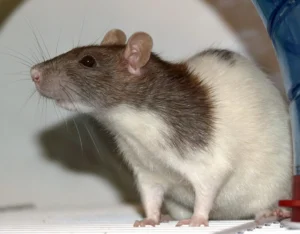
Never let rats and mice interact, even supervised. The risk is too high and an attack can happen in a split second.
Keep separate equipment for each species. Don’t use the same toys, food bowls, or cleaning supplies between rat and mouse cages.
Wash your hands thoroughly after handling one species before touching the other. This prevents transferring scents that could stress the animals.
If you have both species, prioritize the mice’s safety. They’re the vulnerable ones in this situation.
Consider keeping just one species if you’re worried about managing separate habitats. It’s easier and safer to focus on either rats or mice, not both.
What About Other Small Rodents?
Rats don’t just prey on mice. They’re aggressive toward other small rodents too, so the same problems apply.
Rats will kill hamsters if given the chance. Hamsters are similar in size to large mice and are seen as prey by rats.
Gerbils are also at risk. They’re small enough that rats will hunt and kill them.
Guinea pigs are bigger than mice, but young guinea pigs could still be at risk from a large aggressive rat.

Degus, chinchillas, and other small rodents should also never be housed with rats. The size difference and predatory instinct make it dangerous.
The only rodents that might be able to coexist with rats are other rats from the same colony. Even then, introducing new rats requires careful, gradual process.
If you want to keep multiple types of rodents, they each need their own separate, secure housing. Don’t try to mix species.
Signs Your Mouse Is Near Rats
If you’re dealing with both rats and mice in your home or on your property, there are signs that show when mice are avoiding rat territory.
If you used to have mice in an area and they suddenly disappear, rats might have moved in. Mice will abandon areas where rats are present.
Finding dead mice that have been partially eaten is a strong sign that rats are around. Rats hunt and eat mice regularly.
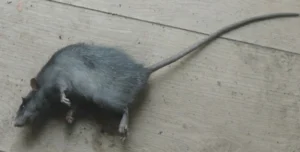
Mouse activity shifting to different areas of your property can indicate rats have taken over certain spaces.
If you’re using traps and suddenly stop catching mice in an area, check for signs of rats. The mice might have left because rats arrived.
Mice droppings disappearing from an area while rat droppings appear is another sign that rats have displaced the mice.
Less mouse damage (chewed boxes, gnawed holes) combined with more rat damage shows that rats have become the dominant rodent.
What to Do If You Find Both Rats and Mice
If you discover you have both rats and mice in your home, you need to address this situation carefully.
Focus on the rats first. Rats are the bigger problem and more difficult to eliminate. They’re also more dangerous and cause more damage.
Once rats are gone, the mice might naturally leave because they’ll detect the absence of rat scent and might reclaim the area.
Don’t use poison in areas where both species are present. A poisoned rat might die in a wall, and then mice will move in and get stuck with the smell.
Seal entry points to keep both species out. Any hole larger than a quarter can let mice in, while rats need holes about the size of a half-dollar.
Clean up food sources that attract both species. Bird seed, pet food, garbage, and food scraps need to be secured.
Consider professional pest control if you have both rats and mice. This is a bigger infestation that might need expert help.
Conclusion
Rats and mice can’t live together peacefully, either as pets or in the wild. Rats will kill mice on sight due to territorial aggression and predatory instincts, and even well-fed pet rats will attack mice. The size difference alone makes coexistence impossible, with rats weighing 10 to 20 times more than mice.
In the wild, mice avoid areas where rats are present, and they’ll abandon territory if rats move in. This predator-prey relationship is hardwired into both species and can’t be changed through domestication or training.
If you want to keep both species as pets, they must be housed in completely separate areas with no interaction. And if you’re dealing with both as pests, getting rid of the rats should be your priority, as the mice will often leave once the rats are gone.
The bottom line is simple: rats and mice don’t coexist, and trying to make them live together will result in dead mice. These two rodents might seem similar to humans, but to each other, they’re predator and prey.

Hi, my name is Ezra Mushala, i have been interested animals all my life. I am the main author and editor here at snakeinformer.com.