
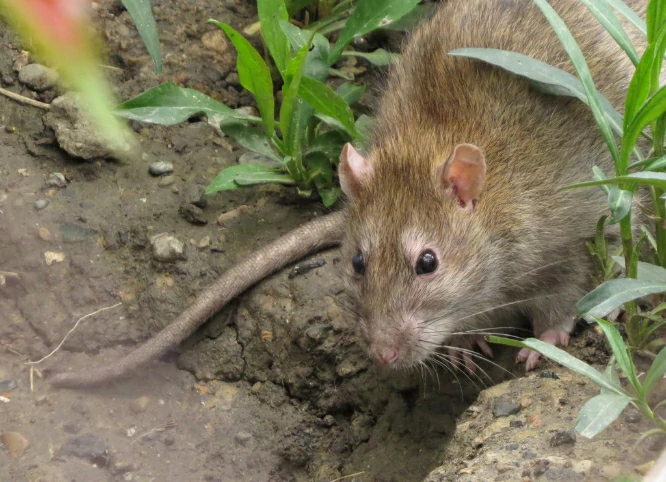
Rats are surprisingly tough animals that can survive in all kinds of harsh conditions, from scorching deserts to freezing cold cities. But even though they’re adaptable, there’s a point where extreme temperatures become deadly.
Whether you’re trying to protect pet rats, dealing with a wild rat problem, or just curious about these animals, you might wonder what temperature is actually lethal for them. At what temperature do rats die or freeze?
Rats can die from cold when temperatures drop below 20°F (-7°C) without proper shelter, with death becoming likely below 14°F (-10°C). They can also die from heat when temperatures exceed 95°F (35°C). The exact temperature depends on shelter, humidity, and how long they’re exposed.
Understanding the temperatures that kill rats is important because it affects everything from pest control strategies to how you care for pet rats. Temperature is one of the biggest factors in rat survival.
The Cold Temperature Death Zone
When we talk about rats dying from cold, we’re really talking about hypothermia. This is when the rat’s body temperature drops so low that its organs can’t function anymore.
Rats start facing real danger when temperatures drop below 32°F (0°C), which is the freezing point. At this temperature, they can survive for a while, but they’re under serious stress.

Between 20°F and 32°F (-7°C to 0°C), rats can die if they’re exposed for too long without shelter. How long they survive depends on whether they have food, shelter, and whether they’re dry.
Below 20°F (-7°C), the danger increases dramatically. Rats without shelter might only survive a few hours at this temperature.
Once you get to 14°F (-10°C) or colder, even rats with some shelter are at risk. This is where hypothermia sets in quickly, and death can happen within hours.
At temperatures below 0°F (-18°C), rats don’t stand much of a chance. Death can come in less than an hour for exposed rats, and even sheltered rats might not make it through the night.
The Hot Temperature Death Zone
Heat is actually more dangerous for rats than most people realize. Rats can’t sweat like humans do, so they have a really hard time cooling down when it gets hot.
Rats start getting stressed when temperatures go above 85°F (29°C). They’re not in immediate danger yet, but they’re uncomfortable and working hard to stay cool.
Between 85°F and 95°F (29°C to 35°C), rats are at increasing risk of heatstroke. The hotter it gets in this range, the more dangerous it becomes.
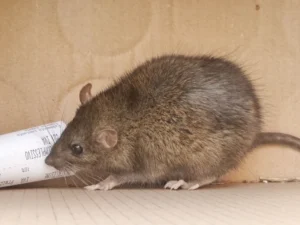
Above 95°F (35°C), rats are in serious danger. Heatstroke becomes very likely at this temperature, especially if the rat can’t find shade or water.
At 100°F (38°C) and above, rats can die within 30 minutes to an hour if they can’t cool down. This is especially true if humidity is high, which makes cooling even harder.
The absolute upper limit for rat survival is around 105°F (40°C). At this temperature, even brief exposure can be fatal.
How Hypothermia Kills Rats
Understanding how cold actually kills rats helps you see why temperature is so dangerous. The process of dying from cold happens in stages.
First, the rat’s body tries to fight the cold by shivering. This generates heat through muscle movement, but it also burns through the rat’s energy reserves really fast.
As the rat gets colder, blood flow to the extremities (tail, feet, ears) decreases. The body is trying to protect vital organs like the heart and brain by keeping warm blood in the core.
The rat becomes less active and eventually stops moving. It’ll curl up in a ball to try to conserve heat, but at this point, it’s losing the battle.

When the rat’s core body temperature drops below 90°F (32°C), it’s in severe hypothermia. The heart slows down, breathing becomes shallow, and the rat loses consciousness.
Death happens when the core temperature drops to around 68°F to 75°F (20°C to 24°C). At this point, the heart stops and the rat dies.
The whole process can happen in just a few hours if conditions are bad enough, or it might take longer if the rat has some protection.
How Heatstroke Kills Rats
Heat kills rats through a different process than cold. Instead of organs shutting down from being too cold, they’re damaged by being too hot.
When a rat gets too hot, it tries to cool down by panting, spreading saliva on its fur, and lying on cool surfaces. But if the temperature is too high, these methods don’t work well enough.
The rat’s body temperature starts to rise. Normal body temperature for a rat is 99°F to 101°F (37°C to 38°C), but in heatstroke, it can go above 105°F (40°C).
As body temperature rises, the rat’s organs start to malfunction. The brain is particularly sensitive to heat and can be damaged quickly.
The rat becomes weak and lethargic. It might drool, have seizures, or lose consciousness.
Death from heatstroke can happen really fast, sometimes in just 30 minutes to an hour once body temperature gets too high. The damage to the brain and other organs is often irreversible.
Factors That Make Temperature More Deadly
The actual temperature isn’t the only thing that determines whether a rat will die. Several other factors can make the same temperature much more dangerous.
Wind chill makes cold temperatures feel colder. A rat that could survive 25°F (-4°C) in still air might die quickly if there’s a strong wind blowing.
Moisture is really dangerous in cold weather. A wet rat loses heat about 25 times faster than a dry rat. This means a wet rat can die at temperatures that wouldn’t normally be deadly.
Humidity makes hot temperatures more deadly. When the air is humid, rats can’t cool down through evaporation as effectively. They can die at lower temperatures when humidity is high.
Lack of food speeds up death in cold weather. Rats need calories to generate heat, and without food, they run out of energy much faster.
No access to water makes heat more deadly. Dehydration happens quickly in hot weather, and a dehydrated rat will die from heatstroke faster.
Age and health also matter. Young rats, old rats, and sick rats will die at temperatures that healthy adult rats could survive.
How Long It Takes for Temperature to Kill Rats
The time it takes for deadly temperatures to kill a rat varies a lot depending on the specific conditions. Here’s what you can expect.
In extreme cold (below 0°F or -18°C), an exposed rat might die in 15 to 30 minutes. With some shelter, it might last a few hours.
In moderate cold (10°F to 20°F or -12°C to -7°C), death might take 1 to 4 hours without shelter. With good shelter, a rat could survive much longer or even indefinitely if it has food.
In mild cold (20°F to 32°F or -7°C to 0°C), rats can survive for days if they have shelter and food. Without shelter, they might last 6 to 12 hours.
In extreme heat (above 100°F or 38°C), rats can die in 30 minutes to 2 hours, especially if there’s no shade or water.
In moderate heat (95°F to 100°F or 35°C to 38°C), death might take 2 to 6 hours without shade or water. With access to cool areas and water, rats can survive much longer.
These are rough estimates, and individual rats might die faster or slower depending on their condition and the exact circumstances.
Where Rats Die from Temperature Most Often
Certain locations see more temperature-related rat deaths than others. Understanding these places helps you predict where you might find dead rats.
- Outside in open areas during extreme weather is the most common place. Rats caught in the open during a cold snap or heat wave are very vulnerable.
- Attics can be deadly in summer. These spaces can get incredibly hot, reaching 120°F (49°C) or more. Rats in attics can die from heatstroke during heat waves.

- Unheated sheds and garages kill rats in winter. These structures provide some protection but not enough warmth when temperatures drop below zero.
- Cars can be deadly in both summer and winter. A rat that gets into a car can be trapped and die from heat in summer or cold in winter.
- Crawl spaces under houses can be dangerous in extreme cold. While they’re protected from wind, they can still get cold enough to kill rats.
- Agricultural buildings with poor insulation see a lot of temperature-related rat deaths. Barns and grain storage facilities often have rats that die when temperatures get extreme.
Wild Rats vs Pet Rats: Who Dies First?
Not all rats are equally vulnerable to deadly temperatures. Wild rats and pet rats have very different tolerances.
Wild rats are much tougher when it comes to temperature extremes. They’ve adapted to outdoor life and know how to find shelter and protect themselves.
Wild rats grow thicker fur in winter and thinner fur in summer. This seasonal change helps them handle temperature swings better.
They’re also better at finding food and water when conditions are tough. Wild rats know where to look and are more aggressive about getting what they need to survive.
Pet rats have been bred for many generations to live indoors in controlled temperatures. They’ve lost a lot of the toughness that wild rats have.
A pet rat exposed to 25°F (-4°C) might die within hours, while a wild rat could survive for days with proper shelter.
Similarly, pet rats are more vulnerable to heat. They might develop heatstroke at 90°F (32°C), while wild rats could handle temperatures up to 95°F (35°C) before being in serious danger.
Signs That a Rat Is Dying from Temperature
If you come across a rat that’s been exposed to extreme temperatures, there are signs that it’s in serious trouble or already dying.
For cold exposure, you’ll see extreme lethargy. The rat won’t try to run away and might not even move when you approach.
The rat will be cold to the touch, especially the tail, feet, and ears. These parts might even look pale or blue.

Breathing will be very slow and shallow. You might have to watch carefully to see if the rat is breathing at all.
In the final stages of hypothermia, the rat will be unconscious or barely responsive. At this point, death is coming very soon.
For heat exposure, the rat will be panting heavily with its mouth open. It might be drooling or have foam around its mouth.
The rat’s ears and feet might look red because blood is rushing to these areas trying to release heat.
Seizures or convulsions can happen with heatstroke. The rat might twitch or jerk uncontrollably.
Unconsciousness means the rat is very close to death. Once a rat loses consciousness from heatstroke, it usually dies within minutes.
Can You Save a Rat That’s Dying from Temperature?
If you find a rat that’s suffering from extreme temperature exposure, you might be able to save it, but you need to act fast.
For hypothermia, bring the rat into a warm room immediately. Don’t use direct heat sources like heating pads or hair dryers because sudden warming can cause shock.
Wrap the rat in warm towels or hold it against your body. Your body heat is actually perfect for slowly warming a hypothermic rat.
If the rat is conscious, offer warm water with a bit of sugar. This provides both hydration and energy.

For heatstroke, move the rat to a cool area immediately. Don’t put it in ice-cold water because sudden cooling can also cause shock.
Dampen the rat with cool (not cold) water, especially around the head, neck, and body. Let the water evaporate to help cool the rat down.
Offer cool water to drink if the rat is conscious. Small amounts at a time are better than letting the rat gulp a lot at once.
In both cases, watch the rat carefully as it recovers. The process can take 30 minutes to a few hours.
If the rat doesn’t improve after an hour or seems to be getting worse, it might be too late. At that point, you might need a vet, though honestly, most rats that are this far gone don’t make it.
Temperature-Related Death in Different Rat Species
Different types of rats have slightly different tolerance for deadly temperatures. This is based on where each species originally evolved.
Norway rats (brown rats) are pretty tough with cold. They evolved in cooler climates and can handle cold better than other rat species.

Norway rats might not die until temperatures drop below 14°F (-10°C) for several hours. They’re the most cold-tolerant rats.
Roof rats (black rats) come from warmer areas originally. They’re less tolerant of cold and might die at temperatures around 20°F (-7°C) that Norway rats could handle.

Both species have similar tolerance for heat, though roof rats might be slightly better at handling extreme heat since they evolved in warmer places.
Pet rats (fancy rats) are usually descended from Norway rats, so they have similar temperature tolerances, just with less toughness overall because they’ve been domesticated.
All rat species will die at similar temperatures once you get to the extremes. Below 0°F (-18°C) or above 105°F (40°C), all rats are in deadly danger regardless of species.
Conclusion
Rats can die from cold at temperatures below 20°F (-7°C), with death becoming very likely below 14°F (-10°C).
They can also die from heat at temperatures above 95°F (35°C), with death becoming very likely above 100°F (38°C). The exact lethal temperature depends on shelter, food, water, humidity, and how long the rat is exposed.
Understanding these deadly temperature ranges helps you protect pet rats and also explains a lot about wild rat behavior. Rats aren’t invincible, and temperature is one of the biggest threats they face.

Hi, my name is Ezra Mushala, i have been interested animals all my life. I am the main author and editor here at snakeinformer.com.