
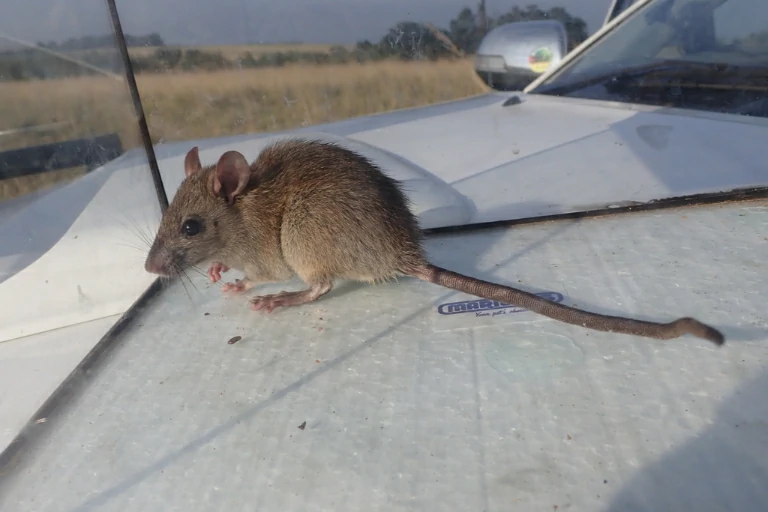
Rats live in almost every environment on Earth, from freezing cold cities to hot desert areas. They’re incredibly adaptable animals that can handle a wide range of temperatures, which is one reason they’re so successful at surviving alongside humans.
But just because rats can live in many different climates doesn’t mean they’re comfortable in all temperatures. So what temperature can rats actually tolerate?
Rats can tolerate temperatures between 40°F and 90°F (4°C to 32°C) without major stress. Their ideal comfort zone is 65°F to 75°F (18°C to 24°C), and they’ll start having serious problems below 32°F (0°C) or above 95°F (35°C).
Understanding what temperatures rats can handle is important whether you’re trying to keep pet rats healthy or dealing with wild rats on your property.
Temperature affects everything about how rats behave, where they go, and how well they survive.
The Ideal Temperature Range for Rats
Rats are most comfortable in temperatures that are pretty similar to what humans like. This makes sense because rats evolved alongside humans and often live in our buildings.
The sweet spot for rats is between 65°F and 75°F (18°C to 24°C). In this range, rats don’t have to work hard to stay warm or cool down. Their bodies can function normally without any stress.
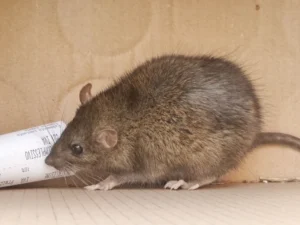
You’ll notice that rats are most active and behave normally in this temperature range. They’ll eat regularly, play, groom themselves, and do all their normal activities.
Pet rats should always be kept in this ideal range. If you’re keeping rats as pets, maintaining temperatures between 65°F and 75°F will keep them healthy and happy.
How Cold Can Rats Tolerate?
Rats can handle cold temperatures better than you might think, especially wild rats that are used to living outdoors. But there are definite limits to what they can tolerate.
Rats can tolerate temperatures down to about 40°F (4°C) without too much trouble. At this temperature, they’ll be okay if they have food, shelter, and can stay dry.

Below 40°F, rats start to get uncomfortable. They’ll spend more time huddled together, eat more food to stay warm, and be less active overall.
At 32°F (0°C), we’re at the freezing point, and rats are really starting to struggle. They can survive at this temperature, but only for limited periods and only with good shelter.
Once you get below 32°F, rats are in the danger zone. They can tolerate brief exposure to temperatures down to about 20°F (-7°C), but they need shelter, warmth, and food to survive.
How Hot Can Rats Tolerate?
Heat is actually more dangerous for rats than cold in many ways. Rats can’t sweat like humans do, so they have a harder time cooling down when it gets hot.
Rats can tolerate temperatures up to about 90°F (32°C) without too much stress, as long as they have water and some shade. But they won’t be comfortable, and you’ll see them trying to cool down.

Between 90°F and 95°F (32°C to 35°C), rats are getting really uncomfortable. They’ll lie flat on cool surfaces, breathe faster, and might spread out their back legs to try to release heat.
Above 95°F (35°C), rats are in serious danger of overheating. At this point, they can develop heatstroke, which can kill them quickly if they can’t find a way to cool down.
Pet rats should never be kept in temperatures above 80°F (27°C) for extended periods. Even at this temperature, they’re starting to get stressed.
What Happens When Rats Get Too Cold
When rats are exposed to temperatures they can’t tolerate, their bodies go through several stages as they try to cope with the cold.
First, rats will shiver. This is the body’s automatic response to try to generate heat through muscle movement. You’ll see them trembling, especially in their back legs and body.
They’ll also huddle together if there are other rats around. Body heat from multiple rats can make a big difference in cold weather.

As it gets colder, rats become less active. They’ll move slowly and spend most of their time in their nest or shelter, only coming out when they absolutely have to find food.
If the cold continues and they can’t warm up, rats will develop hypothermia. Their body temperature drops, their breathing slows down, and they become very weak.
Eventually, if they can’t get warm, their organs will shut down and they’ll die. This usually happens when temperatures drop below 20°F (-7°C) without adequate shelter.
What Happens When Rats Get Too Hot
Heat affects rats differently than cold, but it’s just as dangerous. Rats have to work hard to cool down because they can’t sweat effectively.
The first sign that a rat is too hot is panting. Rats will breathe rapidly with their mouths open, which helps them release heat through their breath.

They’ll also spread out their bodies and lie flat on cool surfaces. You might see them lying on their bellies with their legs stretched out, trying to maximize contact with anything cool.
Rats will groom their fur more when they’re hot, spreading saliva on their coat. As the saliva evaporates, it helps cool them down a bit, kind of like how sweating works for humans.
If a rat can’t cool down, it’ll develop heatstroke. The signs include extreme lethargy, drooling, red ears and feet, and eventually loss of consciousness.
Heatstroke can kill a rat very quickly, sometimes in just 30 minutes to an hour if the temperature is really high. This is why heat is so dangerous for rats.
Wild Rats vs Pet Rats: Different Tolerance Levels
Wild rats and pet rats have different abilities when it comes to handling temperature extremes. This is important to understand if you’re trying to figure out how rats will behave in different situations.
Wild rats are tougher and can tolerate more extreme temperatures than pet rats. They’ve been dealing with outdoor conditions for generations, so their bodies are better adapted.
Wild rats grow thicker fur in winter and thinner fur in summer. This seasonal change helps them handle temperature swings better.
Pet rats have been bred for many generations to live indoors in controlled temperatures. They’ve lost some of the toughness that wild rats have.
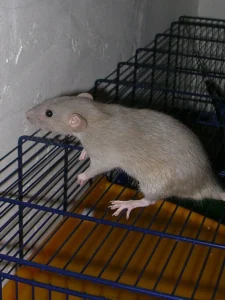
A pet rat that’s comfortable at 70°F (21°C) might start getting cold at 65°F (18°C), while a wild rat would be perfectly fine. The difference isn’t huge, but it’s there.
This means you need to be more careful with pet rats. What a wild rat could tolerate for a day might be dangerous for a pet rat in just a few hours.
How Rats Cool Themselves Down
Since rats can’t sweat like we do, they’ve developed other ways to cool down when it gets hot. Understanding these methods shows you what rats need when temperatures rise.
The main way rats cool down is through their tail. A rat’s tail has lots of blood vessels close to the surface, and heat can escape through the tail pretty effectively.
They’ll also breathe faster to release heat through their breath. You’ll see them panting with their mouths open when they’re really hot.
Grooming with saliva is another cooling method. Rats will lick their fur, and as the saliva evaporates, it takes heat away from their body.
Rats also seek out cool surfaces. They’ll lie on tile floors, metal surfaces, or dig into cool dirt if they can. This direct contact with something cool helps pull heat away from their body.
Drinking water helps too. Cold water cools them from the inside, and having water available is really important for rats in hot weather.
How Rats Warm Themselves Up
When it’s cold, rats have several strategies to stay warm and maintain their body temperature. These methods help them tolerate colder temperatures than you’d expect.
Huddling together is the most effective way rats stay warm. When rats pile on top of each other, they share body heat and reduce the amount of surface area exposed to cold air.

Building nests is another key strategy. Rats will gather soft materials like paper, fabric, insulation, grass, and leaves to create thick, insulated nests that trap heat.
Eating more food gives rats the energy they need to generate heat. Their metabolism speeds up in cold weather, so they burn through calories faster and need to eat more.
Staying active generates heat through muscle movement. You might see rats moving around more when it first gets cold, before they settle into a nest.
Finding heat sources is important too. Wild rats will seek out warm areas near heating systems, in buildings, or anywhere that provides extra warmth.
Temperature and Rat Behavior
Temperature has a huge effect on how rats behave. If you’re dealing with rats or keeping them as pets, understanding this connection helps you predict what they’ll do.
In comfortable temperatures (65°F to 75°F), rats are most active and behave normally. They’ll explore, play, eat regularly, and maintain their normal routines.
When it’s cold (below 60°F), rats become less active. They’ll spend more time sleeping, stay in their nests longer, and be more focused on finding food than anything else.
In hot weather (above 80°F), rats also become less active but for different reasons. They’re trying to conserve energy and avoid overheating, so they’ll move slowly and rest more.
Rats are also more likely to come indoors when temperatures are extreme. Whether it’s too hot or too cold outside, rats will try to find buildings where the temperature is more comfortable.
Breeding behavior also changes with temperature. Rats breed less when temperatures are really hot or really cold. They’re most likely to have babies when temperatures are in their comfort zone.
How Humidity Affects Temperature Tolerance
It’s not just temperature that matters, humidity also plays a big role in how well rats can tolerate heat and cold. The combination of temperature and humidity can make things much worse.
High humidity makes hot temperatures feel even hotter. When the air is humid, rats can’t cool down as effectively through evaporation. This means they’ll struggle at lower temperatures than they would in dry heat.

A rat might handle 85°F (29°C) in dry conditions but struggle at 80°F (27°C) if the humidity is really high. The moisture in the air prevents their cooling methods from working well.
High humidity in cold weather is also bad. Damp air feels colder than dry air at the same temperature, and moisture can get into a rat’s fur and make them lose heat faster.
Low humidity in hot weather actually helps rats because their cooling methods work better. Saliva evaporates faster, and heat escapes more easily.
The worst combination is high heat and high humidity. This is when heatstroke becomes most likely because rats just can’t cool down effectively.
Signs That Temperature Is Wrong for Your Rats
If you have pet rats, you need to watch for signs that the temperature isn’t right. These signs tell you that your rats are uncomfortable and might be in danger.
If it’s too cold, you’ll see rats huddled together constantly. While rats do cuddle normally, if they never separate and are always piled on top of each other, they’re probably cold.
Shivering is an obvious sign of being too cold. Just like humans, rats shiver when they’re trying to generate heat.
If it’s too hot, rats will lie flat and stretched out. They’ll look lazy and won’t want to move much. Their ears and feet might look red because blood is rushing to these areas to release heat.
Panting with an open mouth means a rat is too hot and trying to cool down. This is a serious warning sign that you need to cool them down quickly.
Changes in eating habits can also indicate temperature problems. Rats that are too cold will eat more, while rats that are too hot might eat less because they’re not comfortable.
How Age Affects Temperature Tolerance
Not all rats can handle the same temperature range. Age makes a big difference in how well a rat can tolerate heat and cold.
Baby rats are much more sensitive to temperature than adults. They can’t regulate their body temperature well until they’re a few weeks old.
Young rats need to stay between 75°F and 80°F (24°C to 27°C) when they’re really young. If the temperature drops below this, they can die quickly because they can’t generate enough heat.
Adult rats in their prime (between 6 months and 18 months old) can handle the widest range of temperatures. They’re at their toughest during this time.
Old rats (over 2 years old) start to lose their ability to handle temperature extremes. Their bodies don’t work as efficiently, so they get cold or overheat more easily.
Sick or injured rats of any age will have trouble with temperature extremes. If a rat is already weak, temperature stress can push them over the edge.
Creating the Right Temperature for Pet Rats
If you’re keeping rats as pets, you need to control the temperature in their environment. This isn’t hard, but it does require some attention.
Keep the room where your rats live between 65°F and 75°F (18°C to 24°C). This is their comfort zone, and they’ll be healthiest here.
Don’t put rat cages near windows, especially in sunny spots. Direct sunlight can heat up a cage really quickly, even if the room temperature is okay.
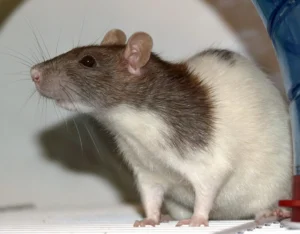
Avoid placing cages near heating vents or air conditioning vents. The direct blast of hot or cold air can create temperature extremes that are bad for rats.
In winter, make sure the room doesn’t get too cold at night. If your house gets chilly when you’re sleeping, consider using a space heater in the rat room (but keep it away from the cage).
In summer, use fans or air conditioning to keep things cool. But don’t point a fan directly at the rat cage because the constant breeze can actually chill them.
Provide extra bedding material so rats can build nests. Even in comfortable temperatures, rats like having cozy nests to sleep in.
Conclusion
Rats can tolerate temperatures between 40°F and 90°F (4°C to 32°C), with their ideal range being 65°F to 75°F (18°C to 24°C). Outside this range, rats experience increasing stress, and beyond 32°F (0°C) on the cold end or 95°F (35°C) on the hot end, they’re in real danger.
Understanding temperature tolerance is important whether you’re keeping pet rats or dealing with wild ones. Pet rats need controlled temperatures in their comfort zone to stay healthy, while wild rats will move around to find the best temperatures they can.

Hi, my name is Ezra Mushala, i have been interested animals all my life. I am the main author and editor here at snakeinformer.com.