

If you’ve found shredded paper, fabric, or insulation piled in a corner of your garage or attic, you’ve probably discovered a rat nest.
Understanding when rats build nests helps you know when to be most alert for nesting activity and when to check common nesting sites. So, what time of year do rats make nests?
Rats build nests year-round, but nest-building activity peaks in early spring (March and April) and late fall (September and October). Spring nests are for raising babies during breeding season, while fall nests are for winter shelter and survival.
While you might find rat nests any month of the year, these peak seasons bring the most intensive nest-building activity. Knowing when rats are most likely to be establishing new nests helps you catch problems early.
Why Spring Is Peak Nesting Season
March and April bring the heaviest nest-building activity of the entire year. The warming weather triggers rats to prepare for their most important activity – raising babies.
Female rats need secure, warm nests to give birth and care for newborns. Baby rats are born completely helpless, blind, and hairless. Without a proper nest, they’d die from cold or predators within hours.

Spring nest-building starts earlier than you might expect. Rats often begin constructing nests in late February or early March, weeks before giving birth. This preparation time ensures the nest is ready when babies arrive.
Multiple nests per territory are common during spring. Female rats often build several nests and move babies between them if they feel threatened. Finding one nest doesn’t mean you’ve found the only one.
The urgency of spring nesting makes rats bold. They’ll gather materials during daylight hours if necessary, making this one of the best times to actually catch rats in the act of building nests.
Fall Nest-Building for Winter Survival
September and October bring the second major wave of nest-building activity. This time, rats aren’t focused on raising babies – they’re preparing for winter survival.
As temperatures start dropping, rats know they need better insulation and protection. Fall nests tend to be larger and more heavily insulated than summer nests because they need to keep rats warm through winter.
Rats gather nest materials frantically in fall. You might notice shredded paper appearing overnight or insulation being torn out of walls. This rapid collection happens because rats are racing against dropping temperatures.

Fall is also when rats invade homes for nesting sites. They’re not just looking for food – they’re specifically searching for warm, protected places to build winter nests. Attics, wall voids, and basements become prime targets.
Multiple rats might contribute to the same fall nest. Unlike spring when individual females defend nests for their babies, fall and winter sometimes bring communal nesting where several rats share warmth.
Summer Nesting Continues But Changes
June, July, and August still see nest-building activity, but the character of these nests differs from spring and fall nests.
Summer nests are often simpler and less insulated. Rats don’t need heavy protection from cold, so they use fewer materials. These nests might just be loose piles of soft material rather than the tightly woven structures you see in spring.
Breeding continues through summer, which means new nests for new litters. However, summer nests are often in outdoor locations rather than inside buildings. Rats take advantage of good weather to nest in vegetation, under decks, or in outbuildings.

Young rats from spring litters build their first nests in summer. These juvenile attempts are often poorly made and in odd locations. You might find messy, incomplete nests as young rats learn the skill.
Abandoned nests from spring get reused or rebuilt in summer. Rats are practical – if last spring’s nest still exists and is suitable, they’ll just add fresh materials and use it again rather than starting from scratch.
Winter Nesting Activity Slows But Continues
December, January, and February see less new nest construction, but maintenance and adjustment of existing nests continues.
Rats living indoors continue building nests normally through winter. The warm environment means they’re still breeding and need nests for babies just like any other time of year.
Outdoor rats mostly maintain existing nests rather than building new ones. They might add insulation materials as weather gets colder, but major construction is rare in the coldest months.
Desperate rats seeking winter shelter will build emergency nests quickly. If a rat finds its way into your attic in January, you can expect a nest to appear within days as the rat settles in.
Winter nests are often deeper inside structures. Rats prefer the warmest, most protected spots available. This might mean nests are harder to find in winter because they’re in more hidden locations.
Where Rats Build Nests Throughout the Year
The location of rat nests changes seasonally based on rat needs and available sites. Understanding these patterns helps you know where to check.
Spring nests appear in protected but accessible locations. Female rats need to leave frequently to forage while nursing, so nests tend to be near food sources but hidden from predators.

Common spring nest sites include attics, wall voids, behind appliances, in storage boxes, under decks, in dense vegetation, and inside old furniture or equipment. Basically anywhere dark, quiet, and relatively protected.
Fall and winter nests move toward the warmest available locations. Rats actively seek heated spaces, so fall nests often appear inside homes rather than outdoor locations. Attics with heat rising from below become especially attractive.
Summer nests can be in outdoor locations that would be too cold other times of year. You might find summer nests in trees, thick bushes, compost piles, or even simple burrows that would be inadequate in winter.
What Rat Nests Are Made From
The materials rats use for nests vary by season and what’s available, but certain materials are favorites year-round.
Shredded paper is one of the most common nest materials. Rats will tear up newspapers, cardboard, paper bags, and any paper products they can find. The shredded pieces create excellent insulation.

Fabric and soft materials get pulled into nests whenever available. Rats will shred clothing, towels, blankets, upholstery, and even stuffed animals to create soft, warm nest linings.
Insulation from walls and attics is a prime target. Rats pull apart fiberglass, foam, and other insulation materials. This serves double duty – creating nesting material while also opening up more living space.
Plant materials are used heavily in outdoor nests. Grass, leaves, small twigs, and moss all get incorporated into nests built outside or in unheated structures.
Rats are opportunistic and will use virtually anything soft. String, plastic bags, cotton stuffing from furniture, hair (animal or human), and even things like dryer lint all get collected for nests.
How Quickly Rats Build Nests
Understanding the timeline of nest construction helps you know how fast you need to act when you suspect rats are moving in.
A basic rat nest can be built in just one to three days. If a rat finds your attic on Monday, you might find a functioning nest by Thursday. Rats work quickly when they’re motivated.
Pregnant females build nests fastest. The hormonal drive to prepare for babies makes them work around the clock. A female rat a few days from giving birth might complete an elaborate nest in 24 to 36 hours.

Fall nest-building happens faster than spring construction. The urgency of incoming cold weather pushes rats to work quickly. You might find a substantial winter nest appearing over a single weekend.
Nests continue to be improved over time. Rats don’t build a nest and consider it finished – they constantly add materials, adjust structure, and expand nests as needed.
Signs That Rats Are Building Nests
Recognizing the signs of active nest-building helps you catch rat problems early, before the nest is completed and babies arrive.
Missing or shredded materials are often the first clue. If paper products, fabric, or insulation start disappearing or showing up shredded, rats are likely gathering nest materials.
Trails of nesting material lead to the nest site. You might find bits of paper or fabric scattered along rat pathways. Following these trails often leads you right to the nest location.
Increased nighttime activity sounds suggest nest-building. Rats make more noise when carrying materials and constructing nests. Scratching, rustling, and movement sounds increase when nests are being built.
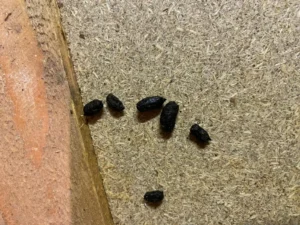
Fresh droppings near a potential nest site indicate rats are spending lots of time in that area. Concentrated droppings combined with nesting materials strongly suggest an active nest nearby.
Multiple Nests Per Rat Family
Rats don’t necessarily build just one nest. Understanding their multi-nest strategy helps you realize that finding one nest doesn’t solve the problem.
Female rats with babies often maintain 2 to 4 nests. They’ll move babies between nests if they feel threatened or if one nest becomes uncomfortable. This survival strategy protects against predators finding all the babies at once.

Different nests serve different purposes. Rats might have a main nest for sleeping and raising young, plus satellite nests for resting during foraging trips or as backup options.
Seasonal changes prompt new nest construction even when old nests exist. A rat might have a summer nest in a tree cavity but build a completely new nest indoors for winter rather than trying to winterize the summer nest.
Male rats build simpler nests than females. Males often have basic sleeping areas rather than elaborate nests, unless they’re sharing communal nests with other rats.
How to Tell If a Nest Is Active
Finding a nest doesn’t automatically mean rats are currently using it. Knowing whether a nest is active or abandoned helps you plan your response.
Fresh nesting materials indicate active use. If the nest contains paper or fabric that looks recently shredded rather than yellowed and old, the nest is probably active.
The smell tells you a lot. Active nests have a strong, musky odor from rat urine and scent glands. Abandoned nests lose this smell over time.

Fresh droppings near or in the nest mean rats are currently using it. Rat droppings are dark and moist when fresh, turning gray and crumbly as they age.
Heat can indicate active nests in winter. If you can safely feel the area near a suspected nest, active nests might feel slightly warmer than surrounding areas because of rat body heat.
Movement or sounds coming from the nest area are definitive proof. If you hear squeaking (especially high-pitched baby sounds) or see the nest materials moving, it’s definitely active.
Nesting Behavior by Rat Species
Different rat species have slightly different nesting preferences and timing, though both common species show the same general seasonal patterns.
Norway rats prefer ground-level nests. They nest in basements, crawl spaces, under buildings, and in burrows. Their nests tend to be in lower areas even inside structures.
Roof rats, as their name suggests, prefer elevated nests. Attics, upper wall voids, trees, and roof spaces are their favorite locations. These rats are excellent climbers and take advantage of height.
Both species peak nest-building in spring and fall, but roof rats might start spring nesting slightly earlier because elevated locations warm up faster in spring sunshine.
Norway rats build more elaborate burrow systems around outdoor nests. They excavate extensive tunnel networks with multiple entrances, food storage chambers, and sleeping areas.
Why Finding Nests Early Matters
Discovering and removing rat nests before they’re fully established prevents multiple problems that get worse over time.
Early nest discovery prevents baby rats. If you find and remove a nest before a pregnant female gives birth, you’ve prevented an entire litter from being born. This stops population growth before it starts.

Nests accumulate disease and parasites over time. Fresh nests are less contaminated than established nests that have been used for weeks or months. Early removal reduces health risks.
Structural damage increases with nest age. The longer rats maintain a nest, the more material they tear out from walls and insulation. They also urinate and defecate more in nest areas, causing worse damage over time.
Rats become more defensive of established nests. A rat that just started building a nest might abandon it easily if disturbed. Rats with babies in a nest or that have lived there for weeks will defend it aggressively.
What to Do When You Find a Rat Nest
Discovering a rat nest requires careful handling to avoid health risks and prevent rats from simply rebuilding nearby.
Don’t touch nests with bare hands. Rat nests can contain disease, parasites, and contamination. Always wear gloves, and preferably a mask to avoid breathing dust from dried rat urine.
Check if the nest contains babies before removing it. Baby rats can’t survive without their mother. If you find babies, you need to decide whether to wait until they’re old enough to survive on their own or remove the entire nest including babies.
Remove the nest and all materials completely. Don’t just disturb it – take everything away. Leaving materials behind gives rats a head start on rebuilding.
Clean and disinfect the area thoroughly after nest removal. Use appropriate cleaners that kill bacteria and viruses. The contamination extends beyond just the visible nest.
Seal the entry point rats used to access the nest site. If you don’t block how they got there, they’ll just build another nest in the same spot.
Conclusion
Rats build nests year-round, but activity peaks in early spring (March and April) for raising babies and late fall (September and October) for winter shelter preparation. Understanding these peak times helps you know when to be most alert for signs of nesting activity and when to check common nesting locations.
Spring nests appear as rats prepare for breeding season and need secure places for helpless baby rats. Fall nests are built as rats desperately seek warm winter shelter before cold weather arrives. Summer and winter see continued nesting but at lower intensity.
Finding a rat nest early, before babies arrive or before rats become established, makes removal much easier and prevents population growth.
If you notice signs of nesting activity – shredded materials, unusual sounds, or droppings in concentrated areas – investigate immediately. The faster you act, the simpler the problem is to solve.

Hi, my name is Ezra Mushala, i have been interested animals all my life. I am the main author and editor here at snakeinformer.com.