
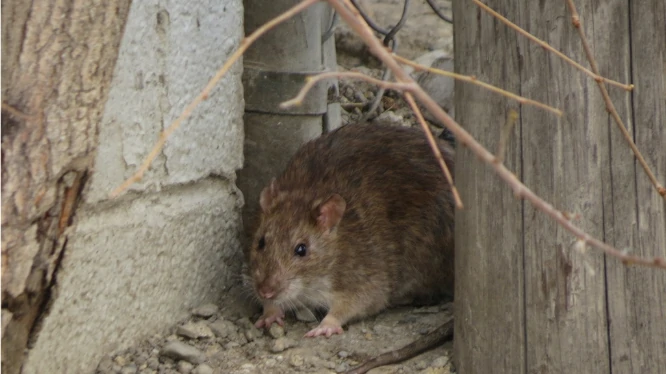
If you’re dealing with rats in or around your home, understanding when they return to their nests can help you plan pest control efforts, set up exclusion devices, and figure out where they’re actually living.
Rats don’t stay out foraging all night long, they make multiple trips back to their nests throughout their active hours. But what time do rats go back to their nest?
Rats return to their nests multiple times throughout the night, typically making their first return trip between 9 PM and 11 PM after initial foraging. They make their final return about 30 to 60 minutes before sunrise (usually between 5 AM and 7 AM depending on the season) and stay in their nests throughout the entire day.
Rats aren’t like some animals that leave their nests at sunset and don’t come back until dawn. Instead, they use their nests as a home base, making multiple trips out and back throughout the night as they search for food, water, and materials.
Why Rats Return to Their Nests Multiple Times
Rats don’t just stay out all night because returning to their nests serves several important purposes for their survival.
They return to eat and store food. Rats don’t eat everything they find on location. Instead, they carry food back to their nests where they can eat safely without being exposed to predators. They also store excess food in and around their nests for later consumption.

Safety is a major reason for frequent returns. Every minute a rat spends outside its nest is a minute it’s vulnerable to predators, weather, and other dangers. By making short trips and returning frequently, rats minimize their exposure to these risks.
Social bonding happens at the nest. Rats are somewhat social animals, and they interact with other rats (mates, offspring, colony members) back at the nest. These interactions are important for maintaining group structure and caring for young.
Rats also return to rest and digest between foraging trips. Eating large amounts and then immediately searching for more food isn’t efficient. Rats need short breaks to digest, groom, and prepare for their next trip out.
Temperature regulation is another factor. Nests provide warmth and shelter from weather. During cold nights especially, rats need to return periodically to warm up before heading back out.
The First Return Trip (9 PM to 11 PM)
The first time rats return to their nests after initially leaving is usually within a few hours of sunset. This first return trip is typically the most loaded with food and materials.
Rats usually leave their nests about 30 minutes after sunset (around 7:30 PM to 8:30 PM depending on season). They head directly to known food sources and feed for 1-2 hours during this first trip.
Between 9 PM and 11 PM, you’ll see or hear rats making their first return trip. They’re carrying food back to the nest, and they might be making multiple trips back and forth if they’ve found a really good food source nearby.
During this first return, rats are usually carrying the most food. They’ve been hungry all day, they’ve just found fresh food sources, and they’re motivated to bring back as much as possible. You might actually see rats with food items in their mouths if you’re watching their travel routes.
Once back at the nest, rats spend 20-45 minutes eating, storing food, grooming, and resting. Then most of them will head out again for a second foraging trip. However, some rats (particularly pregnant females or those guarding young) might stay at the nest while others continue foraging.
Middle of the Night Returns (Midnight to 3 AM)
Throughout the middle of the night, rats continue making trips back and forth between their nests and food sources. These return trips are usually shorter and less loaded than the first return.
Between midnight and 3 AM, rats typically make 1-2 additional return trips to their nests. These aren’t as dramatic as the first return because rats have already gotten most of the food they need earlier in the night.
During these middle-night returns, rats are often just making quick stops. They might drop off a small amount of food, check on nest mates or babies, take a brief rest, and then head back out. These stops might only last 10-20 minutes.
The rats you see returning during these hours are often younger, less dominant individuals who left later in the evening. Older, dominant rats might have already completed most of their foraging by this time and could be settled in the nest.
If you have a large rat population, you might see almost constant traffic during these hours as different individuals return at staggered times. Some rats are coming back while others are heading out, creating a steady flow of activity along rat travel routes.
The Final Return (Pre-Dawn Hours)
The most important return trip happens in the hour or two before sunrise. This is when all rats make their final trip back to the nest for the day.
Starting around 3 AM to 4 AM, rats begin wrapping up their foraging activities. You’ll notice that outbound trips from the nest become less frequent, and return trips increase. Rats are finishing their final food gathering and heading home.
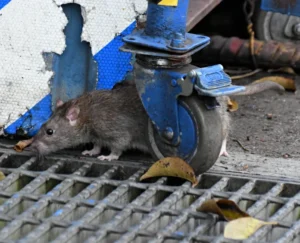
Between 4 AM and 5 AM (or about 1-2 hours before sunrise), almost all rats should be making their way back to their nests. This is a critical window because rats instinctively know they need to be safely hidden before dawn.
The last rats to return are usually between 5 AM and 7 AM, depending on when sunrise actually occurs in your area and season. These final stragglers are typically young, inexperienced rats or rats that had trouble finding enough food during the night.
By the time the sun actually rises, all rats should be back in their nests. Any rat still out after sunrise is either sick, injured, poisoned, or part of a severely overcrowded population. Normal, healthy rats will never voluntarily be outside their nests during daylight hours.
How to Identify Nest Return Routes
Watching when and where rats return to their nests can help you locate the nests themselves. There are specific signs to look for along return routes.
Travel routes to nests are more well-worn than routes to food sources. Rats take the same paths every night, and the routes leading to their nests will have the most obvious signs of heavy use.

Grease marks along walls and beams show where rats are traveling. These dark, oily smudges come from rats’ fur rubbing against surfaces repeatedly. The routes with the darkest, most prominent grease marks are usually the ones leading directly to nests.
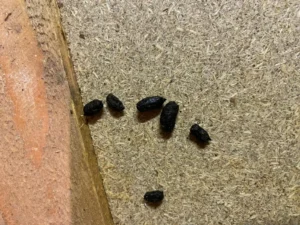
Droppings are concentrated along return routes. Rats continuously leave droppings as they travel, and you’ll find more droppings along the paths they use most frequently. Following these trails can lead you right to their nesting areas.
Gnaw marks near nest locations indicate rats are working on expanding or maintaining their nesting areas. Fresh gnaw marks on wood or insulation near where return routes end suggest a nest is nearby.
If you’re watching from outside your house during the pre-dawn hours, you can actually see which holes or entry points rats are using to get back inside. The last rats to return are often moving quickly and directly to these access points.
Seasonal Differences in Return Times
Just like their departure times, when rats return to their nests shifts throughout the year based on when sunrise occurs.
In summer, sunrise comes early (around 5 AM or even earlier), so rats have to wrap up their activities and return earlier too. You might see final returns happening as early as 4:30 AM to 5:30 AM in peak summer.

In winter, sunrise comes late (7 AM or later in many places), which means rats can stay out later. Final returns might not happen until 6:30 AM to 7:30 AM in winter months, giving rats more total foraging time.
Cold winter nights can actually cause earlier returns. Even though sunrise comes late, if it’s extremely cold, rats might return to their warm nests earlier than usual to avoid freezing. They’ll make shorter trips overall and spend more time in their protected nests.
Hot summer nights might delay the initial return trip. If it’s very hot, rats might stay out longer in the cooler evening air before returning to nests that might be hot and stuffy (especially attic nests during summer).
Fall typically sees the most return traffic overall because rat populations are high and rats are actively gathering food to store for winter. You’ll see more rats making more frequent returns during September through November.
What Rats Do When They Return to the Nest
Understanding what happens when rats return to their nests can help you predict their behavior and plan control efforts.
First priority is usually storing or eating food. If a rat has brought food back, it’ll either eat it immediately or store it in or near the nest. Rats create food caches where they keep reserves for later consumption.
Grooming is a big part of nest time. Rats spend a lot of time cleaning themselves when they return to the nest. They’ll clean their fur, face, paws, and tail, removing dirt and parasites. This grooming helps them stay healthy.

Social interaction with other rats happens at the nest. Rats will groom each other, play (especially young rats), mate, and communicate. These social behaviors are important for colony cohesion.
Nest maintenance takes place during returns. Rats will adjust nesting materials, add new materials they’ve gathered, and work on making the nest more comfortable. You might hear rustling sounds as they rearrange insulation, paper, or fabric.
Rest and digestion periods happen between foraging trips. Rats lie down, relax, and let their food digest before heading out again. These rest periods can last anywhere from 20 minutes to an hour depending on the individual rat.
Do All Rats Return at the Same Time?
Just like departures, returns to the nest are staggered based on several factors. Not every rat comes back at the same moment.
Dominant, older rats often return earlier from foraging trips. They’ve been out since right after sunset, they’ve gotten the best food, and they return earlier to rest and guard the nest while younger rats continue foraging.
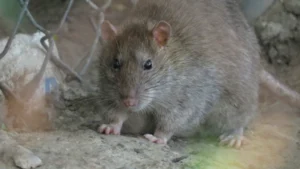
Younger, less experienced rats typically return later. They’re less efficient at finding food, so they need more time. They also get pushed to less desirable foraging times by dominant rats, which means later returns.
Pregnant or nursing females might not leave the nest at all, so they don’t have returns to monitor. If they do leave, they make very quick trips and return almost immediately because they can’t leave their babies unattended for long.
Males during breeding season might return less frequently. They’re often out patrolling territories, looking for mates, and competing with other males. These rats might make fewer, shorter returns to the nest than usual.
In a large infestation, returns are almost continuous throughout the night. You’ll see some rats coming back while others are leaving, creating steady traffic along rat routes from sunset to sunrise.
Using Return Times for Trapping
Knowing when rats return to their nests can help you place and time traps more effectively.
Place traps along return routes, not just near food sources. Rats carrying food back to their nests are focused on getting home safely and might be less cautious about traps positioned along their familiar routes.
Set traps in the late afternoon so they’re fresh when rats make their first return trip around 9 PM to 11 PM. This first return is when rats are carrying the most food and are most active, making it a prime time for trap success.
Position traps close to nesting areas rather than far from them. Rats are slightly less cautious near their nests because they feel safer in familiar territory. Traps placed within 10-20 feet of nests often have better success rates.
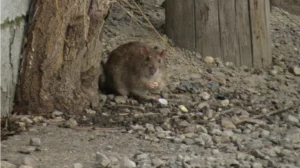
Check traps early in the morning after rats have made their final returns. Remove any caught rats immediately and reset traps each afternoon. Never leave dead rats in traps all day, as this will make other rats avoid the area.
Multiple traps along return routes work better than single traps. Since rats are traveling back and forth multiple times per night, having several traps gives you more chances to catch them during their various trips.
Signs of Return Activity
There are specific signs that can tell you rats are actively returning to nests in or near your home.
Increasing noise in the early morning hours (4 AM to 6 AM) indicates final returns. If your attic or walls are quiet at midnight but noisy again at 5 AM, rats are making their last trips home before sunrise.
Fresh droppings along return routes that appear overnight show recent travel. If you clean up droppings in the evening and find fresh ones in the morning, rats used those routes to return to their nests during the night.
Food debris near nest locations that wasn’t there before indicates rats brought food back. Seeds, crumbs, nut shells, and other food waste near nesting areas accumulates from return trips.
Disturbed entry points with fresh gnaw marks or grease show recent use. If a hole that was clean yesterday has fresh marks today, rats used it to return during the previous night.
Activity sounds that move from distant areas toward a specific location suggest rats returning along routes to their nest. If you hear sounds traveling from one part of your attic toward a specific corner, that corner probably contains their nest.
Conclusion
Rats return to their nests multiple times throughout the night, typically making their first return between 9 PM and 11 PM after initial foraging.
They continue making return trips throughout the middle of the night, with their final and most important return happening 30 to 60 minutes before sunrise.
Understanding when rats return to their nests helps you locate where they’re actually living, plan exclusion work effectively, and set traps along return routes when rats are most active.
The pre-dawn hours are especially important to watch because this is when all rats must return before daylight exposes them to danger.

Hi, my name is Ezra Mushala, i have been interested animals all my life. I am the main author and editor here at snakeinformer.com.