

If you have rats living in your attic, walls, or basement but you think they’re leaving to find food elsewhere, you might be wondering when these trips happen and how to take advantage of their absence.
Understanding when rats leave your house can help you seal entry points at the right time, set up exclusion devices effectively, and plan your pest control efforts. But what time do rats leave the house?
Rats typically leave the house starting about 30 minutes after sunset (usually between 7 PM and 9 PM depending on the season). They leave to search for food and water, and they’ll make multiple trips in and out throughout the night, with the heaviest traffic occurring during the first few hours after dark.
Not all rats leave the house every night, though. Some rats might nest inside your home and also find all their food and water inside, which means they never leave.
Others might nest outside and only enter your house to feed. Understanding the patterns of the rats you’re dealing with helps you figure out the best way to get rid of them.
Why Rats Leave the House at Night
Rats don’t leave the house randomly. They have specific reasons for their comings and goings, and these reasons affect when they travel.
Food is the main reason rats leave. If they’re nesting in your attic but finding most of their food outside (in garbage bins, compost piles, or other outdoor sources), they’ll leave every night to feed. The timing of these food-seeking trips is directly tied to when rats naturally become active, which is right after sunset.

Water is another reason for trips outside. Rats need to drink water daily, and if they can’t find a reliable water source inside your home, they’ll travel outside to find it. Water needs can actually cause more frequent trips than food because rats can survive longer without food than without water.
Some rats just prefer to nest inside but feed outside. Your attic might provide a warm, safe, dry place to sleep and raise babies, while outdoor food sources are more abundant. These rats treat your house like a hotel, sleeping there during the day and leaving at night to work.
Social behavior can also drive trips in and out. Rats are somewhat social animals, and they might leave your house to interact with other rats living nearby, especially during breeding season.
The First Exit Wave (Sunset to 9 PM)
The first hour or two after sunset is when you’ll see the most rats leaving your house. This is their primary departure time for the night.
Starting about 30 minutes after the sun goes down, rats wake up from their daytime sleep and prepare to leave. You’ll hear activity inside your attic or walls as they get ready, and then you’ll hear them traveling toward exit points.
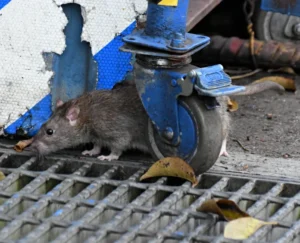
Between 7 PM and 9 PM (depending on when sunset actually occurs), most rats that are going to leave will exit during this window. They’re heading out to find food, and they’re motivated by hunger after sleeping all day.
If you’re watching entry/exit points on your house during this time, you might actually see rats leaving. They’ll often use the same holes every night, and you’ll see multiple rats using the same exit point one after another if you have an infestation.
The sounds inside your house will change during this period. Before rats leave, you’ll hear lots of activity (scratching, scurrying, maybe some squeaking). Once they’ve left, it’ll get much quieter inside for a while until they start returning with food.
Do All Rats Leave at Once?
Not all rats leave your house at the same time, even if they’re part of the same infestation. Their departures are staggered based on several factors.
Dominant, older rats typically leave first. They get priority access to the best feeding times and locations, so they exit early in the evening when it’s safest and when food sources are freshest.

Younger rats and less dominant rats often leave later. They’re lower in the social hierarchy, so they wait their turn. You might see them exiting anywhere from 8 PM to 11 PM, well after the prime rats have already left.
Pregnant or nursing females might not leave at all. If a female rat has babies in the nest, she’ll often stay with them while other rats go out and find food. Male rats or other females might bring food back to her.
In a large infestation, rats might leave in waves throughout the night. You’ll see heavy traffic right after sunset, then a lull, then another wave around midnight, and possibly another in the early morning hours.
Some rats might not leave every single night. If they found enough food the previous night and stored some in the nest, they might skip a night of foraging and just eat their stored food.
Common Exit Points and How to Spot Them
Rats typically use the same exit points night after night. Knowing where these spots are can help you with exclusion and control efforts.
Roof edges and soffits are common exit points for rats living in attics. Look for holes or gaps where the roof meets the walls, damaged soffit vents, or gaps around roof vents. You’ll see grease marks around heavily used exit points.
Foundation gaps and cracks provide access for rats living in basements or lower walls. Check around your foundation for holes, especially near corners and where utilities enter the house. Even a gap as small as a quarter can let rats pass through.

Gaps around pipes and utility lines are major highways for rats. Where water pipes, electrical conduits, gas lines, or cable lines enter your house, there are often gaps that rats exploit. These spots might be at ground level or up near the roofline.
Damaged vents are common entry and exit points. Dryer vents, attic vents, crawlspace vents, and foundation vents with broken screens or covers allow rats to come and go freely.
You can identify active exit points by looking for fresh grease marks (dark, oily smudges), fresh droppings near the opening, gnaw marks around the edges, and actual rat tracks in dust or dirt near the hole.
Mid-Evening Traffic (9 PM to Midnight)
After the initial exodus right after sunset, rats continue to travel in and out of your house during the middle evening hours, but the traffic pattern is different.
Between 9 PM and midnight, you’ll see rats returning to your house with food they’ve found. They don’t eat everything on location. Instead, they carry food back to store in their nests. This return traffic can be just as heavy as the departure traffic.
During these mid-evening hours, you might also see rats making second trips out. After they’ve brought food back from their first trip, they’ll rest briefly, then head out again for more. Rats typically make multiple foraging trips per night.
The rats you see coming and going during this window are often the younger, less dominant ones who left later. They’re still working on their first trips while older rats have already made their first round trip.
If you’re trying to count how many rats you have, watching exit points during this mid-evening period can give you a better estimate. You’ll see multiple trips by the same rats, plus different individuals, giving you a fuller picture of the population size.
Late Night and Pre-Dawn Traffic (Midnight to Sunrise)
Late night traffic in and out of your house is typically lighter than evening traffic, but it still happens. Rats continue to make trips until shortly before sunrise.
Between midnight and 3 AM, you’ll mostly see rats returning from their final foraging trips. They’re bringing back last loads of food and preparing to settle in for the day. The traffic is more one-way (into the house) than two-way during these hours.
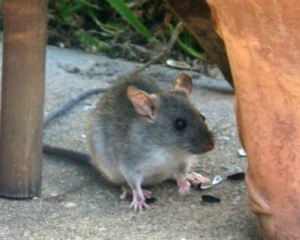
Some rats make very late trips out (around 3 AM to 5 AM) if they didn’t get enough food earlier. These late departures are usually quick trips by desperate rats who need more food before sunrise.
Around one hour before sunrise, all outward traffic stops. Rats instinctively know when dawn is approaching, and they won’t leave the house during this window. They understand that being caught outside when it gets light is dangerous.
The final hour before sunrise sees the last rats returning. Any rat that’s still outside will hurry back to the nest. You might see rushed, direct movement during this time as rats make sure they’re safely inside before daylight.
Rats That Never Leave
It’s important to understand that not all rats living in your house will leave every night. Some rats might be completely indoor residents who find everything they need inside your home.
If your house provides both shelter and food, rats might never leave. They’ll nest in your attic or walls and feed exclusively in your kitchen, pantry, or wherever else they can find food inside. These rats are particularly hard to spot because they’re never exposed outside.
Very young rats (babies that aren’t yet weaned) obviously can’t leave. They stay in the nest with their mother until they’re old enough to venture out on their own, which takes about 3-4 weeks.
Sick or injured rats might be unable to make the trip outside. If a rat is hurt or ill, it might stay in the nest rather than risk the dangerous journey to food sources. Other rats might bring food to it, or it might eat stored food in the nest.
During extreme weather (heavy storms, extreme cold, or extreme heat), rats might choose to stay inside rather than venture out. If they have stored food in their nest, they’ll just eat that instead of making dangerous trips.
Seasonal Changes in Departure Times
When rats leave your house shifts with the seasons because sunset times change throughout the year.
In summer, sunset happens late (8 PM or later in many places), so rats leave later too. You might not see departures until 8:30 PM or 9 PM. However, summer nights are long, giving rats plenty of time for multiple trips.

In winter, sunset comes early (sometimes as early as 4:30 PM), and rats adjust by leaving earlier. You might see rats exiting your house as early as 5 PM or 5:30 PM in winter months.
Winter cold can also affect how long rats stay outside. They might make shorter trips because staying out in freezing temperatures is dangerous. You’ll see them leaving and returning more quickly than in summer.
Fall is when rats are most active overall because they’re preparing for winter. You might see more rats leaving, more frequent trips, and longer foraging sessions as they build up food stores and fat reserves.
Spring brings breeding season, and pregnant or nursing females might change their patterns. Some females won’t leave at all while caring for babies, while other rats might make more frequent trips to feed the increased population.
Using Departure Times for Exclusion
Understanding when rats leave your house is critical if you want to use exclusion methods (sealing them out permanently).
One-way exclusion devices work best when installed before rats leave for the night. Install these devices (which let rats leave but not return) in the afternoon so they’re ready when rats start their evening departure. Check them the next morning to see if rats used them.
Never seal entry points while rats are inside unless you plan to trap them. If you seal holes during the day when rats are sleeping inside, you’ll trap them in your walls or attic where they’ll die and create terrible odors. Always seal entry points after confirming all rats have left.
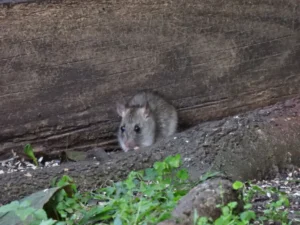
The best time to seal entry points is during the late morning or early afternoon on a day after you’ve confirmed all rats have left and aren’t returning. Watch exit points for 2-3 nights to make sure no rats are using them before you seal permanently.
If you’re using one-way doors, leave them in place for at least a week to make sure all rats have had a chance to leave. Some rats might not leave every night, so you need to give them multiple opportunities to exit.
After sealing all entry points except those with one-way doors, watch for new holes. Rats might chew new exits if they can’t get back in their usual way. Check your entire roofline and foundation for any new activity.
Signs That Rats Are Leaving Your House
Even if you don’t actually see rats leaving, there are signs that can tell you when and where they’re exiting your house.
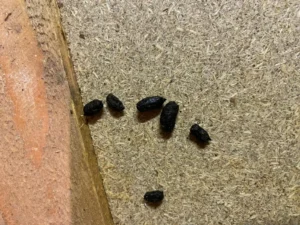
Fresh droppings around exit points indicate recent activity. If you clean up droppings in the morning and find fresh ones by the next morning, you know rats used that exit during the previous night.
Grease marks around holes get darker and more prominent when they’re being used regularly. The oily marks are left by rats’ fur as they squeeze through openings, and heavily used exits will have very obvious dark smudges.
Disturbed dust or cobwebs around potential exits show recent passage. If you see that dust has been cleared away or spider webs have been broken near a hole, rats have probably been using it recently.
Sounds of rats moving toward and through exits are obvious signs. If you hear scratching and scurrying that moves from inside your walls toward a specific spot and then stops, rats are probably using that spot to leave.
You might see rats on the outside of your house near exit points. If you’re watching your house from outside during the evening hours, you’ll see rats emerging from holes and traveling down walls or along roof edges.
Conclusion
Rats typically leave the house starting about 30 minutes after sunset, with the heaviest traffic occurring between 7 PM and 9 PM depending on the season.
They make multiple trips in and out throughout the night, returning with food to store in their nests before making additional trips.
Understanding when rats leave helps you plan exclusion work, set traps effectively, and figure out where rats are going when they’re not in your house.
However, remember that not all rats leave every night, and some might never leave if they find everything they need inside your home.

Hi, my name is Ezra Mushala, i have been interested animals all my life. I am the main author and editor here at snakeinformer.com.