
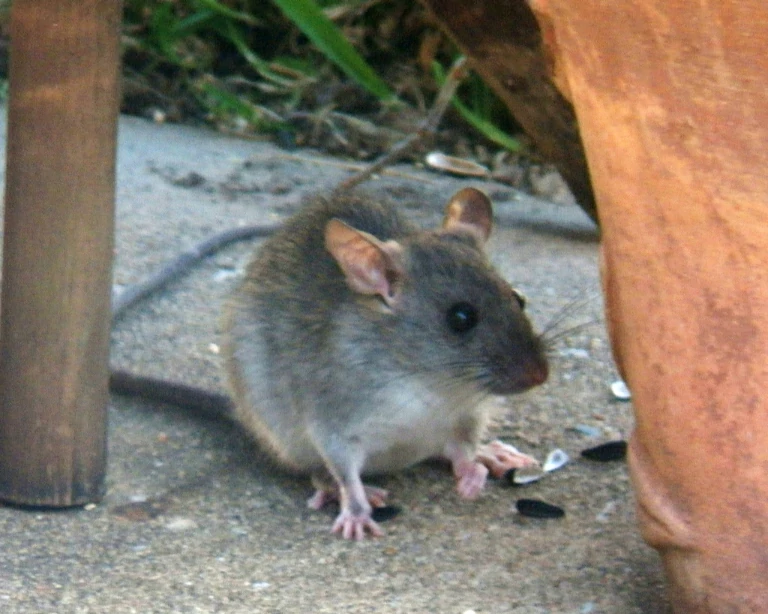
Understanding when rats search for food can help you figure out the best times to set traps, when to secure your garbage, and when to be most vigilant about keeping food put away.
Rats are creatures of habit when it comes to their feeding schedule, and knowing their patterns can give you a real advantage in dealing with them. But what time do rats come out to eat?
Rats typically come out to eat between 30 minutes after sunset and 2-3 AM, with the most intense feeding activity occurring in the first few hours after dark (around 8 PM to 11 PM). They make multiple feeding trips throughout the night, eating small amounts and storing food to bring back to their nests.
Rats don’t just eat once during the night and call it good. Instead, they feed multiple times throughout their active hours, traveling back and forth between their nests and food sources.
This pattern has evolved to help them survive, and it’s pretty consistent whether they’re living in your home, yard, or anywhere else.
Why Rats Feed Right After Dark
The timing of rat feeding behavior isn’t random. There are specific reasons why rats focus most of their feeding efforts on the first few hours after sunset.
They’re hungry after sleeping all day. Rats sleep through the entire daylight period, and by the time the sun sets, they haven’t eaten in 12 to 16 hours. This hunger drives them to search for food quickly and aggressively when they first wake up.

Food sources are fresher and more available early in the night. If rats are feeding on garbage, compost, or pet food left outside, these sources are typically at their most accessible right after dark before other animals have gotten to them.
It’s the safest time with the least competition. By feeding early, rats can get what they need before other nocturnal animals like opossums, raccoons, or other rats start competing for the same resources.
Early feeding also gives them the rest of the night to make additional trips if needed. If they don’t find enough food on their first outing, they still have several hours of darkness left to keep searching.
The First Feeding Wave (Sunset to 10 PM)
The first few hours after sunset are when rats are most focused on finding and eating food. This is their primary feeding window.
Starting about 30 minutes after the sun goes down, rats leave their nests and head directly to known food sources. They’re not exploring randomly at this point, they’re going to places where they’ve successfully found food before.
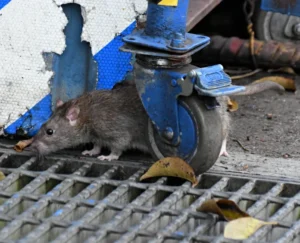
Between 8 PM and 10 PM, you’ll see the most intense feeding activity. Rats are actively eating, and they’re also evaluating and tasting new potential food sources. This is when they’re most likely to investigate new foods you might have put out (like bait or traps).
During this first feeding wave, rats typically eat about 60-70% of their total daily food intake. They’re not just snacking, they’re seriously eating and filling their stomachs. An adult rat will eat about 1 ounce of food during this period.
They also gather food to take back to their nests during these hours. Rats don’t eat everything on the spot. Instead, they’ll carry food back to store it in their nests for later consumption. You might see this hoarding behavior throughout the early evening.
Multiple Feeding Trips Throughout the Night
Rats don’t eat all their food in one sitting. They make multiple trips to food sources throughout the night, eating small amounts each time.
After their initial feeding around 8 PM to 10 PM, rats will often return to their nests to rest, groom, and digest. Then they’ll make additional trips to food sources every couple of hours throughout the night.

These follow-up feeding trips are usually shorter and less intense than the first one. Rats might grab a quick snack, check if any new food has become available, or retrieve stored food they hid earlier.
The pattern typically looks like this: heavy feeding from 8-10 PM, a moderate feeding trip around midnight, possibly another small trip around 2-3 AM, and then a final check before heading back to their nests before sunrise.
This multiple-trip pattern serves several purposes. It spreads out their food intake for better digestion, it reduces the risk of being caught by predators (shorter trips are safer), and it allows them to take advantage of new food sources that might appear during the night.
Peak Feeding Hours by Food Type
The exact timing of rat feeding can vary slightly depending on what type of food they’re after and where it’s located.
For indoor food sources like pantries or kitchens, rats typically feed later at night (10 PM to 2 AM) when they’re sure humans are asleep. They’re very cautious about entering occupied spaces, so they wait until household activity has completely stopped.
For outdoor food sources like garbage bins or compost piles, rats often feed earlier (right at sunset to 10 PM). These sources don’t require them to enter human spaces, so they feel safer accessing them during the prime early evening hours.
Pet food left outside is usually hit right after dark. Rats know that many people feed their outdoor pets in the evening, so they’ll visit these spots soon after sunset to take advantage of fresh food that’s been recently put out.]

Bird feeders and spilled bird seed attract rats during multiple time windows. They’ll visit these sources during their first feeding wave, and they’ll often return several times throughout the night because bird seed is easy to eat and high in calories.
Garden produce and fruit trees are usually visited during the middle of the night (11 PM to 2 AM). Rats seem to prefer these food sources during their second or third feeding trips rather than their first trip out.
How Much and How Often Rats Eat
Understanding how much rats eat and how frequently they feed can help you understand the scope of your rat problem.
An adult rat needs to eat about 1 to 2 ounces of food per day to survive. This might not sound like much, but when you have multiple rats feeding every night, it adds up quickly.
Rats prefer to eat small amounts multiple times rather than one large meal. In a typical night, a rat might eat from 4 to 6 different times, taking small amounts each time. This grazing behavior is safer than gorging because it allows them to stay alert for predators.
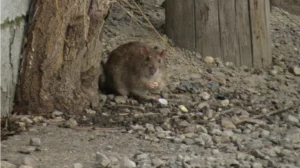
Young rats (babies and juveniles) actually eat more frequently than adults relative to their body size. They’re growing quickly and have faster metabolisms, so they might feed 8 to 10 times throughout the night in very small amounts.
Pregnant or nursing female rats have dramatically increased food needs. A nursing mother can eat 3 to 4 times more than a normal adult rat, and she’ll make many more feeding trips throughout the night to meet these demands.
Rats also need to drink water, and they’ll often alternate between food sources and water sources. They might eat for a few minutes, then go drink, then return to eating. This means their feeding trips aren’t just about food, they’re also about staying hydrated.
Seasonal Changes in Feeding Times
The time when rats come out to eat shifts throughout the year based on sunset times, temperature, and food availability.
In summer, sunset happens late (8 PM or later in many places), so rats start feeding later. You might not see peak feeding activity until 9 PM or 10 PM. However, summer nights are long, so rats have plenty of time to make multiple feeding trips.
In winter, sunset comes early (as early as 4:30 PM or 5 PM in some places), and rats adjust by starting their feeding much earlier. You might see peak feeding activity as early as 5:30 PM or 6 PM in winter months.
Winter also increases how much rats need to eat. Cold temperatures mean rats need more calories just to maintain their body temperature. They might make more frequent feeding trips or eat larger amounts during winter months.
Fall is typically the time when rats feed most aggressively. They’re instinctively preparing for winter by building up fat reserves and storing food. You’ll often see increased feeding activity and food hoarding during September, October, and November.
Spring brings breeding season, which also increases feeding needs. Pregnant females and nursing mothers need much more food, and you’ll see more frequent feeding trips during spring months when rat populations are growing.
Where Rats Prefer to Feed
Rats are opportunistic eaters, but they do have preferences about where they like to feed, and these preferences affect their feeding times.
Rats prefer to feed in protected, covered areas rather than out in the open. They like feeding under decks, inside sheds, beneath thick vegetation, or inside buildings. These protected spots make them feel safer from predators.

They also prefer to feed close to their nests when possible. Rats don’t like traveling long distances to find food because it increases their risk of being caught by predators. If they can find food within 50 to 100 feet of their nest, they’ll focus on those close sources first.
Rats will create regular feeding routes or trails between their nests and reliable food sources. Once they find a good feeding spot, they’ll return to it night after night, often at roughly the same time. This habit formation makes them somewhat predictable.
In urban environments, rats often feed in alleys, around dumpsters, near restaurants, and in other places where human food waste accumulates. These areas typically see rat feeding activity right after dark when new garbage has been put out.
In rural or suburban areas, rats feed in gardens, near chicken coops, around animal feed storage, and in compost piles. These sources see peak feeding activity during the early evening hours.
Signs That Rats Are Feeding in Your Area
Even if you don’t actually see rats feeding, there are plenty of signs that can tell you when and where they’re eating.
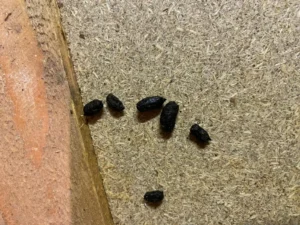
Droppings near food sources are the most obvious sign. Fresh droppings are dark and moist, while older droppings are gray and crumbly. If you find fresh droppings in the morning, you know rats were feeding there during the previous night.
Gnaw marks on food packaging show where rats have been chewing to access food. Fresh gnaw marks are lighter colored, while older marks darken over time. Multiple fresh marks indicate regular feeding activity.
Scattered food or food debris indicates feeding activity. Rats are messy eaters, and they’ll leave behind crumbs, seed hulls, fruit peels, and other waste. Finding fresh debris in the morning tells you they fed there overnight.
Grease marks or rub marks along walls near food sources show travel routes to feeding areas. Rats have oily fur, and they leave dark, greasy smudges on surfaces they brush against repeatedly.
Tracks in dust or soft soil can show you exactly where rats are traveling to reach food. Look for small footprints (about 3/4 inch long) with four toes on the front feet and five toes on the back feet.
How to Disrupt Rat Feeding Patterns
If you want to get rid of rats, disrupting their feeding schedule and food access is one of the most effective strategies.
Remove all food sources completely if possible. Store garbage in sealed metal or heavy plastic bins with tight-fitting lids. Don’t leave pet food outside overnight. Clean up fallen fruit from trees. Secure compost bins properly.
If you can’t completely remove food sources, make them harder to access during rats’ prime feeding hours. Put garbage out in the morning rather than the evening. Bring pet food dishes inside at sunset. Use metal mesh to protect gardens and fruit trees.
Change the environment around food sources to make rats feel unsafe. Add motion-activated lights, remove hiding spots, trim vegetation, and eliminate cover near areas where rats feed. Rats are less likely to feed in well-lit, open areas.
Set traps near food sources during the late afternoon, before rats become active. Position traps along walls and in corners near where you’ve seen signs of feeding. Use bait that’s more attractive than their current food sources.
Be consistent with your efforts. Rats will quickly adapt to new food sources if you only temporarily remove their preferred options. You need to maintain food security every single night, not just occasionally.
Using Feeding Times for Effective Trapping
Understanding when rats feed gives you a huge advantage when it comes to trapping them effectively.
Set traps in the late afternoon (around 4 PM to 6 PM) so they’re fresh when rats first become active. The scent of bait is strongest when it’s first placed, and rats are most likely to investigate new food sources during their first feeding trip of the night.
Place traps directly along the routes between rat nests and food sources. Rats follow the same paths every night, and they’re most vulnerable to traps when they’re traveling with food on their minds.
Use bait that’s similar to what rats have been eating. If they’re feeding on pet food, use pet food as bait. If they’re eating nuts or seeds, use those. Rats are more attracted to familiar foods than to random bait.
Check traps early in the morning after rats have finished their nightly feeding. Remove caught rats immediately and reset traps each afternoon. Traps that have been sitting with dead rats in them all day won’t be effective the next night.
Be patient and consistent. It might take a few days for rats to trust new traps, even if they’re baited with food. Keep setting fresh traps every afternoon during the pre-feeding hours, and eventually rats will let their guard down.
Conclusion
Rats come out to eat starting about 30 minutes after sunset, with the most intense feeding occurring between 8 PM and 11 PM. They make multiple feeding trips throughout the night, eating small amounts each time and often storing food to bring back to their nests.
Understanding when rats feed helps you protect your food sources at the right times, set traps more effectively, and disrupt their feeding patterns to encourage them to leave your property.
The key to rat control is often controlling food access, and you can’t do that effectively unless you know when rats are actually trying to eat.

Hi, my name is Ezra Mushala, i have been interested animals all my life. I am the main author and editor here at snakeinformer.com.