
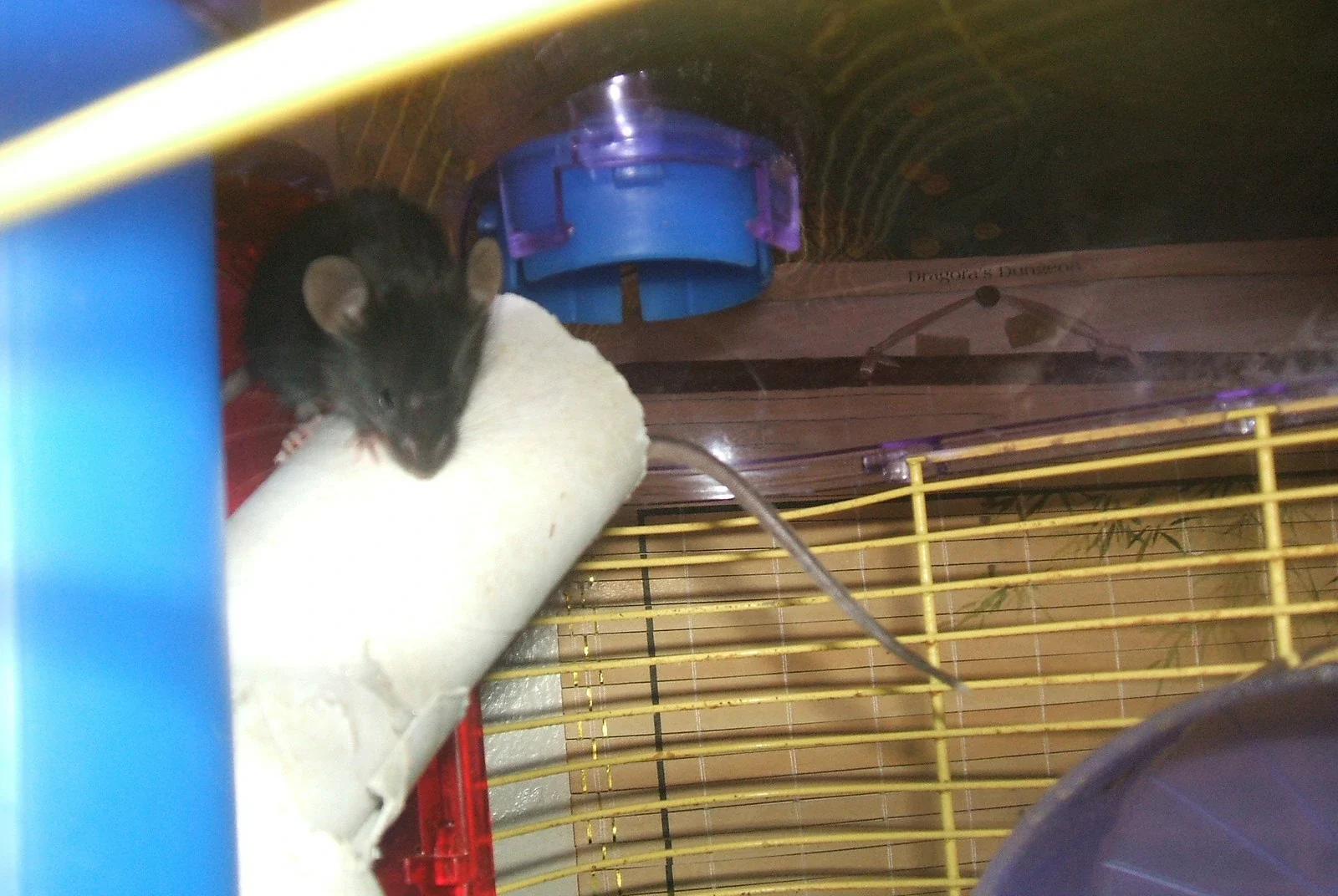
If you’ve been hearing strange noises coming from your attic, there’s a good chance you’re dealing with rats.
These sounds are usually most noticeable at certain times, and understanding when rats are most active can help you figure out if you actually have a rat problem. But what time are rats active in attic spaces?
Rats are most active in attics between dusk and dawn, with peak activity occurring from 30 minutes after sunset until around 2-3 AM. You’ll typically hear the most noise during these hours, especially right after dark when they first leave their nests to find food.
Rats are nocturnal animals, which means they’re naturally wired to be active at night and sleep during the day. When they’re living in your attic, they follow this same pattern. You’ll hear them scratching, scurrying, and moving around most during the nighttime hours when they’re looking for food and water.
Why Rats Are Most Active After Sunset
Rats don’t just randomly choose to be active at night. There are actually some really good reasons why they prefer the nighttime hours.
First, it’s safer for them. Rats are prey animals, and many of their natural predators (like hawks, owls, and cats) rely on vision to hunt. When it’s dark outside, rats have a much better chance of staying hidden and avoiding these predators.

Even though they’re in your attic, their instincts still tell them to stay hidden during daylight hours.
Second, it’s cooler at night. Rats can overheat pretty easily, and nighttime temperatures are usually much more comfortable for them. This is especially true during summer months when attics can get incredibly hot during the day.
Third, there’s less human activity at night. Rats are very cautious around humans, and they’ve learned that nighttime is when people are usually asleep and not moving around the house. This makes them feel safer to come out and search for food.
The First Activity Wave (Sunset to Midnight)
The first few hours after sunset are when you’ll typically hear the most activity in your attic. This is when rats are leaving their nests for the first time since the previous night.
Right after the sun goes down, rats wake up and start getting ready for their nightly routine. You’ll often hear a lot of movement during this time as they stretch, groom themselves, and prepare to go out and find food.
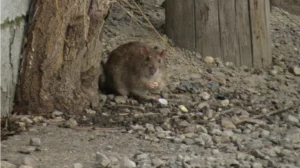
Between 8 PM and midnight, rats are usually at their most active. They’re hungry from sleeping all day, and they’re motivated to find food quickly. This is when you’ll hear the most scurrying, scratching, and running sounds in your attic.
During this time, rats will often make multiple trips between their nest in your attic and their food sources. They might leave the attic completely to search for food in your kitchen or pantry, or they might have food stored somewhere else in your home that they visit throughout the night.
Late Night Activity (Midnight to 4 AM)
After midnight, rat activity usually starts to slow down a bit, but they’re still moving around. This is when they’re often making return trips to their nests with food they’ve found.
Rats don’t eat all their food in one sitting. Instead, they like to gather food and bring it back to their nests to store it. You might hear them dragging things across your attic floor during these hours.
Between 2 AM and 4 AM, activity typically decreases even more. Most rats have already found the food they need for the night, and they’re starting to settle down. However, you might still hear occasional movement as they make final trips or adjust their nesting materials.
Some rats (especially younger or more anxious ones) might stay active a bit longer than others. If you have multiple rats in your attic, you might hear sporadic activity throughout these late-night hours as different rats finish their routines at different times.
Early Morning Activity (4 AM to Sunrise)
Just before sunrise, you might notice another small spike in activity. This is when rats are making their final trips before settling in for the day.
Rats seem to have an internal clock that tells them when sunrise is coming. About 30 to 60 minutes before the sun comes up, they start heading back to their nests if they aren’t already there.
During this time, you might hear them moving nesting materials around, arranging their sleeping areas, or doing final grooming before they sleep. The sounds are usually quieter than the evening activity, but they’re still noticeable if you’re awake.
Once the sun actually rises, rat activity drops off dramatically. They retreat into the darkest, most hidden parts of your attic where they feel safe from predators and where they can sleep undisturbed.
Daytime Activity in Attics
While rats are primarily nocturnal, you might occasionally hear some daytime activity in your attic. This doesn’t happen often, but there are a few situations where it can occur.
If you have a really bad infestation with lots of rats, you might hear some movement during the day. When there are too many rats competing for food at night, some of them (usually younger or weaker rats) get pushed out and have to search for food during less popular hours.

Pregnant or nursing mother rats sometimes break their normal schedule too. They need a lot more food and water when they’re raising babies, so they might make quick trips during the day to get what they need.
If something disturbs their nest during the day (like loud noises, vibrations from construction, or temperature changes), you might hear them moving around as they try to find a more comfortable spot. However, this is usually brief and they’ll settle back down quickly.
How Rat Activity Changes With Seasons
Rat activity patterns in your attic can actually shift a bit depending on what time of year it is. These changes are mostly related to temperature and breeding cycles.
During summer months, rats might start their activity slightly later in the evening because attics can stay extremely hot well into the night. They’ll wait until temperatures cool down a bit before becoming fully active.
In winter, rats might actually be active for longer periods at night because they need more food to maintain their body temperature. You might hear activity starting earlier in the evening and continuing later into the morning.
Breeding season (which typically peaks in spring and fall) can also change activity patterns. Male rats become more active and aggressive during these times, and you might hear more fighting sounds and longer periods of movement throughout the night.
Signs of Rat Activity Beyond Noise
While the sounds you hear are often the most obvious sign of rats in your attic, there are other clues that can help you confirm you’re dealing with rats and understand their activity patterns.
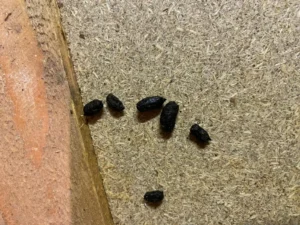
Droppings are one of the biggest signs. Rat droppings are dark, pellet-shaped, and about 1/2 to 3/4 inch long. If you find fresh droppings in your attic, you know rats have been active recently. The more droppings you find, the more rats you likely have.
Gnaw marks on wood, wires, or stored items show where rats have been eating or exploring. Fresh gnaw marks are lighter in color, while older marks darken over time. If you’re seeing fresh marks, it means rats are actively using that area.
Grease marks along walls and beams are another sign. Rats have oily fur, and as they travel the same routes repeatedly, they leave dark, greasy smudges on surfaces. These marks show you exactly where rats are traveling in your attic.
Nesting materials like shredded insulation, fabric, or paper indicate where rats are sleeping during the day. If you find a nest, you know that’s where the rats are hiding when they’re not active.
What to Do If You Hear Rats in Your Attic
If you’re hearing rats active in your attic at night, you need to take action quickly. Rats can cause serious damage to your home and create health risks for your family.
First, confirm that you’re actually dealing with rats and not some other animal. Rats make specific sounds like scratching, scurrying, and squeaking. Squirrels sound different (usually louder thumping), and raccoons make even heavier sounds.
Next, try to figure out how they’re getting into your attic. Look for entry points on the outside of your home, especially around the roofline, vents, and where utilities enter the building. Rats can squeeze through holes as small as a quarter.
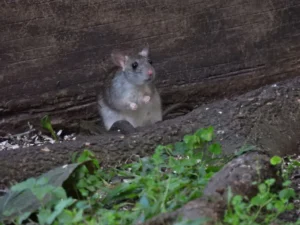
Don’t try to seal entry points while rats are still inside. You need to either trap them first or use one-way exclusion devices that let them leave but not come back in. Sealing them inside will just make the problem worse.
Consider calling a professional pest control company, especially if you’re hearing a lot of activity or if the problem has been going on for a while. Professionals have the tools and experience to remove rats safely and prevent them from coming back.
How Activity Patterns Help With Rat Control
Understanding when rats are active in your attic can actually help you get rid of them more effectively. You can use this knowledge to your advantage when setting traps or planning exclusion work.
Set traps during the early evening hours (around 6-8 PM) before rats become fully active. This way, the traps are fresh and properly baited when rats start their nightly routine. Rats are most likely to encounter and trigger traps during their first wave of activity.

If you’re planning to do inspection work or seal entry points, do it during the day when rats are asleep. This is the safest time to work in your attic, and you won’t disturb active rats that might try to escape deeper into your home.
You can also use their predictable schedule to monitor whether your control efforts are working. If you stop hearing activity during the usual peak hours (right after sunset), that’s a good sign that you’ve reduced or eliminated the rat population.
Why You Shouldn’t Ignore Nighttime Rat Activity
Some people think that if rats are only active at night, they’re not really a big problem. This couldn’t be further from the truth. Nighttime activity is actually when rats do most of their damage.
Rats gnaw constantly to keep their teeth from growing too long. During their active hours, they’ll chew on electrical wires, which can create fire hazards. They’ll also damage insulation, wood beams, and anything else they can get their teeth on.
They contaminate your home with urine and droppings throughout the night. Rat waste can carry diseases like leptospirosis, hantavirus, and salmonella. Every night they’re active, they’re spreading more contamination through your attic and potentially other parts of your home.
Rats also reproduce incredibly quickly. A female rat can have up to 12 babies per litter and can have several litters per year. If you’re hearing activity now, the problem will only get worse if you don’t address it.
The longer you wait to deal with a rat problem, the more expensive and difficult it becomes to fix. What starts as one or two rats can quickly turn into a major infestation.
Conclusion
Rats in your attic are most active from dusk until around 2-3 AM, with the heaviest activity happening right after sunset. Understanding this pattern helps you know when to listen for them, when to set traps, and when it’s safe to do inspection work in your attic.
If you’re hearing consistent nighttime activity in your attic, don’t wait to take action. The problem won’t go away on its own, and it’ll only get worse over time. Whether you handle it yourself or call in professionals, the key is to act quickly before the rat population grows and before they cause serious damage to your home.
Pay attention to the sounds you’re hearing, look for other signs like droppings and gnaw marks, and use what you know about their activity patterns to your advantage. The sooner you address the problem, the easier and cheaper it’ll be to get your attic back to being rat-free.

Hi, my name is Ezra Mushala, i have been interested animals all my life. I am the main author and editor here at snakeinformer.com.