
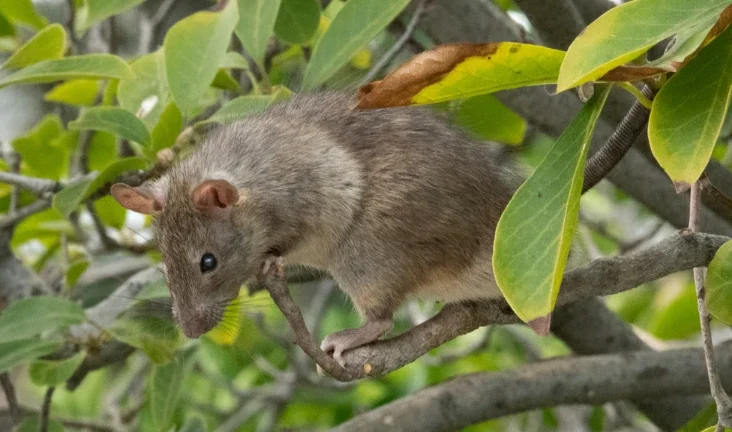
Rats are active creatures that seem to be constantly on the move when they’re awake, but they also need plenty of rest to stay healthy.
Just like humans need sleep to function properly, rats need their downtime too. But how many hours a day do rats sleep?
Rats sleep between 12 to 15 hours per day on average. However, they don’t sleep for 12 hours straight. Instead, they take multiple naps throughout the day, waking up briefly between sleep sessions.
The exact amount of sleep varies based on the rat’s age, health, environment, and whether they’re wild or living as pets. But most healthy adult rats will sleep somewhere in this 12 to 15 hour range.
Why Rats Sleep So Much
Rats sleep a large portion of the day because their bodies need that rest time to function properly.
Sleep helps rats conserve energy. Even though they have fast metabolisms and burn through calories quickly, sleeping for half the day helps balance out their energy use. When they’re asleep, their heart rate slows down and they use less energy.
Sleep is also when rats’ bodies do important repair work. Their immune systems get stronger, their brains process and store memories from their waking hours, and their muscles recover from all the running, climbing, and exploring they do when they’re active.
Baby rats sleep even more than adults (sometimes up to 18 hours a day) because their bodies are growing rapidly and need extra rest for development.
When Rats Do Their Sleeping
Rats are nocturnal, which means they sleep during the day and are active at night.
Most rats start their main sleep period around sunrise (roughly 6 AM to 7 AM) and sleep through most of the daytime hours. They’ll typically stay asleep until dusk (around 5 PM to 7 PM depending on the season).

However, rats don’t sleep continuously for 12 hours. Instead, they sleep in cycles. A rat might sleep deeply for 2 hours, wake up briefly to stretch, groom, or shift positions, then go back to sleep for another hour or two.
Wild rats are especially prone to these interrupted sleep patterns because they need to stay alert for predators. Even while sleeping, part of their brain stays somewhat aware of their surroundings. Any unusual sound or movement can wake them up instantly.
Pet rats tend to sleep more soundly than wild rats because they feel safer in their cages. However, they still follow the pattern of multiple naps rather than one long sleep session.
How Rat Sleep Cycles Work
Rats experience different stages of sleep just like humans do, but their cycles are much shorter.
Rats have REM sleep (rapid eye movement sleep) and non-REM sleep. REM sleep is when dreaming happens and the brain is very active, even though the body is still. Non-REM sleep is deeper and more restful.
A complete sleep cycle for a rat only lasts about 10 to 13 minutes, compared to 90 minutes for humans. During these short cycles, rats go through all the sleep stages quickly, then might wake up briefly before starting another cycle.
You can actually tell when your pet rat is in REM sleep. Their whiskers might twitch, their paws might move like they’re running, and sometimes you’ll see their eyes moving rapidly under their eyelids. This is completely normal and means they’re dreaming.
Rats spend about 20% of their total sleep time in REM sleep. The rest is spent in the deeper non-REM stages where their body is doing most of the recovery and repair work.
Differences Between Wild and Pet Rat Sleep
Wild rats and pet rats both need the same amount of sleep, but the quality of that sleep can be very different.
Wild rats live in dangerous environments where predators could attack at any moment. This means they never fully relax, even while sleeping. They take shorter naps and wake up more frequently to check their surroundings.
A wild rat might only sleep deeply for 20 to 30 minutes at a time before waking up to make sure everything is safe. This interrupted sleep means wild rats often need the full 15 hours (or even a bit more) to feel properly rested.
Pet rats, on the other hand, feel much safer. They can sleep more deeply and for longer stretches. A pet rat might sleep soundly for 2 to 3 hours before waking up briefly, which means they can get enough rest in closer to 12 hours instead of 15.
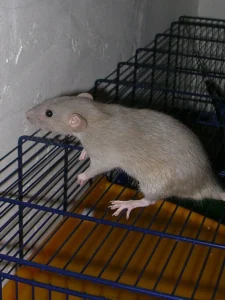
Pet rats also adjust slightly to their owner’s schedule. While they’re still mostly active at night, they might wake up in the evening (around 6 PM to 8 PM) to interact with their owners, even if wild rats would still be sleeping at that time.
How Age Affects How Long Rats Sleep
Baby rats, adult rats, and senior rats all have different sleep needs.
Newborn rat pups (0 to 2 weeks old) sleep almost constantly. They might be awake for only 2 to 3 hours per day, spending the rest of their time sleeping and nursing from their mother. This extreme amount of sleep is normal because their bodies are developing rapidly.
Young rats (3 weeks to 4 months old) sleep about 15 to 18 hours per day. As they grow and become more active, they gradually reduce their sleep time. By the time they’re fully grown (around 5 to 6 months), they settle into the typical adult pattern of 12 to 15 hours.

Adult rats in their prime (6 months to 2 years old) are the most consistent sleepers. They stick to a regular schedule and usually sleep right around 12 to 14 hours per day.
Senior rats (over 2 years old) start sleeping more again. Older rats might sleep 14 to 16 hours per day because they have less energy and tire out more easily. They also tend to sleep more deeply and might not wake up as quickly when there’s noise or movement nearby.
What Affects How Much Rats Sleep
Several factors can change how many hours a rat sleeps each day.
Temperature plays a big role. When it’s very hot, rats might sleep more to conserve energy and avoid overheating. When it’s cold, they might also sleep more to stay warm and reduce how much energy they’re burning.
Stress and fear make rats sleep less. A wild rat living in an area with lots of predators or a pet rat in a noisy, chaotic environment will have trouble sleeping. They’ll be on high alert more often and take shorter, lighter naps.

Health problems can increase or decrease sleep. Sick rats often sleep more than usual because their bodies need extra rest to fight off illness. However, rats in pain might sleep less because they can’t get comfortable.
Diet also matters. Rats that aren’t getting enough food will sleep more to conserve energy. Well-fed rats with all the nutrients they need will have more energy and might sleep slightly less (closer to 12 hours instead of 15).
The light-dark cycle in their environment is important too. Rats rely on natural light cues to regulate their sleep schedule. If their environment is always bright or always dark, it can mess up their internal clock and make them sleep at weird times or sleep less overall.
Where Rats Sleep
Rats are very particular about where they sleep and need the right conditions to get good rest.
In the wild, rats sleep in burrows underground, inside hollow trees, in thick vegetation, or in other hidden spots that protect them from predators and weather. They prefer places that are dark, quiet, warm, and enclosed.
Wild rats often line their sleeping areas with soft materials like leaves, grass, paper, or fabric scraps. This makes their bed more comfortable and helps insulate them from cold ground or air.
Pet rats have similar preferences. They like enclosed spaces like hammocks, hideaway boxes, igloos, or tubes in their cage. They’ll often gather up bedding material and build a cozy nest in their favorite sleeping spot.
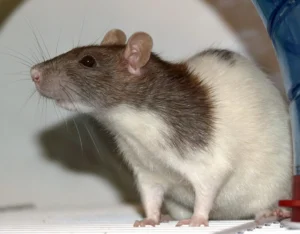
Rats are social animals and usually sleep together in groups. You’ll often find pet rats cuddled up in a big pile with their cage mates. This helps them stay warm and also provides security (more rats means more sets of ears listening for danger).
If you have pet rats, make sure they have multiple hiding spots in their cage where they can sleep undisturbed during the day.
Signs Your Rat Is Sleeping vs. Just Resting
Sometimes it’s hard to tell if your rat is actually asleep or just relaxing with their eyes closed.
When rats are truly asleep, they’re usually completely still. Their breathing is slow and regular. If they’re in deep sleep, they might be lying on their side or back in a very relaxed position that they wouldn’t do if they were awake and alert.
During REM sleep, you might see small movements like whisker twitches, paw movements, or tail flicks. Their eyes might move under their eyelids. These are signs of dreaming and mean your rat is definitely asleep.
Resting (but not sleeping) looks different. A resting rat will sit in a more alert position, maybe with their paws tucked under them. They’ll have their eyes closed or half-closed, but they’ll react quickly to any sounds or movements nearby.
You can also test this: if you make a small noise (like tapping lightly on the cage), a resting rat will open their eyes right away. A sleeping rat might not react at all, or will take a few seconds to wake up and look around.
What Happens If Rats Don’t Get Enough Sleep
Sleep deprivation is serious for rats and can cause major health problems.
Rats that don’t get enough sleep become irritable and aggressive. They might bite more easily or fight with their cage mates. This happens because lack of sleep affects the parts of the brain that control mood and behavior.
Sleep-deprived rats also have weakened immune systems. Without enough rest, their bodies can’t fight off infections properly. This makes them more likely to get sick with respiratory infections or other illnesses.

Cognitive function goes downhill too. Rats that don’t sleep enough have trouble learning new things and remembering things they learned before. They become less clever at solving problems or navigating their environment.
Long-term sleep deprivation can even shorten a rat’s lifespan. Studies have shown that rats forced to stay awake eventually die from the stress and strain on their bodies.
This is why it’s so important to let your pet rats sleep undisturbed during the day. Don’t wake them up to play or handle them during their normal sleep hours.
How Light Affects Rat Sleep
Rats need darkness to sleep properly because light affects their internal clock.
In their brains, rats have a tiny area called the suprachiasmatic nucleus (which is just a fancy name for their internal clock). This internal clock responds to light and darkness, telling the rat’s body when it’s time to sleep and when it’s time to wake up.
When it’s dark, rats’ brains produce more melatonin, which is a hormone that makes them feel sleepy. When it’s light, melatonin production drops, helping them wake up and stay alert.
If pet rats are kept in an area that’s too bright during the day, they might not produce enough melatonin to sleep well. This can lead to poor sleep quality and the health problems that come with sleep deprivation.
The best setup for pet rats is to keep them in a room with natural light cycles. During the day, the room should be relatively dim (you don’t need complete darkness, but not bright sunlight). At night, you can have normal lighting when you’re awake and turn lights off when you go to bed.
Some rat owners use blackout curtains to keep their rat’s sleeping area darker during the day. This isn’t required, but it can help if the room gets very bright.
Can You Change a Rat’s Sleep Schedule?
You can’t force a rat to become active during the day instead of sleeping, at least not without causing stress.
Rats are hardwired to be nocturnal. Their bodies are built to sleep during the day and be active at night. This isn’t something they learn; it’s in their biology.

Some people try to keep their pet rats awake during the day so they’ll sleep at night (like humans do). This doesn’t work well. The rats become stressed, grumpy, and unhealthy because you’re fighting against their natural rhythms.
However, pet rats can adjust their schedule slightly. If you consistently interact with them at the same time each evening (like 7 PM), they’ll start waking up around that time to play with you. But they’ll still sleep most of the day and be active most of the night.
The best approach is to work with your rat’s natural schedule rather than against it. Plan your playtime and interaction for evening and nighttime hours when your rats naturally want to be awake.
How Sleep Helps Rats Stay Healthy
Sleep does a lot of important things for a rat’s health beyond just making them feel rested.
During sleep, rats’ bodies produce more growth hormone. This hormone helps repair damaged tissues, build muscle, and keep their organs functioning properly. Young rats especially need this for healthy development.
Sleep also helps regulate metabolism. Rats that get enough sleep maintain a healthy weight more easily than rats that are sleep-deprived. Lack of sleep can mess up the hormones that control hunger, making rats eat more than they need.

The immune system gets a boost during sleep too. While rats sleep, their bodies produce more white blood cells and antibodies that fight off infections. This is why sick rats often sleep more than usual (their bodies are trying to recover).
Brain health depends on sleep as well. During sleep, especially REM sleep, rats’ brains consolidate memories. They process what they learned during the day and store it in long-term memory. Without enough sleep, rats can’t learn as effectively.
Comparing Rat Sleep to Other Animals
Rats sleep more than some animals but less than others.
Cats sleep about 12 to 16 hours per day, which is similar to rats. Dogs sleep about 12 to 14 hours per day on average. So rats, cats, and dogs all need roughly the same amount of sleep.
Mice (which are closely related to rats) also sleep 12 to 14 hours per day. Most other rodents have similar sleep needs. Hamsters sleep about 12 to 14 hours, and guinea pigs sleep about 9 to 10 hours (slightly less than rats).
Humans only need about 7 to 9 hours of sleep, so rats sleep significantly more than we do. However, rats are much smaller and have faster metabolisms, which is why they need the extra rest.
Some animals sleep much more than rats. Bats sleep up to 20 hours per day. Brown bats can sleep for 19 to 20 hours. On the other end, giraffes only sleep about 4 to 5 hours per day.
Conclusion
Rats sleep between 12 to 15 hours per day, taking multiple naps throughout the daytime hours while being active at night.
The amount they sleep depends on factors like age, health, environment, and whether they’re wild or pets. Baby rats sleep the most (up to 18 hours), adult rats sleep 12 to 15 hours, and senior rats may sleep slightly more again as they age.
If you have pet rats, respect their sleep schedule by keeping their environment relatively quiet and dim during the day. Letting them get proper rest is one of the most important things you can do to keep your rats healthy and happy.

Hi, my name is Ezra Mushala, i have been interested animals all my life. I am the main author and editor here at snakeinformer.com.