
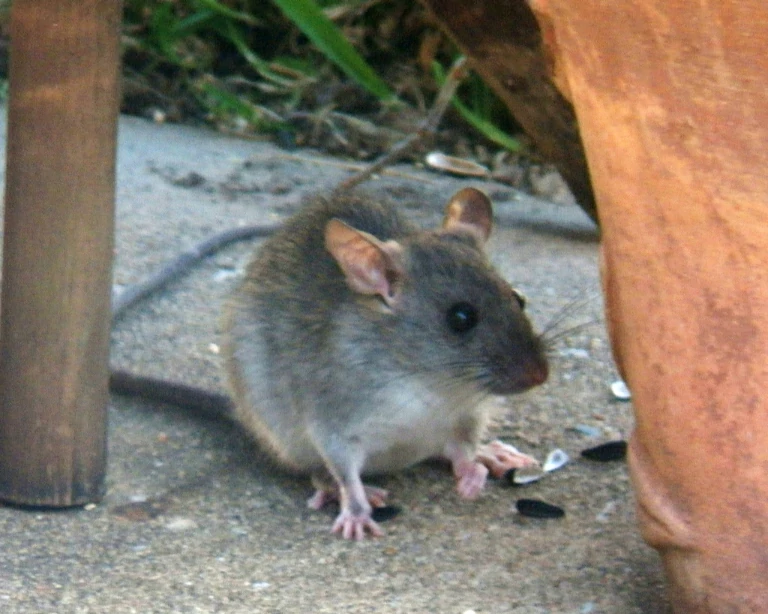
If you’ve ever noticed rats scurrying around your yard or home after dark, you might wonder when these little creatures actually settle down for the night.
Rats are active during the night, so their sleep schedule is completely opposite to ours. But what time do rats go to sleep at night?
Rats don’t actually go to sleep at night. They’re nocturnal animals, which means they sleep during the day (usually between 6 AM and 6 PM) and are awake and active at night.
Since rats are nocturnal, they start waking up around dusk (between 5 PM and 7 PM depending on the season) and stay active throughout the night. They then go to sleep in the early morning hours, usually around sunrise.
Why Rats Sleep During the Day Instead of at Night
Rats evolved to be active at night because it helps them survive in the wild.
When it’s dark outside, rats are safer from predators like hawks, owls, and other animals that hunt during the day. The darkness gives them cover to search for food, explore new areas, and go about their business without being spotted easily.
This nighttime activity pattern is built into their biology. Even pet rats that live in safe homes still follow this natural schedule because it’s hardwired into how their bodies work.
When Rats Are Most Active During the Night
Rats don’t stay equally active throughout the entire night.
They’re usually most active during two main periods: right after sunset (around dusk) and just before sunrise (around dawn). These are called crepuscular periods, which just means the times when it’s not fully dark but not fully light either.
During these peak activity times, you’ll see rats doing most of their important tasks. They search for food, gather materials for their nests, explore new areas, and interact with other rats.
The middle of the night (between midnight and 3 AM) is often when rats take short breaks. They might groom themselves, rest for a bit, or just slow down their activity before ramping up again before dawn.
How Long Rats Actually Sleep
Rats sleep quite a bit, but not all in one long stretch like humans do.
On average, rats sleep between 12 to 15 hours each day. However, they don’t sleep for 12 hours straight. Instead, they take multiple naps throughout their sleep period (during the daytime for most rats).
A rat might sleep for 2 hours, wake up briefly to groom or shift positions, then go back to sleep for another hour or two. This pattern repeats throughout the day.
Wild rats are especially careful about their sleep. They stay alert even while resting because predators could attack at any moment. Pet rats in safe homes tend to sleep more deeply and for longer periods since they don’t have to worry about danger.
Where Rats Go to Sleep
When rats settle down to sleep during the day, they look for safe, hidden spots.
Wild rats usually sleep in burrows underground, in thick vegetation, inside walls, or in other dark, enclosed spaces where predators can’t easily reach them. They prefer places that are warm, dry, and away from loud noises or activity.
Pet rats also like enclosed sleeping spots. If you have a pet rat, you’ve probably noticed they prefer hammocks, hideaway boxes, or tunnels in their cage. They’ll often pile up bedding material to make a cozy nest where they feel secure.
Rats are social animals, so they often sleep together in groups. You’ll find them cuddled up with their cage mates or family members. This helps them stay warm and also provides extra security since more rats means more eyes and ears to detect danger.
What Happens If You Change a Rat’s Sleep Schedule
You can’t really force a rat to become active during the day instead of at night.
Some people try to change their pet rat’s schedule by keeping them awake during the day and letting them sleep at night. This usually doesn’t work well and can actually stress out the rat.

Even if you interact with your pet rat during the daytime, they’ll still naturally want to sleep. You might get them to play for a bit, but they’ll be groggy and won’t be as active or playful as they would be at night.
The best approach is to work with your rat’s natural schedule. If you want to spend time with your pet rats, plan your interactions for evening hours when they’re naturally waking up, or late at night when they’re most active.
Signs That Your Rat Is Getting Ready to Sleep
As morning approaches, rats start showing signs that they’re ready to wind down.
They’ll slow down their activity level and spend more time grooming themselves. Grooming is a calming behavior for rats, and they often do it before settling down to sleep.
You might also notice your rat gathering bedding material or rearranging their sleeping area. They want everything just right before they commit to a long nap.
Pet rats will often eat a final snack and drink some water before sleeping. Then they’ll head to their favorite sleeping spot (usually a hideaway or hammock) and curl up with their cage mates.
How Rat Sleep Patterns Change with Age
Baby rats and older rats have slightly different sleep patterns than adult rats in their prime.
Young rats (called pups or kittens) sleep even more than adult rats. They might sleep up to 18 hours a day because their bodies are growing rapidly and need that extra rest. Baby rats also tend to sleep more deeply than adults.
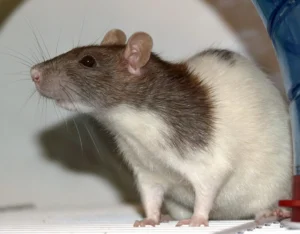
As rats get older (past 2 years), they also tend to sleep more. Senior rats might not be as active during their waking hours and take more frequent naps. They also become less predictable with their schedule and might wake up at random times during the day.
Adult rats in good health (between 6 months and 2 years old) stick to the most consistent schedule. They’re reliably active at night and sleep soundly during the day.
Can Rats See Well Enough to Be Active at Night?
Rats have excellent vision for nighttime activity, but not in the way you might think.
Rats can’t see colors very well. They see the world mostly in shades of blue and green, and everything else looks grayish to them. However, their eyes are specially built to work well in low light conditions.
Rats have more rod cells in their eyes than cone cells. Rod cells help with seeing in dim light, while cone cells help with seeing colors and details in bright light. This means rats can see much better than humans when it’s dark outside.
But rats don’t rely only on their eyes. They also use their whiskers (called vibrissae) to feel their way around in the dark. These whiskers are incredibly sensitive and help rats detect objects, changes in air currents, and even tiny vibrations.
Their hearing is also much better than ours. Rats can hear high-frequency sounds that humans can’t detect at all. This helps them listen for predators, communicate with other rats, and find food in the dark.
What Light Conditions Rats Prefer for Sleeping
Rats prefer to sleep in complete darkness or very dim light.
In the wild, rats sleep in burrows or hidden spots where very little light gets in. This darkness helps trigger their bodies to produce melatonin, which is a hormone that helps them sleep.
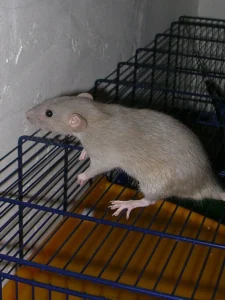
If you have pet rats, you should make sure their sleeping area isn’t too bright during the day. While you don’t need to make the room pitch black, keeping the area relatively dim will help them sleep better.
Bright lights during their sleep time can mess up their natural rhythms and make them groggy or stressed. Think about how hard it would be for you to sleep during the day with bright sunlight streaming through your windows. That’s how rats feel about sleeping in bright conditions.
Some rat owners use blackout curtains in the room where they keep their rats. This isn’t necessary, but it can help if the room gets very bright during the day.
Temperature and Rat Sleep Patterns
Temperature affects when and how well rats sleep.
Rats are most comfortable in temperatures between 65°F and 75°F (18°C to 24°C). When it’s within this range, they’ll stick to their normal sleep schedule and sleep soundly during the day.
If it gets too hot (above 80°F or 27°C), rats might sleep less or take shorter naps. They’ll wake up more often to find cooler spots or drink water. Extreme heat is actually dangerous for rats since they can’t sweat to cool down.
Cold temperatures can also affect their sleep. If it’s too cold (below 60°F or 15°C), rats might sleep more to conserve energy, or they might huddle together more tightly with other rats to stay warm.
Wild rats sometimes change their activity patterns slightly based on the season. In very hot summers, they might be most active during the coolest parts of the night. In winter, they might have shorter active periods to avoid the extreme cold.
Do Wild Rats and Pet Rats Sleep at Different Times?
Both wild rats and pet rats are nocturnal, but pet rats might be slightly more flexible with their schedule.
Wild rats stick strictly to their nighttime activity pattern because their survival depends on it. They can’t afford to be out during the day when predators are hunting.

Pet rats still prefer to be active at night, but they might adjust slightly to their owner’s schedule. If you interact with your pet rats regularly in the evening (around 6 PM to 10 PM), they’ll often wake up during this time to play with you, even if it’s slightly earlier than they’d naturally wake up.
However, pet rats still do most of their sleeping during the day. You might see them wake up briefly during the afternoon to eat, drink, or use the bathroom, but they’ll quickly go back to sleep.
The key difference is that pet rats feel safer, so they might sleep more deeply and consistently than wild rats. Wild rats have to stay partially alert even while sleeping, which means their sleep quality isn’t as good.
How Noise Affects When Rats Sleep
Rats can sleep through some noise, but loud or sudden sounds will wake them up.
Wild rats are always listening for danger, even when they’re asleep. A loud noise (like a dog barking, a door slamming, or footsteps nearby) will wake them up instantly because it could signal a threat.
Pet rats get used to normal household noises. If you have your rats in a living room where people watch TV during the day, they’ll learn to sleep through that background noise. However, sudden loud sounds (like a vacuum cleaner right next to their cage or someone yelling) will still startle them awake.
For the best sleep quality, try to keep your pet rat’s sleeping area relatively quiet during the day. You don’t need complete silence, but avoid putting their cage right next to speakers, washing machines, or other sources of loud noise.
Conclusion
Rats don’t go to sleep at night because they’re nocturnal animals.
They sleep during the day (typically from early morning around 6 AM until evening around 6 PM) and are active throughout the night. This schedule is built into their biology and helps them avoid predators in the wild.
If you have pet rats, the best thing you can do is respect their natural sleep schedule. Give them a quiet, dim place to sleep during the day, and plan your interaction time for evening and nighttime hours when they’re naturally awake and most playful.
Understanding when rats sleep helps you provide better care for pet rats and also explains why you might see wild rats around your property after sunset.

Hi, my name is Ezra Mushala, i have been interested animals all my life. I am the main author and editor here at snakeinformer.com.