
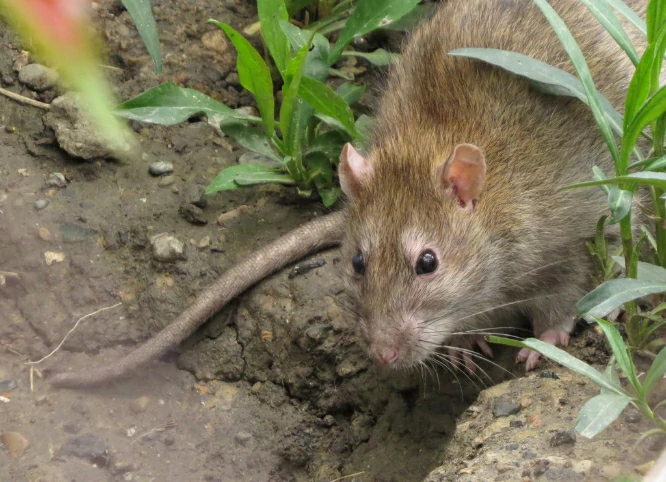
Rats seem like they’re always looking for food, whether they’re wild rats sneaking into your pantry or pet rats begging for treats.
Their small size and fast metabolism mean they need to eat regularly to keep their energy up. But how many times a day do rats eat?
Rats eat between 15 to 20 times per day. Instead of eating large meals like humans, rats nibble on small amounts of food throughout their active hours (mainly at night).
This frequent eating pattern is called grazing, and it’s completely normal for rats. They eat a little bit, move on to do other activities, then come back to eat again a short while later.
Why Rats Eat So Many Times Each Day
Rats have very fast metabolisms, which means their bodies burn through energy quickly.
A rat’s heart beats around 300 to 400 times per minute (compared to about 60 to 100 beats per minute for humans). This rapid heart rate means they’re using up energy constantly, even when they’re just sitting still.

Because they burn energy so fast, rats need to refuel often. If a rat goes too long without eating (more than 24 hours), it can actually become dangerous for their health.
Their small stomach size also plays a role. Rats can’t eat huge meals like larger animals can. Their stomachs are tiny, so they need to eat small amounts many times throughout the day instead of a few large meals.
How Much Food Rats Eat Each Day
Even though rats eat 15 to 20 times a day, they don’t eat that much food overall.
An adult rat typically eats about 15 to 20 grams of food per day. That’s roughly half an ounce to three-quarters of an ounce. To put it in perspective, that’s about the weight of 4 to 5 pennies.

However, the exact amount depends on the rat’s size, age, and activity level. A large male rat might eat closer to 25 grams per day, while a smaller female might only eat 12 to 15 grams.
Baby rats (pups) eat less in total amount but more relative to their body size. Growing rats need lots of calories and nutrients to support their rapid development.
Pregnant or nursing female rats eat much more than normal. A nursing mother rat can eat up to 40 grams of food per day because she’s producing milk for her babies.
When Rats Eat Throughout the Day
Rats do most of their eating during the night since they’re nocturnal.
They’ll typically start eating shortly after they wake up in the evening (around dusk). This first eating session is usually one of their biggest because they haven’t eaten much while sleeping during the day.

Throughout the night, rats will take multiple eating breaks. They might explore for a while, groom themselves, interact with other rats, then stop to eat again. This pattern repeats over and over.
Wild rats are most active (and therefore eat most) during the crepuscular hours, which is just a fancy word for dawn and dusk. These are the times when it’s not fully light or fully dark, and rats feel safer venturing out to find food.
Pet rats follow a similar pattern, but they might also wake up briefly during the day to snack if they hear you moving around or if they smell something tasty.
What Rats Eat During Their Feeding Sessions
Rats are omnivores, which means they eat both plant-based foods and animal-based foods.
In the wild, rats eat a huge variety of things. They’ll munch on grains, seeds, fruits, vegetables, nuts, insects, eggs, small animals, and basically anything else they can find. This varied diet helps them get all the nutrients they need.
During each feeding session, a wild rat might eat different things. They don’t stick to one food source. Instead, they’ll nibble on seeds for a bit, then move to some fruit, then maybe catch an insect. This variety is healthy for them.
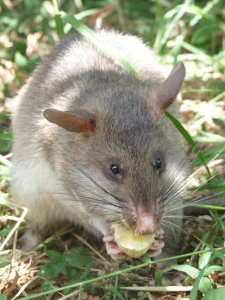
Pet rats should also have a varied diet. High-quality rat pellets should make up the base of their diet, but you should also offer fresh vegetables, small amounts of fruit, whole grains, and occasional protein sources like cooked chicken or eggs.
Each time your pet rat eats, they might go for their pellets, then snack on some vegetables you left for them, then maybe have a small treat. Just like wild rats, pet rats like variety in their diet.
How Rats Know When to Eat
Rats don’t eat on a strict schedule like humans do.
Instead, they eat based on hunger cues and opportunity. When their blood sugar drops a bit and they start feeling hungry, they’ll go find food. After eating a small amount and feeling satisfied, they’ll stop and go do something else.
This is called ad libitum feeding, which just means eating freely whenever they want. It’s the natural way rats eat, and it’s actually healthier for them than forcing them to eat at set meal times.
Pet rats should always have access to their main food (pellets or a good rat mix). This way, they can nibble whenever they need to, just like they would in nature.
However, you should offer fresh foods (like vegetables and fruits) at consistent times, usually in the evening when they’re waking up. This prevents the fresh food from sitting out all day and spoiling.
Differences Between Wild and Pet Rat Eating Patterns
Wild rats and pet rats both eat many times a day, but their eating behavior can look different.
Wild rats have to work hard to find food. They might travel long distances each night searching for meals. When they find a good food source, they’ll eat what they can and sometimes carry extra food back to their nest to store for later.
This means wild rats might go through periods of eating a lot when food is available, and eating less when food is scarce. They’re adapted to handle some variation in their food supply.
Pet rats don’t have to search for food. It’s always there in their cage. This makes their eating pattern more consistent. They’ll eat small amounts regularly throughout the night without the feast-or-famine pattern that wild rats sometimes experience.
Pet rats also tend to be pickier eaters than wild rats. Since they’re not desperate for food, they’ll often pick out their favorite items from a food mix and ignore the things they don’t like as much.
How Baby Rats Eat Compared to Adult Rats
Baby rats (also called pups or kittens) have different eating patterns than adult rats.
For the first three weeks of life, baby rats only drink their mother’s milk. They nurse from their mother multiple times throughout the day and night. This is their only source of nutrition during this period.

Around 2 to 3 weeks old, baby rats start nibbling on solid foods while still nursing. They’ll try tiny amounts of whatever the adult rats are eating. At this stage, they might eat 20 to 25 times a day because they’re eating both solid food and still nursing.
By 4 to 5 weeks old, baby rats are fully weaned and eating only solid foods. However, they eat more frequently than adult rats (sometimes 25 to 30 times a day) because they’re growing so quickly and need lots of calories.
Young rats (from 5 weeks to about 4 months old) gradually reduce how often they eat as they reach their adult size. By the time they’re fully grown, they settle into the typical 15 to 20 meals per day pattern.
How Health Problems Affect Rat Eating Frequency
Healthy rats stick to their regular eating pattern, but sick rats often change how much or how often they eat.
If a rat is eating much less than normal or skipping many of their usual feeding times, it’s often a sign something is wrong. Rats can’t go long without food, so a rat that’s not eating is a serious concern.
Dental problems can make it hard for rats to eat. Their front teeth (incisors) never stop growing, and if they get too long or misaligned, eating becomes painful. A rat with tooth problems might try to eat but give up quickly because it hurts.
Respiratory infections (which are common in rats) can also reduce appetite. When a rat is having trouble breathing, they’re less interested in food and might eat less frequently.
On the flip side, some health conditions make rats eat more than normal. Diabetes or certain tumors can increase hunger, causing a rat to eat even more frequently than the typical 15 to 20 times per day.
What Time of Day Rats Eat Most
Rats eat most during their peak activity hours, which are in the evening and early morning.
The biggest eating session usually happens right after they wake up in the evening (around 6 PM to 8 PM depending on when the sun sets). This is similar to how humans often eat a big breakfast after waking up.

Throughout the night, rats continue eating small amounts regularly. However, they often have another peak eating period just before dawn (around 4 AM to 6 AM). They’ll eat more during this time to fuel up before going to sleep for the day.
During the middle of the night (midnight to 3 AM), rats still eat but less frequently. They’re busy with other activities during these hours and might only stop to eat every hour or so.
During the day while they’re sleeping, rats rarely eat. They might wake up once or twice for a quick snack, but most of their eating happens at night.
How Much Water Rats Drink
Rats don’t just eat frequently throughout the day; they also drink water many times.
An adult rat drinks about 20 to 50 milliliters of water per day. That’s roughly 1 to 2 ounces, or about 2 to 4 tablespoons. However, this varies based on what they’re eating, the temperature, and their activity level.
Rats typically drink water during or right after eating. So if a rat eats 15 to 20 times a day, they’ll probably also drink water 15 to 20 times a day (though not necessarily after every single meal).
If rats are eating dry food (like pellets), they’ll drink more water. If they’re eating lots of fresh vegetables and fruits that contain water, they’ll drink less because they’re getting moisture from their food.
Temperature also matters. On hot days, rats drink more to stay hydrated. In cooler weather, they might drink a bit less.
How to Tell If Your Pet Rat Is Eating Enough
It can be hard to count exactly how many times your pet rat eats since they nibble so frequently.
The best way to know if your rat is eating enough is to monitor their weight. Adult rats should maintain a steady weight. If your rat is losing weight, they’re not eating enough. If they’re gaining weight too quickly, they might be eating too much (or eating too many high-fat treats).
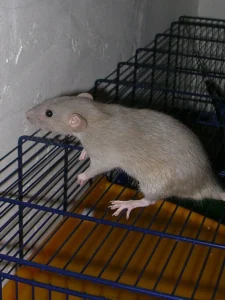
You should also check their food bowl daily. If you put out a certain amount of pellets and it’s mostly gone by the next day, your rat is probably eating normally. If the food bowl is still full after 24 hours, something might be wrong.
Healthy rats are active and curious. A rat that’s eating enough will have good energy levels, a shiny coat, and bright eyes. They’ll be interested in exploring and playing during their active hours.
Changes in eating behavior are often the first sign of illness in rats. If your normally food-motivated rat suddenly isn’t interested in their favorite treats or is eating much less than usual, that’s a red flag.
Storing and Hoarding Food
Rats don’t eat all their food in one place; they often store it for later.
Wild rats are famous for hoarding food. When they find a good food source, they’ll eat some immediately and then carry as much as they can back to their nest. They store this food in their burrow to eat later when food is harder to find.
Pet rats do this too, even though they don’t need to worry about food scarcity. You’ll often find stashes of pellets, treats, or pieces of vegetables hidden in your rat’s sleeping area, under bedding, or in corners of their cage.
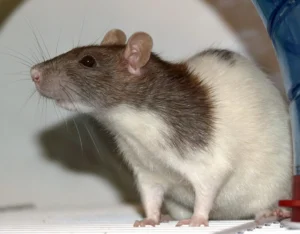
This hoarding behavior is instinctive. Even well-fed pet rats feel the urge to save food for later. Some rats are more extreme hoarders than others. You might have one rat that eats everything right away and another that stores half of everything you give them.
This is completely normal behavior. Just make sure to clean out any perishable food (like fresh fruits or vegetables) from their stash regularly so it doesn’t rot and attract pests or make your rat sick.
What Happens If Rats Don’t Eat Enough
Rats can’t go long without food before they start having serious health problems.
If a rat doesn’t eat for 12 to 24 hours, they’ll become weak and lethargic. Their energy levels will drop significantly because their fast metabolism means they burn through their energy reserves quickly.
After 24 hours without food, rats can develop a dangerous condition where their body starts breaking down its own tissues for energy. This is especially dangerous for rats because of their small size and high metabolism.
Long-term malnutrition (eating too little over weeks or months) causes even worse problems. Rats become severely underweight, their immune system weakens, their fur becomes dull and patchy, and they become vulnerable to infections and diseases.
This is why it’s so important to make sure your pet rats always have access to food. If your rat hasn’t eaten in 12 hours or more, that’s a veterinary emergency.
Conclusion
Rats eat between 15 to 20 times per day, taking small nibbles throughout their active hours instead of eating a few large meals.
This frequent eating pattern is normal and healthy for rats. Their small size, fast metabolism, and tiny stomachs mean they need to refuel often to maintain their energy levels.
If you have pet rats, make sure they always have access to their main food so they can nibble whenever they need to. Understanding how often rats eat helps you provide better care and recognize when something might be wrong with your rat’s health.

Hi, my name is Ezra Mushala, i have been interested animals all my life. I am the main author and editor here at snakeinformer.com.