
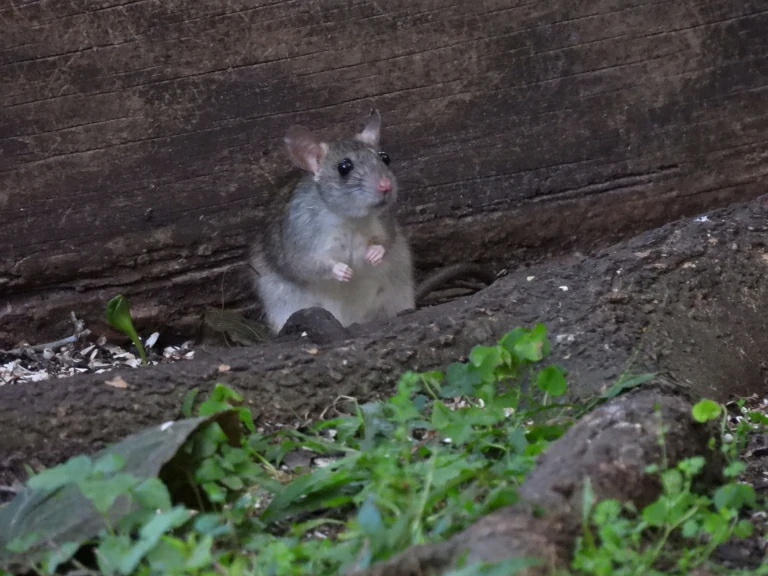
You start your car and hear something moving in the engine compartment. Or you open the hood for routine maintenance and find nesting material. Or you smell something dead and awful somewhere in the vehicle.
Rats in cars are frustrating, damaging, and surprisingly common. Why do rats keep getting in my car?
Rats get in cars because the engine compartment offers warm shelter, protection from predators, nesting materials from insulation and wiring, and often nearby food sources. Cars parked near rat habitat, especially at night, become attractive shelters that rats return to repeatedly.
Your car isn’t just transportation to you. To a rat, it’s a perfect little shelter with warmth, safety, and materials they can use. Understanding why makes it easier to solve the problem.
The Engine Compartment as Perfect Shelter
The area under your car’s hood is basically designed to be attractive to rats, even though that obviously wasn’t the intention.
Engine compartments are enclosed and protected. Rats feel safer in covered spaces where predators can’t easily reach them.
The complex structure of an engine creates lots of small spaces, ledges, and hiding spots. These nooks and crannies are exactly what rats look for in shelter.
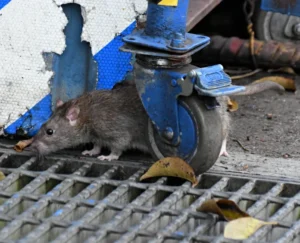
Even when the engine is cold, the compartment stays warmer than outside air in many climates. The engine retains heat for hours after you park, making it extra attractive.
Cars parked regularly in the same spot become territory. Rats establish the location as part of their home range and return repeatedly.
The undercarriage of the car also offers shelter. Rats can hide under the car, then easily climb up into the engine compartment when they want more protection.
Modern cars with more plastic components and insulation actually provide better nesting material than older, simpler engines. The “improvements” made cars more rat-friendly.
Warmth from the Engine
Heat is one of the biggest attractions, especially in cooler weather or climates.
A recently driven car’s engine stays warm for several hours. On a cold night, this warmth is irresistible to rats seeking comfortable temperatures.
Rats can sense warmth from a distance. They’ll investigate warm objects in their territory, and a warm engine is easy to detect.

During winter, the warmth factor becomes even more important. Rats desperately seek warm shelter when temperatures drop, and your engine is often the warmest spot in the area.
Cars used regularly and parked in the same spot create a pattern. Rats learn when the car will be warm and return during those times.
Even in summer, the insulation and covered nature of the engine compartment provides shade and slightly cooler temperatures than direct sun.
The warmth doesn’t just attract rats passing by. It can draw rats from their nests specifically because they know this warm shelter exists.
Easy Access Points
Cars have multiple entry points that rats can use, often without you realizing these openings exist.
Rats can squeeze through openings as small as a quarter. Cars have many gaps, vents, and openings larger than this.
Common entry points include gaps around wiring harnesses where they enter the cabin, openings around pedal assemblies, spaces where the hood doesn’t seal perfectly, and gaps in the firewall.
The area between the engine compartment and wheel wells often has access points. Rats can climb up through the wheel well into the engine area.

Air intake systems sometimes have openings rats can use. While there’s usually a filter, the ducting itself might have accessible points.
Older cars or cars with damage have even more entry opportunities. Rust holes, missing fasteners, or worn seals create easy access.
Rats are excellent climbers. They don’t need ground-level access. They can climb the tire, up the wheel well, and into the engine from above.
Nesting Materials Are Readily Available
Modern car engines provide excellent materials for building nests, which encourages rats to stay and return.
Wire insulation makes perfect nesting material from a rat’s perspective. It’s soft, it’s abundant, and it’s easy to shred.
Sound-deadening insulation in the hood and firewall can be pulled apart and used for nests. Rats will create substantial damage removing this material.
Air filters, cabin filters, and insulation pads all provide nesting materials. Rats will destroy these components to build comfortable nests.
Any fabric, paper, or other soft materials left in or near the car also get incorporated into nests. Things like shop rags stored in the engine bay are prime targets.
The enclosed nature of the engine compartment means nesting materials stay dry and protected, making it an even better location.
Female rats looking for places to have babies find engine compartments ideal. Safe, warm, with good materials, they’re perfect for raising young.
Wiring Insulation as Food and Dental Material
Rats don’t just use wiring for nests. They also chew on wires, causing expensive damage.
Modern wire insulation is often made from soy-based or plant-based materials. These eco-friendly materials are also more attractive to rats than older petroleum-based insulation.
Rats need to constantly gnaw to keep their incisors worn down. Their teeth grow continuously throughout their lives. Wiring provides good gnawing material.
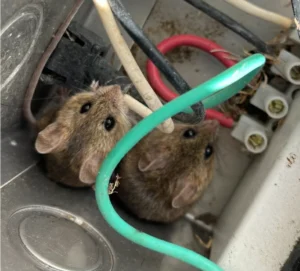
The texture and resistance of wire insulation satisfies rats’ chewing needs. It’s not too hard, not too soft, just right for dental maintenance.
Some manufacturers use peanut oil or other organic materials in wire coating. While this helps the environment, it makes wires taste good to rats.
A single rat can cause thousands of dollars in wiring damage in just a few nights. They can chew through critical systems including fuel lines, brake lines, and essential computer connections.
Wiring damage often isn’t immediately obvious. You might not know rats have been in your car until systems start malfunctioning.
Food Sources Near Parking Areas
Cars themselves don’t provide food, but where you park often does, which brings rats close to your vehicle.
If you park near garbage cans, dumpsters, or food waste bins, rats are already in that area looking for food. Your car is just convenient shelter nearby.
Parking near restaurants, cafeterias, or outdoor eating areas means you’re in rat territory. These areas have reliable food, and rats explore everything nearby.
Bird feeders attract rats. If you park near feeders or under trees where birds drop seeds, rats are present and will investigate your car.
Pet food stored in garages or sheds near where you park attracts rats to the area. Once they’re there, they’ll explore your car.
Gardens, compost bins, and fruit trees also bring rats into areas where people park. The rats are coming for food but find your car useful.
Even inside cars can have food. Crumbs, spilled drinks, food wrappers, and forgotten snacks make car interiors attractive. Rats will get inside to access this food.
Protection from Predators
Cars offer excellent protection from the animals that hunt rats.
Owls, hawks, cats, dogs, foxes, and other predators have trouble accessing rats inside engine compartments. The structure protects rats from aerial and ground threats.
Rats instinctively seek cover when resting during the day. Your engine compartment provides this cover effectively.

The metal and enclosed nature of a car means predators can’t easily see, smell, or hear rats hiding inside. This makes it a safe hiding spot.
Even if predators know rats are in the area, they can’t easily extract them from a car. The rats are protected by the vehicle’s structure.
Parking in garages provides even more protection. Rats inside a garage are protected from most outdoor predators, making the car in the garage doubly attractive.
Cars parked at night when rats are active and predators are also hunting provide crucial shelter during dangerous hours.
Parking Location and Patterns
Where and how you park has huge impacts on whether rats will get in your car.
Cars parked in the same spot every day become familiar to rats. They learn the car’s schedule and presence.
Parking next to walls, buildings, or dense vegetation puts your car right next to rat habitat. Rats don’t have to travel far to investigate and access it.
Garages and carports concentrate rat problems. If rats are living in the garage structure, your car is right in their territory.
Cars parked under trees can be near rat nests. Many rat species nest in trees, and they’ll climb down to investigate cars parked below.
Parking near water sources (pools, ponds, drainage areas) or in areas with poor drainage brings cars close to rat habitat.
Cars that don’t move for extended periods become more attractive. Rats realize the shelter is stable and won’t suddenly leave, making it worth investing in as a nesting site.
Multiple cars parked close together can create a rat highway between vehicles, with rats using the cars as connected shelter and nesting areas.
Why They Return Repeatedly
Even if you clean out your engine once, rats often come back. Understanding why helps you prevent returns.
Rats mark territory with scent. Once a rat has been in your car, scent markers remain that attract other rats.
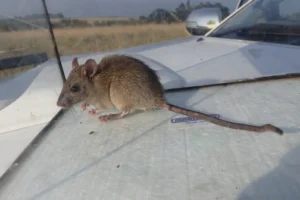
If the original attractions (warmth, shelter, nearby food) are still present, new rats will find your car just like the first one did.
Rats have excellent spatial memory. If a rat used your engine and survived, they remember it as a good location and return.
Young rats learn from adults. If adult rats are using cars in an area, young rats will investigate cars as potential shelter too.
Seasonal patterns bring rats back. You might have no problems in summer but see repeated rat problems every fall and winter.
The rat population in your area doesn’t decrease just because you removed one rat. There are always more rats looking for shelter and resources.
Health and Safety Risks
Beyond property damage, rats in cars create actual dangers.
Chewed brake lines or fuel lines can cause catastrophic failures while driving. These are immediate safety risks.
Electrical fires can start from damaged wiring. Rats chewing through insulation can create shorts that spark fires.
Disease transmission is a concern. Rats carry diseases that can be transmitted through their urine and feces. Touching contaminated engine parts or breathing dust from dried rat waste poses health risks.

Dead rats in air systems contaminate cabin air. The smell is terrible, but the health implications are worse, especially for people with respiratory sensitivities.
Rats can trigger allergies and asthma. Their dander, urine, and feces contain allergens that affect sensitive individuals.
Fleas, mites, and ticks from rats can infest your car and potentially transfer to you or your pets.
Signs Rats Are Using Your Car
Catching the problem early reduces damage. Watch for these warning signs.
Unusual sounds when you start the engine or while driving. Squeaking, rustling, or scratching noises indicate something is living in there.
Check engine lights or electrical malfunctions without obvious cause might result from chewed wiring.
Visible nesting materials under the hood. Open your hood regularly and look for shredded paper, fabric, insulation, or leaves gathered in corners.
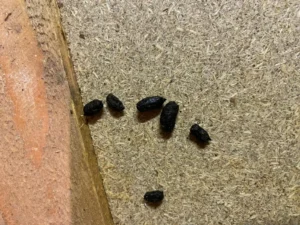
Droppings in the engine compartment or inside the cabin. Rat droppings are dark, pellet-shaped, and about the size of a grain of rice.
Chew marks on wires, hoses, or plastic components. Look specifically at wire insulation for teeth marks.
Strange smells, especially urine odor or the smell of something dead. Rats sometimes die in cars, or their urine creates a persistent odor.
Footprints or tail marks in dust on the car surface or in the engine bay. These are most visible if you haven’t driven the car in a while.
Preventing Rats from Getting In
Prevention is far easier and cheaper than dealing with rat damage.
Use rodent deterrent products specifically designed for cars. These include ultrasonic devices, peppermint oil sprays, and specialized tape that rats don’t like to chew.
Keep the hood open when parked in a garage. This makes the engine compartment less enclosed and appealing, though this only works in secure locations.
Use wire mesh to block major access points. Cover air intakes, gaps in the wheel wells, and other openings with metal mesh that rats can’t chew through.
Drive regularly. Cars used daily are less attractive than cars that sit. The constant disturbance from driving discourages nesting.
Park in different spots when possible. Rats establish territories in fixed locations. Varying where you park makes it harder for them to claim your car.
Remove attractants from the area where you park. Address food sources, water sources, and nearby shelter that brings rats to the location.
Install motion-activated lights in your parking area. Rats prefer darkness, and sudden light can deter them.
Cleaning Up After Rats
If rats have been in your car, proper cleanup is essential.
Don’t just remove visible nesting material and call it done. Rats leave urine and feces that need thorough cleaning.
Use protective equipment. Wear gloves, a mask, and eye protection when cleaning rat-contaminated areas. Don’t breathe the dust.
Spray areas with disinfectant before cleaning to minimize dust. Dry rat waste creates airborne particles that can transmit diseases.
Remove all nesting materials and droppings. Check everywhere, including air filter housings, corners of the engine bay, and under the battery.
Clean surfaces with appropriate disinfectants. Bleach solution or commercial disinfectants designed for animal waste work well.
Replace damaged air filters and cabin filters. These can’t be adequately cleaned if contaminated.
Have wiring damage professionally repaired. DIY electrical repairs can create safety hazards in vehicles.
When to Seek Professional Help
Some rat-in-car situations require professionals.
If you have extensive wiring damage, let a qualified mechanic handle repairs. Electrical systems are too important for safety to risk improper repairs.
Large nests or signs of a family of rats (babies present) should be professionally handled. The situation is more complex than a single rat.
If you can’t identify how rats are getting in, pest control professionals can find and seal entry points you might miss.
Repeated problems despite your prevention efforts suggest you need professional assessment of your specific situation.
If you’re uncomfortable handling rat cleanup due to health concerns, hire professionals who have proper equipment and training.
Some auto insurance policies cover rodent damage. Check your policy, and if covered, work with approved repair facilities.
Conclusion
Rats get in your car because it offers exactly what they need: warm, protected shelter with good nesting materials and easy access, often located near food and water sources. The engine compartment is basically ideal rat habitat from their perspective.
They keep returning because the factors that attracted the first rat are still present. Unless you address why rats find your car attractive, you’ll continue having problems.
Prevention requires a multi-approach strategy: use deterrents, block access points, remove attractants from the parking area, and ideally park differently or more frequently. No single solution works perfectly, but combining several methods significantly reduces rat problems.
The cost of prevention is minimal compared to potential damage. Taking action before rats cause thousands in damage is always the better choice. Regular inspection, quick response to early signs, and consistent prevention efforts will keep rats out of your car.

Hi, my name is Ezra Mushala, i have been interested animals all my life. I am the main author and editor here at snakeinformer.com.