

If you’ve ever seen a cat spot a gecko for the first time, you know exactly how it goes. The cat freezes. Its eyes get huge. Its tail starts that slow, dramatic flick that basically says, “I’m about to do something risky.”
Meanwhile, the gecko acts like it just remembered an appointment and darts up the wall like its life depends on it, which honestly, it does.
Somewhere in the middle of all that chaos, you realize your cat might be about to pounce, and you start wondering: are geckos actually harmful to cats?
No, geckos aren’t harmful to cats. They don’t have venom, they don’t make toxins, and their bites aren’t dangerous. The only small risk is if a cat actually eats a gecko, which can sometimes upset their stomach, give them parasites, or (rarely) a bacterial infection. Even then, most cats are perfectly fine.
That’s the quick version, but there’s more to the story. Cats are natural hunters. Geckos are small, fast reptiles that trigger every hunting instinct your cat has.
Even though geckos aren’t poisonous, the way cats chase, catch, bite, or swallow them can create a few risks you should know about.
How Cats And Geckos Act Around Each Other
Cats don’t see geckos as pets or tiny house guests. They see them as moving toys. Even the sleepiest cat suddenly turns into a jungle predator when a gecko darts across the wall.
It’s not aggression. It’s instinct. Cats are made to track movement, stalk prey, and test their reflexes. A gecko is the perfect target: small, unpredictable, and fast.
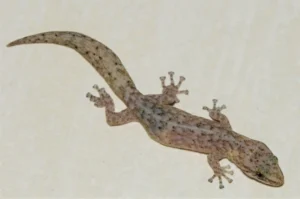
Geckos aren’t trying to fight. Their whole goal is simple: avoid getting caught.
So when a cat paws, sniffs, or swipes at them, the gecko panics; running, climbing higher, hiding, or dropping its tail to distract the cat.
That tail drop, called autotomy, is a trick that confuses predators long enough for the gecko to escape.
The gecko often doesn’t get its tail back for a long time, and it takes a lot of energy to grow a new one. Every chase costs the gecko more than it seems to the cat.
Sometimes the gecko gets away. But cats are persistent. They’ll jump on counters, squeeze behind appliances, or sit in silence for 20 minutes waiting for the gecko to move.
Some cats even seem to plan their moves, watching from different angles before striking.
You might notice them creeping like tiny ninjas, muscles tensed, ears twitching, eyes fixed, totally focused on the little lizard.
That’s usually when trouble happens: when a cat actually catches the gecko. This can lead to a few outcomes, some harmless, some a bit worrying.
Even if the gecko escapes, the stress can make it harder for it to eat or avoid predators later.
Cats aren’t thinking about danger, they’re just following instinct. The contrast is interesting: the cat is calm and focused, while the gecko is all panic and bursts of energy.
This is the classic “cat vs gecko” scene most pet owners have seen at least once. For anyone who likes watching animals, it’s like a tiny action movie in your living room.
Are Geckos Poisonous Or Venomous To Cats?
This is the part most people worry about.
No common house gecko is poisonous or venomous to cats.
House geckos, Mediterranean geckos, day geckos, mourning geckos. None of them make toxins that can hurt a cat.
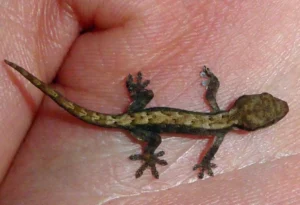
They don’t have venom glands. They don’t have poison in their skin.
They don’t release chemicals that are dangerous when threatened. A cat that bites or eats a gecko isn’t going to be poisoned.
Even bigger geckos, like tokay geckos, which can give a noticeable bite, aren’t venomous. Their bite might startle a cat or make it pause mid-hunt, but it won’t inject toxins or cause real harm.
For comparison, a tokay gecko’s bite is mostly just strong enough to make you pull back, it’s not an emergency.
So if toxins aren’t the problem, what is? The main risks come from the gecko being a wild animal.
The Real Concerns: Bacteria, Parasites, And Stomach Upset
Here’s where things get less “dangerous” and more annoying.
Like many reptiles, geckos can carry bacteria like Salmonella. If a cat eats a gecko carrying Salmonella, it can cause vomiting, diarrhea, drooling, or a mild stomach upset.

Not every gecko carries bacteria. Not every cat gets sick. But it can happen, especially for kittens, older cats, or cats with weak immune systems.
Cats can also pick up parasites from eating geckos.
This isn’t super common, but some cats that hunt or eat geckos regularly can get worms, protozoa, or other intestinal parasites that cause stomach problems if untreated.
Many cats eat a gecko and act totally normal. But some get a stomach upset, and that’s when owners notice something’s wrong. Symptoms to watch for:
-
Vomiting
-
Diarrhea
-
Watery poop or mucus
-
Drooling
-
Refusing food
-
Acting tired or hiding
Most symptoms are short-lived because healthy cats usually fight off mild bacteria fast. Kittens, older cats, or cats with weak immune systems may need a vet.
If a cat hunts geckos a lot, repeated exposure can increase the chance of stomach problems over time.
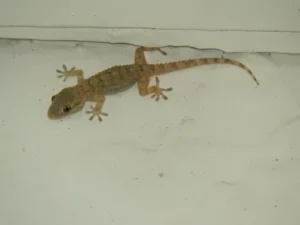
The stress of hunting can make it worse. A cat that gets really worked up chasing a gecko might get a temporary stomach upset, which can make mild bacterial effects stronger.
So it’s a double hit: the gecko might carry bacteria, and the hunting stress affects the cat’s system.
What Happens When A Cat Swallows A Gecko?
Some cats just bite and drop it. Some bat it around until it escapes. Many swallow the whole thing, tail and all.
Here’s the surprising part: geckos usually don’t physically hurt the cat’s stomach.
They’re small and soft, so they break down easily. The problem isn’t the gecko itself, it’s the bacteria or parasites living on it.
Most cats can fight these off, but some get hit harder, especially if the gecko was stressed, shedding, or lived in a damp area.
Symptoms usually show up in a few hours, sometimes up to a day.
Mild cases usually pass on their own. But if a cat vomits repeatedly, becomes very tired, or stops eating, it’s time to call the vet.
They may give fluids, medicine, or tests to check for more serious problems.
Some cats have naturally sensitive stomachs. These cats might get upset even if the gecko isn’t carrying bacteria.
Sometimes it’s just a temporary stomach issue from eating something new.
Can Geckos Bite Cats?
Yes, but it’s rare and not dangerous. A small house gecko biting a cat is like a clothespin snapping on a pillow. Cats barely notice.
Only larger geckos, like tokay geckos, can give a strong bite. But it’s not venomous, it’s just surprising and usually makes the cat back off.

A startled cat might jump or hiss, which looks dramatic but isn’t harmful.
The bigger concern is the chase itself. Cats can knock things over, get stuck, or accidentally hurt themselves.
Some slip on smooth floors or get claws stuck in fabric, causing minor injuries.
What Should You Do If Your Cat Eats A Gecko?
-
Watch your cat for vomiting, diarrhea, drooling, or discomfort.
-
Make sure your cat keeps drinking water.
-
If symptoms last more than a day, call your vet.
-
If your cat vomits a lot or stops eating, call sooner.
-
For kittens, older cats, or weak cats, watch closely.
Most cats recover before you even finish worrying. But it’s smart to keep an eye on things, especially if you don’t know what kind of gecko it was.
A vet may suggest deworming or checking stool if your cat hunts small reptiles a lot.
It’s also good to keep your home clean. Geckos can leave bacteria on surfaces, so wiping down windowsills, counters, or shelves helps reduce risk.
Why Cats Get So Obsessed With Geckos
Cats don’t hunt geckos because they’re hungry. They hunt them because geckos move like living toys.
Sudden moves, quick changes in direction, and climbing walls are irresistible to a predator made to chase tiny, fast creatures.
Geckos also show up at dawn and dusk, prime cat times. So cats and geckos cross paths a lot.
The obsession is instinct, not meanness.
Some cats lose interest after a few catches. Others become gecko specialists, patrolling windows, ceilings, and corners like tiny detectives.
You can redirect your cat with toys, play sessions, or puzzle feeders. Safe laser pointers or feather wands can satisfy the hunting instinct without risking the cat or gecko. You won’t erase the instinct, but you can satisfy it safely.
Cats with supervised outdoor time may hunt geckos outside, reducing indoor encounters. In places with lots of indoor geckos, playtime and enrichment can keep hunting from becoming obsessive.
Should You Worry About Geckos Around Your Cat?
Most of the time, no. Geckos inside homes or on porches aren’t dangerous. They aren’t predators. They don’t have venom. They aren’t waiting to attack cats.
The main risks come from bacteria or parasites if a cat eats a gecko, not from simply being near one.
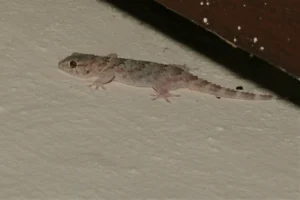
Cats can get sick, but most recover quickly. Serious problems are rare. The real danger is for the gecko, not the cat. Geckos lose tails, get hurt, or die more often.
From their point of view, the cat is the threat.
If you live where larger geckos or reptiles roam, it’s good to know what species are nearby.
Some geckos in exotic collections can bite harder, though toxins still aren’t an issue. Knowing the local species helps keep both your cat and wildlife safe.
Conclusion
At the end of the day, geckos aren’t really harmful to cats. They don’t have venom. They don’t have poison. They don’t attack pets.
They can carry bacteria or parasites, which sometimes upset a cat’s stomach if eaten, but most cats bounce back quickly.
So next time your cat spots a gecko zig-zagging up the wall and turns into a stealth ninja, don’t panic.
Keep an eye on the situation, step in if the chase gets out of hand, and remember: in most cases, the only one really in danger is the gecko trying to survive.

Hi, my name is Ezra Mushala, i have been interested animals all my life. I am the main author and editor here at snakeinformer.com.